REVIEW · CAIRO
Full-Day Tour to Giza Pyramids, Memphis, and Sakkara
Book on Viator →Operated by Emo Tours Egypt · Bookable on Viator
One day, three heavy-hitters of ancient Egypt. This private trip strings together Giza, Memphis, and Saqqara with an Egyptologist guide and air-conditioned comfort, so you can see a lot without doing logistics yourself.
I especially like that the tour includes lunch (koshari) plus bottled water and snacks, which matters on a hot, long site day. Second, I love the private format: you get to ask questions, set your pace, and tailor the itinerary when the guide can.
The main catch is that you should expect extra stops that lean shopping-focused—perfume/cotton, papyrus, rugs—and in some cases you may run into pushy people asking for tips. If you hate that kind of pressure, go in with a plan and keep your boundaries clear.
In This Review
- Key highlights in plain terms
- Why this 8-hour Cairo day trip works
- The value of a private Egyptologist guide (and how to spot a good one)
- Giza Plateau: pyramids, Valley Temple, and the Great Sphinx
- Pyramid entry expectations: basic access is included, extra access may cost more
- Memphis: where Ramses II and the Alabaster Sphinx fit the story
- Saqqara: the Step Pyramid of Zoser and the Old Kingdom “lab”
- Lunch at koshari plus water and snacks (and the shopping stops you’ll hit)
- Price and value: $45 is low, so manage the extras
- Who this tour fits best (and who might prefer a different style)
- Final verdict: should you book this Giza–Memphis–Saqqara day trip?
- FAQ
- How long is the tour?
- Is this tour private?
- Where does the tour start and end?
- Does the price include hotel pickup and drop-off?
- Is lunch included?
- Are entrance fees included for pyramids and tombs?
- What about tickets—do I need to bring anything?
- Is bottled water included?
- Do you visit shops during the day?
- Is tipping included?
Key highlights in plain terms
- Private tour with an Egyptologist guide and just your group
- Giza + Memphis + Saqqara in one long day with hotel pickup/drop-off
- Lunch is included, with koshari, plus bottled water and complimentary snacks
- Step Pyramid of Zoser, Great Sphinx, and multiple Old Kingdom tombs/pyramids
- Planned shopping stops (20 minutes each) at places like Paradise Perfumes & Flower Cotton, Key of Life Papyrus, and Handmade Carpets
- Optional adds can cost extra, since entry fees cover basic areas only
Why this 8-hour Cairo day trip works
This is a one-day hit list of Egypt’s Old Kingdom story—where it begins with monumental tomb design and then spreads across Giza, Memphis, and Saqqara. You start early (8:00 am) and spend roughly 8 hours on the move, which is exactly what you want if you don’t have extra days.
What makes it more than a rushed photo drive is the guide factor. You’re not just handed directions; an Egyptologist guide helps you connect what you’re seeing—pyramids, temples, and funerary beliefs—so the sites land with more meaning.
One more thing: the private format can make the day feel less chaotic. You’ll still be around other tourists, but you can control your questions, pacing, and how long you linger at key spots.
A few more Cairo tours and experiences worth a look
The value of a private Egyptologist guide (and how to spot a good one)
An Egyptologist guide is the difference between seeing monuments and actually understanding them. On this tour, your guide explains what each site meant to the people who built it and ruled it, not just what year it was built.
I found the strongest guide signals in how they handle real-world problems: vendors, crowds, and timing. Some guides were praised for being patient, funny, and genuinely informative—people named guides like Mohammed, Marwa, Ehab, Osama, Rawan, Tonsi, and even Samir and Mohamed in driver/guide pairings. That kind of flexibility is useful on a day where you’ll encounter camel/horse owners, souvenir sellers, and constant on-site sales talk.
Still, not every guide experience sounds the same. One guest had issues with guide communication and another described a guide pushing extra stops beyond the stated plan. My practical takeaway: ask early what stops are mandatory on the itinerary and how much time you’ll have at the monuments—then stick to your priorities.
Giza Plateau: pyramids, Valley Temple, and the Great Sphinx
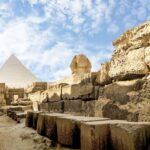
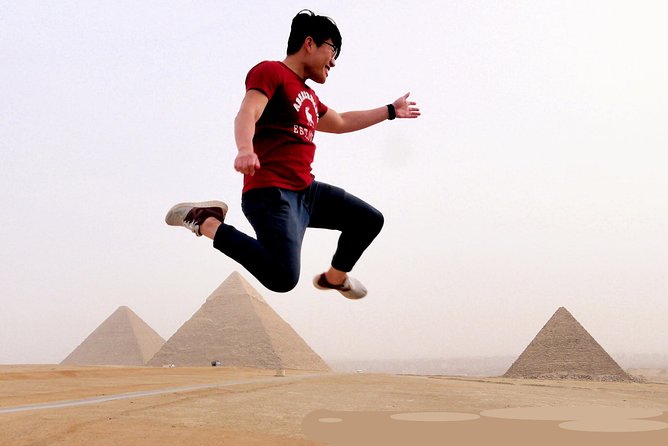
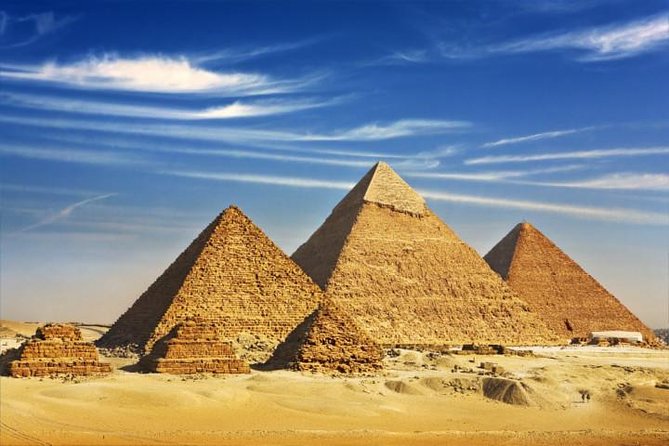
Giza is the headline, and this tour hits it from multiple angles. You’ll spend time on the plateau area to see the Great Pyramids complex, including Cheops (Khufu), Chephren (Khafre), and Mykerinos (Menkaure), plus the Valley Temple area where priests performed mummification-related rituals connected to the king’s funerary complex.
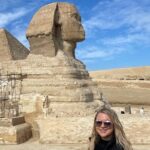
The Sphinx is another core stop. It’s described as connected to the reign of Khafre, and the guide context usually connects later temple additions too. Even when you think you already know the Sphinx, it hits differently in person—especially when you’re standing close enough to notice the craftsmanship details.
What I like about the pacing here is that it’s not just one quick pass. Your time is broken into segments: Giza plateau time first, then focused short blocks at key pyramid complexes and the Sphinx. That structure helps you return to the big shapes again and again so they actually register, not blur.
Pyramid entry expectations: basic access is included, extra access may cost more
This tour includes entrance fees for basic area access, but optional pyramid entry is not part of the included deal. In other words: you’ll get the main views and access to key areas, but if you want inside-the-pyramid experiences or special viewpoints, you should expect extra charges.
One important practical note from a firsthand experience: the additional access around the Giza pyramid area can involve climbing inclined stairs and squeezing through tight tunnels, with heat and little ventilation. If you’re not comfortable with enclosed spaces or you move slowly, this is the kind of detail you want confirmed with your guide before you commit to any add-on.
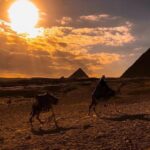
Also, don’t underestimate the sales pressure around Giza. Some guests mention the classic camel and horse owners pushing for tips. A good guide can help you keep your attention on the monuments, but you should still keep your wallet and your boundaries ready.
Memphis: where Ramses II and the Alabaster Sphinx fit the story
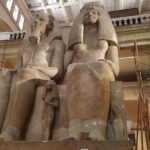
Memphis is a change of pace from the pyramid stage-set. You’re in the ancient capital zone, and the tour focuses on major reminders of later Egypt layered onto older foundations—like the colossal statue of Ramses II and an alabaster Sphinx.
What makes Memphis valuable here is how it connects the pyramid era to the long arc of Egyptian power. You see how monumental art didn’t stop after the Old Kingdom; it kept getting repurposed, rebuilt, and displayed in ways later rulers wanted.
This stop is shorter than Saqqara or Giza, but it’s meaningful. About an hour gives you enough time for the big artifacts and enough context from your guide to understand what you’re looking at.

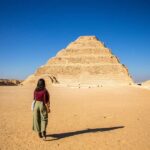
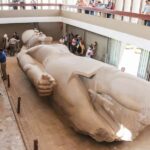
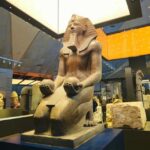

Saqqara: the Step Pyramid of Zoser and the Old Kingdom “lab”
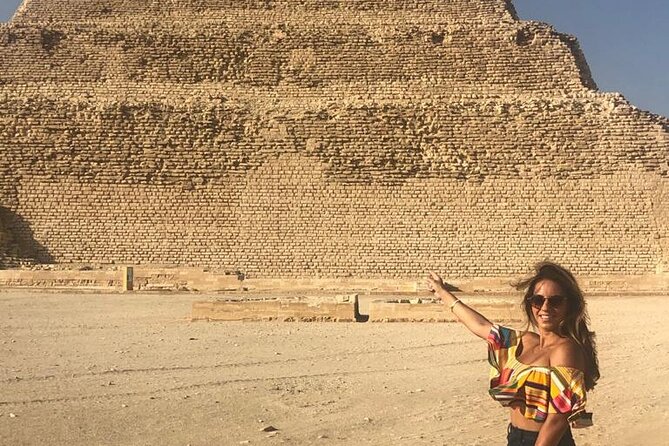
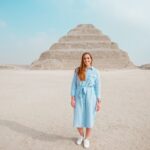
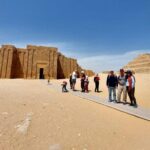
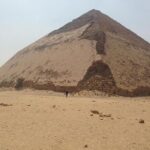
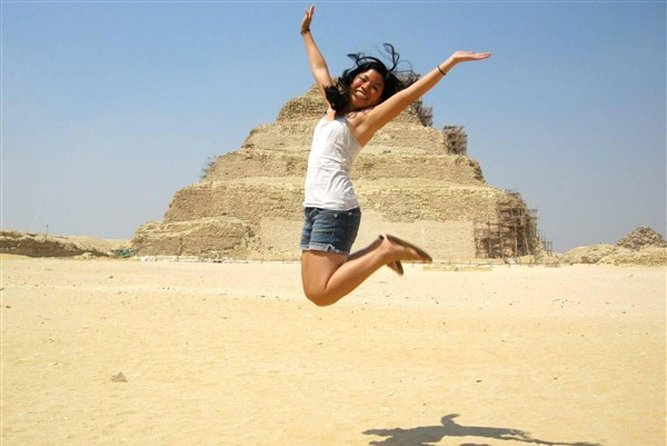
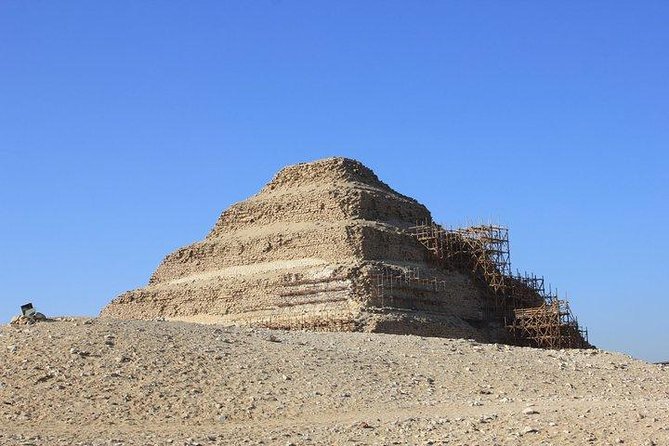
Saqqara is where the tour turns educational fast, because you’re walking through stages of Egyptian funerary architecture. The star is the Step Pyramid of Zoser, described as a key moment in the evolution from simpler mastabas toward the later pyramid form.
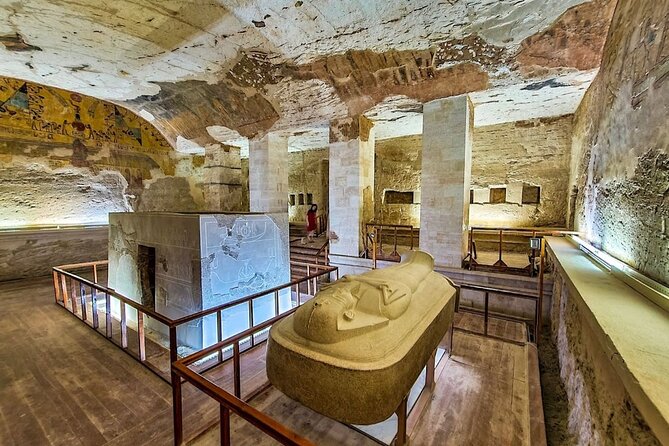
But this tour doesn’t stop at Zoser. You can also see the Pyramid of Unas, which is especially notable in the way it connects to funerary beliefs through inscribed texts in subterranean chambers. The tour schedule also includes the Pyramid of Teti and the Mastaba of Ti, which gives you a more complete Old Kingdom picture—not only kings’ pyramids but also elite tomb life scenes and daily-life imagery.
One guest even mentioned starting at Saqqara for a better historical flow, and I get that. Saqqara tends to feel like the workshop for the whole idea of pyramid building, while Giza feels like the museum-size final product.
If you like structure, this part is set up with short, focused blocks (for example, Unas at about 30 minutes, Teti around 15, Ti around 15). Short stops can be a good thing here because you’re moving through multiple sites and the guide can keep the story moving.
Lunch at koshari plus water and snacks (and the shopping stops you’ll hit)
You’ll get an included lunch at a local restaurant serving koshari, a classic Egyptian mix that’s filling enough for a long day outdoors. On this kind of tour, that’s a real value win because you’re not hunting for food between sites.
The tour also includes bottled water and complimentary snacks. In practice, that can save you from the constant “buy something” cycle that happens near tourist corridors.
Now for the part you should plan around: the itinerary includes planned stops at places like Paradise Perfumes & Flower Cotton, Key of Life Papyrus, and Handmade Carpets. These stops are timed (about 20 minutes each), and they’re presented as government or quality-focused souvenir stops.
Even so, you should know what you’re walking into. Several experiences mention implicit pressure to buy local products, and some people say they could have done without extra shopping time. My advice: treat these as optional browsing windows. If something doesn’t interest you, don’t get pulled into long conversations—keep moving.
Price and value: $45 is low, so manage the extras
At $45 per person, this tour is priced like a budget-friendly way to see the Big Names (Giza, Sphinx, Memphis, Saqqara) without a self-guided day. The value comes from what’s bundled: private transport with air-conditioning, pickup/drop-off, an Egyptologist guide, site entrance fees for basic areas, and lunch plus water/snacks.
Where value can shrink is when you add extras that aren’t included: optional pyramid entry, special viewpoints, camel/horse rides, and the on-site sales pressure that can lead you to spend more than planned.
Also watch the fine print in your expectations. A few experiences mention that guides sometimes steer time toward stores beyond what a guest preferred. That doesn’t mean every guide does this, but it does mean you should decide up front what you care about most: monument time versus shopping stops versus add-on activities.
Who this tour fits best (and who might prefer a different style)
This is a strong pick if you want a single-day route that covers multiple major sites with a guide who can connect the dots. If it’s your first time in Cairo and you want the “greatest hits” without renting a car or building a plan, this format is efficient.
It’s also a good fit for families or multi-age groups when the guide is flexible and manages timing well. Several experiences praised guides for being patient and attentive to small children or mobility needs.
I’d be more cautious if you strongly dislike shopping stops or you get easily stressed by vendor pressure. You can handle it, but you should go in with calm, clear boundaries—especially around Giza where camel/horse tip requests can get loud.
Final verdict: should you book this Giza–Memphis–Saqqara day trip?
If your priority is seeing Giza + Memphis + Saqqara in one day with included lunch, water, and private guidance, then this is a smart value choice for most visitors. I especially like the way Saqqara is treated as more than a quick stop—Step Pyramid of Zoser plus Unas, Teti, and Ti gives you a fuller Old Kingdom arc.
My recommendation comes with one condition: go in expecting shopping stops and possible vendor pressure. If you’re comfortable browsing for a short window and you can say no without stress, you’ll likely enjoy the day. If you hate any shopping component or inside-tunnel climbing, message your operator first and align your must-sees.
If you want, tell me your travel dates and what matters most to you—pyramid views, tomb inscriptions, photo time, or minimizing shopping—and I’ll suggest how to structure your expectations for this exact route.
FAQ
How long is the tour?
It runs for about 8 hours.
Is this tour private?
Yes. It’s a private tour, so only your group participates.
Where does the tour start and end?
It starts at 8:00 am and ends back at the meeting point.
Does the price include hotel pickup and drop-off?
Yes, hotel pickup and drop-off are included.
Is lunch included?
Yes. Lunch is included at a local restaurant, and it’s koshari.
Are entrance fees included for pyramids and tombs?
Entrance fees are included, but they cover basic area access. Optional pyramid entry is not included.
What about tickets—do I need to bring anything?
You’ll have a mobile ticket.
Is bottled water included?
Yes, bottled water is included.
Do you visit shops during the day?
The tour includes planned stops (about 20 minutes each) at places such as Paradise Perfumes & Flower Cotton, Key of Life Papyrus, and Handmade Carpets.
Is tipping included?
Tipping is not included.