REVIEW · LUXOR
5 Days and 4 Nights Private Nile Cruise Tour from Luxor to Aswan
Book on Viator →Operated by Icon Tours Egypt · Bookable on Viator
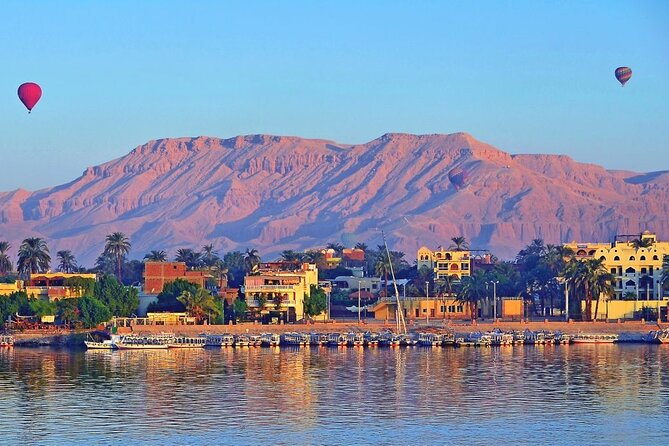
The Nile scrolls by, and the ancient world keeps interrupting. This private Luxor to Aswan cruise strings together the big-name temples and a few high-impact extras, with an Egyptologist guide for context and timing that keeps things from dragging.
I especially like how the day-by-day plan hits both sides of Luxor, then continues with Edfu and Kom Ombo before finishing in Aswan. I also like the practical rhythm: breakfast and meals are handled on board, while your guide focuses on making each site make sense, even when it’s hot.
One consideration: temple days can be long, and the walking can stack up. If you’re heat-sensitive, plan for sunscreen, water, and pace yourself—your guide will help, but the sun doesn’t care.
In This Review
- Key things I’d circle before you book
- East Bank Luxor starts with serious scale at Karnak
- Karnak and Luxor Temple: the best part is having the map in your head
- West Bank Luxor: Valley of the Kings and Deir el-Bahari’s cliff-cut theater
- Edfu and Kom Ombo: Horus, Sobek, and a temple layout you’ll notice
- Aswan Day: High Dam, Philae by boat, and the Unfinished Obelisk
- Day five: check out, then fly onward to Cairo
- Meals onboard and the private-group difference you’ll actually feel
- Price of $887: what you’re paying for and how it can be good value
- How to get the best out of your Luxor to Aswan cruise
- Who should book this private Nile cruise from Luxor to Aswan
- FAQ
- How long is the Luxor to Aswan Nile cruise?
- What is included in the price?
- Does the tour include pickup?
- Is this a private tour?
- Which temples and attractions are included?
- Are meals included on the cruise?
- Is tipping included?
- Is Abu Simbel included?
- Can I cancel for a refund?
Key things I’d circle before you book
- Private group only: you won’t get swallowed by a mixed crowd.
- Egyptologist explanations: temples stop being random walls when someone connects the dots.
- East and West Bank in Luxor: Karnak and Luxor Temple, then Valley of the Kings, Hatshepsut, and Memnon statues.
- Edfu and Kom Ombo temples: Horus, plus the dual-god layout at Kom Ombo.
- Aswan highlights beyond the usual: High Dam, Philae on Agilika Island, and the Unfinished Obelisk.
- Guide names you might hear: Nasser, Tito, Aladdin, Ahmed, Mohammad, and Mansour have been praised for patience and clear storytelling.
East Bank Luxor starts with serious scale at Karnak
Day one begins with an airport greeting at Luxor Airport and a transfer straight to your Nile cruise. If you like arriving and not wrestling with taxis, this setup matters. You’re not guessing where to go; someone is there to point you in the right direction.
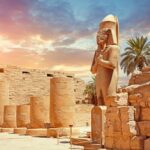
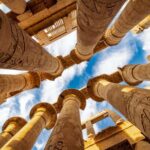
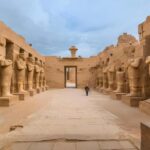
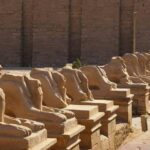
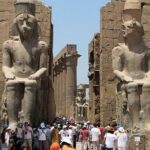
In the afternoon, you start on the East Bank with Karnak Temples Complex. This isn’t one temple you stroll through and forget. Karnak is a whole universe of pylons, halls, and sanctuaries, and even if you’ve seen photos, being there in person makes the size feel real. Your guide’s job is to keep it coherent—what you’re looking at, who it’s connected to, and why the layout grew this way over time.
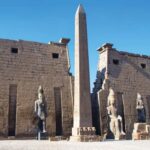
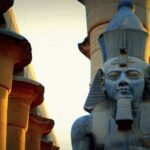
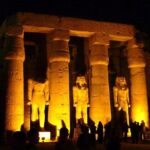
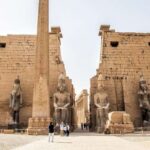
Next comes Luxor Temple, smaller than Karnak but still dramatic, especially because it sits in the middle of modern Luxor life. It’s associated with Amun Re, and it’s linked to different rulers across dynasties, including Ramses II. That mix helps you understand something key: Egypt’s temples weren’t just built once. They were updated, reused, and reinterpreted as power changed hands.
Practical note: both Karnak and Luxor Temple are included, with admission taken care of. You still want good timing habits: keep your water going, don’t save everything for the end, and use your guide’s “where to look” cues.
You can also read our reviews of more boat tours in Luxor
Karnak and Luxor Temple: the best part is having the map in your head
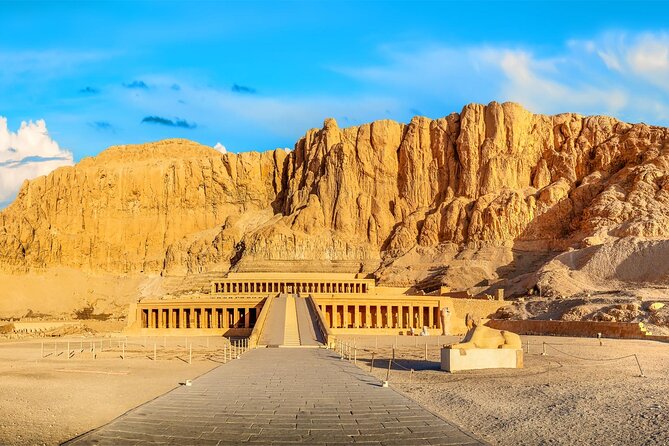
Here’s what I think works so well with this cruise setup. You aren’t just ticking off a list. You get a guided walk through complex sites so you can actually recognize patterns—processional routes, major cult areas, and why certain gods show up repeatedly.
At Karnak, your guide can help you spot what matters first: the main temple complex area, the dominant god’s connection, and the way the complex spreads across space. At Luxor Temple, the explanations help you see how it relates to daily worship and royal authority rather than treating it like a stone leftover.
The meals on board on day one also make the logistics less stressful. You’re included for lunch and dinner on the cruise, so you can keep your energy for the walking and not hunt for food after a long afternoon.
West Bank Luxor: Valley of the Kings and Deir el-Bahari’s cliff-cut theater
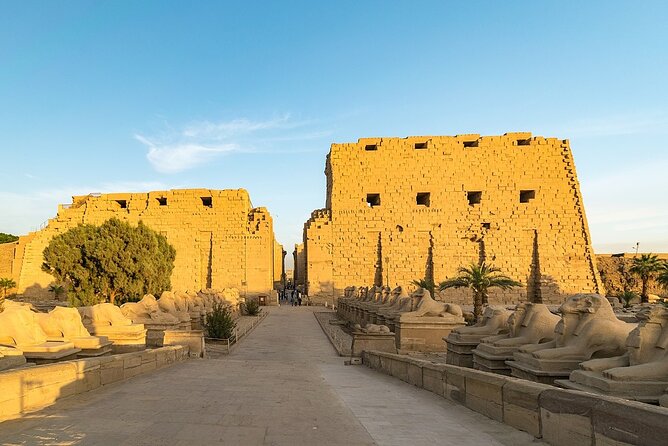
Day two is pure Luxor West Bank energy. You start with breakfast on board, then head into the areas where the pharaohs planned for eternity.
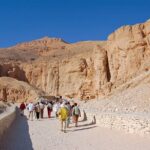
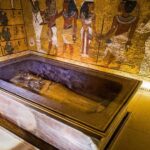
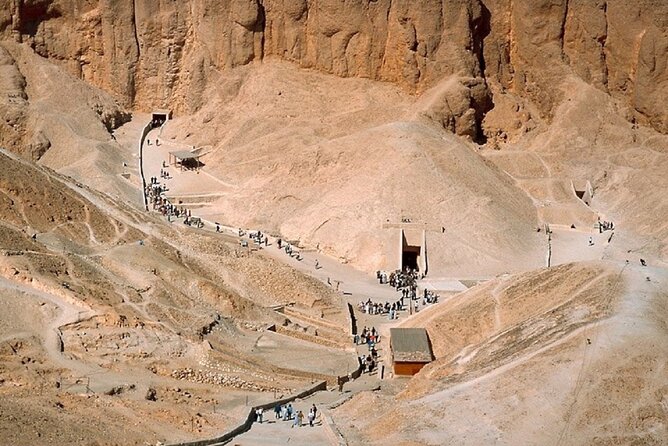
The big stop is the Valley of the Kings, the burial place of rulers of the Theban period. This is one of those places where the history hits differently because you can feel how the cliffs and valley setting guided how tombs were placed. Your guide’s storytelling helps you see why this site mattered and how the tomb culture worked, instead of just wandering from entrance to entrance.
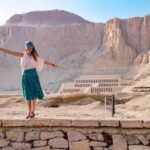
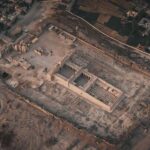
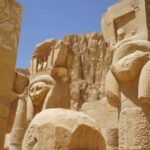
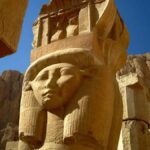
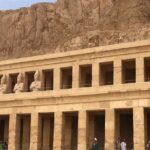
Next is the Temple of Hatshepsut at Deir el Bahari. This temple is carved into the hillside, so it feels designed to be part of the mountains. It’s also famous for being tied to Queen Hatshepsut, which gives your visit a stronger “person in history” hook. The layered, mountain-hugging layout makes the site visually memorable, especially when the light is right.
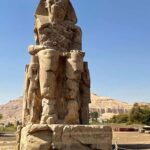
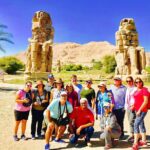
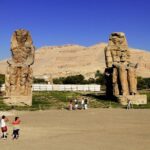
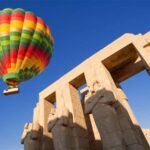
To round out the day, you visit the Colossi of Memnon—massive statues that once guarded the temple area of Amenhotep III. These aren’t just big rocks. When your guide explains what they were once part of, the statues shift from scenery to a story about how temples were staged and approached.
You’ll return to the cruise for breakfast, lunch, and dinner included on day two. That matters more than people think. After a West Bank day, the ability to reset on board helps you enjoy the next stops instead of showing up tired and grumpy.
Edfu and Kom Ombo: Horus, Sobek, and a temple layout you’ll notice
Day three shifts from Luxor into the classic Nile-cruise temple flow. You begin with breakfast on board, then go to the Temple of Horus at Edfu.
Edfu’s Temple of Horus is one of the better-preserved temple stops on this route. It’s also a strong choice because it’s not just “another temple.” The layout and the religion behind it make the visit feel structured. With an Egyptologist guide, you’re better able to connect carvings and symbols to the religious ideas of the time.
In the afternoon you reach Kom Ombo, and your included visit focuses on the Temple of Kom Ombo, dedicated to two gods: Sobek and Haroeris. The key detail here is the temple’s dual design. You’re not looking at a single-theme building—you’re seeing how one sanctuary could serve different divine roles. It’s the kind of detail you would miss if you were sightseeing without context.
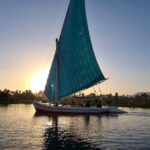
As you sail, you get time to enjoy the Nile from the ship—especially from the sun deck. On a hot day, that break can be the difference between enjoying your cruise and feeling like you’re constantly “on.”
Meals stay included: breakfast, lunch, and dinner are on board. That keeps the day balanced between guided time on shore and relaxed time afloat.
Aswan Day: High Dam, Philae by boat, and the Unfinished Obelisk
Day four is Aswan, and it covers two different kinds of scale: modern engineering and ancient stonework.
First up is the Aswan High Dam. This is a strong shift from the temple circuit. It helps you understand the Nile as a living system shaped by human decisions. Your guide frames it as a structure designed to manage the annual flooding, and you see how that connects to Egypt’s agriculture and development.
Next comes the Temple of Philae at Agilika Island. You take a motorboat ride to the island, then explore the temple complex dedicated to Isis. It’s described as dating to the Greco-Roman period, and it’s another “you’ll feel it” stop because the setting is calm and the carvings have a clear sense of purpose tied to the goddess Isis and the mythology around Horus.
Then you end the day with the Unfinished Obelisk. This stop is fascinating because it’s exactly what it sounds like: a giant red granite obelisk attempt that never got completed. The value here is practical and visual—you’re watching stone-cutting work in a way that finished monuments hide. Your guide can explain what it was meant to become and what the unfinished state tells you about how ancient workers did their jobs.
You’ll be back on board for dinner, and both lunch and dinner are included. After a day like this, having food handled is a real quality-of-life win.
You can also read our reviews of more private tours in Luxor
Day five: check out, then fly onward to Cairo
On the final morning, you have breakfast on board and then disembark with a representative ready to help. From Aswan you’re escorted to the airport for your flight to Cairo, where your trip continues.
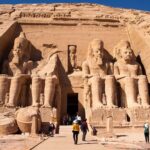
There’s also an optional add-on you can consider: Abu Simbel. The complex is famous for Ramses II’s colossal rock-cut temples. The tour data flags it as optional, so it’s a smart choice only if your schedule can handle the extra travel time.
If you want the biggest “wow factor” at the end, Abu Simbel is the kind of place that can do it. Just make sure it fits your energy level and how you plan to spend the rest of your Cairo days.
Meals onboard and the private-group difference you’ll actually feel
This tour includes four breakfasts, four lunches, and four dinners, plus bottled water during the excursions. That means your day isn’t constantly broken into “eat here, then run there.” You can plan your day around temples and sail time, not around finding snacks.
The cruise style here is private, meaning only your group participates. In practice, private doesn’t just mean “quieter.” It often means better pacing. You’re more likely to move with fewer hiccups, and your guide can keep attention on your group instead of splitting focus across mixed travelers.
Also, the reviews strongly highlight that the guides don’t rush. Names that come up include Nasser, Tito, Aladdin, Ahmed, Mohammad, and Mansour. The consistent thread: patient explanations and staying with you to make sure you understand what you’re seeing and that you’re okay during the transitions.
Price of $887: what you’re paying for and how it can be good value
At $887 per person for five days and four nights, the value depends on what you compare it to.
Here’s what’s bundled in a meaningful way:
- Entry/admission at major sites (Karnak, Valley of the Kings, Luxor Temple, Edfu, Kom Ombo, Aswan High Dam, Philae, and the Unfinished Obelisk)
- Egyptologist guide during excursions
- Pickup and transfers at the start (airport greeting to cruise)
- Airport escort at the end (Aswan to Cairo)
- Onboard meals and bottled water during tours
What’s not included is tipping. That’s standard, but it’s worth budgeting for.
So is it a deal? If you’re the kind of traveler who wants guided entry tickets and doesn’t want to organize each site yourself, this price can work. If you’re comfortable building your own Luxor-to-Aswan schedule and buying everything separately, you might find cheaper options. Still, the guide time plus included admissions often helps you avoid wasting hours on logistics—hours you could be spending inside the temples.
How to get the best out of your Luxor to Aswan cruise
This cruise is built for people who like a structured route with expert context. To get more from it, I’d focus on three habits.
First, use your guide’s explanations as a tool, not background noise. Ask quick questions when you’re standing in front of carvings. It’s the fastest way to turn stone into meaning.
Second, pace yourself on the West Bank and in Aswan. Valley of the Kings plus Deir el Bahari plus Colossi of Memnon is a serious day. Bring a hat, sunscreen, and water habits. The bottled water helps, but you’ll still want to manage your own intake.
Third, plan for a temple schedule with fewer “free wandering” hours. That sounds limiting, but it also means less time wasted in lines and confusion. One reason guides earn praise here is efficiency—keeping things moving while still answering questions.
And if you’re a “I want the views too” person, take advantage of sun deck time. It’s not just relaxing. It’s how the Nile turns your day from a checklist into an experience.
Who should book this private Nile cruise from Luxor to Aswan
Book it if:
- You want big temple days with guided context.
- You prefer private pacing over joining a large mixed group.
- You like being fed on board so your schedule stays calm.
- You’re interested in both ancient sites and modern Nile engineering (High Dam, Philae, and the Unfinished Obelisk).
You might skip or rethink it if:
- You’re hoping for lots of free time to roam independently.
- Your mobility needs are complex; the tour says most travelers can participate, but your best move is to ask what kind of walking and transfers to expect for your group.
Should you book? If you want the classic Luxor-to-Aswan arc with clear explanations and included entries, this is a solid way to do it without turning your trip into a logistics project.
FAQ
How long is the Luxor to Aswan Nile cruise?
It runs for about 5 days, including 4 nights.
What is included in the price?
The tour includes an Egyptologist guide during excursions, admissions for the listed sites, bottled water during tours, and meals onboard (4 breakfasts, 4 lunches, 4 dinners).
Does the tour include pickup?
Yes. Pickup is offered, and there is an airport representative at Luxor Airport at the start.
Is this a private tour?
Yes. It’s a private tour/activity, and only your group participates.
Which temples and attractions are included?
Included admissions cover Karnak Temple, Valley of the Kings, Colossi of Memnon, Luxor Temple, Temple of Hatshepsut at Deir el Bahari, Temple of Horus, Temple of Kom Ombo, Aswan High Dam, Temple of Philae, and the Unfinished Obelisk.
Are meals included on the cruise?
Yes. Breakfast, lunch, and dinner are included for the days specified in the tour (4 of each), plus bottled water during tours.
Is tipping included?
No. Tipping is not included.
Is Abu Simbel included?
Abu Simbel is listed as an optional excursion. It’s not automatically included.
Can I cancel for a refund?
Yes. You can cancel up to 24 hours in advance for a full refund.