REVIEW · CAIRO
4 Days Nile Cruise luxor.Aswan.abu simbel with Train Tickets from Cairo
Book on Viator →Operated by Noor Egypt Tour · Bookable on Viator
This trip strings together overnight trains and a 3-night Nile cruise, so you lose less time traveling and more time seeing Egypt. I like the clear focus on big-hitters like Abu Simbel and Luxor’s main temple circuit. The schedule also includes meals and a small-group feel (up to 15), which makes the day tours run smoother.
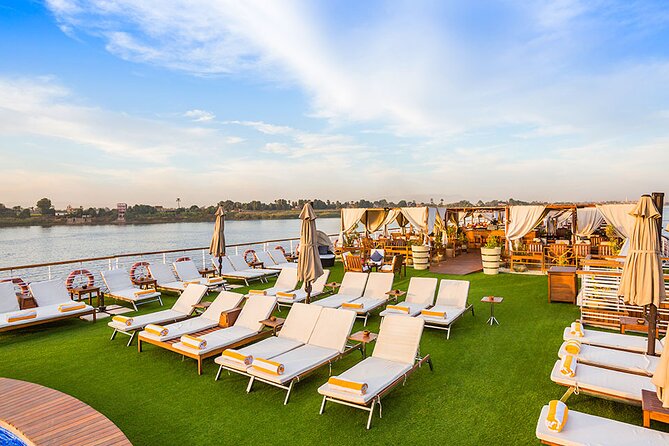
One thing to think about: the cruise is advertised as five-star, but quality can be a sensitive topic. If that matters a lot to you, I’d confirm the ship details and what’s included in your cabin category before you pay.
In This Review
- Quick Key Points to Know
- Cairo Pickup and Overnight Train to Aswan
- Aswan Highlights: High Dam, Philae, and Boat Time
- Abu Simbel at 5 a.m.: Big Temples and River Views
- Kom Ombo and Edfu: Double Temple and Horse-and-Carriage Ride
- Luxor Temple and Karnak: Hypostyle Hall Column Power
- West Bank of Luxor: Valley of Kings, Hatshepsut, and Memnon
- Return to Cairo by Train: The 9-Hour Overnight Ride
- Price, Inclusions, and What You Still Need to Plan For
- Who This Nile Cruise Suits Best
- Should You Book This Nile Cruise Tour?
- FAQ
- How long is the experience?
- Does the tour include pickup in Cairo?
- Are round-trip train tickets included?
- How many nights are included on the Nile cruise?
- What meals are included?
- Is Abu Simbel included?
- Which temples and sites are visited?
- Are entrance fees included?
- Is tipping included?
Quick Key Points to Know
- Overnight first-class train seats cover both directions, including the 9-hour return from Luxor to Cairo.
- Abu Simbel at dawn starts around 5 a.m., which is early but gives you the best light for photos.
- Boat and carriage touches: a motor boat in Aswan and a horse-and-carriage ride in Edfu.
- Packed temple days: Kom Ombo, Edfu, Luxor Temple, Karnak, Valley of Kings, Hatshepsut, and more.
- Group size up to 15 helps you keep momentum without feeling rushed by a huge crowd.
Cairo Pickup and Overnight Train to Aswan

The adventure starts with pickup in Cairo, usually around 7 pm depending on where your hotel is. From there, you’re driven to Cairo train station for the overnight ride to Aswan. This is one of the smartest parts of the plan: you’re moving while you sleep, not spending your only daylight on transport.
You’ll board first-class seating for the trip, with round-trip tickets included. I also like that there’s help on the ground and handling fees covered, since train days can be chaotic if you’re left to figure it out alone. Still, pack for comfort. Sleeper logistics vary by train, and Egypt trains can mean some waiting around stations before departure.
A few more Cairo tours and experiences worth a look

Aswan Highlights: High Dam, Philae, and Boat Time
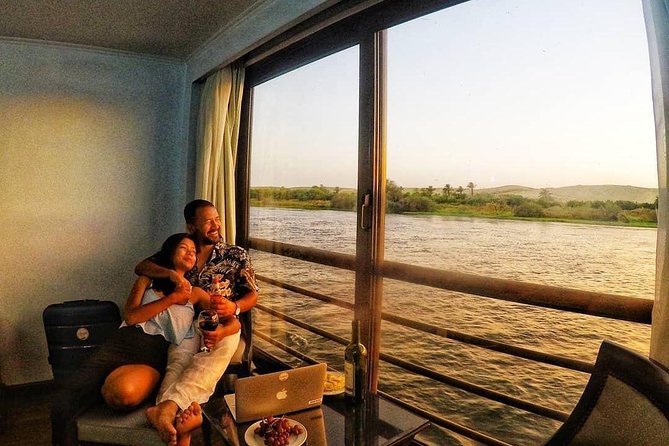
When you arrive in Aswan, you meet a professional local guide and start with two major stops: the High Dam and Philae Temple. The High Dam is the modern anchor of this region, while Philae Temple takes you straight into the ancient story tied to the Nile and its worship.
The plan also includes a motor boat in Aswan. That matters because it changes how you experience the river. You get a different angle on the water and the riverbanks compared with standing on land the whole time.
Your day is built with food and evening fun, too. Lunch is on board, plus afternoon tea, dinner, and an evening disco party. It’s not the kind of thing you come to Egypt for, but it can be a nice decompression after temple walking. If you prefer quiet, you’ll probably find it best to head back early rather than guessing how lively it’ll be.
Abu Simbel at 5 a.m.: Big Temples and River Views
Day three is the early one. Around 5 a.m. you head to Abu Simbel for a guided visit. This is a long-distance highlight for a reason: Abu Simbel is famous, and the early departure helps you beat heat and crowds. The trade-off is simple—your alarm clock needs to be brave.
After the Abu Simbel tour, you return to the cruise, and the ship starts sailing again. This is where the Nile scenery becomes more than a postcard. You’ll have chances for photos of both sides of the river, where you can spot Nubian and Egyptian communities, villages, and small boats moving along the water. It’s one of those moments where the landscape matters, because it’s the everyday life built alongside the monuments.
Then you shift to Kom Ombo. The temple here is known as a double temple, shared between the crocodile-headed god Sobek and the falcon-headed god Haroeiris. It’s the kind of place where you can feel the planners were obsessed with meaning—two divine themes carved right into one site. It’s an efficient stop, and it keeps you on pace before the next temple day.
Kom Ombo and Edfu: Double Temple and Horse-and-Carriage Ride
Kom Ombo is a good way to reset your brain after Abu Simbel. Instead of one massive complex dominating your view, you get a more specific, themed temple experience. The Sobek and Haroeiris pairing gives you a clear story to follow as you walk—useful when you’re juggling multiple sites in a short window.
Next comes Edfu Temple, described as the best-preserved temple in Egypt and dedicated to the falcon god Horus. That phrase best-preserved is not just marketing fluff in this case. When carvings stay sharp, details become easier to connect to the story, so your photos and your understanding both improve.
One playful extra is included here: horse and carriage. It’s a short ride, but it adds a bit of local texture to the day without derailing the schedule. If you don’t want it, you can usually choose to skip, but the tour includes it—so I’d be ready either way.
After Edfu, navigation continues toward Luxor, with overnight cruise time built in. You’ll feel the rhythm of a cruise here: tour, return, sail, repeat.
Luxor Temple and Karnak: Hypostyle Hall Column Power
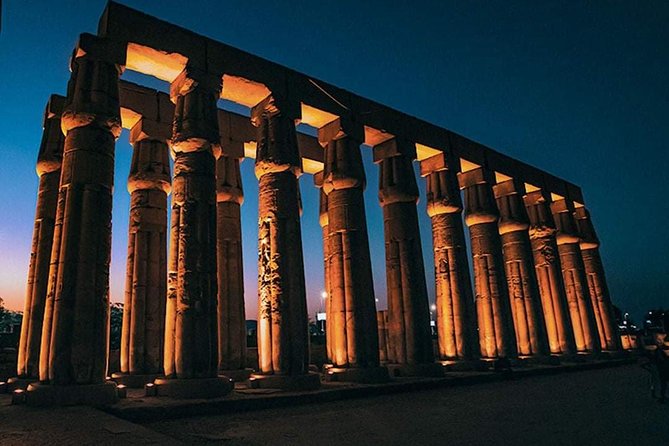
In the afternoon, you visit Luxor Temple and the Karnak temple complex. This is a two-for-one kind of combo: Luxor Temple gives you the ceremonial feel right in the middle of the city, while Karnak expands into a massive sacred complex that can stretch your sense of scale.
Karnak’s Hypostyle Hall is the big name: it covers 5,356 square meters and features 134 colossal columns around 70 feet high. Even if you don’t memorize the measurements, you’ll feel what it means. It’s like walking into a forest made of stone—columns everywhere, and the air seems to hold echoes longer than you expect.
This day is also a reminder that temple visits can be exhausting. You’re moving through multiple areas, often with uneven surfaces and lots of stairs. If you’re sensitive to heat, bring water and plan your photo stops instead of trying to take everything in at once.
You can also read our reviews of more boat tours in Cairo






West Bank of Luxor: Valley of Kings, Hatshepsut, and Memnon
Day five is your big West Bank day. After breakfast, you disembark and go straight to the ancient Theban Necropolis. The first stop is the Valley of Kings, where more than 60 pharaohs have tombs carved into mountain cliffs. This is the one you go to if you want to understand how Egypt built its afterlife beliefs into the physical landscape.
Then you visit the Temple of Hatshepsut. It’s a major site for a reason: it connects monumental architecture with a real historical figure. Walking through it helps you shift from tomb-focused imagination to something broader—royal power, temple planning, and a long view of time.
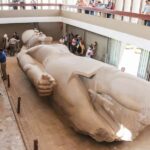
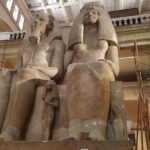
You’ll also see the Colossi of Memnon, the only remains of the funerary temple of Amenophis III. It’s just a few giant statues, but they work well as a closing act for the West Bank circuit. They make it easy to remember what you’ve seen without forcing one last heavy walk through more rooms.
After that, you move to the east bank to visit Karnak Temple again as part of the day’s program. That might sound repetitive, but it can help if your energy is split between West Bank tomb vibes and East Bank grand temples.
Return to Cairo by Train: The 9-Hour Overnight Ride
At the end of the Luxor day tour, you transfer to Luxor Train Station for the ride back to Cairo. The train takes about 9 hours from Luxor to Cairo, and you’ll overnight on the train.
This is where your planning pays off. Because you’ve already done the main sightseeing, the return ride feels like a breather instead of a burden. Still, manage expectations: trains mean scheduled movement, station time, and room for delays. Pack a small bag with what you’ll want for the ride—water, a layer, and anything you need to stay comfortable in a seated overnight situation.
When you arrive in Cairo, you’ll be picked up and transferred to your hotel in Cairo or Giza. Then the tour ends.
Price, Inclusions, and What You Still Need to Plan For
At $850 per person, this is pricing that usually makes sense for a plan combining trains plus cruise time plus guided temple visits. You’re not just paying for sightseeing—you’re paying for transportation you’d otherwise fight for on your own. Round-trip first-class seating from Cairo and return is a big chunk of the value.
The included meals help, too: lunch is provided, and breakfast is included three times. On board you’ll also get dinner and afternoon tea during the Aswan day. Food alone won’t justify the trip, but it does reduce the number of decisions you have to make while you’re tired from temple days.
Important catch: entrance fees and tipping are not included. That means your real total depends on the ticket costs for each site you visit, and on how much tipping you choose to do. If you want to cut costs, bring your ID and any discounts you qualify for. I’d also take seriously the advice to bring a student card if you have one—student discounts can matter with temple ticketing.
Language is another real-world factor. Abu Simbel includes an English-speaking tour guide, and other parts involve local guides. If you need a specific language for every day, you should confirm it clearly ahead of time. I’ve seen how mismatches can sour an otherwise great itinerary, especially when you’re paying for the comfort of understanding.
Finally, cruise quality. Some travelers can be picky about what five-star means. If you care deeply about the ship experience, ask for the ship name and confirm what five-star includes in your case, not just the category on the brochure.
Who This Nile Cruise Suits Best
This tour fits best if you want structure. You get a full itinerary with transportation handled, and you’re not left to piece together trains and ticket lines while also trying to see Luxor and Abu Simbel.
It’s also a good match if you like early starts for major sites. Abu Simbel begins around 5 a.m., and if you can handle that, you’ll likely appreciate the payoff.
With a maximum of 15 travelers, you should get a pace that feels more human than big-coach tours. You’ll still walk a lot on temple days, but the group size helps you ask questions and find your footing faster.
Who should think twice? If your priority is a guaranteed five-star ship experience with no surprises, you’ll want to verify the vessel details. If you need a guide in a language other than English, confirm that in writing before you book.
Should You Book This Nile Cruise Tour?
I’d book it if you want a balanced plan that moves you efficiently between Cairo, Aswan, Abu Simbel, and Luxor, with most of the hard logistics already covered. The combination of overnight train travel and 3 nights on the Nile is the kind of value that works well for first-time Egypt visitors and return visitors who want a clean route.
I’d hesitate if cruise comfort is your top concern and you can’t tolerate ambiguity. Also, if language is critical for you, confirm your guide setup early. Clear communication here prevents the biggest disappointment.
If you handle early mornings, expect long sightseeing days, and do a bit of pre-planning for entrance fees, this itinerary is a strong way to see Egypt’s greatest hits without turning your trip into a constant travel scramble.
FAQ
How long is the experience?
The itinerary is about 6 days total, including the overnight train segments from Cairo to Aswan and from Luxor back to Cairo.
Does the tour include pickup in Cairo?
Yes. You get pickup from your hotel in Cairo around 7 pm, depending on your hotel location, then transfer to Cairo train station.
Are round-trip train tickets included?
Yes. Round-trip first class seating train tickets from Cairo are included, with return from Luxor back to Cairo.
How many nights are included on the Nile cruise?
Three nights are included on a five-star Nile cruise from Aswan to Luxor.
What meals are included?
Lunch is included, and breakfast is included three times. You’ll also have dinner and afternoon tea on the Aswan day.
Is Abu Simbel included?
Yes. An Abu Simbel excursion is included with a sharing small group and an English speaking tour guide.
Which temples and sites are visited?
You’ll visit High Dam and Philae Temple in Aswan, Abu Simbel, Kom Ombo Temple, Edfu Temple, Luxor Temple, Karnak, the Valley of Kings, the Temple of Hatsheput, and the Colossi of Memnon.
Are entrance fees included?
No. Entrance fees are not included.
Is tipping included?
No. Tipping is not included.