REVIEW · LUXOR
Private Full day tour to West and East Bank of Luxor
Book on Viator →Operated by Deluxe Tours Egypt · Bookable on Viator
Luxor’s split across the Nile makes for a great story. This private full-day tour strings together the West Bank tombs and the East Bank temples in one efficient day, with a qualified Egyptologist guiding you stop to stop. I like that the plan is built around major sites you actually want to see—Valley of the Kings, Hatshepsut at Deir el Bahari, Luxor Temple, and Karnak—without making you juggle tickets all morning.
I also like the practical touches: hotel pickup and drop-off are included, and you get water during the tour. You’re not left figuring out timing or logistics; you simply show up, and the day runs. The main thing to consider is that the Tomb of King Tutankhamun is an optional add-on with an extra ticket.
Key things you’ll like about this tour
- Private, only-your-group experience so you can move at a pace that works for you
- Hotel pickup and drop-off included, which saves real time in Luxor
- Most entrance fees covered, plus water during the day
- A structured East and West Bank route that hits the biggest names efficiently
- An optional Tutankhamun stop if you want it badly enough to pay extra
In This Review
- Private Full-Day Luxor: East and West Banks, One Plan
- Pickup, Timing, and How to Think About the 8 Hours
- Valley of the Kings: Why This Is the Real Starting Point
- Hatshepsut at Deir el Bahari: More Than a Temple Stop
- The Optional Tomb of Tutankhamun: Decide Early
- Colossi of Memnon: A Short Stop With Big Context
- Luxor Temple on the East Bank: Switching From Burial to Worship
- Karnak Temple: The Place That Changes How You View Scale
- Guide Impact: What Makes This Day Feel Worth It
- Price and Value: What $127 Buys You (and What It Doesn’t)
- Who This Tour Is Best For
- Weather and Comfort: How to Prepare for a Day Out
- Should You Book This Private Full-Day East and West Luxor Tour?
- FAQ
- What’s included in the tour price?
- Is the Tomb of King Tutankhamun included?
- How long is the tour?
- Are drinks included?
- Is airport pickup included?
- What happens if the weather is bad or I need to cancel?
Private Full-Day Luxor: East and West Banks, One Plan
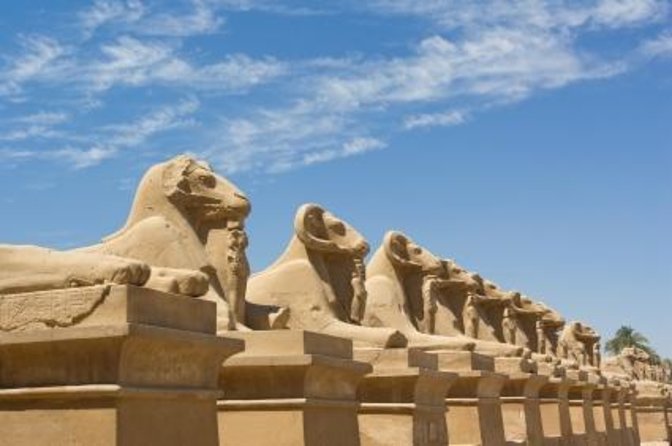
Luxor is famous for two sides of the same ancient world. The West Bank focuses on royal burials, with tombs carved into the desert-facing hills. The East Bank is where you’ll find the big religious complexes—the places where daily temple life and ceremonies took place.
This tour’s strength is that it respects that logic. You don’t just bounce randomly between sites. You move West first for the burial landscape, then you cross back to the East for Karnak and Luxor Temple, which makes the day feel coherent.
Because it’s private, your schedule can fit you better than a crowded group day. That matters here, since tombs and temples involve walking, stairs, and lots of standing still while you take in details.
Pickup, Timing, and How to Think About the 8 Hours
You’ll be picked up from your hotel in Luxor and then dropped off at the end of the day. The tour runs about 8 hours, and each stop has a planned time window, so you’re not guessing when to leave.
Here’s how I’d think about the pace. Some stops are shorter, like the Colossi of Memnon (about 20 minutes), while others are longer, like Valley of the Kings (about 3 hours) and Deir el Bahari (about 2 hours). That means you’ll have room to see what you came for, but you should expect a packed-feeling day overall.
Also, know what’s included and what isn’t before you get to the last stages of planning your priorities. The Tomb of King Tutankhamun is not included, so if it’s a must, budget time and money for the optional ticket you can buy on the spot.
You can also read our reviews of more private tours in Luxor
Valley of the Kings: Why This Is the Real Starting Point
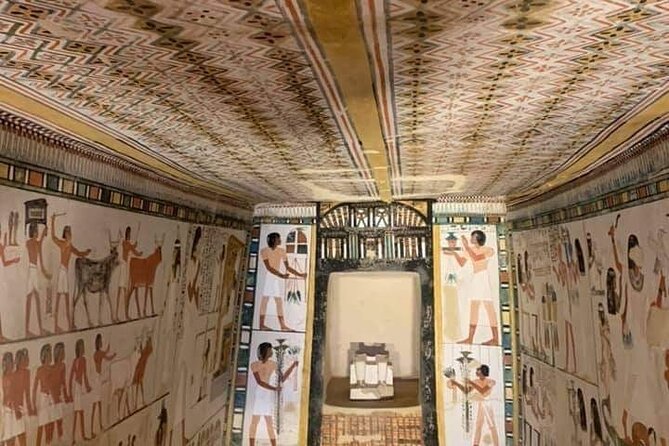
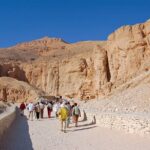
The day begins on the West Bank at the Valley of the Kings. This is where you see the burial architecture and layout that made royal tombs possible in a landscape built for secrecy and protection. You’ll hear about the grandeur of the space and how it was used for kings’ burials.
This stop is scheduled for about 3 hours with your admission included. That length is helpful because Valley of the Kings isn’t a quick photo stop. It takes time to understand the tombs as a system—where you are, what the builders were trying to accomplish, and how each reign fits into the bigger story of royal power.
You’ll have several notable tombs referenced as part of the experience, including King Tutmosis I, Tutmosis III, Tut-Ankh-Amon, King Ramssess VI, King Mrenptah, and Amonhotep II. That gives you a meaningful context even if you don’t go into every single tomb.
Practical note: the tour doesn’t promise which tombs you enter beyond the overall plan. It does provide the time so you can actually make choices with your guide rather than being rushed out the door.
Hatshepsut at Deir el Bahari: More Than a Temple Stop
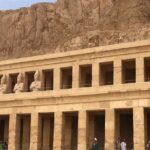
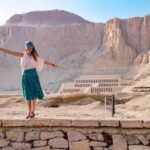
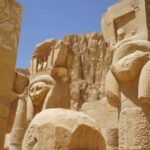
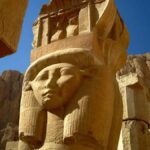
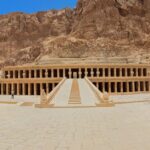
Next you head to Deir el Bahari, specifically the Temple of Queen Hatshepsut. This is one of those places where the setting helps explain the intention. The structure is known as El Dir El Bahari, and it’s tied to a very specific moment in Egypt’s long timeline.
You’ll learn that it was built by Queen Hatshepsut, the daughter of Thutmosis I, and that she ruled Egypt for about 20 years during the 18th Dynasty (around 1490–1469 B.C). Even if you already know the basics, this is the kind of site where having an Egyptologist guide turns names and dates into something you can visualize.
Your visit is about 2 hours and the admission is included. That time window is good for noticing both the architecture and the way the temple communicates authority—especially coming from the Valley of the Kings. Together, the two stops underline the West Bank idea: this isn’t just burial. It’s power on display in stone.
The Optional Tomb of Tutankhamun: Decide Early
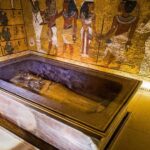
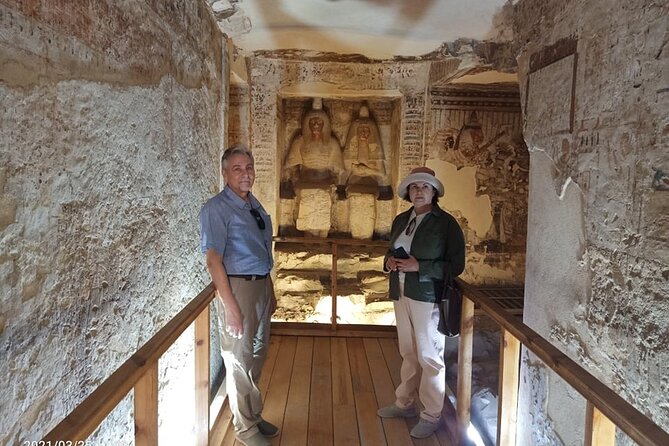
Then comes the big decision point: the Tomb of King Tutankhamun (Tut). The time for this stop is about 30 minutes, and the admission ticket is not included. The idea is simple: you can add it if you want, by purchasing the extra ticket on the spot.
If Tutankhamun is your main reason for being in Luxor, I recommend treating this as a priority rather than a maybe. The optional ticket changes both cost and decision-making, and it’s better to commit when you still have energy.
If you’re more interested in the broader burial landscape and the major temple sites, you may find that the day still feels complete without it. Since the Valley of the Kings stop already gives you a long focused window, skipping the Tut add-on can still leave you with a strong West Bank experience.
Colossi of Memnon: A Short Stop With Big Context
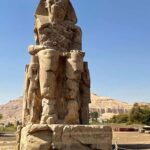
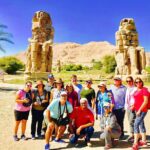
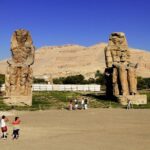
After the bigger West Bank sites, the itinerary includes the Colossi of Memnon. This is what remains of the mortuary temple of Amenhotep III, so you’re looking at fragments of something much larger than what’s standing today.
The visit is brief—about 20 minutes—with admission included. That short timing works because this stop is more about grounding your understanding than spending an entire afternoon here. You get to connect the dots: burial landscapes, mortuary temples, and how power and worship were linked.
It’s also a helpful reset after tomb-heavy thinking. You can take a breath, look at what’s left, and re-orient toward the East Bank shift that happens next.
A few more Luxor tours and experiences worth a look

Luxor Temple on the East Bank: Switching From Burial to Worship
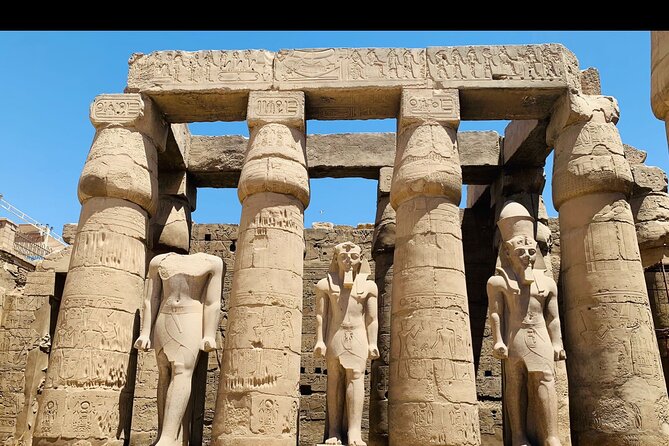
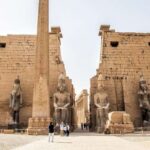
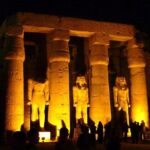
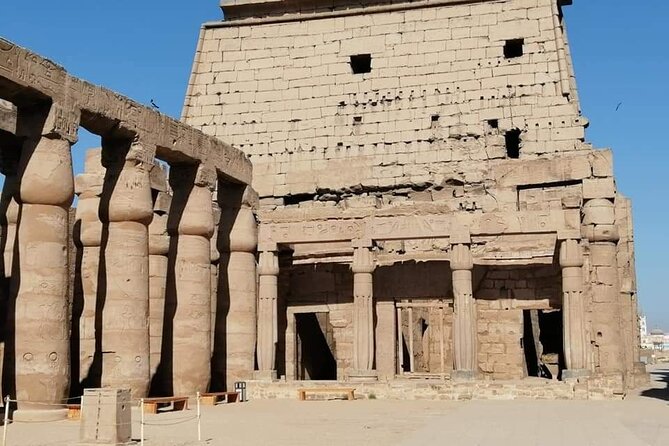
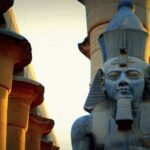
Now you cross over to the East Bank for Luxor Temple. This stop is about 2 hours with admission included. Luxor Temple was built by Amunhotep III in the 18th Dynasty during the New Kingdom and later completed by Ramses II in the 19th Dynasty.
That layering matters. You’re not just visiting one moment in time. You’re seeing a temple that reflects how rulers continued projects across dynasties. With a guide, you’ll understand why those transitions matter for how the site functioned.
This is also where you can start to feel how temple spaces shaped daily life and ceremonies. If the West Bank made you think about death and afterlife planning, the East Bank begins to shift your focus toward religious practice.
Karnak Temple: The Place That Changes How You View Scale
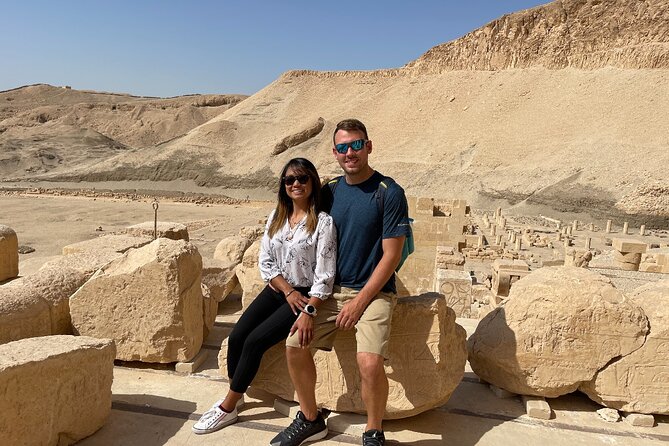
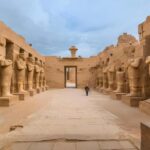
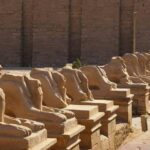
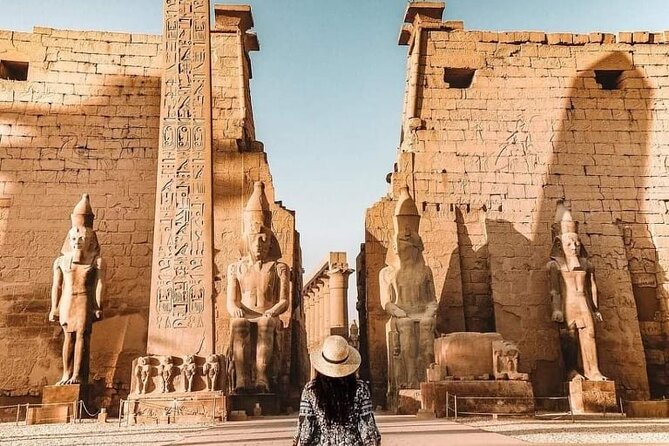
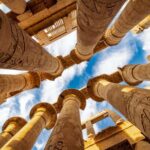
The final major stop is Temple of Karnak, scheduled for about 2 hours with admission included. Karnak is described as one of the greatest examples of worship in history, and the experience is built around that sense of dedication—especially to the god Amon, along with Mut and Khonsu.
Karnak’s construction spans a wide timeline, from the beginning of the Middle Kingdom through the Graeco-Roman Kingdom. That’s a lot of time for stone, ritual, and political changes to stack up. This is why the guide’s role is so important here: without explanation, it’s easy to walk through and just see ruins.
With the Egyptologist guide, the site becomes more than architecture. You start to connect what you’re seeing with the deities, the evolving purpose of the complex, and the way different periods added to the whole.
If you’ve ever wished a temple tour felt more like a guided conversation instead of a checklist, this is where that happens.
Guide Impact: What Makes This Day Feel Worth It
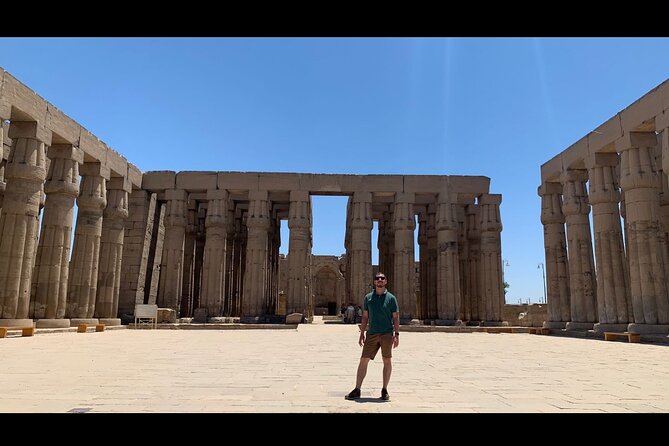
A big reason this tour earns top marks is the quality of the guidance. One highlighted guide name is Hazem (spelled a couple ways), and the consistent theme is clear, detailed explanations at each stop. In other words, you’re not just shown where to stand. You’re taught how to look.
That’s what turns entrance tickets into a real experience. Valley of the Kings and Karnak can be overwhelming if you don’t know what matters. When your guide walks you through the key details, you leave with more than photos—you leave with structure in your understanding.
You also get real flexibility for small requests. That matters on a day that includes multiple sites and a longer walking/stopping rhythm.
Price and Value: What $127 Buys You (and What It Doesn’t)
At $127 per person, the value here comes from bundling the big costs into one package. You get hotel pickup and drop-off, a qualified Egyptologist guide, water during the tour, and entry/admission for the core stops.
Included entrances cover:
- Valley of the Kings
- Temple of Hatshepsut at Deir el Bahari
- Colossi of Memnon
- Luxor Temple
- Temple of Karnak
Most entrance fees are included, and that’s the key part for value. Buying each site separately tends to add up fast, and it also means more friction—less time for the guide to explain, and more time spent handling paperwork and lines.
What’s not included:
- The Tomb of King Tutankhamun ticket
- Drinks (water is provided)
- Tipping
So if you’re planning to add Tutankhamun, that’s the one extra cost you should expect. Also consider that the optional ticket can influence how smooth the day feels, since it’s an extra decision you’ll make on the spot.
If you prefer to pay once and focus on the experience, this package structure is a strong fit.
Who This Tour Is Best For
This is a great choice if you want to see a lot of Luxor without getting bogged down. The private format suits couples, families, and friends who want a guided day that still feels personal.
It’s also ideal if you like history but don’t want to spend your limited vacation time sorting out how sites connect. The itinerary already sets up the storyline—West Bank burial world first, then East Bank temple world—so you can follow along instead of researching on the fly.
If you only want one or two places, this might feel like too much. But if you want a full Luxor day that covers the big “musts” with a guide, it hits that sweet spot.
Weather and Comfort: How to Prepare for a Day Out
The tour notes that good weather is required. If conditions aren’t suitable, you’ll be offered a different date or a full refund.
On a practical level, you’ll want to dress for a long day outdoors and plan for sun, heat, and walking. You do get water during the tour, but drinks are not included, so don’t count on bottled extras beyond what’s provided.
This is also the kind of day where comfortable shoes matter. Many stops involve uneven steps or surfaces and a lot of standing to take in details.
Should You Book This Private Full-Day East and West Luxor Tour?
I’d book it if you want one guided day that delivers the biggest Luxor names across both banks, with hotel pickup, water, and most admissions handled for you. The guide-driven format is the real advantage—especially for Karnak and the Valley of the Kings, where context changes everything.
Skip it (or plan more carefully) if Tutankhamun is your only priority and you’d rather control every ticket detail yourself. The optional Tut visit is manageable, but it’s an extra step and a non-included cost.
If you’re trying to make the most of a limited time window in Luxor, this tour’s structure is hard to beat: West first for burial, then East for worship, all in one clean, private day.
FAQ
What’s included in the tour price?
The tour includes hotel pickup and drop-off, a qualified Egyptologist guide, water during the tour, and entry/admission for Luxor Temple, Temple of Hatshepsut at Deir el Bahari, Valley of the Kings, Temple of Karnak, and Colossi of Memnon. Most entrance fees are included.
Is the Tomb of King Tutankhamun included?
No. The Tomb of King Tutankhamun (Tut) is an optional visit that requires an additional ticket, which you can buy on the spot. Admission to this tomb is not included.
How long is the tour?
The duration is about 8 hours. The itinerary includes time blocks such as around 3 hours at the Valley of the Kings, about 2 hours at Deir el Bahari, about 2 hours at Luxor Temple, and about 2 hours at Karnak.
Are drinks included?
Water is provided during the tour, but drinks are not included.
Is airport pickup included?
Airport pickup is not included. There’s an airport pick up and drop off supplement of $10 per person.
What happens if the weather is bad or I need to cancel?
The experience requires good weather. If it’s canceled due to poor weather, you’ll be offered a different date or a full refund. You can cancel for a full refund up to 24 hours in advance; within 24 hours, no refund is provided.