REVIEW · LUXOR
Luxor: Valley of The Kings and Hatshepsut Temple Day Trip
Book on GetYourGuide →Operated by Emo Tours Sweden · Bookable on GetYourGuide
A quiet morning in Luxor turns into three major West Bank stops, all in one day. I like this trip most for the guided storytelling that connects the tombs, the temple of Hatshepsut, and the Valley of the Kings into one clear timeline. The main trade-off is the early start means you will feel the heat if you come late to the day.
Two things I really value here: private, air-conditioned transfers between sites, and a guide who explains details in a way that actually sticks. If you prefer a slow, unguided walk, you might find the structure a bit tight for a full free-roam day.
In This Review
- Key moments you should care about
- A 7:00 am West Bank run: timing and transport that actually help
- Valley of the Kings: royal tombs you can track by name
- What to notice inside the tombs (so it feels less random)
- Why the guide is the main attraction on this trip
- Hatshepsut at El Dir El Bahari: Egypt’s female pharaoh, explained clearly
- A temple visit that feels like learning, not reading
- Memnon Colossi: the twin statues tied to Amenhotep III
- Comfort and pacing: private A/C makes a difference on a hot day
- Price and value: what $64 buys you (and what to plan for)
- Who should book this Luxor West Bank day trip?
- Should you book this tour?
- FAQ
- FAQ
- What time is pickup for this Luxor West Bank day trip?
- What sites are included in the day?
- Is the tour guided, or self-guided?
- Does the price include entrance fees?
- What languages are available for the tour guide?
- Where can the day trip end?
Key moments you should care about
- 7:00 am pickup keeps you ahead of Luxor’s heat
- Private A/C vehicle means less time baking between stops
- Royal tomb names you’ll hear clearly, including Tutmosis I and Tut-Ankh-Amon
- Hatshepsut at El Dir El Bahari: the only pharaonic woman who reigned in Egypt
- Colossi of Memnon: giant sentinels linked to Amenhotep III’s mortuary temple
A 7:00 am West Bank run: timing and transport that actually help
The tour starts with pickup at 7:00 am from your hotel or Nile cruise in Luxor. If you are arriving and want a day plan right away, pickup can also happen from Luxor airport, and the day can end at the airport too. This matters because the West Bank sites are not something you want to rush in the hottest hours.
The in-between travel is handled with a private, air-conditioned vehicle, so you are not spending your energy fighting dust, heat, or long waits. It sounds simple, but it changes how you experience the sites. You reach each stop with enough focus to take in the story the guide is telling.
One small practical note: this is a structured day trip, so plan your expectations around “see the main highlights” rather than “wander for hours.” If your goal is deep exploration of one tomb or one temple at a slow pace, you may prefer a longer, single-site visit.
A few more Luxor tours and experiences worth a look
Valley of the Kings: royal tombs you can track by name
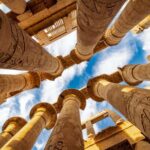
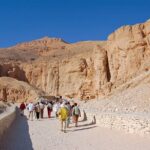
The Valley of the Kings is where the day becomes real, fast. This is the burial ground for multiple kings, built for centuries of remembrance, and it is famous for the wall paintings that turn stone into something you can almost read. With a guide, you do not just see a tomb number—you hear who lived, ruled, and was meant to be remembered.
You will visit key tombs including Tutmosis I, Tutmosis III, Tut-Ankh-Amon, Ramesses VI, Merneptah, and Amonhotep II. That list is useful because it gives you a map for what you are looking at. You start to recognize names as part of a larger family tree instead of isolated trivia.
What I like here is that the guide focuses on the “why” of the architecture—how the burial design and decoration fit the beliefs of the time. If you have ever felt lost inside a tomb because everything looks similar, this is the type of tour setup that helps you notice differences instead of just taking photos.
What to notice inside the tombs (so it feels less random)
Wall paintings can be overwhelming if you are seeing them for the first time. With a private guide, you get help picking out key scenes and understanding what they are doing in the overall burial idea. The payoff is that the art becomes part of the historical story, not background decoration.
Also, do not underestimate how quickly your attention changes in dark tomb interiors. Having someone explain the context before you step in helps you stay oriented even when the spaces feel repetitive. That is one reason this tour is so popular for first-timers who want meaning, not just sights.
Why the guide is the main attraction on this trip
If you take one thing from the reviews and from how this tour is designed, make it this: the guide quality is a standout part of the experience. People consistently mention a guide who is friendly, professional, and very good at answering questions. English communication is also highlighted as clear and easy to follow.
That kind of guide matters because the Valley of the Kings and Hatshepsut’s temple are not museum labels on a screen. You are looking at places where you need context to understand what you are seeing. When the explanation is good, you move through the site with purpose.
This is also where the experience becomes more personal in a good way. Several mentions point to a guide who is attentive and interactive, taking time to explain details instead of racing through the day. In Luxor, that difference is huge: it turns a checklist into a story you remember.
Hatshepsut at El Dir El Bahari: Egypt’s female pharaoh, explained clearly
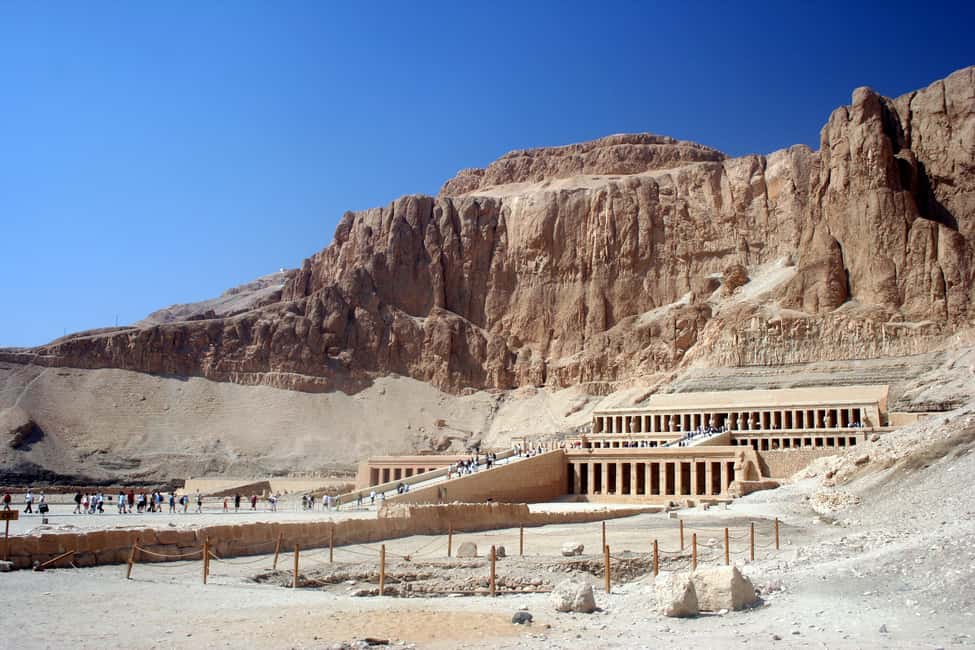
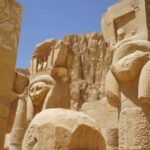
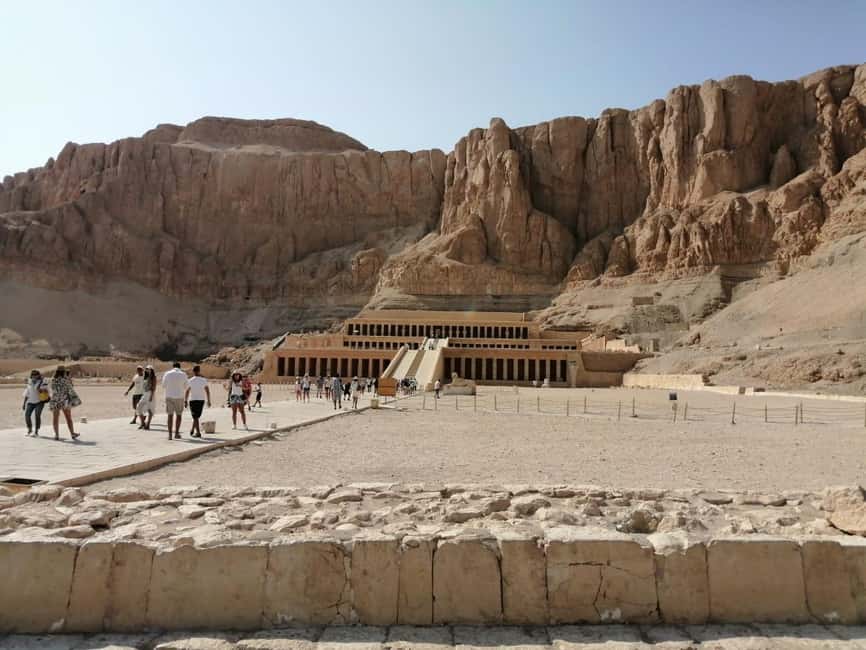
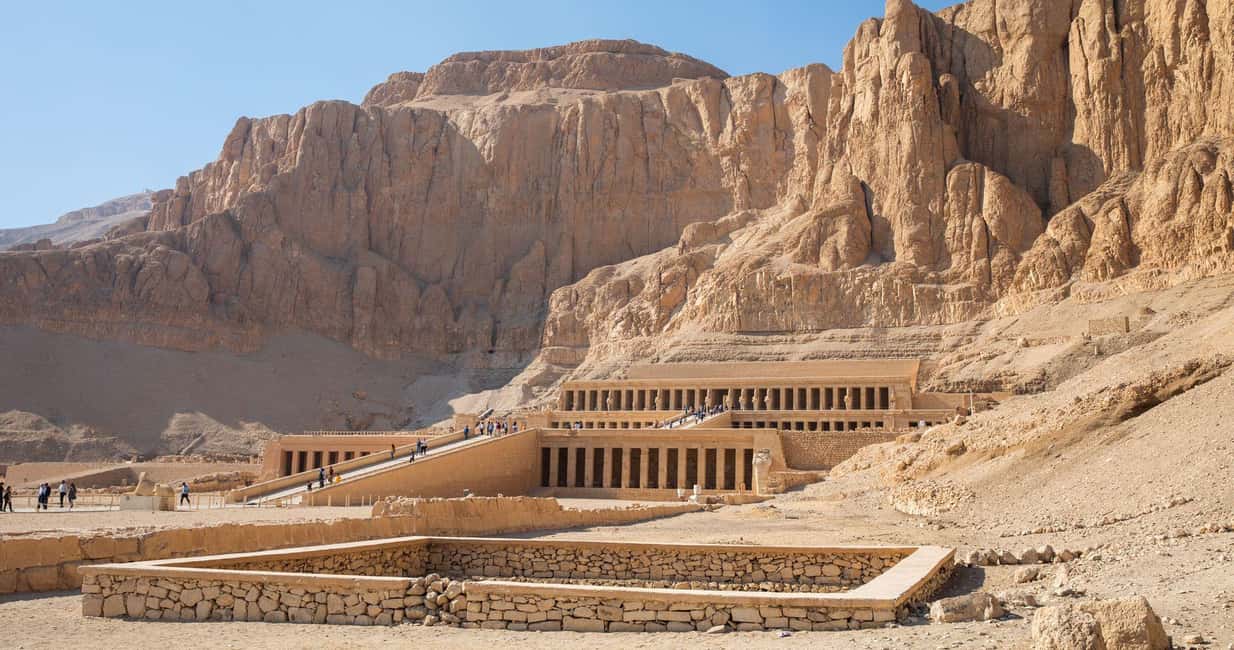
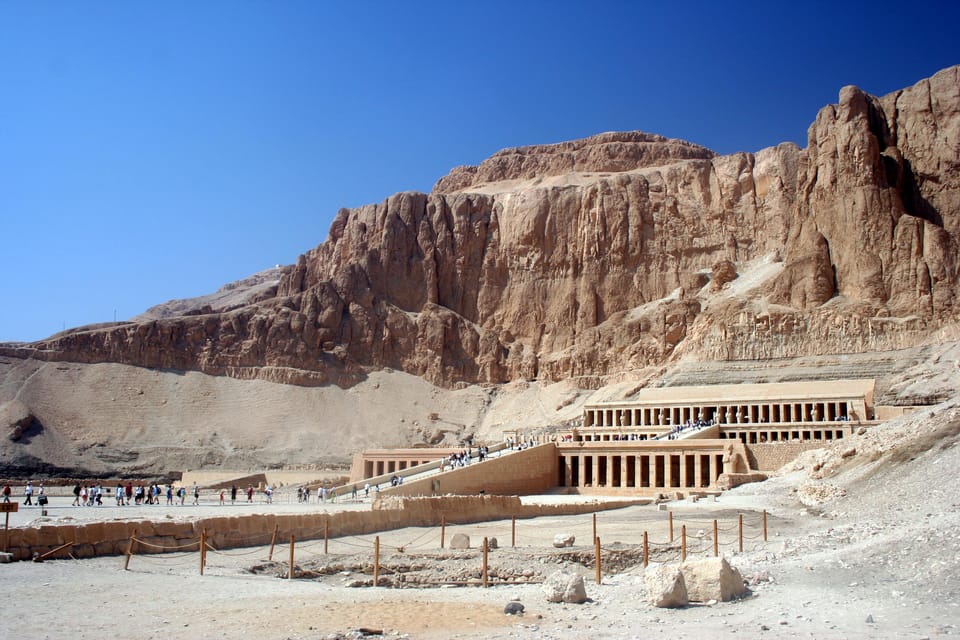
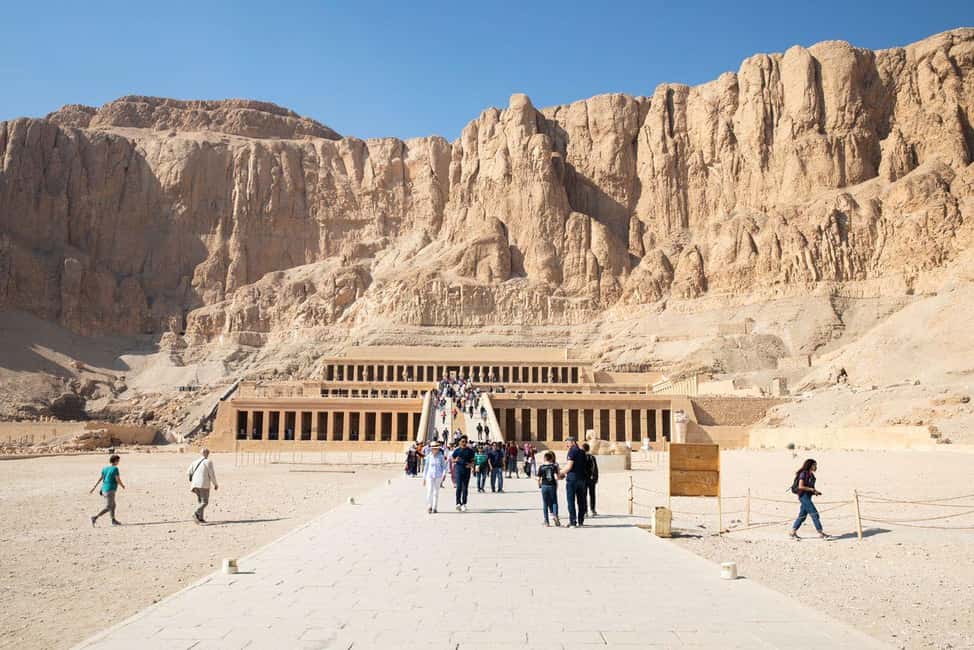
Next comes the temple of Queen Hatshepsut, known as El Dir El Bahari. This stop is the perfect contrast to the Valley of the Kings because you shift from royal burial spaces to a monumental religious-political statement. You are there for the legacy of Hatshepsut herself—built by her and tied to her place as the only pharaonic woman who reigned in ancient Egypt.
The key context you get is that Hatshepsut was the daughter of Thutmosis I, and she ruled Egypt for about 20 years during the 18th Dynasty. That timeline detail is not just academic; it helps you connect the temple to the reign you heard about earlier in the day. It stops the sites from feeling like separate chapter titles.
I also like that the tour does not treat the temple as an optional extra. It is positioned as a major highlight, which makes sense. Hatshepsut’s story is one of the most compelling angles on the West Bank—and a good guide keeps it understandable even if you are new to Egyptian history.


A temple visit that feels like learning, not reading
A temple can turn into “big stone and stairs” if you do not have guidance. With a private guide, you get help seeing how the site functions and why it was built. That is the difference between looking at a famous landmark and understanding why it earned that fame.
Memnon Colossi: the twin statues tied to Amenhotep III
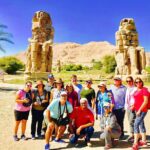
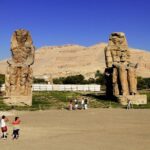
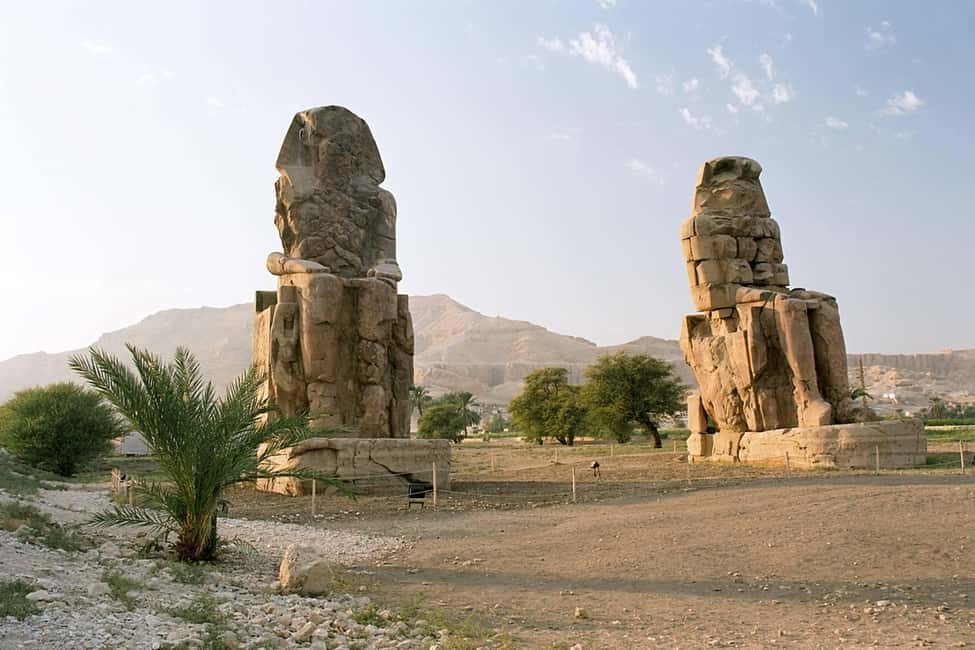
After the temple, you head to the Colossi of Memnon, the famous giant twin statues. These are the remains of the mortuary temple of Amenhotep III, which gives this stop a strong link to the earlier royal theme. You start seeing the West Bank as a network of royal memory, not a random string of monuments.
The tour frames the Colossi as part of the ancient Theban Necropolis, which helps you place them in the bigger picture. When you hear that context, the statues stop being just impressive size. They become markers of a whole religious and political system.
One practical benefit here: this is a more open-air stop than tomb interiors. If you feel a bit “tomb fatigue” later in the morning, the Colossi can reset your attention because you can actually take in the space around you. A guide can also help you keep the story straight while you are looking at details from a distance.
Comfort and pacing: private A/C makes a difference on a hot day
Luxor days on the West Bank can get tiring, mainly because of heat and the time you spend moving between sites. This trip solves part of that problem with private air-conditioned vehicles for transfers, which keeps you functioning instead of slogging.
The day is also organized around three core stops that connect well with each other. You move from royal burials (Valley of the Kings) to royal commemoration and religious meaning (Hatshepsut’s temple), then to monumental remnants (Colossi of Memnon). That flow is helpful, especially if you have limited time.
The other comfort factor is simplicity: you get pickup, transfers, entrances, guiding, and a bottle of water handled for you. That reduces decision fatigue. You can focus on learning and seeing, not on logistics.
Price and value: what $64 buys you (and what to plan for)
At $64 per person, this trip is positioned as a budget-friendly way to cover several top West Bank highlights. The value comes from the bundle: private guide, private A/C transfers, and entrance fees to all mentioned sites are included, plus a bottle of water.
That is important because entrance fees and guided time add up quickly if you try to piece the day together on your own. If you are traveling with limited time in Luxor, paying for a guided set of major stops can be cheaper than coordinating multiple separate tickets and guides.
The one item not included is tipping. That is normal for Egypt tours, but it is still something you should budget for. Also, since the day is structured, you should be ready for a “guided highlight” pace rather than free roaming.
Who should book this Luxor West Bank day trip?
This tour makes the most sense if you:
- Want the main West Bank highlights in one day without planning the logistics
- Like learning with context, especially when it comes to tomb histories and temple meaning
- Appreciate a guide who explains clearly and answers questions (this is a repeated praise point)
- Prefer comfortable transfers with air-conditioning rather than long, uncomfortable waits
It may be less ideal if you:
- Want to spend a lot of time inside one tomb or one section of the temple without moving on
- Get cranky in heat unless you arrive and start early (the schedule’s early timing is one of its strengths)
Should you book this tour?
I think you should book if you want a smart, cost-conscious West Bank day where the guide turns famous sites into understandable stories. The stand-out strength here is the quality of the explanation—friendly, professional, and attentive—with English communication called out as very good. Add the private A/C transfers and included entrance fees, and the $64 price feels like it is doing real work for you.
Just be honest about your style. This is built for a full itinerary of major highlights, and that means less freedom to linger everywhere. If your priority is learning quickly and seeing the essentials without stress, this is a solid choice.
FAQ
FAQ
What time is pickup for this Luxor West Bank day trip?
Pickup is at 7:00 am from your hotel or Nile cruise in Luxor. Pickup can also be arranged from Luxor airport.
What sites are included in the day?
You visit the Valley of the Kings, the Temple of Queen Hatshepsut (El Dir El Bahari), and the Colossi of Memnon.
Is the tour guided, or self-guided?
It is a private tour with a private tour guide.
Does the price include entrance fees?
Yes. Entrance fees to all mentioned sites are included, along with a bottle of water.
What languages are available for the tour guide?
The tour is available in Arabic and English.
Where can the day trip end?
The tour includes return to your hotel in Luxor, and it can also end at Luxor airport.