REVIEW · LUXOR
Day Tour: East and West Banks of Luxor
Book on Viator →Operated by Imperialegypt · Bookable on Viator
Luxor can feel like a museum you never leave. This tour strings together the East and West Banks so you get the big names in one go, with a guide and lunch in the middle. I love the West Bank tomb focus plus the East Bank temple payoff. One thing to plan for: it’s a lot of ground, so the pace can feel tiring if you want slow museum-style time.
You’ll start around 8am with hotel pickup and a private-vehicle ride, then bounce between tombs and temples all day. The best part is how the route connects stories: royal power on the West Bank, then daily religion and empire on the East Bank. My main caution is practical: entrance fees are extra, and tipping expectations can be awkward if you don’t budget for them.
In This Review
- Key things to know before you go
- The East and West Banks loop: why this route works in a day
- Morning pickup and the pace you should expect (about 3 hours on paper)
- Valley of the Kings: choosing tombs inside the UNESCO mountains
- Deir el Bahari and the Hatshepsut temple terraces: power made stone
- Lunch in Luxor: what included food buys you (and what it doesn’t)
- Karnak Temple’s Great Hypostyle Hall: focus like a pro
- Luxor Temple: a calmer ending after the big East Bank
- Entrance fees and price value: the $29 part vs the real spend
- Pickup details, mobile ticket, and how to handle the day smoothly
- Guides, tips, and the awkward part nobody loves
- Who should book this East and West Banks tour
- Should you book this East and West Banks tour?
- FAQ
- How long is the East and West Banks of Luxor tour?
- Is hotel pickup and drop-off included?
- What’s included in the tour price?
- Do I need to pay entrance fees?
- Is this a private tour?
- What time does the tour start?
- Can I cancel for a full refund?
Key things to know before you go
- East and West Banks in one day means a tight schedule, not a relaxed stroll.
- Hotel pickup is included for selected hotels, so confirm you’re in the pickup zone.
- Lunch is included at a local restaurant, but drinks aren’t.
- Entrance tickets cost extra (Valley of the Kings, Hatshepsut, Karnak, Luxor Temple are listed separately in LE).
- Small group cap (up to 15) helps, even though it’s described as private.
- Guide quality matters: many named guides like Hany, Mido, Hady, Amr, Mohammed, Wael, and Ashraf show up in recent experiences, so aim to match expectations early.
The East and West Banks loop: why this route works in a day
If you only have one day in Luxor, this style of tour is built for you. Starting on the West Bank and finishing on the East Bank keeps the story clear: death and the afterlife first, then living worship and state power. You also avoid the all-too-common problem of doing just half the Nile scenery.
The value isn’t just that you visit five major sites. It’s that you’re shown how they relate. The West Bank stops revolve around royal tombs in the mountains, then Deir el Bahari and Ramses-era temples add layers of dynasties and building styles. After lunch, Karnak’s scale hits you like a wall of stone, then Luxor Temple gives you a cleaner, more intimate final impression.
You can also read our reviews of more tours and experiences in Luxor.

Morning pickup and the pace you should expect (about 3 hours on paper)
The duration shown is about 3 hours (approx.), but the stop list is heavy: Valley of the Kings, Deir el Bahari, Colossi of Memnon, Medinat Habu, Karnak, and Luxor Temple, plus lunch. In real life, that usually means an efficient, guided walkthrough style. You’ll have moments to look around, but you likely won’t linger at every corner.
Pickup starts around 8am from a central Luxor hotel, then you head straight to the West Bank. This early start matters. It’s the difference between comfortable viewing and heat-induced rushing, especially when you plan to go inside tombs.
Valley of the Kings: choosing tombs inside the UNESCO mountains
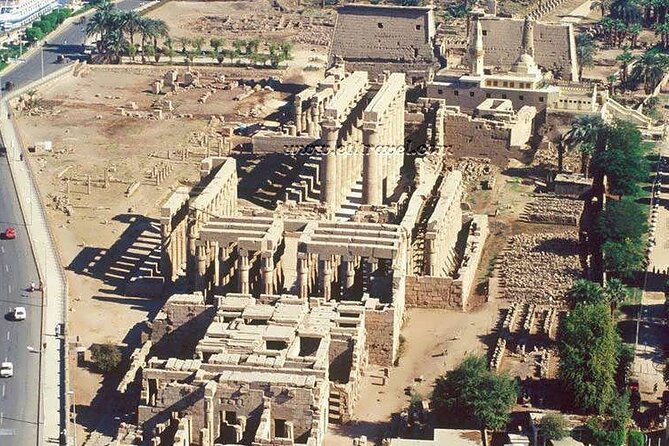
You begin on the West Bank at the Valley of the Kings (Necropolis of Thebes). The setting alone is worth it: rugged hills that held over 63 royal tombs, with dates stretching back to the 2nd century BC. Your guide helps connect what you see to who built it and why.
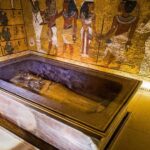
The tour focuses on entering select tombs rather than touring every single one. The names given for tomb visits include Tutmosis I, Tutmosis III, Tut-Ankh-Amon, Ramses VI, Merneptah, and Amonhotep II. That’s a great mix because it shows different reigns and changes in artistic choices over time.
A quick reality check: tomb interiors can feel tight and dim, and the air can be stuffy. If you’re the kind of person who hates claustrophobic spaces, plan for it. Going early helps. Also, keep your pace in mind. This is the part of the day where you’ll decide how much you want to read versus how much you want to simply look and absorb.
Deir el Bahari and the Hatshepsut temple terraces: power made stone
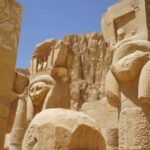
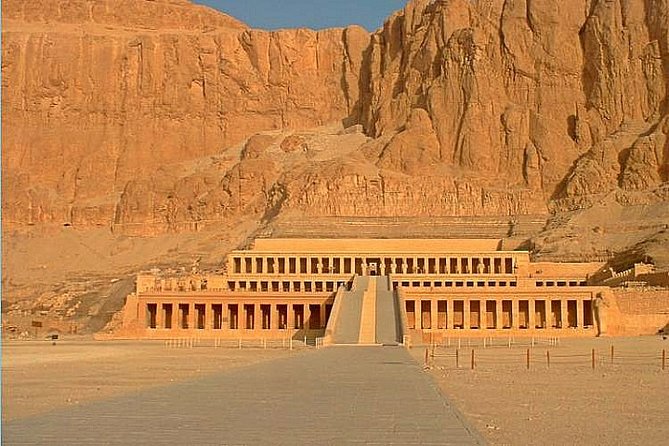
Next comes the temple of Queen Hatshepsut at Deir el Bahari. This is one of Luxor’s most visually striking stops because the temple layout rises in terraces, like architecture designed to climb toward the sky. It’s also historically meaningful because Hatshepsut ruled at a time when major royal projects shaped how Egypt remembered itself.
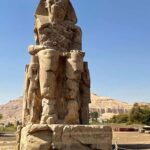
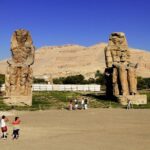
Your route also includes the Colossi of Memnon. These are the famous standing statues tied to the Theban tradition of monumental memory. Even if you’ve seen pictures before, seeing their scale in person is different. They’re big enough to make you feel how literal ancient builders were about impressing visitors.
Then you continue to the Temple of Medinat Habu (Temple of Ramses III). This stop gives you a Ramses-era temple moment that balances the West Bank tomb experience. If your brain starts to overload from tomb names and dates, this is a good reset: look for the architectural details and the way the temple expresses royal authority.
Lunch in Luxor: what included food buys you (and what it doesn’t)
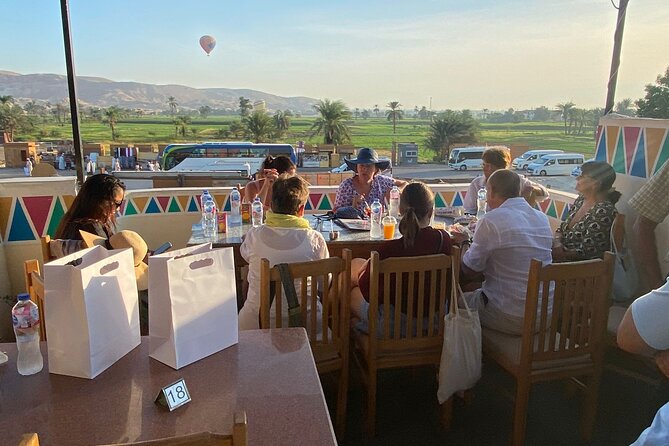
Lunch is included, and it’s described as a typical Egyptian lunch at a local restaurant. This matters more than it sounds. With a day this full, having food handled for you is real value, not a small perk.
Plan around what’s not included: drinks aren’t. The tour includes bottled water, which is helpful, but if you’re someone who likes soda or juice, bring cash or plan to purchase on site.
Also, keep your energy in mind. A lot of the exhaustion people feel late in the day comes from being hungry earlier and pushing through anyway. Use lunch to cool down, rehydrate, and take a short breather before crossing back to the East Bank.

Karnak Temple’s Great Hypostyle Hall: focus like a pro
After lunch you cross over to the East Bank for Karnak Temple. This is one of Egypt’s heavyweights. The complex dates from roughly 2055 BC to 100 BC, which means you’re looking at layers of decisions made across generations.
Your guide brings you through major features such as:
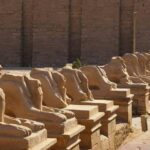
- Avenue of the Sphinxes
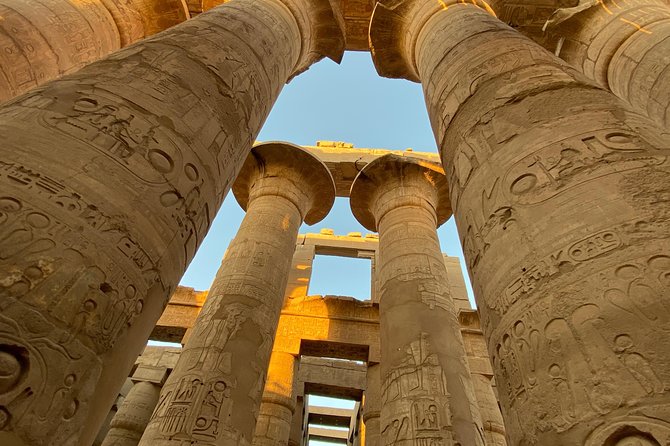
- Great Hypostyle Hall
- Sacred Lake
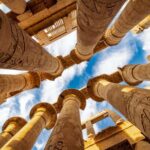
If you try to absorb everything at once, Karnak can overwhelm you. My practical advice: pick a few targets and let the rest be atmosphere. In the Great Hypostyle Hall, for example, focus on the forest of columns and how the space channels your attention upward. On the Avenue of the Sphinxes, focus on scale and procession—how a long approach would feel as ritual space.
Many people say Karnak is their favorite. I get why. It’s the kind of place where your first look is wow, but your second look is wow again—because there’s always another pattern, another wall carving, another axis line pulling your eyes forward.
Luxor Temple: a calmer ending after the big East Bank
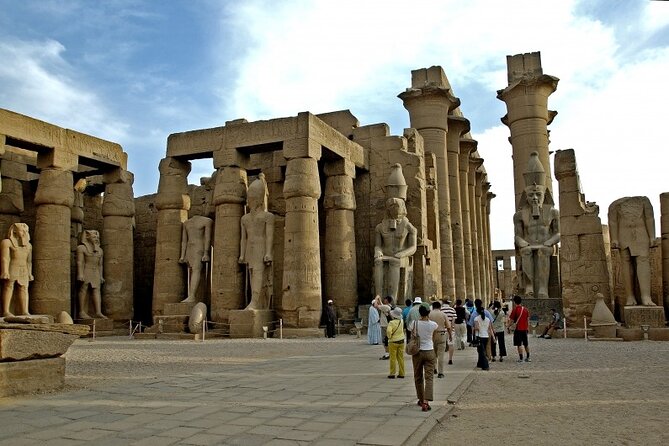
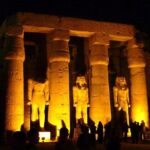
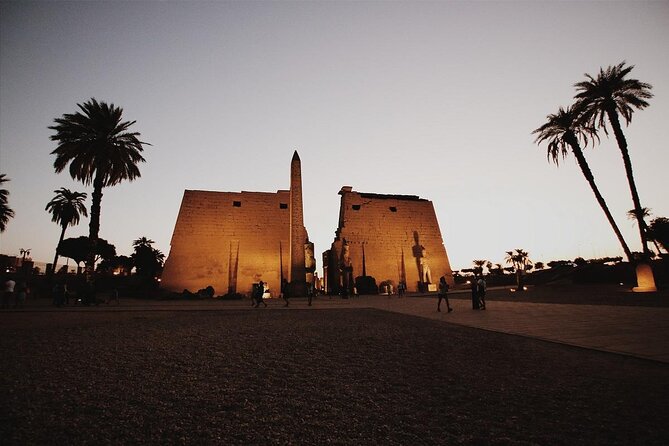
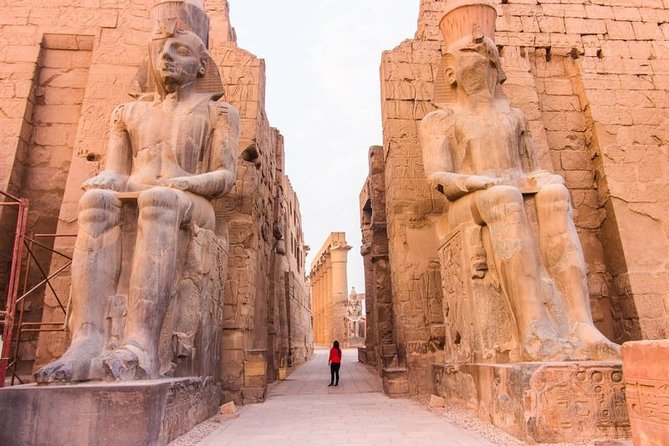
Your final major stop is the Temple of Luxor, built by Amunhotep III in the 18th Dynasty and completed by Ramses II in the 19th Dynasty. This is a strong capstone because it feels more like a single story after the size and sprawl of Karnak.
If you want a last impression that’s easier on the brain, Luxor Temple is a good move. You’re not walking a maze of halls; you’re getting a clearer sense of how the temple functioned and what the different dynasties left behind.
Entrance fees and price value: the $29 part vs the real spend
The tour price is listed at $29 per person, but the key is what’s included and what you pay separately.
- You pay extra for site entrances:
- Valley of the Kings: 240 LE
- Hatshepsut Temple: 140 LE
- Karnak Temple: 200 LE
- Luxor Temple: 160 LE
- Lunch is included, and you get bottled water.
- Drinks aren’t included.
So is it good value? Usually, yes—because you’re getting a guided, organized route with pickup/drop-off and a lunch break. But I’d treat entrance fees as part of the real budget, not as an afterthought. If you’re comparing options, price-shop with the full day cost in mind, not just the $29 headline.
Pickup details, mobile ticket, and how to handle the day smoothly
You get hotel pickup and drop-off (selected hotels only), plus a mobile ticket. That combination helps when you’re short on time, because you’re not wasting the morning tracking down the right entrance or figuring out transport.
On the ground, the smoothest day usually comes from two moves:
- Have cash ready for entrance fees and any extras.
- Plan for heat and walking. Even if the schedule is efficient, you’ll still be outside for long stretches.
If your hotel isn’t on the pickup list, you might need to adjust expectations. Also, if your guide assignment isn’t crystal clear after booking, confirm before the day starts. Some experiences have suggested you may need to explicitly request or confirm guide coverage, so don’t wait until pickup time.
Guides, tips, and the awkward part nobody loves
This tour is built around an Egyptologist-style guide, and the guide quality can make or break the experience. In real Luxor, good guides don’t just point. They explain what you’re seeing and help you understand why it matters.
You’ll often hear names like Amr, Mohammed, Hady, Wael, Ashraf, and Mido tied to strong experiences, plus drivers like Hagag praised for getting everything timed well. That’s a good sign for communication and comfort.
Now for the human part: tipping. One experience described a guide operating with a strong tips expectation, which can feel uncomfortable if you’re not sure what amount is appropriate. Another mentioned the guide wasn’t happy about how tips were handled. So here’s my practical advice: decide your tip budget in advance, and keep it simple. If your guide is doing real interpretation and walking you through tomb details, factor that into what you plan to give.
If you’re not sure about local tipping norms for your situation, you can ask your guide or driver directly in a respectful way before the day gets intense.
Who should book this East and West Banks tour
This works best if:
- You’re visiting Luxor with limited time and want the main highlights on both banks.
- You like a guided explanation rather than wandering alone.
- You can handle a packed schedule without needing long, slow photo sessions at every stop.
It might not be ideal if:
- You want deep, unhurried time in the Valley of the Kings. Tomb selection and interior time naturally limit how much you can see in one morning.
- You prefer a more relaxed day with fewer moving pieces. People often mention the feeling of exhaustion late in the route, and this plan is built to cover a lot.
Should you book this East and West Banks tour?
If your goal is to get the classic Luxor highlights—Valley of the Kings, Hatshepsut at Deir el Bahari, Karnak, and Luxor Temple—in one organized day, I’d say this is a smart choice. The included hotel pickup and lunch make the logistics easier, and the guide-driven route helps you connect the sites instead of treating them like random stops.
Just go in with two expectations set: the schedule is tight, and entrance fees are extra. If you can manage that, you’ll get a lot of ancient Egypt for your time, and you’ll leave with the clearest overview you can ask for in a single day.
FAQ
How long is the East and West Banks of Luxor tour?
The tour duration is listed as approximately 3 hours, but it includes multiple major sites and lunch, so the day can feel fast-paced depending on time spent at each stop.
Is hotel pickup and drop-off included?
Yes. Hotel pickup and drop-off are included for selected hotels only.
What’s included in the tour price?
The tour includes bottled water, hotel pickup and drop-off (selected hotels only), and a typical Egyptian lunch.
Do I need to pay entrance fees?
Yes. The tour description lists entrance fees that are not included, including Valley of the Kings (240 LE), Hatshepsut Temple (140 LE), Karnak Temple (200 LE), and Luxor Temple (160 LE).
Is this a private tour?
It’s described as a private full-day tour with a qualified Egyptologist guide, and the maximum group size is listed as up to 15 travelers.
What time does the tour start?
Pickup is scheduled from your central Luxor hotel for an 8am departure.
Can I cancel for a full refund?
Yes. Free cancellation is available up to 24 hours before the experience’s local start time for a full refund.