REVIEW · LUXOR
Private Full-Day Tour of the East and West Banks with lunch
Book on Viator →Operated by cheap tours · Bookable on Viator
Luxor hits hard on both banks. This private full-day tour strings together Egyptologist explanations and an included lunch as you move from West Bank tombs to East Bank temples in about eight hours.
I like that pickup and an air-conditioned vehicle help you lose less time to traffic, and the pace stays manageable for a full day. One thing to watch: entrance fees aren’t included, and the tour notes that Tut’s tomb isn’t covered, so your final cost may rise once you’re on-site.
In This Review
- Key highlights
- A private East and West Bank day you can actually pace
- Pickup, timing, and the 8-hour rhythm
- Valley of the Kings: Ramses III, Ramses VI, and Mrenptah
- Deir el-Bahari and Hatshepsut’s Temple: why it’s so striking
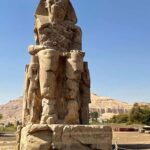
- Colossi of Memnon: Amenhotep III’s mortuary world, plus a midday reset
- Karnak Temple complex: making sense of one of the biggest sacred spaces
- Luxor Temple: your closing act on the East Bank
- Price and what’s actually included (and what can cost extra)
- The guide and driver make or break the day
- Should you book this East and West Banks private tour?
- FAQ
- How long is the East and West Banks private tour in Luxor?
- Is hotel pickup included?
- What sites are visited on the West Bank and East Bank?
- Is lunch included?
- Are entrance fees included?
- What about returning to a hotel on the West Bank?
- Is this tour private or shared?
- Is bottled water included during the tour?
- What do I receive after booking?
Key highlights
- Hotel pickup plus on-the-road refreshment with mineral water and beverages during travel
- West Bank tombs with a guided focus on Ramses III, Ramses VI, and Mrenptah
- Deir el-Bahari and Hatshepsut’s temple dedicated to Egypt’s only female ruler
- Colossi of Memnon photo stop tied to Amenhotep III’s mortuary setting
- Karnak Temple time to orient yourself with a longer stop on the East Bank
- Private, personal attention for your group, not a big coach scramble
A private East and West Bank day you can actually pace
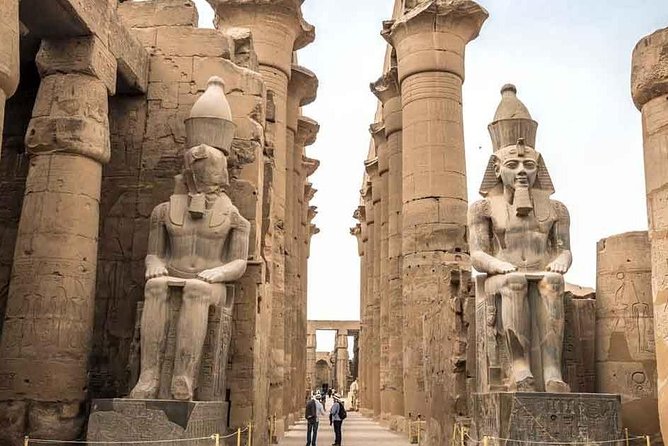
Luxor can feel overwhelming fast: temples here, tombs there, and heat that gets real by midday. This tour is built to solve that problem with a private setup and a clear circuit. You get an English-speaking Egyptologist guide and round-trip transportation from your hotel, plus a local lunch, all within an approximate 8-hour window.
The route matters. Starting on the West Bank gives you your first major wow moments before the day gets hottest. Then you shift over to the East Bank for Karnak and Luxor Temple, so by the time you’re done, you’ve seen the full Luxor story: burial power on the West, temple power on the East.
This is also the kind of day that works best with a guide who can connect what you’re seeing into one timeline. The stops are famous, but the value comes from understanding why these sites look the way they do, and what the rulers were trying to say with their monuments.
If you’re the type of traveler who likes structure—pick up, go, see the main things, and not worry about where your driver is—it’s a good fit. If you want to wander totally on your own with no guidance, you might find this format a bit more structured than you like.
You can also read our reviews of more private tours in Luxor
Pickup, timing, and the 8-hour rhythm
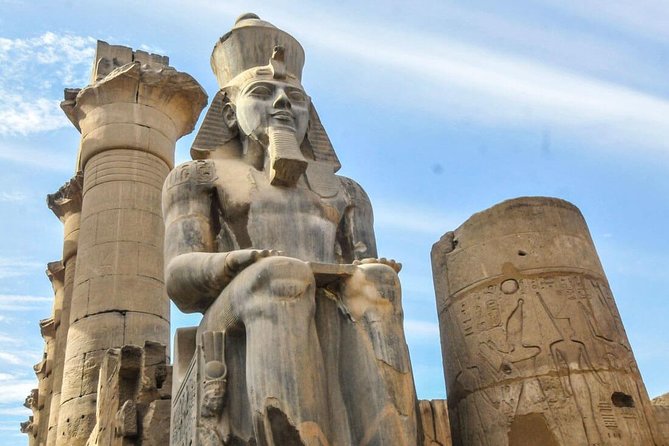
You’ll be met for pickup at your hotel reception and driven in a private air-conditioned vehicle. That means you can relax between stops instead of spending your energy bargaining for taxis or trying to decode complicated directions. You also get mineral water and beverages during travel, which helps on a long day in Egypt.
The itinerary is paced by time blocks that keep you moving but not rushed:
- Valley of the Kings: about 1 hour
- Hatshepsut at Deir el-Bahari: about 1 hour
- Colossi of Memnon: about 30 minutes
- Karnak Temple complex: about 2 hours
- Luxor Temple: about 1 hour
In real life, the exact flow depends on crowds and conditions, but the structure is solid for first-timers. You should still plan for walking on uneven ground, especially on the West Bank where tomb sites are not flat and polished.
One small practical note: the tour includes a lunch at a local restaurant, so your best strategy is to avoid over-snacking right before lunch. You’ll want your appetite after the tomb and temple walking.
Also, you’ll want your mobile ticket handy on the day. Keep it accessible on your phone in case the guide asks for it before entering.
Valley of the Kings: Ramses III, Ramses VI, and Mrenptah
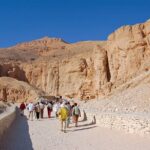
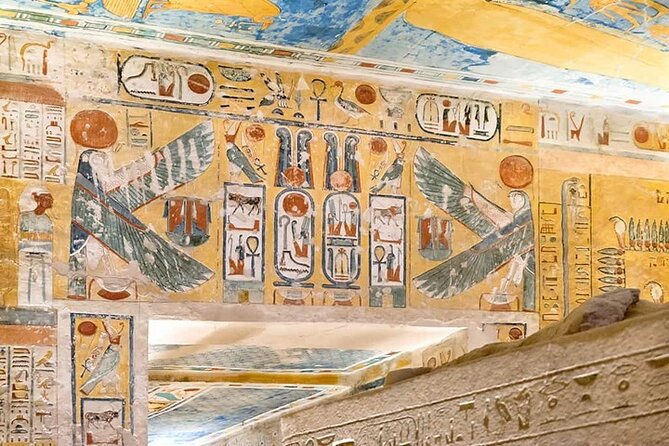
The Valley of the Kings is where Luxor’s West Bank identity comes through. This stop focuses on royal tombs—specifically the final resting places of Ramses III, Ramses VI, and Mrenptah. That choice is smart for a single-day itinerary: you get a representative set of tombs rather than trying to see everything and burning out.
What makes a guided visit here worth it is orientation. The valley’s entrances and corridors can look similar, so without a guide it’s easy to feel like you’re just walking from one dark doorway to another. With an Egyptologist, you get context on what each tomb represents and how it fits into the broader story of royal burial practices.
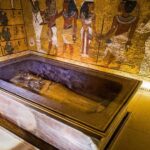
The drawback? Entrance fees are not included, and Tut’s tomb is specifically called out as not included. If Tutankhamun is your must-see, don’t assume it’s covered. Before you go, confirm which tombs you will enter and what you’ll be paying separately for any additional ones.
Since this is one of the earlier stops, you’ll generally feel better physically. Still, bring a hat and water habits. Even with the included water during travel, you may want something for stretches between stops.
Deir el-Bahari and Hatshepsut’s Temple: why it’s so striking
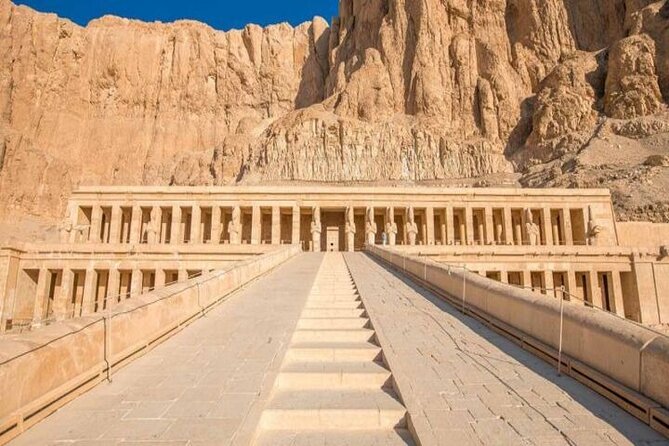
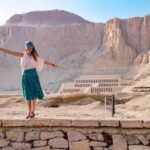
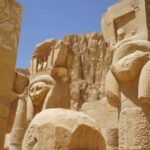
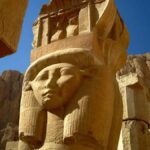
Next comes the Queen Temple of Hatshepsut at Deir el-Bahari. This is one of Luxor’s most visually dramatic sites because it’s carved into a hillside and arranged so the architecture reads like a staged message. The tour centers on Hatshepsut, dedicated to Egypt’s only female ruler who reigned for 20 years with wealth and peace.
That background matters. Without the story, you might still appreciate the shapes, terraces, and symmetry. With it, you start seeing the temple as political communication—how a ruler used monuments to legitimize power and set a tone for an era.
The stop is about an hour, which is enough time to take in the major features and get your bearings. If you’re a slow reader of stone details, you can use your guide time wisely by asking what to look for first, so you don’t spend the hour scanning randomly.
Entrance fees aren’t included here either, so plan on paying on-site as needed. Also, like most temple areas, it can be sunny. If you’re sensitive to heat, aim to keep your pauses frequent and don’t let the photo mission run your energy down.
Colossi of Memnon: Amenhotep III’s mortuary world, plus a midday reset
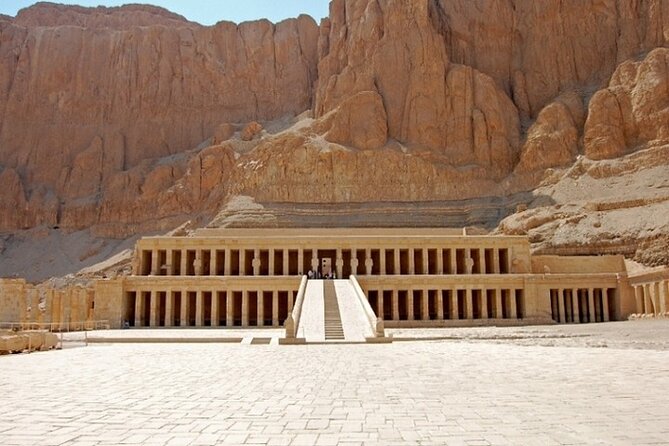
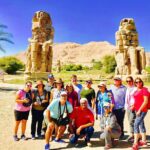
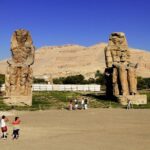
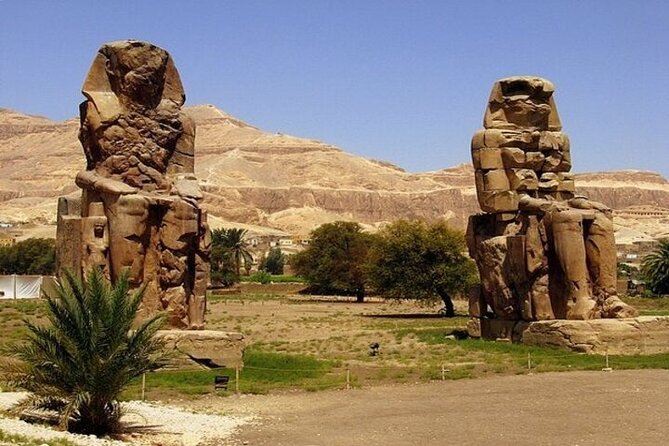
After Hatshepsut, you’ll see the Colossi of Memnon, connected to the mortuary temple of Amenhotep III. Even though it’s only a shorter stop (about 30 minutes), it’s a memorable contrast: big figures standing in place, while the larger surrounding complex has long since changed.
This is a good moment to slow down. The guide can point out how the setting relates to Amenhotep III’s burial landscape, and you get a chance to take photos without feeling like you’re racing the clock.
Then lunch happens at a local restaurant. Lunch is included, and it’s one of the easiest ways this tour adds value: you don’t have to make choices under pressure while you’re tired. You’ll also have mineral water and beverages during travel, but your lunch break is where you’ll likely feel the most comfortable resetting your day.
One practical expectation: temple time can be dusty and tiring. Eat something that won’t upset your stomach, and don’t overdo spice if you’re prone to food sensitivity. If you have dietary needs, it’s worth asking before the day begins—nothing in the tour info guarantees special meals.
A few more Luxor tours and experiences worth a look


Karnak Temple complex: making sense of one of the biggest sacred spaces
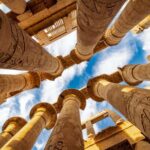
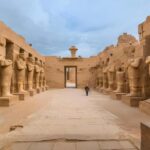
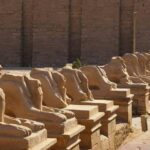
Karnak is where the East Bank really flexes. The tour schedule gives you about 2 hours at the Temple of Karnak complex, which is a key strength of this day. You’re not forced through a 20-minute highlight reel. You can actually understand the scale and how the different parts relate.
Karnak is often described as potentially the largest temple complex in the world, and even if that sounds like marketing, the feeling is real once you’re there: you walk into a space that keeps expanding around you. That can be overwhelming alone, which is why the Egyptologist guide is the real difference-maker.
Use your time at Karnak to learn the pattern:
- what temples were for
- how axis and procession work
- how power was displayed through construction over time
Your guide’s job is to help you not just see carvings, but interpret what they meant and why they mattered to rulers who were competing with history itself.
Entrance fees are not included, so you’ll likely pay on-site. If you want to minimize friction, keep small cash or be ready to follow the payment process your guide provides.
Luxor Temple: your closing act on the East Bank
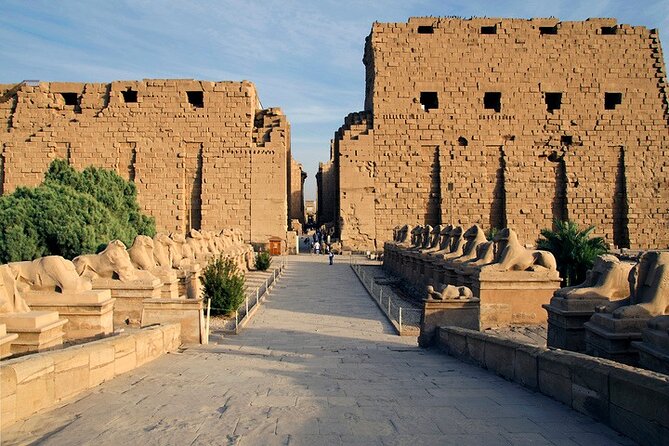
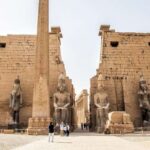
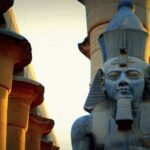
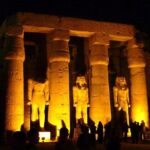
After Karnak, you’ll visit Luxor Temple. This stop is about 1 hour, and it works well as a bookend. Karnak can feel like a universe; Luxor Temple feels more direct and closer to a human scale.
Luxor Temple is a large ancient Egyptian temple, and the time here is meant for exploring and absorbing without rushing. With a guide, you’ll also get help spotting the big themes quickly—how the temple complex connected rulers, gods, and public religious life.
Entrance fees aren’t included, so plan for those add-ons too. If you’re a fan of photo moments, this is a good place to slow down and frame shots. The guide can also help you get the best angles so you don’t end up photographing the same wall everyone else does.
By the end of Luxor Temple, you’ll likely feel the contrast: burial symbolism on the West, living worship spaces on the East. It clicks into place when you’ve seen both in one day.
Price and what’s actually included (and what can cost extra)
At $40.07 per person, this tour can be strong value for Luxor, mainly because it bundles the logistics that usually cost you time: hotel pickup, an Egyptologist guide, private air-conditioned transportation, mineral water and beverages during travel, and lunch at a local restaurant. It also includes all service taxes.
But the fine print is what decides whether it’s truly a bargain for you. Entrance fees aren’t included for the historical sites, and Tut’s tomb is specifically not included. So you should treat the price as the guided transport + major sites circuit, not the full ticket package.
Another potential cost factor: the tour notes that transfers to west bank hotels on the return are extra. If your hotel is on the West Bank, ask the provider in advance what return transfer will cost and how they handle drop-off timing.
Also consider how private this is. Private means your group gets personal attention rather than getting squeezed between strangers. If you’re traveling with family or want questions answered at your pace, the value can go up fast.
If you prefer a simple day where you only pay for what you want (instead of a fixed all-in package), this structure can work nicely. Just budget for entrance fees and any optional tomb choices you care about.
The guide and driver make or break the day
This tour is guided by an Egyptologist in English, and that’s the key ingredient. With the right guide, famous monuments stop being just pictures and become readable. You can ask questions about why the tombs were built, what Hatshepsut was signaling, and how Karnak’s layout carries meaning.
The day also benefits from smooth driving and punctual handling. In feedback, guides like Rajab and drivers like Ahmed are described as kind, professional, and safe. One proactive guide also helped coordinate a COVID testing center and stayed with the person to ensure they got the results needed for travel—an example of practical support beyond just sightseeing.
That said, your experience will depend on the guide you get and how well you communicate. If you have a priority—like which tombs you want most, or how many photos you’re aiming for—tell your guide at the start. Private tours work best when you set expectations early.
If you’re prone to motion sickness, let the driver know before you start. And if you want a specific order of sites, ask whether the schedule can flex. The standard itinerary is set, but good guides can often adjust small things without breaking the day.
Should you book this East and West Banks private tour?
I’d book this if you want a structured Luxor day that covers the essentials on both banks, without the stress of self-planning. It’s especially worth it if you like context from an English-speaking Egyptologist, want an included lunch, and prefer the comfort of a private air-conditioned ride.
You might skip or at least double-check add-ons if Tutankhamun is your top priority. The tour information says Tut’s tomb entrance fee isn’t included, so your ideal day could require extra payments. And if you’re staying on the West Bank, confirm what return transfer costs might be.
If weather turns bad, the tour can be rescheduled or refunded, so keep flexibility in your dates. Also, you get free cancellation up to 24 hours before start time, which gives you a safety net if you’re juggling a tight itinerary.
Bottom line: this is a practical way to see Luxor’s core East and West Bank monuments in one go—guided, private, and easier on your time than cobbling together multiple rides. Just budget for entrance fees, ask about tomb options early, and you’ll get a day that feels focused rather than chaotic.
FAQ
How long is the East and West Banks private tour in Luxor?
The tour lasts about 8 hours.
Is hotel pickup included?
Yes, pickup from your hotel is included.
What sites are visited on the West Bank and East Bank?
The tour includes the Valley of the Kings, Queen Temple of Hatshepsut at Deir el-Bahari, the Colossi of Memnon, the Karnak Temple complex, and Luxor Temple.
Is lunch included?
Yes, lunch at a local restaurant is included.
Are entrance fees included?
No. Entrance fees for the historical sites are not included, and Tut’s tomb entrance fee is specifically not included.
What about returning to a hotel on the West Bank?
Transfer to west bank hotels in the return is extra charge.
Is this tour private or shared?
It is private. Only your group participates.
Is bottled water included during the tour?
Mineral water beverages during travel are included, but bottled water is not specifically stated for the entire day.
What do I receive after booking?
You receive confirmation at booking time, and a mobile ticket is provided.