REVIEW · LUXOR
Full Day Private Luxor East & West Bank Tour With Egyptian Lunch
Book on Viator →Operated by Jakada Tours Egypt · Bookable on Viator
Four Luxor stops, less stress than a bus tour. I like the private guide approach, which keeps Karnak, Luxor Temple, the Valley of the Kings, and Hatshepsut in clear context instead of a blur. Add hotel pickup and drop-off, and you’re not spending the morning hunting taxis.
What I love next is the logic of the day: you start on the East Bank for Karnak and Luxor Temple, then cross to the West Bank for the royal-burial sites. Guides such as Ahmed Awad, Azab, and Dr Azab come up repeatedly in feedback for making the history feel practical, not like a lecture you forget by noon.
The main thing to watch is that entrance fees may not be fully included, so confirm what you’re paying for before you arrive. Also, one review flagged air-conditioning as inconsistent, so bring water and expect it can get warm between stops.
In This Review
- Quick reasons this Luxor private tour works
- Why this East-and-West Luxor day feels manageable
- Karnak Temple: the scale you notice only in person
- Luxor Temple and the Amon rebirth story
- Valley of the Kings: royal tombs under Al Qurn
- Temple of Hatshepsut at Deir el Bahari: the cliffs do the introduction
- Lunch and transfers: the comfort math of private Luxor days
- Price and value: what $200 is buying you
- Who should book this private Luxor day (and who should skip it)
- Should you book this tour? My decision guide
- FAQ
- What time does the tour start in Luxor?
- How long is the private Luxor East & West Bank tour?
- Is hotel pickup and drop-off included?
- Is lunch included?
- Are entrance fees for the sites included?
- Is this tour private?
- What is the cancellation policy?
Quick reasons this Luxor private tour works
- Door-to-door pickup and drop-off mean less waiting and fewer logistics headaches
- Four major sites in one day helps you actually look, not just pose for photos
- East-to-West flow matches how Luxor is physically organized on the Nile banks
- Lunch is included and multiple guests praised it as genuinely good
- Valley of the Kings timing gives you room to understand the burial landscape
- Guides who manage safety and common scams help you feel steadier walking around
Why this East-and-West Luxor day feels manageable
Luxor can overwhelm you fast. Big buses mean big lines, and then you’re in “see it, snap it, move on” mode. This tour is the opposite style: private transfers, a personal guide, and only four headline stops. In practice, that means you spend more time inside the temples and fewer minutes stuck between them.
The day runs about 8–9 hours, with a 7:30 am start. That’s a smart time to begin because the light gets better for photos and the heat is usually less aggressive than later in the morning. You’ll also be moving in a logical order: the East Bank sites first (Karnak and Luxor Temple), then the West Bank sites after the river crossing.
One more value point: this is billed as a private experience, meaning it’s only your group. That matters for pacing. If you want more time in a hall, you can usually ask. If your group is flagging, you can slow down. Just remember entrance fees can be a separate cost, so factor that in when you budget.
You can also read our reviews of more private tours in Luxor
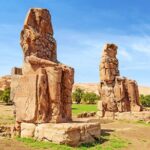
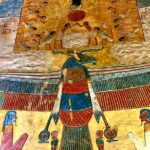
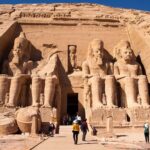
Karnak Temple: the scale you notice only in person
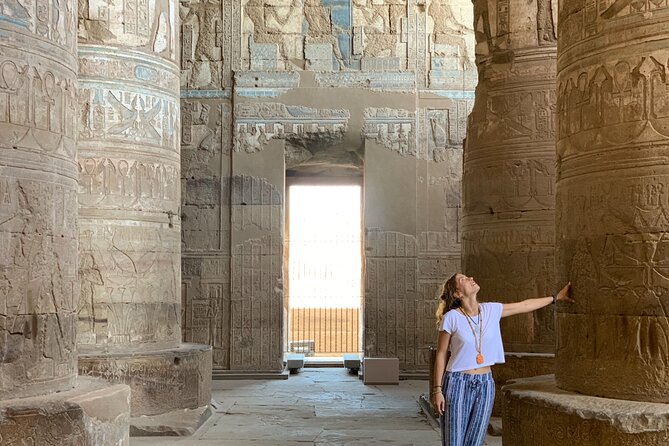
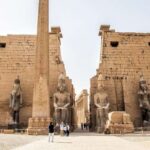
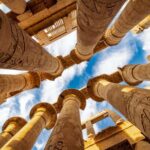
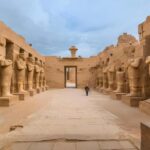
Karnak is not just one temple. It’s a whole precinct. You’re walking through spaces that sprawl across more than 100 hectares, larger than some ancient cities. On a private day, that scale is easier to digest because your guide can point out what matters first—major halls, axes, and the way the complex grew over time.
You’ll typically have around 2 hours here, which is enough to do more than skim. The big advantage of a personal guide is context. Karnak is full of repeating motifs and inscriptions, but without a guide you can easily miss the “why.” With a good guide, you start to see how the Egyptians shaped these spaces so the divine felt close—how they used processional routes and monumental gateways to pull people forward.
Practical note: Karnak can feel busy, even early. Wear shoes you can walk in for long stretches, and bring something for sun protection. If you’re someone who likes architecture and spatial planning, this is the kind of place where slowing down pays off.
Luxor Temple and the Amon rebirth story
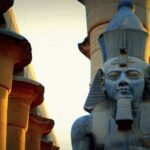
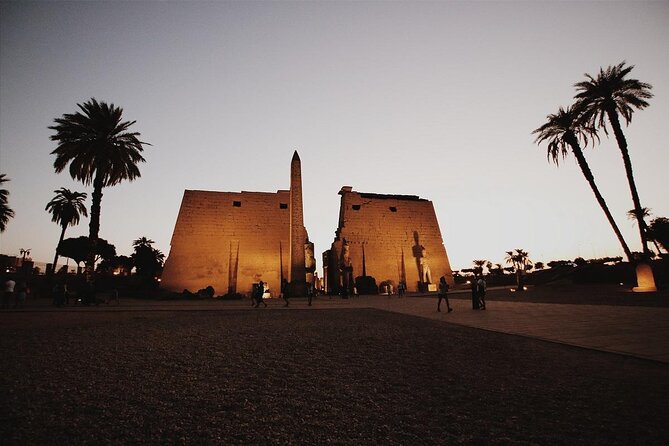
After Karnak, Luxor Temple feels more focused—still important, but more manageable in size and flow. This temple’s story stretches across hundreds of years, with work attributed to Amenhotep III, Ramses II, Tutankhamun, and other pharaohs. That layered building history matters, because it means you’re seeing more than one “chapter” of how Luxor was imagined.
You’ll get about 2 hours here. The standout theme to listen for is the role of the god Amon and the idea of rebirth tied to a ceremonial tradition. Luxor Temple is described as a place connected to the god Amon experiencing renewal during the annually reenacted coronation. Even if you don’t care about ritual details, this frame helps you understand why the temple’s spaces weren’t just decorative—they guided belief and ceremony.
In a private format, this stop works well because your guide can tailor the explanation to your group’s interests. If your group leans toward art and symbolism, you’ll likely get more time on the iconography. If you prefer straight history, you’ll get the building timeline and political context.
Valley of the Kings: royal tombs under Al Qurn
Crossing to the West Bank is where the mood shifts. The Valley of the Kings is built around isolation and burial purpose. This is also where Luxor stops being “temples you walk through” and starts becoming “landscape shaped for eternity.”
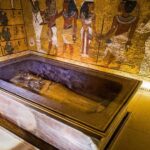
New Kingdom pharaohs chose this isolated valley, dominated by the pyramid-shaped mountain peak of Al Qurn, often called the Horn. It’s not a random backdrop. The valley is tied to the idea of a secluded “place of truth,” and it’s hard to fully grasp that meaning without walking the ground and seeing the tombs clustered in the slopes.
Plan for about 3 hours at the Valley of the Kings. That’s a good window because you’ll want time to orient yourself and understand what you’re looking at—there are 63 royal tombs in the valley. You don’t need to race through everything. Better is to focus on how the tomb design fits the Egyptian worldview: afterlife journeys, protective symbolism, and the logic behind carving in remote places.
Heat and crowds can be factors here, especially later in the day. Since this tour starts early, you’re usually in a better position than late-day groups. Still, bring water and keep an eye on your energy level—West Bank walks can add up quickly.
Temple of Hatshepsut at Deir el Bahari: the cliffs do the introduction
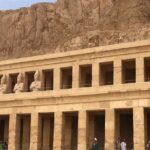
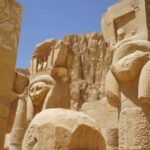
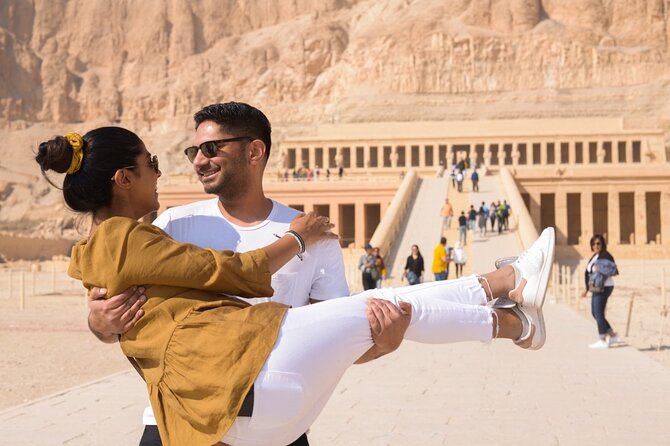
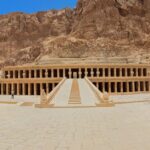
If Karnak overwhelms with size and the Valley of the Kings overwhelms with purpose, Hatshepsut overwhelms with scenery. The Temple of Hatshepsut sits at Deir el Bahari, where limestone cliffs rise nearly 300 meters above the desert plain. The effect is immediate: your eyes go to the rock walls first, then you notice the temple cut into and aligned with that dramatic setting.
You’ll have about 2 hours here. Most of what visitors see today is described as painstakingly reconstructed, which is important context. It means the temple isn’t just a “ruin you admire from far away.” It’s a restored monument where you can understand layout and intention, not only weathered fragments.
This stop is also an emotional one because Hatshepsut’s story is bound up in a woman pharaoh taking power and shaping religious architecture. Even if you don’t go deep into her biography, the architecture makes a point: the temple was built to look right against the cliffs, like it belongs to the mountain itself.
Practical tip: take a few minutes to look at the temple from different angles. The lighting changes the carvings and terraces. Then, once you’re done admiring the view, come back to the structure and let your guide explain what the different levels likely meant.
A few more Luxor tours and experiences worth a look


Lunch and transfers: the comfort math of private Luxor days
Included means included here: the tour provides an air-conditioned vehicle, hotel pickup and drop-off, and lunch. That’s a real value in Luxor, because you’re going to be moving between East Bank and West Bank across busy roads and into temple zones where you don’t want to be calculating logistics yourself.
The best way to think about lunch is not just food, but time. A guided day with transfers means you’re not scavenging for a place to eat while your group gets hungry. In feedback, guests praised the meal style—one highlight described buffet choices with fruits, salads, and desserts. Another note called lunch tasty and enjoyable. That’s what you want on a day that’s already structured around long walks and strong sun.
About the car: the vehicle is listed as air-conditioned, but one review did mention the air-conditioning may not always be perfect. So don’t assume it’s a miracle machine. Bring water, use sunscreen, and plan small pauses at each stop.
Timing-wise, the tour keeps you moving without forcing you into a constant sprint. You get a clear sequence of stops, and the private transfers reduce waiting. If you’ve ever sat on a bus while other people find their lost tickets, you’ll appreciate the simplicity.
Price and value: what $200 is buying you
At $200 per person, this isn’t a budget “hop on and off” tour. The value comes from how the day is built.
You’re paying for:
- a private guide
- door-to-door pickup and drop-off
- lunch included
- an itinerary focused on four key attractions, not ten quick-hit stops
Compare that to cheaper tours that cram more sites into less time. Those can be fine if you’re flexible and don’t care much about context. But if you want to understand why Karnak looks the way it does, why the Valley of the Kings is set where it is, and why Hatshepsut’s temple is shaped around those cliffs, a guide turns the day into something you remember.
There’s also the “time is money” factor. Luxor is packed, and the difference between waiting around and being driven directly from site to site adds up quickly. Your start time is early, which helps you avoid some of the worst crowd pressure.
One caution: entrance fees are not crystal-clear in the provided info, because one section states temple admissions are included while another says sights fees are at your expense. Treat it as a must-check item. Ask your operator to list exactly which site tickets are included before you go, so you don’t hit the temples and learn new math on the spot.
Who should book this private Luxor day (and who should skip it)
This tour is a good fit if you want:
- a private guide who can adjust pace and explanation to your group
- the main East Bank and West Bank highlights without doing a rushed checklist
- a day that includes lunch and uses private transfers to save time
It’s also a smart choice for first-timers. Luxor is one of those places where understanding the layout makes you enjoy it more. Starting with Karnak and Luxor Temple helps you grasp the temple role in Egyptian life before moving to the tomb valley and Hatshepsut’s dramatic setting.
Consider skipping or modifying if:
- you’re trying to keep total trip costs extremely low (entrance fees may be extra)
- you hate walking in sun for long stretches (Valley of the Kings and temple areas involve real outdoor time)
- your group plans to spend most of the day doing very deep, independent museum-style reading (this itinerary is paced for key highlights, not freeform hours in one spot)
Also, if you get car-sensitive to heat, you may want to bring extra water and plan for occasional less-cool moments. It’s not a deal-breaker, but it’s worth knowing.
Should you book this tour? My decision guide
Book it if you want a smooth, private Luxor day that hits the big four and gives you enough time to actually see them. The early start, door-to-door transfers, and included lunch do a lot of heavy lifting in comfort and pacing.
Before you confirm, do one practical check: ask what’s included for entrance fees for Karnak, Luxor Temple, the Valley of the Kings, and Hatshepsut. That one detail can change the real cost. If the admissions are covered, this becomes a straightforward value deal. If they’re not, you just need to budget the extras upfront.
If you like history when it’s explained clearly, and you’d rather walk with context than wander confused, this is the kind of tour that makes Luxor feel understandable fast.
FAQ
What time does the tour start in Luxor?
The tour starts at 7:30 am.
How long is the private Luxor East & West Bank tour?
The duration is about 8 to 9 hours.
Is hotel pickup and drop-off included?
Yes. Hotel pickup and drop-off are included, along with transfers in an air-conditioned vehicle.
Is lunch included?
Yes. Lunch is included in the tour.
Are entrance fees for the sites included?
The information you have includes conflicting statements about admission tickets. Check with the provider before you go to confirm which entrance fees are included for each site and what you’ll pay on arrival.
Is this tour private?
Yes. It is a private tour/activity, meaning only your group participates.
What is the cancellation policy?
You can cancel for a full refund up to 24 hours before the experience’s start time. If you cancel within 24 hours, the amount paid is not refunded.