REVIEW · CAIRO
2 Days Inclusive Pyramids and City Tour with 2 Cairo Nights
Book on Viator →Operated by Rica tours · Bookable on Viator
Two days, three eras, one Cairo glow. This private, 2-night Cairo plan strings together the big ancient icons around Giza and Saqqara with the city’s living neighborhoods like Coptic Cairo and Khan Al-Khalili, plus evening shows that turn the pyramids into a night event.
I especially like how Rica (the guide tied to this operator) brings the sites to life with energetic, history-nerdy explanations that make the monuments easier to understand. I also love the built-in evenings: a Sound and Light show at Giza and a Nile dinner cruise with belly dance and tanoura spinning, so you’re not scrambling to find evening plans after a long day.
One consideration: entrance fees aren’t included, and that can change your final total for places like the Egyptian Museum and the pyramid sites. Plan to budget extra and treat the $100 price as the tour package cost, not the full museum-and-site bill.
In This Review
- Key things to know before you go
- A two-day Cairo route that’s intense in a good way
- Entering Giza by day: Khufu, Chephren, Mycerinus, and the Sphinx
- Saqqara’s older world: the oldest necropolis and its monumental tombs
- Memphis and the Alabaster Sphinx: a short stop with big name energy
- Sound and Light at Giza: why night changes the pyramids
- Egyptian Museum time: plan for a fast, focused look at Tut’s treasures
- Saladin Citadel and the Muhammad Ali Mosque: a quick architectural hit
- Coptic Cairo: hanging churches, San George, and the Ben Ezra Synagogue
- Khan Al-Khalili: market time that’s actually enjoyable
- Nile dinner cruise: belly dancers, tanoura, and a calm way to end
- Price and logistics: what $100 buys (and what to budget for)
- How to make this two-day plan work smoothly
- Should you book this Cairo 2-day pyramids and city tour?
- FAQ
- What time does the tour start?
- Is pickup included?
- Is this a private tour?
- Do I get a mobile ticket?
- Are entrance fees included in the price?
- Does the tour include a camel ride?
- What evening activities are included?
- Can I cancel for a full refund?
- Final call: is this the right fit for your Cairo trip?
Key things to know before you go
- Private guide + air-conditioned car: you get a route, not just a list of stops.
- Giza and Saqqara, both by day and night: pyramids in daylight, then again with Sound and Light.
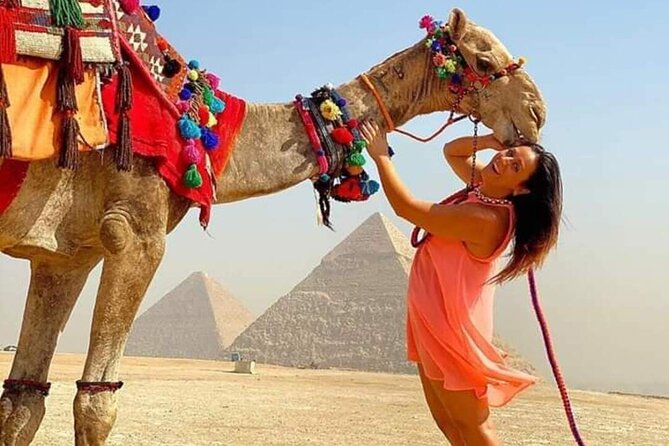
- Camel ride included (20 minutes): a classic Giza moment without needing to organize it yourself.
- Two lunches included: helpful when your days run from early morning to evening.
- Coptic Cairo and Khan Al-Khalili: religion and market time, not just monuments.
A two-day Cairo route that’s intense in a good way
Cairo can feel like information overload. This tour helps by doing the heavy lifting: a guide, pickup, and a private car that keeps you moving between sites you’d otherwise spend extra time figuring out. Start time is 8:00 am, which matters. You’ll beat the late-morning crowd surge at major locations and keep the schedule workable across two full days.
The real value here is how the plan balances ancient and later Cairo. You’re not only looking at pyramids. You’re also walking through Coptic churches, stepping into the Saladin citadel area for the Muhammad Ali Mosque, and finishing with market life at Khan Al-Khalili. Then you top it off on the water with a Nile dinner cruise.
Just remember the “two days” part is literal. You’re getting a lot in a short window. If you love lingering for long stretches at one place, you may feel slightly rushed at a few stops—especially the museum, which is huge.
You can also read our reviews of more city tours in Cairo


Entering Giza by day: Khufu, Chephren, Mycerinus, and the Sphinx
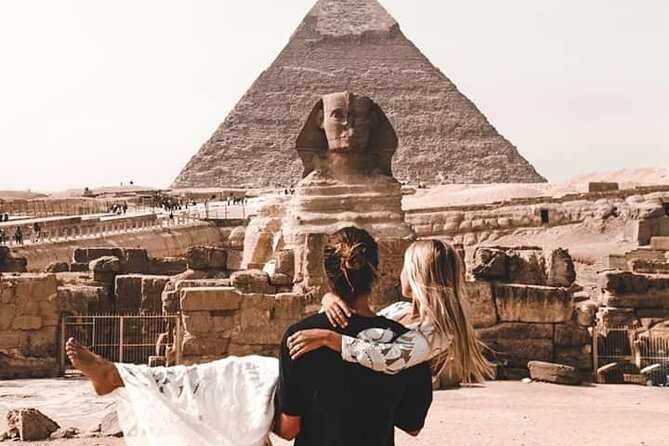
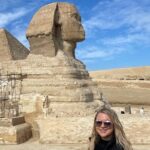
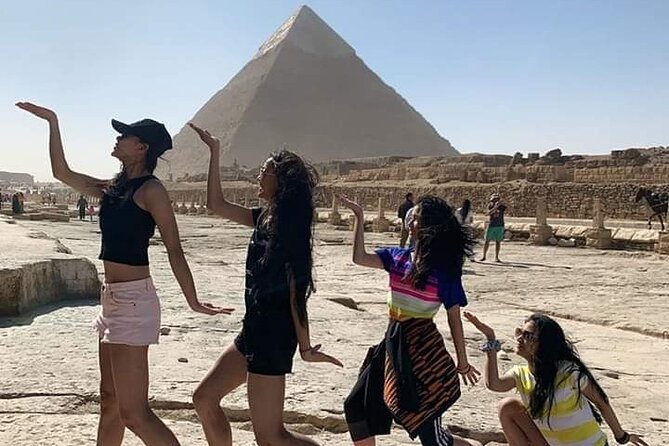
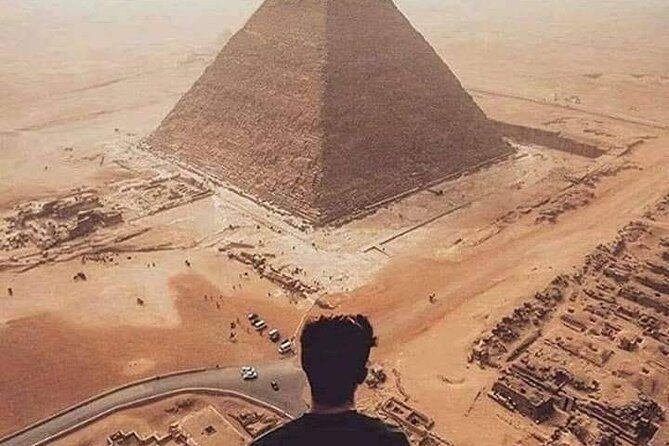
Day 1 starts at the Pyramids of Giza, where you’ll spend about two hours on-site. This is the “seven wonders” moment, centered on the Great Pyramid of Khufu, with time to see the Chephren and Mycerinus pyramids as well. The stop also includes the Great Sphinx of Giza, one of the most recognizable silhouettes on Earth.
What I like about doing Giza first (instead of later in your trip) is that your brain hasn’t turned into museum fog yet. You can take in the scale when you’re fresh, and your guide can frame what you’re seeing in a way that makes the monuments feel connected rather than random rocks.
The tour also includes a 20-minute camel ride, which is a short hit of the classic Giza experience. It’s not long enough to eat half your day, but it’s enough to feel like you actually did something iconic here. If you’re a first-timer, that matters.
Possible drawback: site entrances cost extra, and the pyramid area can be busy. The guide’s presence helps with timing and navigation, but plan on giving yourself patience. Wear comfortable shoes and bring sun protection because you’ll be outside for a while.
Saqqara’s older world: the oldest necropolis and its monumental tombs
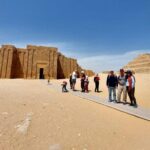
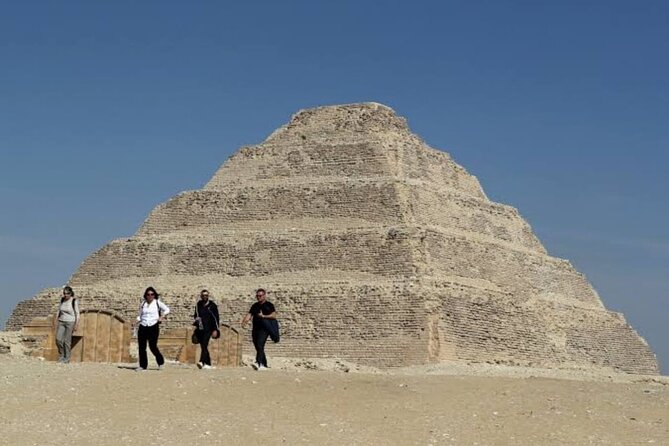
After Giza, the plan shifts to Saqqara (Sakkara), also about two hours. This is where you get a different angle on Egyptian monuments—less “everyone has a selfie here,” more “this is ancient infrastructure.”
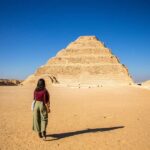
You’ll visit the oldest necropolis in Egypt, with a chance to see what’s described as the oldest pyramid in history. You’ll also have time for tomb areas associated with ministers and nobles, which is where the story goes beyond architecture and into how elite Egyptians lived on in stone.
Why Saqqara is a smart pairing with Giza: they’re both pyramid landscapes, but they don’t feel the same. Giza is about the famous skyline. Saqqara gives you a wider context for how these royal burial traditions evolved. With a guide, you’re less likely to treat it as “more pyramids” and more likely to notice the differences.
Just know this is still a walking-heavy site. If you don’t love uneven ground or stairs, consider taking your time when you stop for photos. The payoff is that Saqqara often feels more grounded and less frantic than the Giza plateau.
Memphis and the Alabaster Sphinx: a short stop with big name energy
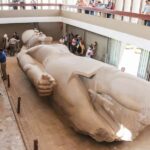
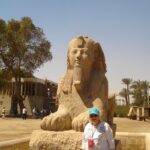
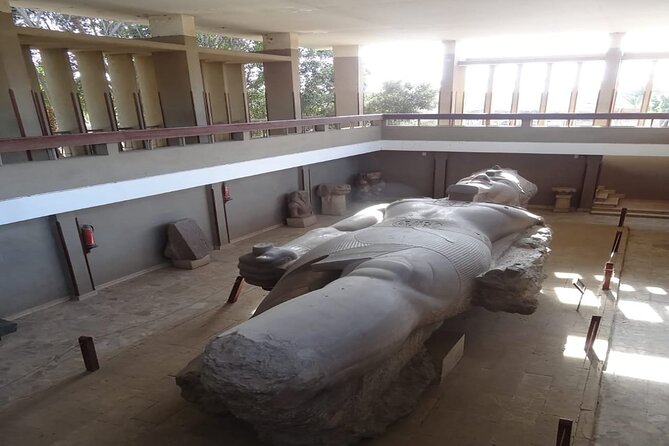
Next comes Memphis and Sakkara, about two hours again. Memphis is described as the ancient city of beauty and stability, and the highlight list here is clear: you’ll see a huge statue of King Ramses II and the Alabaster Sphinx.
I like adding Memphis because it connects the dots between monuments and the civilization that built them. A lot of first-time visitors see the pyramids and then rush to the next “big thing.” Memphis helps you slow down for a moment and remember this wasn’t a theme park. These were cities, statues, and symbolic places tied to real power.
The only “watch-out” is time. Memphis isn’t a full-day detour in this plan, so you won’t have the luxury of wandering without structure. For me, that’s fine when you know you’re packing multiple key sites into the trip. If you’re someone who could spend all day reading museum-style labels outdoors, you might want extra time elsewhere.
Sound and Light at Giza: why night changes the pyramids

Later in Day 1, you’ll see the pyramids at night with the Sound & Light Egypt activity. It runs about three hours, and your ticket is included.
Here’s what this does well: it gives the setting a narrative. In daylight, the pyramids can feel like visual facts—massive and impressive, but mostly silent. At night, the show turns them into a story you can follow, which helps your photos come with context instead of only scale.
Is it for everyone? If you hate shows or you prefer quiet sightseeing, it might feel like you’re watching a performance instead of exploring. But if you want a “Cairo evening” that’s not just dinner plans, this is one of the easiest ways to make the day end in a way you’ll remember.
A few more Cairo tours and experiences worth a look





Egyptian Museum time: plan for a fast, focused look at Tut’s treasures

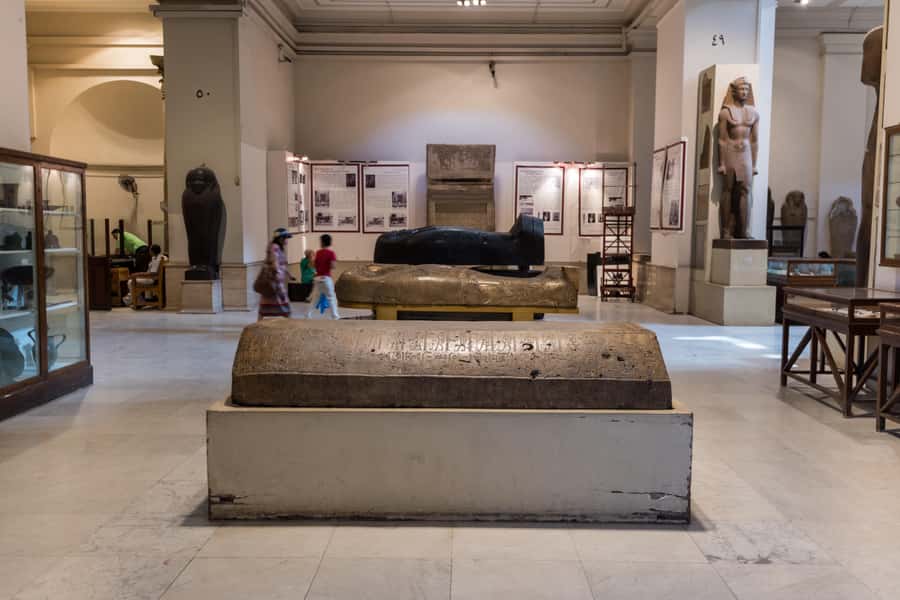
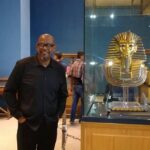
Day 2 begins at the Egyptian Museum for about two hours. This stop focuses on the highlights, including the famous treasures connected to King Tut, such as the golden mask.
The museum is big. Two hours is not “see everything.” It’s “see the pieces that carry the most impact” before you get tired or decision-fatigued. The guide format matters here. With someone steering you, you spend less time hunting and more time actually seeing.
What I like about this approach: you get the best-known artifacts without losing the day. Cairo’s schedule is tight, and you’ve got other stops lined up. If you’d rather build a slower museum day, this tour might feel like a sprint. But if you’re trying to get value out of two days, it makes sense.
Entrance fees are not included here, so again: budget for that extra cost.
Saladin Citadel and the Muhammad Ali Mosque: a quick architectural hit
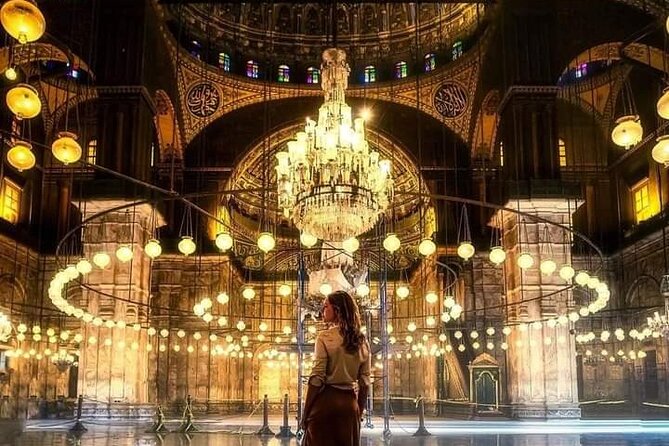
Next is the Saladdin citadel area, including the Alabaster Mosque of Mohamed Ali. The time listed is short—about four minutes—and admission fees are not included.
That brief timing is the main thing to understand. This isn’t a long, slow “wander the grounds” moment in the way a full-city walk might be. It’s more like a stop to see the signature feature, get your photos, and keep moving with the schedule.
If you love dramatic architecture, this could still be satisfying because the mosque is visually strong. If you want deep time for views and details, you may wish you had more minutes here. The benefit of this tour, though, is that it protects the rest of the itinerary so you don’t lose key stops later.
Coptic Cairo: hanging churches, San George, and the Ben Ezra Synagogue
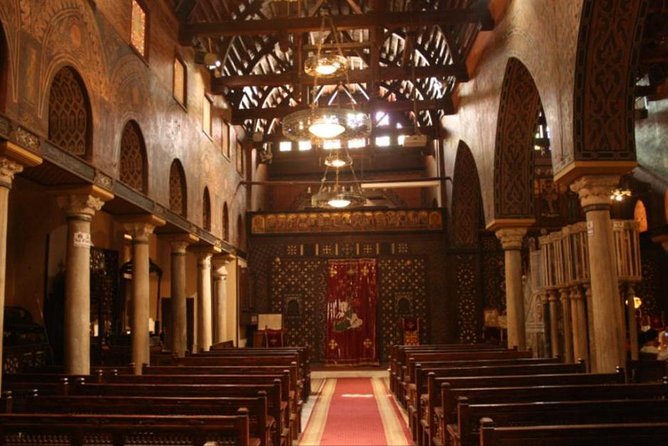
Then you shift to Coptic Cairo, described as a place of all religions. This is one of the more rewarding parts of the tour because it shows Cairo as a living city, not only an outdoor monument museum.
Your guided visit includes major sites such as the Hanging Church, San Jeorge Church, and the Cavern Church (linked to the Holy Family staying there, according to the description). The tour also includes the Ben Ezra Synagogue as part of the same stop.
What makes this special in a practical way: you’ll get a sense of continuity. You can walk from ancient-scale Egypt in the morning to religious traditions that have shaped Cairo for centuries in the same two-day window. And because these are active religious spaces, your guide can help you move respectfully and efficiently.
One caution: dress modestly for church and synagogue visits. That’s not about rules for tourists—it’s about showing respect for the place you’re entering.
Your tour includes admission tickets for this stop, which is a plus for budgeting.
Khan Al-Khalili: market time that’s actually enjoyable
After the churches, you get Khan Al-Khalili, about one hour. This is described as one of the oldest markets in Egypt, and your time is structured to let you feel local street atmosphere and shop for souvenirs.
One hour is short, but that’s the point. It gives you a taste without turning the market into your whole day. If you’ve ever done a market “too long,” you know how fatigue can turn shopping into stress. Here, you can treat it like a stroll with a mission: pick a few keepsakes, enjoy the vibe, and move on.
A private guide is helpful in markets because vendor pressure is real and constant. When someone knows how to time your stops and where to focus, you’re less likely to get pulled into a bad deal.
Your admission ticket is included here, so you’ll avoid another surprise fee.
Nile dinner cruise: belly dancers, tanoura, and a calm way to end
The grand finale is the Nile Dinner Cruise. The sailing is about two hours, and the full activity block is listed as four hours. Your ticket is included, and the package includes dinner plus entertainment—belly dancer and Tanura show, along with music.
This is a smart way to end the trip because it shifts you away from walking and into a relaxed setting. Even if you’re not a “show person,” you’ll probably enjoy it for two reasons: the water views and the cultural performance style.
Practical note: a dinner cruise works best when you go in with the right expectation. This isn’t a quiet, slow romance boat with silent sunsets. It’s a structured evening with performances, so you’ll be part of the flow.
Price and logistics: what $100 buys (and what to budget for)
At $100 per person, this is positioned as a value package because it bundles the big services people usually pay separately for: an expert guide, a private air-conditioned car, pickup, lunch twice, and included evening activities (Sound and Light and the Nile dinner cruise). It also includes the 20-minute camel ride, which is often an add-on people end up paying for directly.
What’s not included is equally important: entrance fees. The tour explicitly lists entrance tickets as not included for major stops like the pyramids of Giza, Saqqara, the Egyptian Museum, and the citadel/mosque. Some other stops are included (Sound and Light, Coptic Cairo, Khan Al-Khalili, and the Nile cruise ticket).
So your true total depends on the entrance fees you pay on-site (or through the organizer, if they handle them separately). The tour’s pricing still looks like solid value if you want to avoid planning friction and keep the schedule efficient.
How to make this two-day plan work smoothly
If you want this experience to feel fun instead of exhausting, do a few things:
- Start early mentally. An 8:00 am start means you’ll want your day organized the night before.
- Wear comfy walking shoes. You’ll cover multiple sites with outdoor time on Day 1 and indoor/outdoor transitions on Day 2.
- Bring cash or payment options for entrance fees. Since they’re not included, you’ll want to be ready without delays.
- Ask your guide to help with priorities. In a tight schedule, your guide can steer your attention so you don’t miss the most meaningful parts.
- Use the included lunches to reset. Two meals included helps keep energy stable so you enjoy the night shows.
Should you book this Cairo 2-day pyramids and city tour?
Book it if you want a high-impact Cairo overview in two days—especially if you’re a first-time visitor who wants Giza and Saqqara plus a real slice of Cairo through Coptic Cairo, the citadel area, Khan Al-Khalili, and a Nile dinner cruise.
Skip it (or consider a slower alternative) if you hate tight schedules, you want lots of time to linger in museums and churches, or you strongly prefer a plan where every cost is fully known up front. The tour is well structured, but it does rely on entrance fees paid separately, so your budgeting needs to include that.
If you’re comfortable moving efficiently and you like the idea of seeing the pyramids in daylight and again at night, this is a strong value way to experience Cairo’s “ancient plus everyday” character.
FAQ
What time does the tour start?
It starts at 8:00 am.
Is pickup included?
Yes, pickup is offered and you’ll meet the guide at your pick-up location.
Is this a private tour?
Yes. It’s a private tour/activity, and only your group participates.
Do I get a mobile ticket?
Yes. The experience includes a mobile ticket.
Are entrance fees included in the price?
No. Entrance fees are not included.
Does the tour include a camel ride?
Yes. It includes a 20-minute camel ride.
What evening activities are included?
You get two evening activities: the Sound and Light show at Giza and a Nile dinner cruise with dinner and performances.
Can I cancel for a full refund?
Yes. You can cancel up to 24 hours in advance for a full refund. If you cancel less than 24 hours before the start time, the amount paid is not refunded.
Final call: is this the right fit for your Cairo trip?
If you want a guided, private, and packed two-day Cairo highlights run—pyramids in full scale, plus Coptic Cairo and a classic night on the Nile—this tour matches that goal well. Just budget for entrance fees, wear shoes for walking, and go into the evenings ready for a show. You’ll leave with images you can explain, not just photos you can’t place.