REVIEW · LUXOR
3 Days Private Tour from Luxor to Aswan Temples
Book on Viator →Operated by Golden Luxor Tours · Bookable on Viator
Three days in Egypt, and you don’t miss the big stuff.
This private Luxor-to-Aswan plan strings together the West Bank’s top tombs, two Nile-side temple stops, and Philae, with a private English-speaking Egyptologist—including the guide George, who’s praised for making myths and carvings make sense in plain terms. I also like that the schedule is designed for a stress-free flow, with pickup and smooth transfers so you’re not playing taxi roulette.
The second reason I like it: the essentials are already handled. You get entrance fees for the listed sites, bottled water, and two included lunches, plus private air-conditioned driving between Luxor and Aswan. The one potential drawback is that it’s a packed itinerary—multiple major sites in back-to-back days—so if you hate early starts or long days on your feet, you’ll want to pace yourself and bring comfortable shoes.
In This Review
- Key highlights to expect
- Price and logistics: what $460 buys you
- Day 1 West Bank Luxor: Valley of the Kings and Hatshepsut’s temple
- Karnak and Luxor Temple: the “two temples” day that works
- Day 2 Edfu and Kom Ombo: Horus, then Sobek and crocodiles
- Day 3 Philae Temple: Isis across Greek, Roman, and Byzantine eras
- How the guide experience changes the sites
- Who this private Luxor to Aswan tour fits best
- Should you book this Luxor to Aswan private package?
- FAQ
- What is the duration of the Luxor to Aswan private tour?
- What sites are included in the 3-day itinerary?
- Is pickup and drop-off included?
- What time does the tour usually start?
- Are entrance fees included?
- Are lunches included?
- How is transportation handled?
- Is the tour private or shared?
- Is tipping included in the price?
- What is the cancellation policy?
Key highlights to expect
- Private Egyptologist guidance that turns temple walls and tombs into an easy story
- Full site coverage: Luxor West Bank, Karnak and Luxor Temple, then Edfu, Kom Ombo, and Philae
- Entrance fees included for all listed stops, plus a crocodile museum visit on Day 2
- Air-conditioned private transfers with pickup and drop-off
- Two included lunches and bottled water to keep the day moving
Price and logistics: what $460 buys you
At $460 per person for a 3-day private package, you’re paying for time-saving and friction-reducing choices. That matters in Luxor and Aswan, where the sightseeing is spectacular but the logistics can eat your day if you’re managing it solo.
Here’s what you get for the money: private air-conditioned transfers, a private English-speaking Egyptologist guide, entrance fees for every stop listed, bottled water, and pickup and drop-off. The tour also includes a private transfer from Luxor to Aswan with the temples visit built in, so you’re not left figuring out how to stitch the route together yourself.
Two other practical touches: you’ll have a mobile ticket, which reduces the hassle at entrances, and lunch is covered (2 lunches included). Tipping isn’t included, so plan a budget for that, but most of the other “surprise costs” are already handled.
If you’re traveling in a group, the product notes group discounts. Even if you’re booking “private,” splitting the cost with friends can make this feel more like a smart standard tour and less like a splurge.
You can also read our reviews of more private tours in Luxor
Day 1 West Bank Luxor: Valley of the Kings and Hatshepsut’s temple
Day 1 concentrates on Luxor’s West Bank, which is where the grand scale of ancient Egypt hits you fast. You start with a hotel or Nile cruise pickup and head straight into the royal cemetery story—so your day doesn’t waste time warming up.
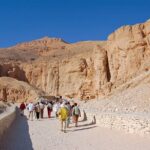
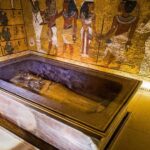
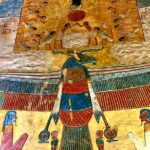
First stop is the Valley of the Kings, including access to the royal cemetery for 65 Pharaohs. This is the place where King Tutankhamun is associated with the tombs and the famous treasures. You’ll spend about 2 hours here, and the key advantage of a private Egyptologist is that you’re not just walking in and guessing. You get a full explanation of why the site was chosen as a royal burial ground and what you should expect to see inside the tombs.
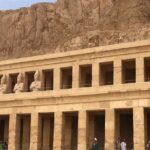
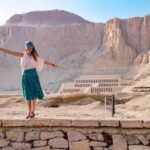
Next you move to the Temple of Hatshepsut at Deir el Bahari. This site is built on strong visual geometry, but what makes it memorable is the human story: Hatshepsut was Egypt’s first notable woman ruler. The temple is given the kind of “how did she pull it off” context that turns the architecture from impressive to meaningful. You’ll have about 2 hours here, which is a good amount of time to see the main structures without feeling rushed.
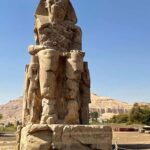
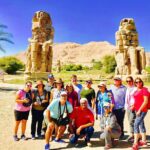
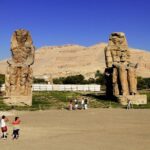
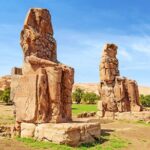
Then comes a short stop: the Colossi of Memnon, the two statues often described as the singing statues. You’ll have about 15 minutes. They’re brief by design, but they’re also a useful reset after the heavier tomb-and-temple days—especially if you’re carrying cameras and want a quick win for photos.
One practical consideration for Day 1: the West Bank involves a lot of walking on uneven ground and sun exposure. Bring water (you’ll have bottled water), use sunscreen, and plan to take breaks when your guide suggests it.
Karnak and Luxor Temple: the “two temples” day that works
After the West Bank stops, Day 1 grows into the biggest temple moments. You head to Karnak Temple, and this is where the scale stops being “interesting” and starts being almost unreal.
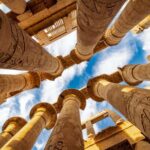
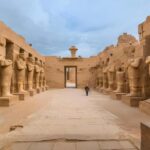
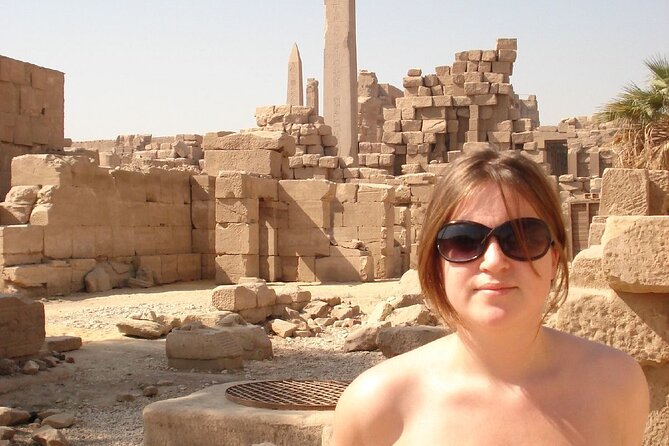
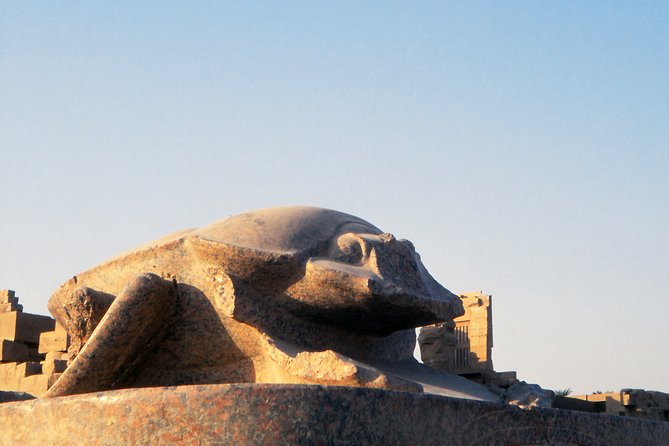
Karnak is described as the largest religious building ever constructed, and it earns that reputation fast. You’ll spend about 3 hours there, with a guide who points out the stories behind statues and key sections. You’ll get specific features worth focusing on, including the hall of columns (134 columns), the gigantic scarab beetle, major obelisks, and the sacred lake.
What I like about doing Karnak with a private guide is how you avoid the common trap: seeing everything as random stones. When you understand what different parts were doing in the religious landscape, the place becomes easier to navigate and less overwhelming.
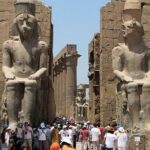
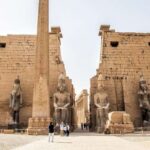
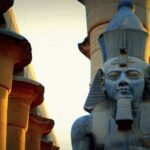
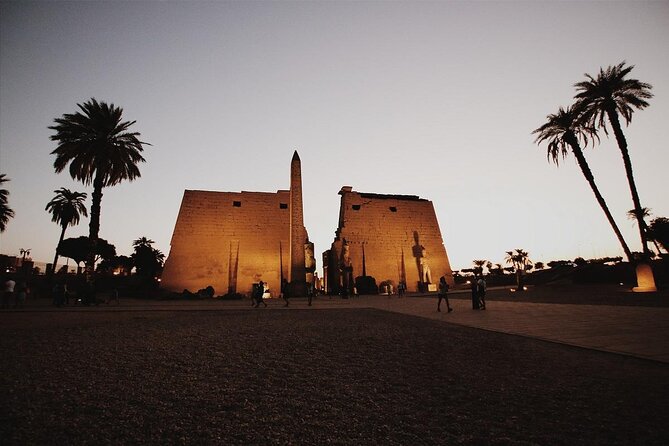
Then you wrap Day 1 at Luxor Temple, about 2 hours. This temple sits in the shadow of the Avenue of Sphinxes that originally stretched to Karnak (you won’t see the full original route today, since much of it is excavated). Your guide ties together who built which parts—Ramses II for parts of the outer temple, and Amenophis III for parts of the inner areas. You also get context about Alexander the Great’s influence on reconstructions and additions.
Why this pairing works: Karnak feels like the heavyweight, while Luxor Temple feels more connected to everyday processional life. Doing both in one day gives you a fuller picture of how the Nile-side temple system operated, rather than treating them as separate “checklist items.”
Day 2 Edfu and Kom Ombo: Horus, then Sobek and crocodiles
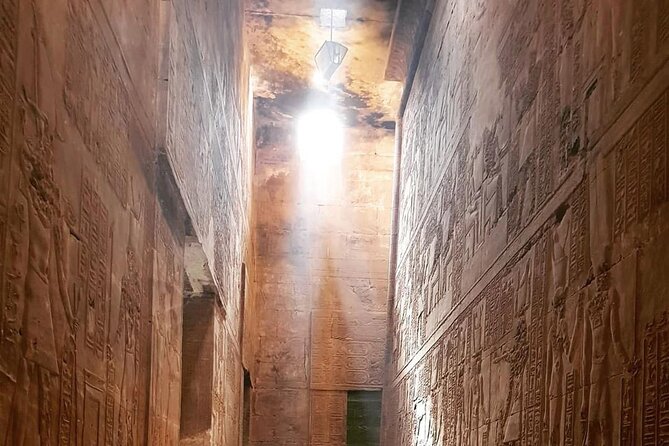
Day 2 shifts you from Luxor into a classic Nile temple route with a very clear arc. You start with pickup in Luxor and drive south to Edfu, then continue on to Kom Ombo, finishing in Aswan.
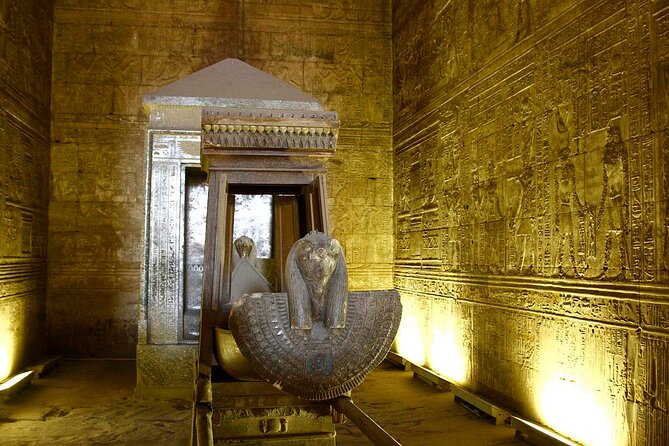
First is the Temple of Horus at Edfu, around 2 hours 30 minutes. The attraction here is preservation and clarity: it’s often considered one of the best-preserved cult temples in Egypt. According to myth context you’ll learn from your Egyptologist, this is the setting where Horus—falcon-headed—fought his enemies to support Ra Horakhty. In a private format, you can actually spend time reading the layout instead of simply snapping photos and moving on.
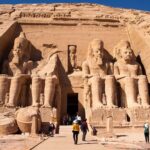
Then you go to Kom Ombo Temple, spending about 2 hours. The big differentiator is its double-entrance design and dual dedication. One set relates to Haroeris, the falcon-headed divinity, and the other relates to Sobek, the crocodile-headed deity. Your guide connects the temple’s placement overlooking the Nile and the logic behind its layout, so the site feels intentional rather than confusing.
After that, you add the crocodile museum visit (with the museum ticket included) to see mummified crocodiles. This is a short museum stop, but it helps explain why crocodile symbolism mattered beyond just an animal fact. If you like Egyptology that connects religion, animals, and daily meaning, you’ll get a lot from this part.
Day 2 ends with the drive onward to Aswan. That’s practical: you’re not trying to squeeze extra Aswan sightseeing into the same day, so you arrive ready for Day 3’s main monument.
Day 3 Philae Temple: Isis across Greek, Roman, and Byzantine eras
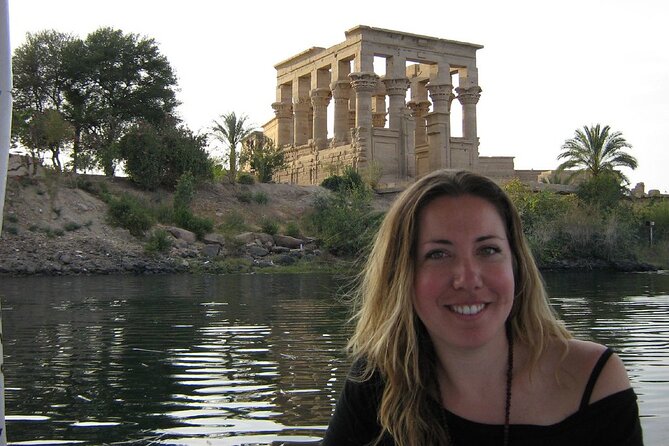
Day 3 is about Philae Temple, centered on the cult of Isis. You’ll spend about 3 hours here, and the site’s power comes from how many eras left their fingerprints.
Philae is presented as Egypt’s ancient center for Isis worship, and it’s venerated from Pharaonic times through Greek, Roman, and Byzantine periods. That layering matters. You’re not just seeing one construction phase; you’re seeing evidence of changing rulers and changing religious life, all while the sacred purpose remains consistent.
I like this as a “capstone” day because the temples you saw earlier each had their own character. Valley of the Kings is about death and royal burial planning. Karnak and Luxor Temple are about institutional religious scale and power. Edfu and Kom Ombo bring myth down to specific gods and local symbolism. Philae ties it all together with Isis as a through-line.
If you’re short on time and want one big Aswan-area temple that feels historically wide and emotionally resonant, Philae is the one you should plan around. Just keep your pacing steady and expect to walk and look up often. Even with a guide, you’ll want a few moments where you stop chasing details and let the setting do its job.
A few more Luxor tours and experiences worth a look




How the guide experience changes the sites
This tour is built around a private Egyptologist for a reason: the difference between looking at carvings and understanding them.
From the way George is described in past experiences, the guides focus on facts, stories, myths, and practical explanations. That style matters at Karnak and the tomb areas, where the sheer number of elements can make people tune out. When your guide translates what hieroglyphs and scenes were meant to communicate, the sites become easier to connect and remember.
Another thoughtful element is that the guide approach aims to help you feel like you’re moving through Egypt, not sightseeing it. The tour description emphasizes feeling like a local and learning both modern and ancient culture, which usually means your guide won’t only talk about stone. In a place like Luxor and Aswan, that’s how you understand why the past still lives alongside the present.
A small but real practical win mentioned in reviews: your guide may help you stay comfortable by managing shade and answering your questions without making you feel rushed. In hot weather, that kind of pacing makes a difference.
Who this private Luxor to Aswan tour fits best
This is a strong match if you:
- Want to see the “main sites everyone comes for” without juggling bookings
- Like having context while you walk, not just a photo stop
- Are traveling as a couple, family, or small group and want your own pace
- Have limited time and want a logical route from Luxor to Aswan
It’s also a good option if you’re tired of trying to piece together transportation between sites. The tour is fully private, meaning only your group participates, and transfers are handled by the company with private air-conditioned vehicle rides.
The one group I’d slightly caution: people who want a slow, museum-like pace. This itinerary is efficient. If you prefer fewer sites per day, you might still love the destinations but feel the schedule is intense.
Should you book this Luxor to Aswan private package?
I’d book it if you want a clean, guided route that covers the big ancient highlights in three days, with entrance fees included, private transfers, and lunch on two days. The value comes from the planning you don’t have to do and the guide support that helps you actually understand what you’re seeing.
I wouldn’t book it if your ideal trip is light, flexible, and unstructured. This is built for seeing a lot, and the comfort comes from the private setup, not from a relaxed pace.
If your main goal is classic Luxor-to-Aswan Egyptology—Valley of the Kings, Karnak, Edfu, Kom Ombo, and Philae—this is a solid way to do it without wasting time.
FAQ
What is the duration of the Luxor to Aswan private tour?
The tour runs for about 3 days.
What sites are included in the 3-day itinerary?
You’ll visit Valley of the Kings, Temple of Hatshepsut (Deir el Bahari), the Colossi of Memnon, Karnak Temple, Luxor Temple, Temple of Horus (Edfu), Temple of Kom Ombo, the Crocodile Museum, and Temple of Philae.
Is pickup and drop-off included?
Yes. Pickup is offered from your hotel or Nile cruise/apartment in Luxor, and there is also drop-off service.
What time does the tour usually start?
The opening hours listed for the experience are Monday through Sunday from 6:00 AM to 9:00 AM.
Are entrance fees included?
Yes. Entrance fees to all mentioned sites are included.
Are lunches included?
Yes. Lunch is included twice during the 3-day tour, and bottled water is provided.
How is transportation handled?
All transfers are made by a private air-conditioned vehicle, including private transfer from Luxor to Aswan with the temples visit included.
Is the tour private or shared?
It’s private. Only your group participates.
Is tipping included in the price?
No. Tipping is not included.
What is the cancellation policy?
Free cancellation is available if you cancel up to 24 hours in advance of the experience start time, with a full refund. If you cancel less than 24 hours before, the amount paid is not refunded.