REVIEW · LUXOR
5-Day Cruise Tour from Luxor with Balloon Ride and Abu Simbel
Book on Viator →Operated by Adoro viajar a Egipto · Bookable on Viator
You wake up above ancient Luxor. This 5-day, hot-air balloon-included Nile cruise pairs huge temple days with the comfort of a 5-star ship.
I really like the pace: early starts for the big sights, then breathing room on the water between stops. I also like the human touch—guides with strong command of the sites, including names like Ibrahim, Amro, Hoda, Abdol, and Shaban, who tend to explain things clearly rather than just point and move on.
One thing to consider: extra costs. Entrance fees are not included (plan on about $40), and Abu Simbel is a long push that begins around 4:30 AM.
In This Review
- Key highlights worth centering
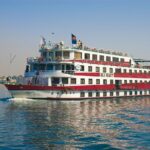
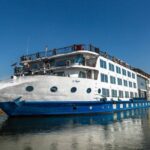
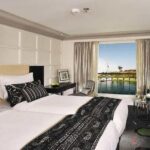
- Luxury Nile Cruise From Luxor to Aswan: What the 5-Star Full Board Really Buys You
- Karnak and Luxor Temple After Check-In: Start With the Heavyweights, Not the Wait
- West Bank Sunrise: Hot-Air Balloon Over Luxor and the Valley of the Kings
- Edfu and Kom Ombo on the Nile: Temples Plus Real Time to Breathe
- Aswan High Dam and Philae Temple: Engineering Awe Meets Island Temple Beauty
- The 4:30 AM Abu Simbel Day Trip: How to Handle the Longest Day
- Price and Entrance Fees: Is $1,200 Good Value for This Route?
- Who This Cruise Suits Best (and Who Might Want to Skip It)
- Should You Book This 5-Day Luxor to Aswan Cruise with Balloon and Abu Simbel?
- FAQ
- FAQ
- What is included in this 5-day cruise experience?
- How long is the tour?
- Does the tour include ballooning, and when does it happen?
- Which temples and sites are visited?
- Are entrance fees included?
- Are meals included during the cruise?
- Is lunch included on the Abu Simbel day?
- How big is the group, and is Abu Simbel a small-group tour?
- What happens if the balloon ride can’t run due to weather?
- Can I get a full refund if I cancel?
Key highlights worth centering
- Hot-air balloon over Luxor’s West Bank at sunrise for wide views over temples and tomb hills
- Karnak’s 247-acre scale plus Luxor Temple tied to Amenhotep III and Ramses II
- West Bank trio in one day: Deir el Bahari, the Colossi of Memnon, then the Valley of the Kings
- Temple stops with real pacing on the Nile, including time sailing through Esna Lock with lunch and tea onboard
- Aswan High Dam + Philae Temple: big engineering, then a temple reached by boat to an island site
- Abu Simbel as the showstopper—shared small group outing, starting very early
Luxury Nile Cruise From Luxor to Aswan: What the 5-Star Full Board Really Buys You
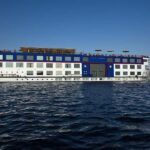
Let’s talk value first. You’re paying about $1,200 per person for a full package that includes a 5-star Nile cruise for 4 nights with full-board meals (breakfast, lunch, dinner) plus a professional guide. On top of that, you get the hot-air balloon ride over Luxor’s West Bank and access to the major temple circuit from Luxor down to Aswan.
What you’re really buying is less friction. Instead of constantly changing hotels, re-routing between cities, and coordinating separate tours, the trip flows: you’re collected, guided, transported to the right sights, then returned to the ship. You’re also not stuck guessing meal timing. Most days are built around morning temple time, then onboard breaks with sundeck views.
The ship also matters for how the days feel. After Valley-of-the-Kings walking (which can add up fast), it’s genuinely nice to return to a calm, comfortable base rather than another transfer day. If you like your Egypt days to feel organized—and not like a puzzle—this setup is strong.
The only real downside is that entrance fees are separate, and Abu Simbel asks for an early wake-up. But those are predictable tradeoffs for a route that includes everything from Luxor’s core temples to Philae and Abu Simbel.
You can also read our reviews of more boat tours in Luxor
Karnak and Luxor Temple After Check-In: Start With the Heavyweights, Not the Wait
Your first day is built around an easy landing. You’re met after you arrive in Luxor—whether that’s airport, train station, or hotel pickup—and transferred to your cruise ship. If you get there early, the plan is to begin sooner rather than waiting around for the midday check-in.
Then you get two of Luxor’s biggest temple hits back-to-back:
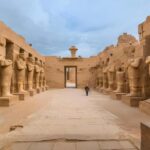
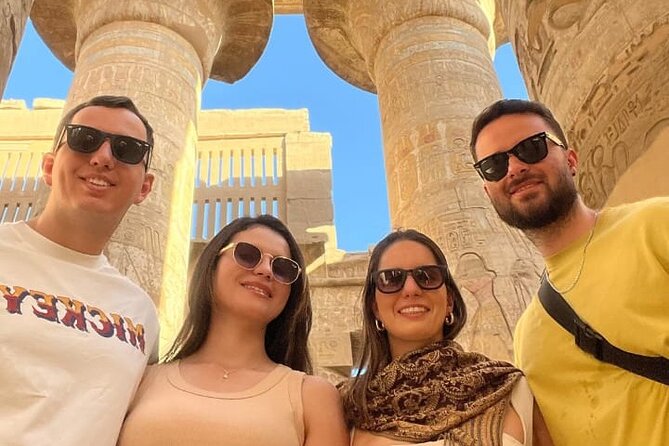
- Karnak Temple Complex, stretching across about 247 acres. This is the kind of place where the scale does the talking. Even when you’re tired, it’s hard not to feel the size of what ancient builders were working with.
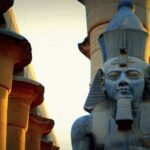
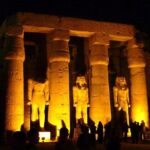
- Luxor Temple, associated with Amenhotep III and Ramses II. It shifts the mood from fortress-like Karnak scale to something more intimate and ritual-focused.
Here’s the practical tip: these sights work best when you’re not rushed. Early in the day, you’re better able to take in the carvings and layout before the heat builds. Also, Luxor’s core temples are so dense that having a guide to translate what you’re looking at saves you from staring at walls that all look the same at first glance.
After the tours, you return to the ship for dinner and an overnight dock in Luxor. That matters because you’re not trying to squeeze dinner into travel logistics right after temple time.
West Bank Sunrise: Hot-Air Balloon Over Luxor and the Valley of the Kings

Day two is where the trip earns its main bragging rights: a hot-air balloon ride over Luxor’s West Bank. Expect a 40–60 minute flight, timed early in the morning so you can see Luxor from above while light and air conditions cooperate. Even if you’ve seen photos, the view hits differently when you’re looking at the river and temple sites as part of the same layout.
After the balloon, you move into the West Bank temple circuit:
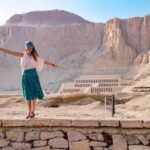
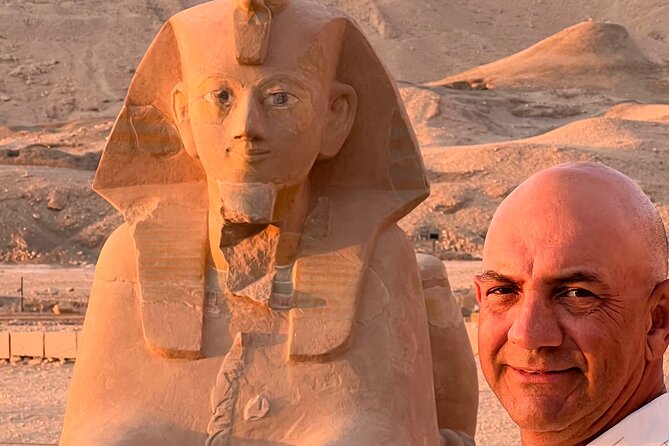
- Deir el Bahari (Temple of Hatshepsut): famous for being beautifully preserved and built on three levels with wide ramps. This is a temple that photographs well, but it’s better understood when you notice how the terraces guide your eye.
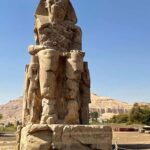
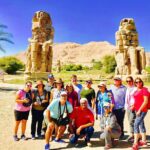
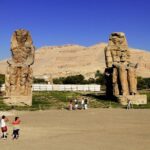
- Colossi of Memnon: two massive statues from King Amenhotep III’s mortuary complex. The material—quartzite sandstone—isn’t just trivia. It helps you understand why these figures have lasted and how they were shaped.
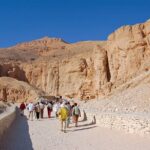
- Valley of the Kings: your payoff zone for royal tombs. You’ll have time to explore and see tombs associated with kings such as Merneptah, Ramesses III, and Ramesses VI.
This day can be long on foot. The good news: the trip design keeps you from doing everything without breaks. After your morning outings, you return to the ship, then in the afternoon the cruise sails toward Edfu through the Esna Lock. You’ll have lunch onboard, plus time to relax on the sundeck—often with afternoon tea as you watch the river and locks do their thing.
If you’re wondering whether the balloon is worth putting up with an early start: yes, mainly because it changes your mental map. From the air, the West Bank doesn’t feel like a random set of sites. It reads like a system—hills, temples, and the river all tied together.
Edfu and Kom Ombo on the Nile: Temples Plus Real Time to Breathe
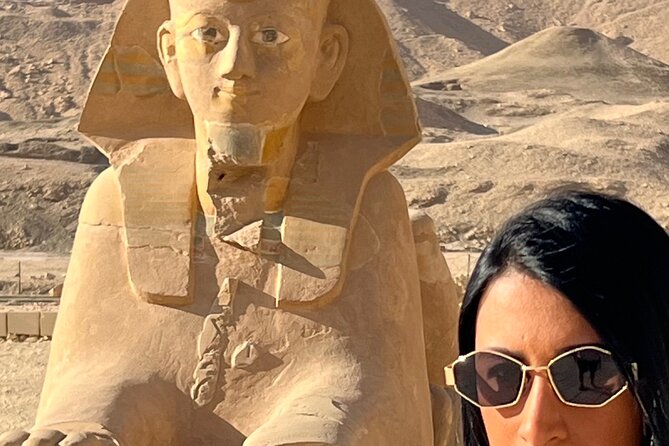
On the way from Luxor to Aswan, Edfu and Kom Ombo keep the route interesting without making every minute a sprint.
First up is Edfu Temple, also known as the Temple of Horus. It’s often described as one of the best-preserved temples in Egypt, and it has a special character because it’s Ptolemaic in origin and built on an earlier temple site. You’ll also learn about the mythic story painted across the walls, including the contention between Horus and Seth, which connects to annual religious drama.
Then comes Kom Ombo Temple, dedicated to the crocodile god Sobek and Horus the Elder. It’s positioned on the riverbank between Edfu and Aswan, and that matters: you’re not just arriving and leaving. You’re watching how the temple sits in relation to the Nile corridor.
One of the best features here is the spacing. Between temple visits, you’re back onboard with sailing time. Lunch and afternoon tea are included, and you can simply enjoy the river views from the sundeck. For many people, this is where the trip feels most like a cruise and least like a sightseeing bus tour.
You spend the night in Edfu, then continue downriver. By the time you reach Kom Ombo and then Aswan, the temples start to feel connected instead of scattered.
Aswan High Dam and Philae Temple: Engineering Awe Meets Island Temple Beauty
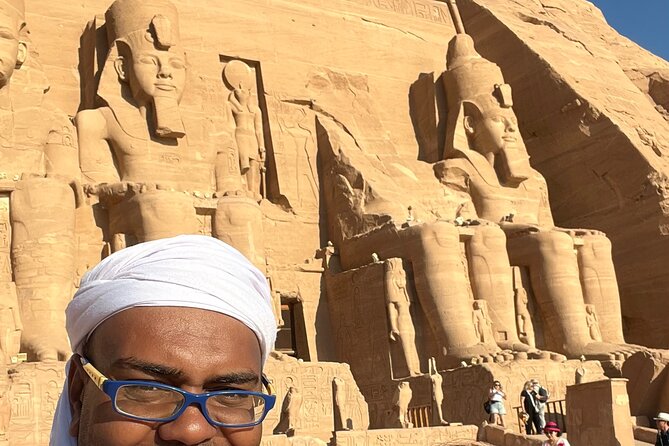
Aswan is a strong mix of human-made scale and ancient religious architecture.
The day begins with the Aswan High Dam, completed in 1960. You get a sense of its massive impact: it stretches about 3,600 meters long, is roughly 980 meters thick at the base, and rises about 111 meters at its highest point. Behind it sits Lake Nasser, the largest man-made lake in the world, which supports irrigation and electricity.
After that, you go to Philae Temple, dedicated to Isis. The approach is practical and part of the charm: you’ll reach the temple by a short motorboat ride. The site is on Aglika Island just south of the old Aswan Dam. Philae has a relocation story because construction threatened to submerge it permanently—so the temple you see now is a preserved, moved version of an older spiritual center.
Philae also stands out because of its later history. It remained active even after Christianity spread in Egypt and officially closed in 551 AD. Later, the main temple on the island was repurposed as a Christian church.
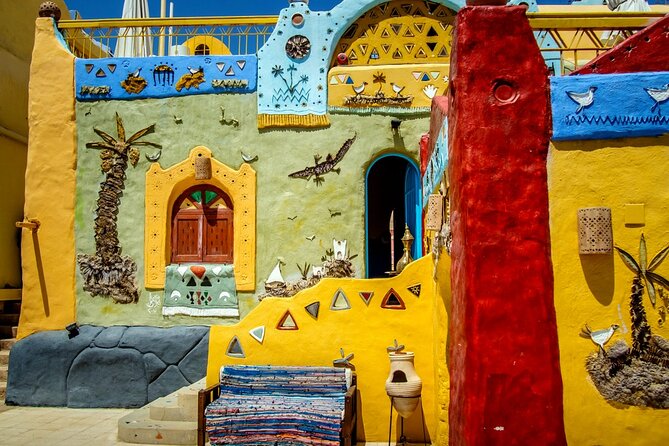
After the temple time, you return to the ship for lunch and dinner onboard, plus an evening folkloric show. And if you want more culture beyond ancient sites, you can optionally join a Nubian Village visit.
You sleep in Aswan the next night, which is a smart finish to temple-heavy days. It gives you time to reset before the early Abu Simbel run.
A few more Luxor tours and experiences worth a look

The 4:30 AM Abu Simbel Day Trip: How to Handle the Longest Day
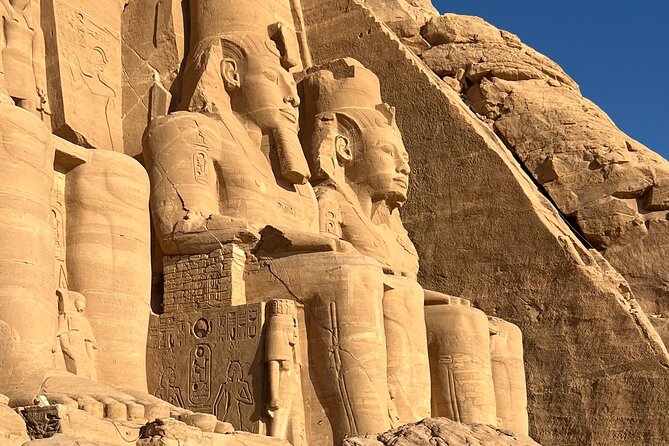
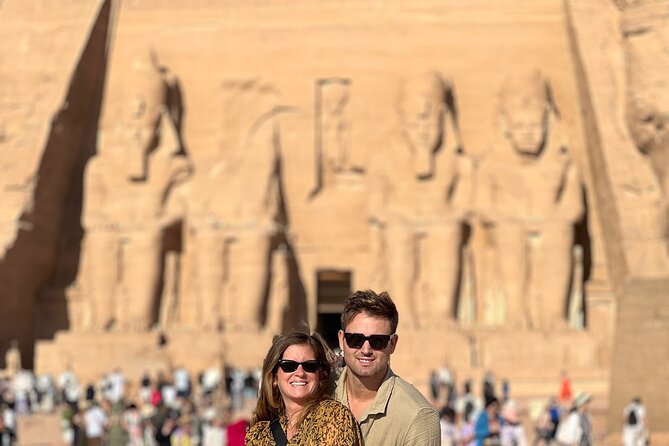
Abu Simbel is the big New Kingdom spectacle, and it’s scheduled like it matters: you check out around 4:30 AM. Then you head to Abu Simbel on a shared small group tour.
The temples were commissioned by King Ramesses II for himself and Queen Nefertari. These are rock-cut temples, shaped into monumental architecture that’s famous for its design and for how it expresses power and devotion. The timing of this outing is early because it’s the only realistic way to make the distance and still fit it into a 5-day structure.
This is also where the trip shifts from cruise comfort to a road-and-timing day. You do get guided structure, but you’ll want to be ready for a long stretch with minimal downtime. It’s the cost of doing Abu Simbel in the same package as everything else on the Nile.
Lunch is not included on the Abu Simbel day. Instead, you’ll be provided with a breakfast box for your journey. That’s helpful, but it also means you should plan for meals outside what’s included.
Then you return to Aswan and get transfer arrangements to your Aswan airport, railway station, or hotel. The idea is to finish with simple logistics after a very demanding day.
Price and Entrance Fees: Is $1,200 Good Value for This Route?
Let’s make this real. $1,200 per person is not cheap on its own. But this price is covering several expensive and time-consuming pieces:
- 4 nights on a 5-star Nile cruise with full-board meals
- a professional guide
- pickup assistance into Luxor and transfers out of Aswan
- the hot-air balloon ride
- organized visits to Luxor, Edfu, Kom Ombo, Aswan, and Abu Simbel
The biggest separate cost is entrance fees, listed as about $40, plus tipping. You’ll also likely spend a bit on personal expenses like drinks, snacks, and any optional add-ons you choose at Aswan.
So is it a good deal? For the specific combination you get—cruise plus balloon plus a structured temple circuit—yes, it tends to be solid value compared with booking each part separately and trying to manage intercity transfers alone. You’re paying for coordination, comfortable rest between long days, and a guide who helps you make sense of what you’re seeing.
If you’re the kind of traveler who wants control and prefers DIY planning, you might be able to build a similar trip for less. But you’d probably give up at least some of the smooth flow and included comforts that make this route easy.
Who This Cruise Suits Best (and Who Might Want to Skip It)
This kind of package fits you best if you:
- want the major Nile temples without constantly changing hotels
- like guided context so the carvings and wall scenes don’t stay mysterious
- enjoy cruises and want time onboard—not only temple queue time
- care about doing Abu Simbel even if it means an early morning
It’s also a good match for couples and small groups who want an organized rhythm. The group size is capped at a maximum of 20 travelers, so it’s not a huge crowd experience. That tends to make it easier to manage tours and keep attention on the guide.
Where it might not fit is if you hate early starts or long travel days. Abu Simbel alone starts around 4:30 AM, and the day runs long. Also, because entrance fees and tipping aren’t included, you should go in with a realistic budget for those extras.
Finally, this is a weather-dependent experience because the balloon ride requires good weather. If weather isn’t cooperating, you’ll need flexibility—though the experience provider notes that you’ll be offered a different date or a full refund if cancellation happens due to weather.
Should You Book This 5-Day Luxor to Aswan Cruise with Balloon and Abu Simbel?
If you want one trip that checks the boxes—Luxor temples, West Bank highlights, Edfu and Kom Ombo, Aswan’s famous sites, and Abu Simbel—this is a strong booking. The biggest strength is how the days connect: you don’t just race between stops. You get ship downtime, meals onboard, and a guide who can turn monuments into understandable scenes.
Book it if:
- you’re excited by the balloon over Luxor’s West Bank
- you value a full-board 5-star cruise base
- you’re okay paying extra entrance fees on top of the listed price
Maybe skip or reconsider if:
- early mornings are a deal-breaker
- you prefer totally DIY travel and would rather plan your own transfers and tickets
FAQ
FAQ
What is included in this 5-day cruise experience?
It includes a hot air balloon ride over Luxor’s West Bank, pickup from the airport, accommodation for 4 nights on a 5-star cruise on a full board basis, a professional guide, and assistance during your stay and excursions. Dinner, breakfast, and lunch are included as listed.
How long is the tour?
The duration is 5 days approximately.
Does the tour include ballooning, and when does it happen?
Yes. The hot air balloon ride over Luxor’s West Bank is included and takes place early in the morning, with a flight time listed between 40 and 60 minutes.
Which temples and sites are visited?
The trip includes Karnak and Luxor Temple in Luxor, plus Deir el Bahari, the Colossi of Memnon, and the Valley of the Kings. It also includes Edfu Temple, the Temple of Kom Ombo, Aswan High Dam, Philae Temple, and Abu Simbel Temple Complex.
Are entrance fees included?
No. Entrance fees are not included and are listed as about $40.
Are meals included during the cruise?
Yes. The experience lists breakfast (4), lunch (4), and dinner (4) as included.
Is lunch included on the Abu Simbel day?
No. Lunch is not included on the Abu Simbel day, but you are provided with a breakfast box.
How big is the group, and is Abu Simbel a small-group tour?
The experience has a maximum of 20 travelers. Abu Simbel is described as a shared small group tour.
What happens if the balloon ride can’t run due to weather?
This experience requires good weather. If it’s canceled due to poor weather, you’ll be offered a different date or a full refund.
Can I get a full refund if I cancel?
Free cancellation is available up to 24 hours in advance of the experience start time for a full refund. If you cancel less than 24 hours before, the amount paid is not refunded.