Early mornings are worth it for ancient Egypt. This private Dendera and Abydos tour from Hurghada is built around two big temple visits, with an Egyptologist guide and time to actually take it in.
You start early, ride out comfortably, and spend the day at sites tied to Hathor and Osiris.
What I like most is the combination of a private setup (just your group) and real temple explanations from an Egyptologist, including what to look for at Dendera and Abydos. Another strong point is practical comfort: air-conditioned transport plus lunch included, so you’re not spending the whole day hunting for food.
One consideration: this is a long day that starts at 5:00am, and it runs on good weather. If conditions are poor, the plan can change, so manage your expectations for an early start.
In This Review
- Key highlights you’ll feel right away
- Early pickup from Hurghada to Dendera: where the day is won or lost
- Dendera Temple and the Temple of Hathor: what to watch for
- Abydos and the Temple of Osiris: the afterlife connection that makes it click
- Egyptologist guides, private groups, and how names can hint at your day
- Lunch, air-conditioned comfort, and mobile ticket ease
- Price and value: how $80 stacks up for two temple sites
- Who should book this Dendera and Abydos day from Hurghada
- Should you book? A clear decision guide
- FAQ
- What time does the tour start?
- How long is the Dendera and Abydos trip?
- Is pickup included?
- Is the tour private?
- What’s included in the price?
- Is tipping included?
- Does the tour depend on weather?
- What’s the cancellation window for a refund?
Key highlights you’ll feel right away
- 5:00am start that gets you to Dendera early enough to enjoy the sites at a calmer pace
- Egyptologist-led temple walkthroughs at both Dendera and Abydos
- Private tour for your group, ideal for questions, photos, and going at your speed
- Lunch included and transport in an air-conditioned vehicle for the long drive
- Punctual pickup and a day described as well organized by past guests
- Mobile ticket provided, making check-in simpler on the ground
Early pickup from Hurghada to Dendera: where the day is won or lost
This tour is designed for people who like their history with momentum. You begin at 5:00am with pickup offered from your hotel area, and you’ll then head toward the Dendera temple site (the route notes also mention starting from the Safaga cruise area, so confirm where you’re picked up when you book).
The payoff comes from timing. You arrive at Dendera around 08:30, which matters because temple sites can get crowded later in the day. Even if you’re not chasing a crowd-free experience, arriving in the morning usually means better light for photos and more energy for walking inside big stone spaces.
Also, you’re not doing this as a solo scavenger trip. The plan includes an air-conditioned vehicle and a guide who stays with you through the key moments. For a day that lasts about 12 hours, that logistics piece makes a real difference.
You can also read our reviews of more tours and experiences in Hurghada.


Dendera Temple and the Temple of Hathor: what to watch for
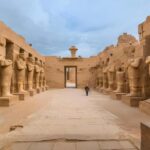
Dendera is your first major stop, and it’s the temple of Hathor—described here as the goddess of love, music, and healing. That matters because it gives you a theme to hang the visit on. Instead of just seeing rooms and walls, you can listen for the symbolic story behind what you’re standing in.
This isn’t presented as a quick look-and-go. After arrival (about 08:30), you’ll be accompanied by an Egyptologist who explains the temple’s history as you go. That changes how the site lands. You’re more likely to notice details, ask questions, and understand what you’re looking at rather than just collecting snapshots.
Here are the specific historical anchors you’ll want to remember during Dendera:
- Much of the temple was constructed during the Late Ptolemaic period, tied to Ptolemy XII and Cleopatra VII.
- Later additions came in during the Roman period.
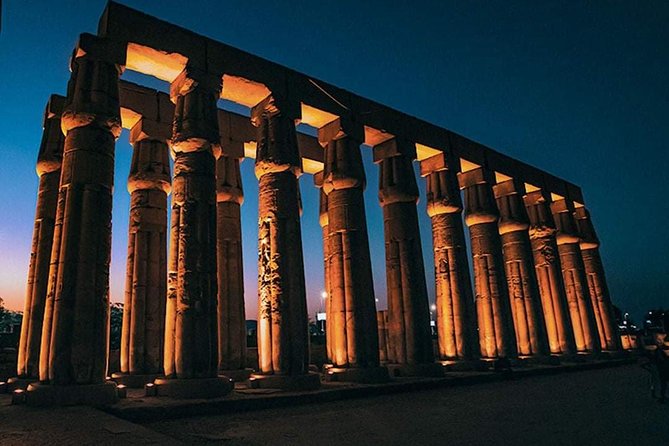
- The front of the hypostyle hall was constructed by Emperor Tiberius, identified by an inscription above the entrance.
Even if you’re not a textbook reader, those dates help you feel the layers. Dendera isn’t frozen in one moment of time. It reflects changing rulers and changing religious life, while keeping the recognizable shape of a classical Egyptian temple.
What to consider: Dendera is a temple complex. That means walking, standing, and time spent looking up. If your goal is mostly hands-on or super light activity, this might feel more involved than you expect. But if you’re here for meaningful temple context, that morning pace is a strong start.
Abydos and the Temple of Osiris: the afterlife connection that makes it click
After Dendera, you travel onward to Abydos for the Temple of Osiris. Abydos isn’t just another ancient stop—it’s framed in the tour as one of ancient Egypt’s most important religious sites, strongly associated with the afterlife.
The way the tour explains it is simple and powerful: just like people today may hope to make a pilgrimage to a major holy city, ancient Egyptians hoped to reach Abydos because it was connected with entering the afterlife. That theme helps you see why Osiris matters here. Instead of treating Osiris as only a name on a wall, you’re seeing the emotional reason people went: a hope tied to what comes after death.
This is where a good Egyptologist guide really pays off. The temple is old, detailed, and full of religious meaning. With the right context, you start reading the building instead of just touring it.
Practical tip: If you want the most out of Abydos, go in ready to slow down for the explanations. The tour’s format supports this because it’s private, and your guide is there to talk you through what you’re seeing.
Possible drawback: Because the schedule is packed across two sites, you’ll want to conserve energy earlier in the day. Bring water, wear comfortable shoes, and plan for a lot of walking in a long morning-to-evening itinerary.
Egyptologist guides, private groups, and how names can hint at your day
This tour is explicitly private, meaning only your group participates. That’s not just a marketing line. It changes the experience because you can ask questions without feeling rushed, and the guide can tailor explanations to what you care about (temple history, religious symbolism, or practical facts like what to look for at each entrance).
Across past experiences, several guide names come up as especially helpful. You might be guided by an Egyptologist such as Ashraf, Sayed, Hamy, or Mohamed Zaher—with praise focused on clear explanations and friendliness. On the driving side, names like Mohamed also appear, noted for being kind and punctual, and for handling unexpected issues quickly.
You should take these names as a signpost, not a guarantee. The bigger point for you: this tour aims to deliver serious explanation at the two most important temple stops, not just transportation and a ticket.
And there’s another private-tour advantage that’s easy to miss: comfort and safety. If you’re traveling solo, a well organized day with a careful driver and a guide who keeps you oriented can make the whole experience feel calmer from start to finish.
Lunch, air-conditioned comfort, and mobile ticket ease
Most temple days fail on small things: hunger, heat, and waiting around. This one includes lunch, and the group travels by air-conditioned vehicle. For a 12-hour schedule, those aren’t extras. They’re what keep the day enjoyable when you’re away from your hotel for most of the daylight.
You also receive a mobile ticket, which can reduce friction on the ground. In Egypt, that matters because check-in should feel straightforward so you can spend your time where it counts—on the temples.
One note: tipping is not included. That means you should budget a bit for your driver and guide if you feel they did a great job. Tipping expectations vary by traveler and situation, but building in that small extra cost prevents any end-of-day stress.





Price and value: how $80 stacks up for two temple sites
At $80 for a roughly 12-hour private day tour with pickup, a guide, lunch, and air-conditioned transport, the value can be strong—especially compared with tours that only provide basic entry access.
Here’s what you’re paying for that actually affects your experience:
- Private format: your group gets dedicated attention instead of sharing explanations with strangers.
- Egyptologist guidance at both stops, not just at one.
- Two major temples in one day: Dendera (Hathor) and Abydos (Osiris).
- Included lunch and air-conditioned vehicle, which protects your energy.
If you’re the type of traveler who enjoys learning, the Egyptologist piece is the main value driver. If you’re mainly there for photos with minimal context, you may still enjoy the temples, but your experience will depend more on your own interest in the explanations.
My practical take: For a one-day temple target from Hurghada, this is priced like a serious day trip rather than a low-cost transfer. If you want history you can follow, that cost makes sense.
Who should book this Dendera and Abydos day from Hurghada
This tour fits best if you:
- Want two temple sites handled in one organized day
- Like context—dates, symbolism, and how the temples connect to religion
- Prefer private pacing and the freedom to ask questions
- Appreciate early starts to make the day work smoothly
It may be less ideal if:
- You dislike very early pickups (the start is 5:00am)
- You want a short excursion (this is about 12 hours)
- You’re traveling on days where good weather might not happen (the tour notes say weather matters)
Should you book? A clear decision guide
If you’ve been considering Dendera and Abydos but worried the trip would be hard to organize from Hurghada, this is a solid, structured choice. The biggest reasons are the early arrival, private group format, and the fact that you get Egyptologist explanations at both sites.
I’d book it if your priority is to understand what you’re seeing at Hathor in Dendera and Osiris in Abydos, not just to tick boxes. I’d think twice if you need a slower day, or if early mornings and long drives are tough for you.
FAQ
What time does the tour start?
The tour start time is 5:00am.
How long is the Dendera and Abydos trip?
The duration is about 12 hours.
Is pickup included?
Yes, pickup is offered from your hotel area, and the route notes include Safaga cruise pickup.
Is the tour private?
Yes. It’s a private tour/activity, and only your group will participate.
What’s included in the price?
Included features are lunch and an air-conditioned vehicle, plus mobile ticket and Egyptologist-led visits at the temples.
Is tipping included?
No. Tipping is not included.
Does the tour depend on weather?
Yes. The experience requires good weather. If it’s canceled due to poor weather, you’ll be offered a different date or a full refund.
What’s the cancellation window for a refund?
You can cancel for a full refund up to 24 hours before the experience’s start time.