REVIEW · ASWAN
4 Days Aswan Luxor Cruise with Visit in the Famous Attractions
Book on Viator →Operated by EZ Tour Egypt · Bookable on Viator
Four days on the Nile changes your pace. This Aswan to Luxor cruise is built around famous temples, guided by an Egyptologist, with time to actually enjoy the river instead of racing from stop to stop.
I like the 5-star cruise with full-board meals because it keeps the day simple: check in, eat, tour, repeat. I also love the small group setup (max 10 travelers) since it makes questions easier and reduces the chaos you get on bigger tours.
One thing to watch is the entrance-fee situation. The tour notes say entrance fees for sites are not included, while several stops list admissions as included or free—so you’ll want to confirm what you personally pay before you arrive.
In This Review
- Key highlights worth your attention
- Why this Aswan to Luxor cruise feels different from a day-tour sprint
- Your 5-star floating base: meals, comfort, and how the day stays organized
- Day 1 in Aswan: Philae Temple and the High Dam with UNESCO in the background
- Philae Temple: Isis, relocation, and Roman-era layers
- Aswan High Dam: a monument to engineering as much as empire
- Day 2: Abu Simbel if you choose it, then Kom Ombo and Edfu by evening
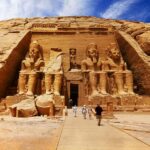
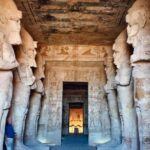
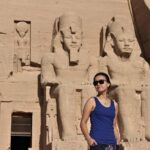
- The optional Abu Simbel early morning: massive Ramses II temples
- Kom Ombo: Graeco-Roman temple walls and the sunset mood
- Edfu: dinner, galabia, and an evening party twist
- Day 3 in Luxor: Karnak’s scale, then Luxor Temple at sunset
- Karnak Temple: Ipet-isu and the sheer size of devotion
- Luxor Temple: Amenhotep III through Alexander the Great and beyond
- Day 4 on the West Bank: Valley of the Kings, Hatshepsut, and the Colossi of Memnon
- Valley of the Kings: hidden tombs and the New Kingdom promise
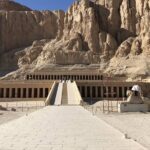
- Deir el Bahari and the mortuary temple of Hatshepsut
- Colossi of Memnon: the fast stop that still hits hard
- Price and entrance fees: what $850 really buys you
- Who should book this Nile cruise (and who might want to adjust)
- Should you book this 4-day Aswan to Luxor cruise?
- FAQ
- How long is the cruise?
- Where does this tour take place?
- Is pickup included?
- Is an Egyptologist guide included?
- Are entrance fees included?
- Is Abu Simbel part of the trip?
- What’s the group size limit?
- Is mobile ticketing used?
- Is free cancellation available?
- What if weather is bad?
Key highlights worth your attention
- Small group size (max 10) keeps your Egyptologist conversations feeling personal.
- Egyptologist-led temple tours add context at Philae, Karnak, Luxor Temple, and the West Bank.
- Optional Abu Simbel early start gives you a shot at Ramses II’s big statement temples.
- Kom Ombo + Edfu with an evening party vibe (tea time, then galabia dressing and dinner).
- Sunset timing on Luxor Temple helps you see stonework in softer light.
- West Bank day is stacked: Valley of the Kings, Hatshepsut at Deir el Bahari, and the Colossi of Memnon.
Why this Aswan to Luxor cruise feels different from a day-tour sprint
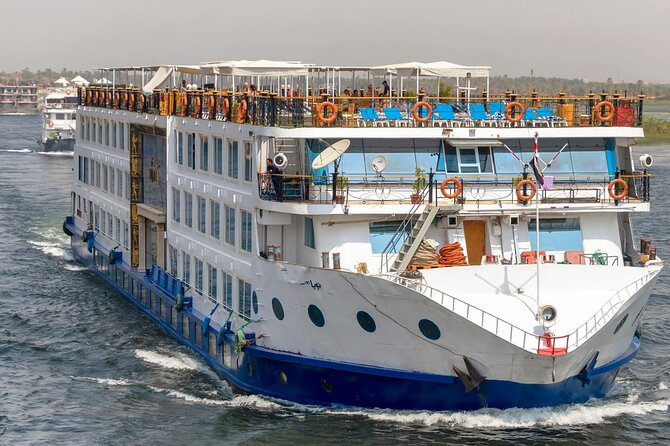
Most Egypt itineraries try to cram too much into too little time. This one works because you’re not constantly switching hotels or dealing with daily check-in drama. You sail from Aswan toward Luxor over 3 nights, so the famous sights get spread out and your “Nile calm” stays intact.
The other big difference is that the plan is built around major temple blocks rather than random photo stops. Philae in Aswan, then Karnak and Luxor Temple in Luxor, then the West Bank tomb-and-temple sequence. When you visit sites in the same stretch of days, the themes click—religion, kingship, and how monuments were designed for the next world.
And yes, the river part matters. One of the consistent notes from past guests is that the cruise sailing is peaceful, with clean, comfortable boats and excellent food. That means you’re not just “transported” between ruins. You’re actually living on the Nile for a few days.
You can also read our reviews of more boat tours in Aswan
- 4-Days Nile Cruise From Aswan To Luxor including Abu Simbel and Hot Air Balloon
★ 5.0 · 3,142 reviews
Your 5-star floating base: meals, comfort, and how the day stays organized
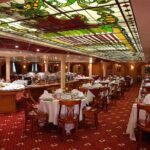
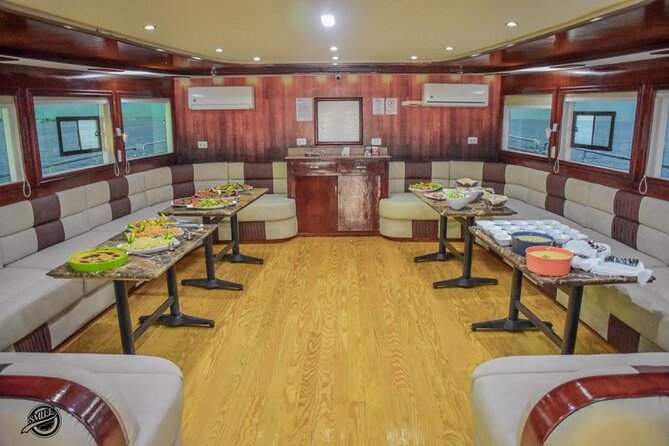
You’re scheduled for 3 nights on a 5-star Nile cruise on a full-board basis, with breakfast, lunch, and dinner included across the trip. That’s a real value point in Egypt, where eating can turn into a guessing game if you’re not careful. Here, the day is structured so your main meals aren’t something you scramble for after a long site visit.
The itinerary also includes a tour guide Egyptologist for the key temple stops, plus an air-conditioned vehicle for transfers where needed. One practical result: when you hit a site, you’re not waiting around for the group to reform. Past reviews also praise smooth timing and guides who are ready at each stop, which matters a lot when you’re dealing with buses, boats, and crowds in historical areas.
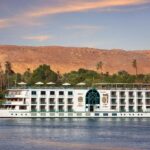
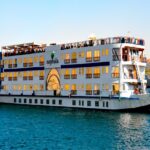
Ships used for this type of trip can vary. Guests have reported cruises such as Ms. Adonis and Blue Shadow, including details like a cabin setup with an openable panoramic window. You should treat the ship as part of the package quality, but also confirm your exact vessel before you travel if you have preferences.
Day 1 in Aswan: Philae Temple and the High Dam with UNESCO in the background
Your first day starts with arrival in Aswan, check-in on the cruise, a welcome meeting, and lunch on board. Then you move into two of Aswan’s defining landmarks: Philae Temple and the Aswan High Dam.
Philae Temple: Isis, relocation, and Roman-era layers
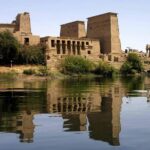
Philae is dedicated to the goddess Isis, and it sits in a setting shaped by history twice over: first as a sacred complex, then again when UNESCO relocation saved it after the Aswan Dam threatened the original site. That context changes how you read the place. You’re not just looking at stones; you’re seeing a monument preserved through modern intervention.
The tour time is 2 hours, and you’ll get a guided look at shrines and sanctuaries tied to Isis, including references like Trajan’s Kiosk and Pharaoh’s Bed. The Roman spread of the Isis cult is also part of the explanation, which helps you understand why you can find her influence far beyond Egypt in antiquity.
Aswan High Dam: a monument to engineering as much as empire
After Philae, you head to the High Dam. The numbers alone are attention-grabbing: the dam stretches 3,600 meters, is 980 meters thick at the base, and rises 111 meters at its highest point. It’s tied to Lake Nasser, which forms behind the dam and supports irrigation and electricity across Egypt.
This stop is one of those “modern history meets ancient history” moments. The temples are about gods and kings. The dam is about water, power, and the ability to control nature. It’s a helpful contrast on Day 1.
A few more Aswan tours and experiences worth a look

Day 2: Abu Simbel if you choose it, then Kom Ombo and Edfu by evening
Day 2 is where the itinerary starts to feel like a whole week packed into one day—without making it miserable—because you still have that cruise rhythm.
The optional Abu Simbel early morning: massive Ramses II temples
If you add Abu Simbel, you’re picked up early from the cruise and driven in a private air-conditioned vehicle. You get about 2 hours on site to visit the two temples built by Ramses II.
This is the kind of experience that’s hard to replace once you’re gone. The temples are famously grand, and they’re described as among Egypt’s most notorious sights after the Giza Pyramids. The “optional” part matters because it requires an early start, but if you’re the type who wants one standout wow moment, Abu Simbel often does that job.
Kom Ombo: Graeco-Roman temple walls and the sunset mood
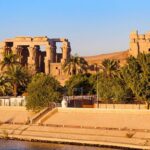
After lunch, the cruise navigates to Kom Ombo. You’ll have time for photos around sunset, then tea time on the sundeck before the guided visit.
Kom Ombo’s temple is described as built during the Graeco-Roman period (332 BC to AD 395), with an earlier structure from the 18th dynasty leaving little behind. That mix of layers gives you something different than the New Kingdom temple style you’ll see at Karnak and Luxor Temple later.
Edfu: dinner, galabia, and an evening party twist
After Kom Ombo, the cruise continues to Edfu. Dinner is served on board, with an “oriental party” element afterward where you dress in galabia. If you’ve been picturing Egypt as purely solemn tombs and silent halls, this is a nice contrast—more social, more lighthearted.
Not every cruise offers this kind of evening energy, so I’d treat it as a bonus if you’re traveling with a group that likes a shared experience.
Day 3 in Luxor: Karnak’s scale, then Luxor Temple at sunset
You arrive in Luxor in the afternoon, then the Egyptologist-led schedule kicks in.
Karnak Temple: Ipet-isu and the sheer size of devotion
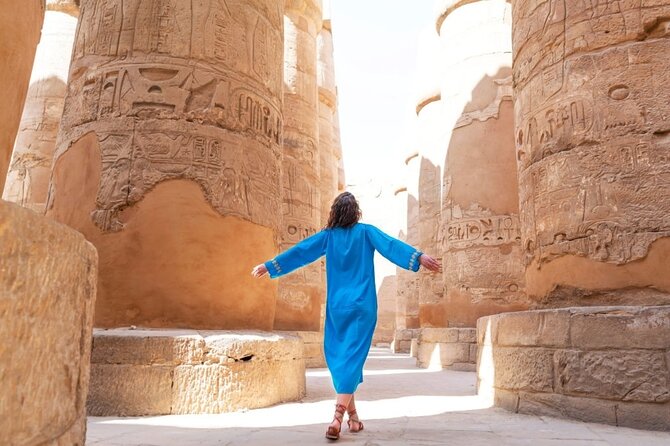
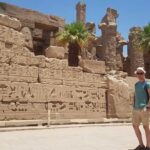
Karnak is the big-ticket temple in Luxor, described as the largest religious building ever constructed. You’ll hear the name Ipet-isu, meaning most select of places, and then you’ll understand why.
The guide includes the famous Hypostyle hall details: 54,000 square feet with 134 columns. The sacred lake dimensions are also part of the story (about 129 by 77 meters). Those numbers aren’t just trivia. They help you grasp how a temple complex was built like a city—dedicated over centuries to the Theban triad of Amun, Mut, and Khonsu.
The practical upside of having a guided framework here: when you stand in the courtyard and look across columns, you’re not just admiring. You’re reading. You start noticing why certain rooms mattered and how the complex worked as a system.
Luxor Temple: Amenhotep III through Alexander the Great and beyond
After Karnak, you visit Luxor Temple, with timing designed for sunset. Luxor Temple is linked to Amenhotep III (built), later completed by Tutankhamun and Horemheb, and added to by Ramses II.
One cool detail: there’s a granite shrine dedicated to Alexander the Great from 332 to 305 BC. The tour also touches the temple’s later life—how it stayed in worship for centuries, then changed during the Christian era, and was buried under Luxor’s modern layers before being uncovered. Even the mosque of a Sufi Shaykh that sits over parts of the site is part of the explanation, which shows how living communities can preserve ancient spaces even while using them.
Day 4 on the West Bank: Valley of the Kings, Hatshepsut, and the Colossi of Memnon
The West Bank day is structured to feel like a journey from the royal underworld to a royal memory carved into cliffs.
Valley of the Kings: hidden tombs and the New Kingdom promise
After breakfast, you cross the Nile and go to the Valley of the Kings. This is where pharaohs weren’t just placed in visible monuments. They were hidden away in underground mausoleums built as elaborate preparations for the next world.
The tour framing centers on the New Kingdom (1539 to 1075 BC) and highlights royal burials including Tutankhamun, Seti I, and Ramses II, plus queens, high priests, and other elites across the 18th, 19th, and 20th dynasties. The emphasis on mummification is part of the story of why these tombs were built the way they were: continuing life and the expectation that the pharaoh would join the divine.
This visit usually takes 2 hours. It’s enough time to see how the valley works without rushing through details you might miss.
Deir el Bahari and the mortuary temple of Hatshepsut
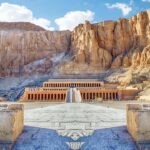
Next is the Temple of Hatshepsut at Deir el Bahari, sitting under stark cliffs. The temple is known for stepped platforms, pillared porticoes, and detailed reliefs against the desert backdrop.
The guide focuses on Hatshepsut’s role. She was the eldest daughter of Thutmose I, became queen regent after Thutmose II died, and eventually adopted the title of pharaoh for more than two decades. She’s described as one of ancient Egypt’s first female pharaohs, which gives the site extra power. You look at the architecture and it starts to feel like propaganda, power, and survival all at once.
Colossi of Memnon: the fast stop that still hits hard
The last stop is the Colossi of Memnon. These are two monumental seated statues of Amenhotep III, 60 ft (18 meters) high, carved from single blocks of sandstone and weighing 720 tons each.
The tour time here is short—about 20 minutes—because the statues are basically the whole show. Still, facing east toward the Nile, they’re one of those moments where scale does the talking.
Price and entrance fees: what $850 really buys you
At $850 per person, this package is priced around 3 nights on a 5-star Nile cruise plus guided temple touring and meals. The included basics are strong: full board, air-conditioned vehicle, a tour guide Egyptologist, and food across breakfast, lunch, and dinner.
But the key cost clarity issue is entrance fees. The tour data says entrance fees to all sites are not included. At the same time, multiple stops list admission tickets as free or included. That contradiction means you should treat this as a must-confirm item before you pay in full.
If entrance fees end up on you, they can move the final price upward. If they’re actually handled as included at most stops, then you’re getting better value than the fee note alone suggests. Either way, you’ll want a clear written breakdown so you’re not doing math at the ticket counter.
Also consider that the optional Abu Simbel requires private transfer by air-conditioned vehicle and an early schedule. If you’re stretching your budget, decide whether Abu Simbel is your one “must” or if you’d rather keep the day more relaxed.
Who should book this Nile cruise (and who might want to adjust)
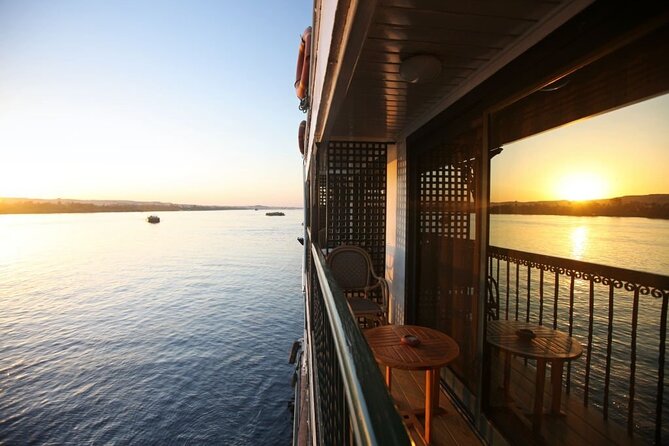
This cruise fits best if you want a structured Egypt highlight path without turning the trip into a constant travel grind.
You’ll likely enjoy it if:
- You like guided context, not just wandering ruins.
- You want both classic temple sites and a full West Bank day.
- You appreciate small group dynamics (max 10).
- You value meals being handled for you on a cruise ship.
You might reconsider if:
- You dislike early mornings, since Abu Simbel is optional but would be the toughest start of the trip.
- You’re picky about exact cruise ship details. The boat can vary, and while reviews praise cleanliness and comfort, you still should confirm what you’re getting.
- You hate surprises around entrance fees, given the include-not-include mismatch in the information you have.
Should you book this 4-day Aswan to Luxor cruise?
If your goal is to see the big icons—Philae, Karnak, Luxor Temple, the Valley of the Kings, Hatshepsut—while staying comfortable on a 5-star Nile boat with meals handled, I think this is a smart pick. The pacing works because it’s designed around sailing between Aswan and Luxor, not between quick photo stops.
My advice: before you book, confirm two things in writing. First, whether entrance fees are truly included or not for the specific sites on your departure. Second, whether you’re joining the optional Abu Simbel and how early pickup will feel for your group.
Do that, and you’ll be set up for a trip that mixes quiet Nile time with some of Egypt’s most unforgettable stone-and-story moments.
FAQ
How long is the cruise?
The experience runs for 4 days (approx.).
Where does this tour take place?
It’s in Aswan, Egypt, and the cruise travels from Aswan toward Luxor with excursions at both ends.
Is pickup included?
Pickup is offered.
Is an Egyptologist guide included?
Yes. The tour includes a tour guide Egyptologist.
Are entrance fees included?
Entrance fees to all sites are listed as not included. Some stops also indicate admission tickets as free or included, so you should confirm the exact situation for your departure.
Is Abu Simbel part of the trip?
Abu Simbel is listed as optional, with early pickup and about 2 hours to visit the two temples.
What’s the group size limit?
The maximum group size is 10 travelers.
Is mobile ticketing used?
Yes, the tour includes mobile tickets.
Is free cancellation available?
Free cancellation is available. You can cancel up to 24 hours in advance for a full refund.
What if weather is bad?
The experience requires good weather. If it’s canceled due to poor weather, you’ll be offered a different date or a full refund.
You Might Also Enjoy
More 4-Day Experiences in Aswan
More Boat Tours & Cruises in Aswan
- 4-Days Nile Cruise From Aswan To Luxor including Abu Simbel and Hot Air Balloon
★ 5.0 · 3,142 reviews
More Tour Reviews in Aswan
- 4-Days Nile Cruise From Aswan To Luxor including Abu Simbel and Hot Air Balloon
★ 5.0 · 3,142 reviews