REVIEW · LUXOR
Private Guided tour Valley of the King ,Queen Hatshepsut, &Memnon
Book on Viator →Operated by Luxor Travels · Bookable on Viator
Royal tombs and royal women, in one day. I like the private air-conditioned vehicle and the licensed Egyptologist who ties the sites together so you actually understand what you’re seeing. One thing to plan for: entrance fees are not included in the $45 price, so you’ll want to budget extra before you go.
This is the kind of Luxor day that gives you both the big-picture wow and the small-picture detail. You’ll hit Karnak Temple on the East Bank (the largest place of worship ever built), then cross to the West Bank for the Valley of the Kings and the temples tied to major rulers like Hatshepsut, Ramses, and Tutankhamun. It’s paced with short, focused stops—great for energy, but don’t expect long lingering sessions inside tombs.
The tone here is practical and personal. With a private guide and vehicle, you can move at a speed that fits your group, and your guide can help you with priorities and timing. Past guests have also praised guides like Khalid, Mohammed, and Ragab for being flexible with pickup details and helpful when problems pop up (like a broken shoe), which matters more than people think.
In This Review
- Key things to know before you book
- A long Luxor day: 8:00am start, but plan for a marathon feel
- Your Egyptologist guide: story first, not just photos
- Karnak Temple on the East Bank: the scale that makes everything else click
- Necropolis of Thebes and the Valley of the Kings: where the story turns to real rulers
- Tomb of Ramses III (KV 11): painted reliefs and the surprising human side
- Tomb of Ramesses IX: the ceiling goddess Nut and a grand sarcophagus
- Tomb of Merenptah: symbolism, design changes, and Howard Carter’s discovery
- Temple of Hatshepsut at Deir el-Bahari: why this stop anchors your day
- Tomb of Tutankhamun (Tut): a quick visit with a big name
- East Bank add-ons: Luxor Temple, Colossi of Memnon, and Ramses III’s temple
- Lunch at a local establishment: fuel that keeps the day fun
- Price and entrance fees: where your real budget lands
- How to get the most from tomb time (and not feel rushed)
- Who this tour is best for
- Should you book this Valley of the Kings, Hatshepsut, and Memnon tour?
- FAQ
- What time does the tour start?
- How long is the tour?
- Does the tour include hotel pickup and drop-off?
- Is lunch included?
- Are entrance fees included in the price?
- Is this a private tour?
- How large is the group?
Key things to know before you book
- Air-conditioned private transport to cut the heat stress between East Bank and West Bank stops
- Licensed Egyptologist guidance focused on what each site meant and how the story connects
- Real tomb variety: you’ll see multiple royal tombs in the Valley of the Kings, not just one quick photo stop
- Hatshepsut at Deir el-Bahari: a strong historical stop with context for Egypt’s royal line
- Tight tomb timing (around 25 minutes each for several tomb visits), so choose what matters most to you
- Entrance fees extra: the tour price covers guiding and transport, but ticket costs come separately
A long Luxor day: 8:00am start, but plan for a marathon feel
The tour starts at 8:00am, which is the smart way to do Luxor. You get moving early before the heat spikes and before the day gets crowded. The duration is listed as about 5 hours, but the day is also described as roughly 8 hours of guided touring with transportation—either way, you’re signing up for a long, active day.
That’s not a deal-breaker. In fact, it’s often why people love this format: you’re not spending your whole vacation figuring out logistics. You’re in the hands of a guide with a vehicle, and you’re rolling from one major monument to the next with minimal hassle.
The main consideration is stamina. Tombs and temples mean walking, climbing in and out of sites, and standing around for views. If your ideal day is slow and sleepy, this might feel like work. If your ideal day is “I want to see the big monuments and understand them,” it fits.
You can also read our reviews of more guided tours in Luxor
Your Egyptologist guide: story first, not just photos
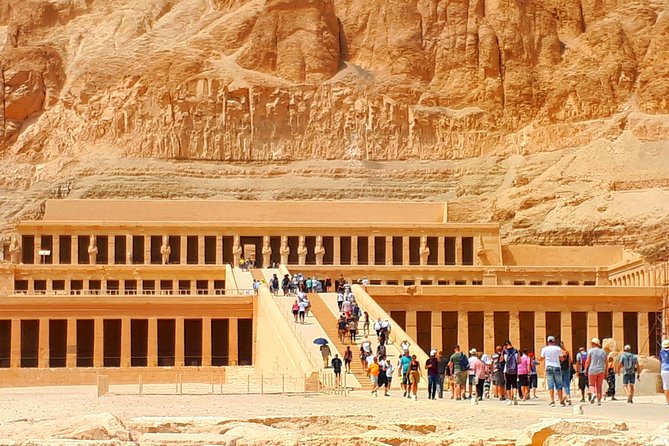
This is a private guided tour with a qualified Egyptologist guide and your own vehicle. That matters because Luxor can feel like a pile of monuments if nobody explains the connections. With an Egyptologist, you’re not just looking at carvings—you’re learning what they were doing there, who commissioned things, and what symbols meant.
I also like the practical side of the guiding. In this kind of private setup, your guide can help you manage the day in real time—what to prioritize, how to pace your tomb time, and how to get your tickets handled efficiently. Past guests specifically praised guides for taking lots of great photos and for being hands-on when small problems happened. That’s the difference between a tour that’s “fine” and one that actually feels smooth.
One more perk of going private: you can ask questions that come up while you’re standing there. If you care about royal names, timelines, or how tomb art is arranged, an Egyptologist can answer on the spot instead of saving everything for the end.
Karnak Temple on the East Bank: the scale that makes everything else click
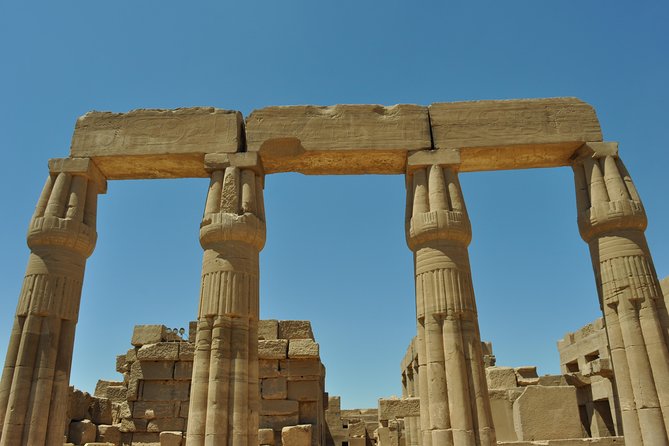
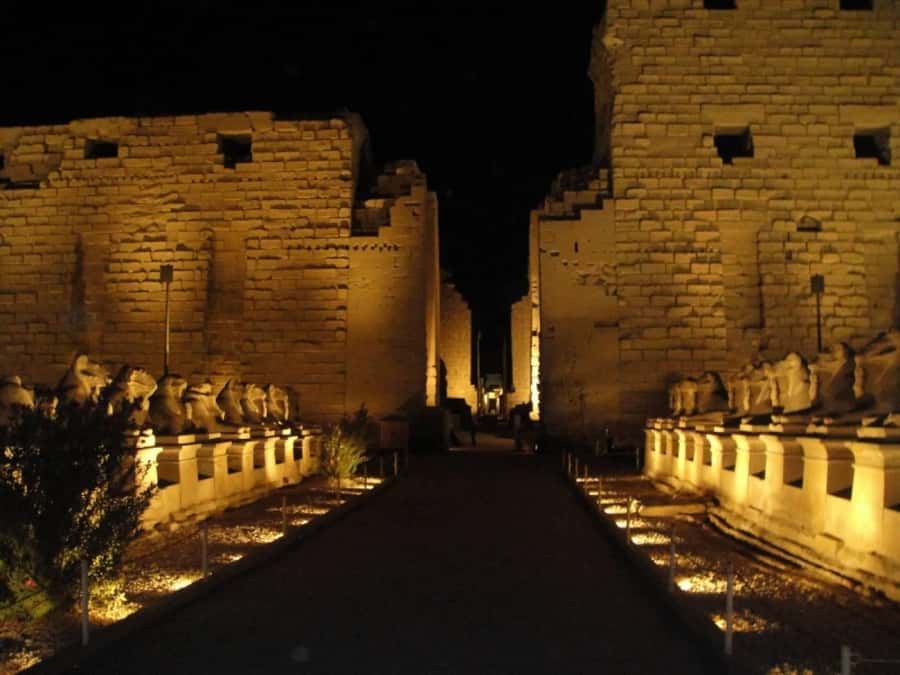
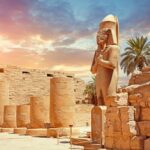
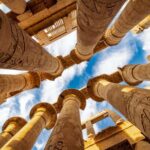
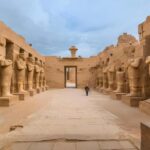
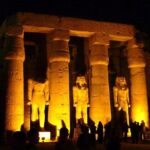
Karnak Temple is one of those places where the sheer size pulls you in fast. It’s described as the largest place of worship ever built, and that claim isn’t marketing fluff—it’s the kind of scale that changes how you see the rest of the monuments. Seeing Karnak early in the day gives you the right mental frame for what’s happening later on the West Bank.
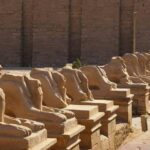
On a guided visit, Karnak becomes more than “big halls and columns.” Your guide can connect it to the broader culture of worship and power in ancient Egypt, so the later royal sites feel less random. It also helps to have an organized route. Karnak is not a place where you want to wander without a plan if you’re short on time.
Practical note: plan to stay flexible with pacing. Even in a private tour, time moves depending on your group’s questions and photo stops. The guide’s job is to keep it Egypt-focused, not rushed.
Necropolis of Thebes and the Valley of the Kings: where the story turns to real rulers
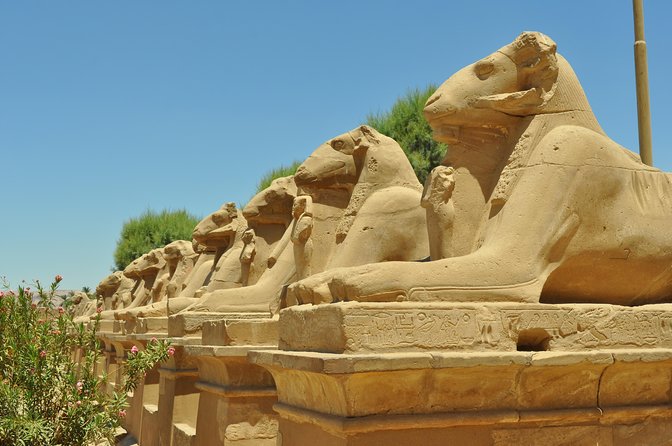
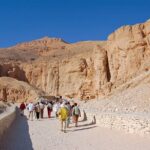
The West Bank is where Luxor’s “wow” becomes personal. The Necropolis of Thebes is the setting for the Valley of the Kings, and you can feel the shift the moment you’re away from the temples of the East Bank.
In this tour, you’ll spend about 2 hours in the Valley of the Kings area. That’s enough time to get a sense of how the necropolis works as a whole, then move into multiple royal tombs. You’re not just chasing one highlight; you’re seeing different rulers represented through different tomb designs and decoration choices.
The value of multiple tomb visits is context. When you compare one pharaoh’s tomb approach with another, you start noticing patterns—and differences. It’s also a good way to avoid the “tomb burnout” that happens when you rush too much. Short visits work well here because each tomb can be a world on its own.
Tomb of Ramses III (KV 11): painted reliefs and the surprising human side
One of the standout stops is the Tomb of Ramses III, identified as KV 11. This tomb is known since antiquity, but what you’re really going for is the decoration. You’ll see colorful painted sunken reliefs with traditional ritual texts—things like the Litany of Ra and the Book of Gates—and images of Ramses before the gods.
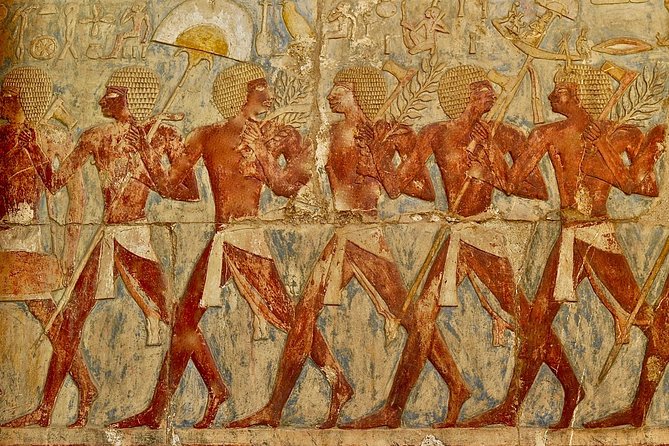
Here’s what makes this tomb especially interesting: the description points out unusually detailed secular scenes in side areas, including foreign tributes. That includes highly detailed pottery imported from the Aegean, royal armoury items, boats, and in a side chamber, blind harpists—one of the tomb’s alternate names is associated with them: Tomb of the Harpers.
That combination—religious texts plus human, everyday-world details—is what helps the Valley feel less like a museum and more like a snapshot of a real court. You’ll get about 25 minutes at this tomb, which is enough time to spot the key motifs without feeling stranded.
You can also read our reviews of more private tours in Luxor
Tomb of Ramesses IX: the ceiling goddess Nut and a grand sarcophagus
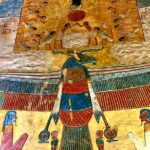
Next up is the Tomb of Ramses IX. This tomb’s description gives you a lot to look for, even if some paint has faded. The ceiling above the sarcophagi includes the goddess Nut stretching across the space, and the tomb is noted for its strong color and detail, even when parts have deteriorated over time.
The tour timing here is also about 25 minutes, so you’ll want your eyes ready for the biggest visual elements first: ceiling imagery and the sarcophagus area. The sarcophagus is described as one of the largest in the valley, which means this stop has real physical presence, even when some decoration has worn.
If you like art details—especially how Egyptian ceiling scenes relate to the afterlife—this is a smart addition to your list.
Tomb of Merenptah: symbolism, design changes, and Howard Carter’s discovery
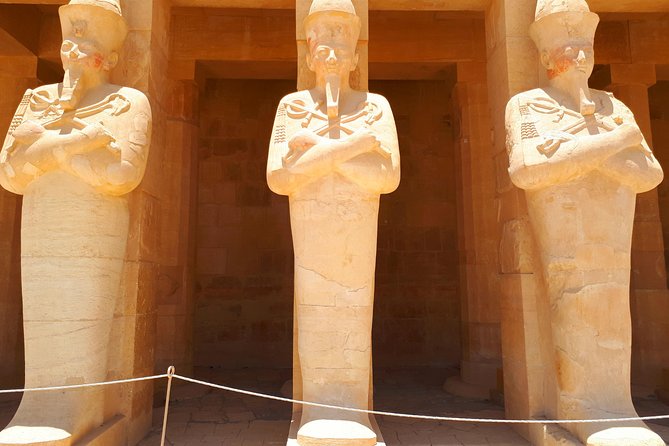
You’ll also visit the Tomb of Merenptah. The description includes myth and meaning, with Ptah (and his falcon-form deity connection) shown as a protector and craftsman figure placed in tombs to accompany the dead. That context helps you understand why certain symbols show up where they do, instead of treating everything as random ornament.
This is Tomb 8 in the Valley of the Kings area, and it’s described as the burial place of Pharaoh Merneptah, a son of Ramses II and Queen Isis-Nofret. The tomb was discovered by Howard Carter in 1903, which adds a layer of modern historical importance alongside the ancient one.
Design-wise, the description notes changes in the number of lateral rooms and a dramatic increase in the height of corridors and rooms, with changes in the axis layout compared to earlier tombs. In plain terms: the building plan can feel different as you move through spaces, and the tour’s short stop is a good way to catch those layout cues without feeling lost.
You’ll get about 25 minutes here—again, enough time to focus on the core design and decoration features.
Temple of Hatshepsut at Deir el-Bahari: why this stop anchors your day
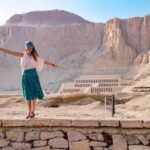
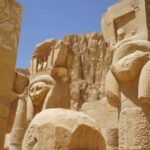
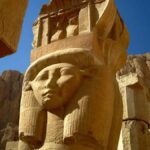
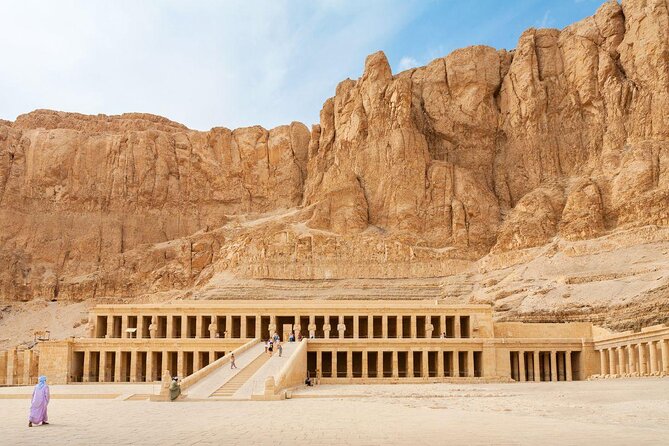
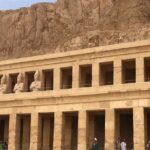
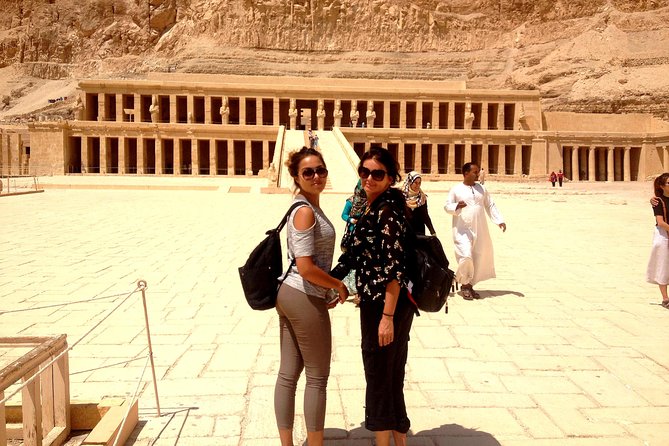
After the tombs, you’ll head to Deir el-Bahari to see the Temple of Queen Hatshepsut. The key fact your guide should bring to life is simple: Hatshepsut was the only woman to reign over Egypt as Pharaoh, and she’s described here as an ancestor of Tutankhamun and belonging to the same dynasty.
That family link matters. If you’ve just come from tombs tied to later New Kingdom rulers, this temple gives you a sense of continuity and political legitimacy. It’s not only a “pretty temple stop.” It’s a place where royal authority is visually stated.
You’ll spend about 40 minutes at Deir el-Bahari. That extra time compared to the tomb stops is useful, because temple spaces reward slower looking and taking in how the architecture sits in its setting.
Tomb of Tutankhamun (Tut): a quick visit with a big name
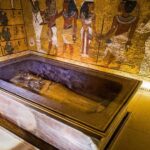
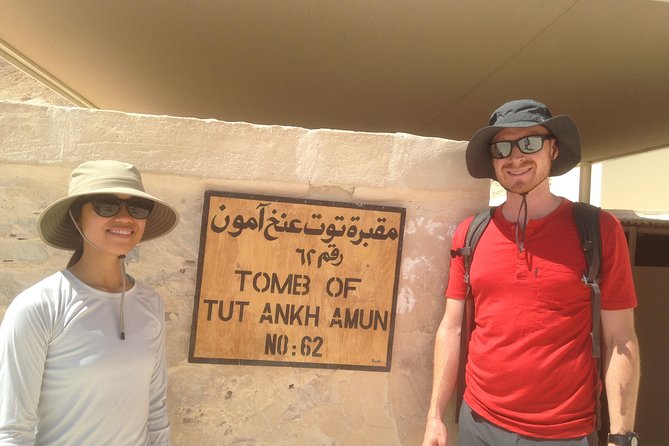
The tour includes Tomb of King Tutankhamun, with about 25 minutes allocated. Even if you don’t catch every tiny detail in that time, the point is to place Tut within the broader context of the Valley’s royal tomb tradition.
Because the stop is time-limited, you’ll want to choose what you care about most. If you’re more interested in iconography and layout, focus on how the space is organized. If you’re more about biography, ask your guide for a few clear anchors—how Tut fits into the line of rulers you’ve been seeing all morning.
And since entrance fees are not included, make sure your guide helps you handle tickets correctly so you aren’t stuck at the entrance with uncertainty.
East Bank add-ons: Luxor Temple, Colossi of Memnon, and Ramses III’s temple
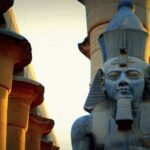
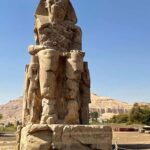
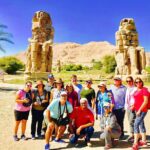
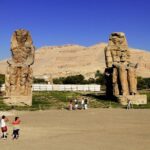
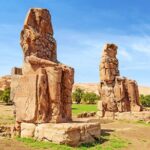
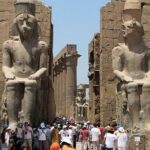
Beyond the West Bank core, the tour is designed to cover major monuments across Luxor. You’re set up to see Karnak and Luxor Temple on the East Bank, plus the Colossi of Memnon and the Temple of Ramses III as part of the wider highlights.
This mix is valuable because Luxor reads like two different worlds in one city. The East Bank monuments lean into worship and state religious display. The West Bank focuses on royal burial, transformation, and afterlife beliefs. Adding the Colossi of Memnon and Ramses III-related stops helps the day feel like a connected narrative instead of two separate excursions.
The practical side: these extra monuments are also time-management tests. If your group is more about learning than photographing, your guide will keep you moving and focused. If your group is into long viewpoints, you may need to accept that tomb time stays tight.
Lunch at a local establishment: fuel that keeps the day fun
Lunch is included as an Egyptian meal at a local establishment. That’s not just a convenience. When you’re spending hours in heat and walking between major sites, a proper sit-down meal keeps energy up and moods calmer.
You’ll likely eat at a time that fits the route. The private format helps here, because your guide can adjust the schedule slightly based on how quickly you’re moving through the monuments and how long questions take.
If you’re the type who gets cranky when hungry, this included lunch is one of the biggest value points.
Price and entrance fees: where your real budget lands
The price is $45 per person, and it includes a lot of what usually makes Luxor tours expensive: hotel pickup and drop-off, transport in an air-conditioned private vehicle, and a qualified Egyptologist guide.
What’s not included is the entrance fee total for the sites. That means the real cost of the day depends on how many tombs and monuments are ticketed as part of your route.
Here’s how I’d judge value: if you subtract the cost of a guide plus private transport (usually the priciest parts of any itinerary), the base price starts to look like a bargain. Then add the tickets, and you’ll land at a more accurate total. The key is to ask your guide upfront which tickets you’ll need so there aren’t surprises mid-day.
One more small planning note: the reviews included praise for guides advising how to view and handle entrances. In practice, that’s exactly what you want—someone who knows where the lines and ticket needs tend to be.
How to get the most from tomb time (and not feel rushed)
Several tomb stops are set at about 25 minutes each, including Ramses III (KV 11), Ramses IX, Merenptah, and Tutankhamun. That isn’t a bad thing. It forces focus.
I’d use this strategy:
- Pick one or two visual priorities per tomb. For example, for Ramses III, focus on the ritual text reliefs and the side-room secular scenes tied to foreign tributes and harpists.
- For Ramses IX, prioritize the ceiling with goddess Nut and the sarcophagus area.
- For Merenptah, watch for the symbolism tied to Ptah and the design/layout shift as you move through spaces.
- For Tut, treat it as a “recognition visit” within a larger royal timeline.
If you try to see everything at once, you’ll miss the best parts. Short stops reward intention.
Who this tour is best for
This private guided day works best if you want:
- A structured Luxor highlights route without spending your energy on transportation logistics
- Egyptologist-led context, not just wandering among monuments
- Multiple major stops across both banks, including Valley of the Kings tombs, Hatshepsut at Deir el-Bahari, and major East Bank sites
It may be less ideal if you hate tight timing. Tombs in Luxor are not like walking around a garden. You’ll be moving, staying aware of your pace, and accepting that each interior stop is brief.
Should you book this Valley of the Kings, Hatshepsut, and Memnon tour?
I’d recommend booking if you want a private, AC-comfortable Luxor day built around the big monuments that connect together: Karnak and Luxor Temples on the East Bank, then the West Bank royal necropolis with multiple Valley of the Kings tombs, plus Hatshepsut at Deir el-Bahari and the Memnon-area highlights.
Book it if you’ll appreciate interpretation—especially the details like Ramses III’s KV 11 ritual texts plus side-room scenes, or the goddess Nut ceiling moment in Ramses IX. And book it if you like the idea of getting help with tickets so your time inside matters.
I wouldn’t book it if your ideal trip is long, slow temple strolling with no pressure. The day is built to pack in a lot, and the tomb timing is designed to keep the schedule moving.
If you do book, go in knowing the entrance fees are extra, wear comfortable shoes, and bring an open mind for royal stories that jump between religion, politics, and art.
FAQ
What time does the tour start?
The meeting time is 8:00am.
How long is the tour?
The duration is listed as about 5 hours, and the day’s guided travel is also described as roughly about 8 hours. Plan for a long morning through afternoon.
Does the tour include hotel pickup and drop-off?
Yes. Hotel pickup and drop-off are included, and pickup is offered.
Is lunch included?
Yes. The tour includes lunch at a local establishment.
Are entrance fees included in the price?
No. Entrance fees are not included. The total entrance fees for the sites are paid separately.
Is this a private tour?
Yes, it’s a private guided tour with your own Egyptologist and a private vehicle.
How large is the group?
The tour lists a maximum of 15 travelers.