REVIEW · LUXOR
Private guided tour King Tut tomb Historical Tour in Luxor
Book on Viator →Operated by Luxor Travels · Bookable on Viator
King Tut’s tomb is the headline.
This full-day trip in Luxor pairs King Tut’s tomb with major temple time on both the West Bank and East Bank, with a private Egyptologist guiding you through what you’re seeing and why it mattered.
I especially like the practical setup: hotel pickup and drop-off, plus an air-conditioned minivan that keeps the long day manageable. You also get a guided pass through the key sites, with lunch included at a local restaurant and a vegetarian option if you need it.
One thing to plan for: entrance fees are not included in the $65 price. Some of the stops list admission tickets separately, so you’ll want to budget extra before you go.
In This Review
- Key things I’d mark on your Luxor map
- How the private King Tut day works from morning pickup to evening return
- Entering the Valley of the Kings: Tut, Ramses, and royal tombs
- Deir el Bahari and the Colossi: Hatshepsut’s temple on the West Bank
- Karnak Temple: where the day turns from tombs to architecture
- Lunch at Africa Restaurant: included, practical, and close to the flow
- Price and value: what $65 covers, and what costs extra
- Who this tour suits best (and who might want a different plan)
- Should you book this King Tut tomb and Karnak private tour?
- FAQ
- What time does the tour start?
- How long is the private King Tut tomb and Luxor experience?
- Is hotel pickup and drop-off included?
- Is lunch included, and do they offer vegetarian options?
- Are entrance fees included in the $65 price?
- What will I see related to King Tut?
- Is this tour private or shared with other people?
Key things I’d mark on your Luxor map
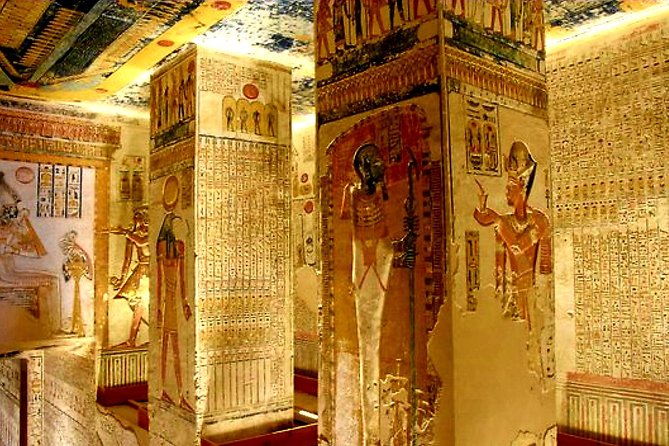
- King Tutankhamun tomb access in the Valley of the Kings: You get the face-to-face experience in the tomb famously linked to the mummy discovered in 1922.
- A real Egyptologist, not just a driver: You’ll get context as you move between royal tombs and temple spaces.
- Multiple royal tombs, not just one: Ramses III (KV 11), Merenptah, and other Valley of the Kings stops add depth beyond Tut’s story.
- Hatshepsut at Deir el Bahari: A major temple stop tied to the same dynasty thread as Tutankhamun.
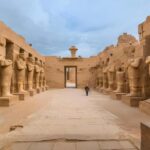
- Karnak Temple is the long afternoon payoff: Expect serious temple architecture time, including the hypostyle hall and major obelisks.
- Lunch that keeps you on schedule: Included meal time at Africa Restaurant helps you avoid the common all-day stall-and-snack trap.
How the private King Tut day works from morning pickup to evening return
This tour runs about 8 hours, starting at 8:00am. You’re picked up from central Luxor (or the harbor area) in an air-conditioned minivan, then you spend the day bouncing between Luxor’s famous West Bank sites and the big East Bank temples.
Because it’s a private tour, you’re not sharing guide time with strangers. In practice, that matters in Luxor. You’ll have more flexibility to ask questions, linger in places that pull you in, and get better help with practical stuff like pacing photo stops without feeling rushed.
The itinerary is packed with many short temple and tomb visits, so plan to stay comfortable: lightweight layers help because you’ll be outside for a lot of the day. Also, while the tour provides transport and guidance, some stops still require separate admission. That’s the one part you should treat like a budget line item, not a surprise.
You can also read our reviews of more guided tours in Luxor
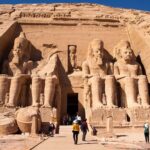
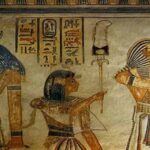
Entering the Valley of the Kings: Tut, Ramses, and royal tombs
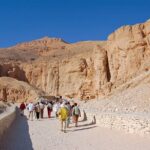
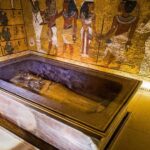
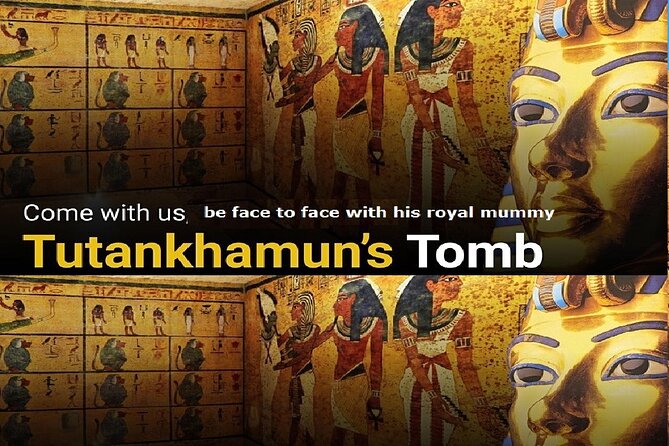
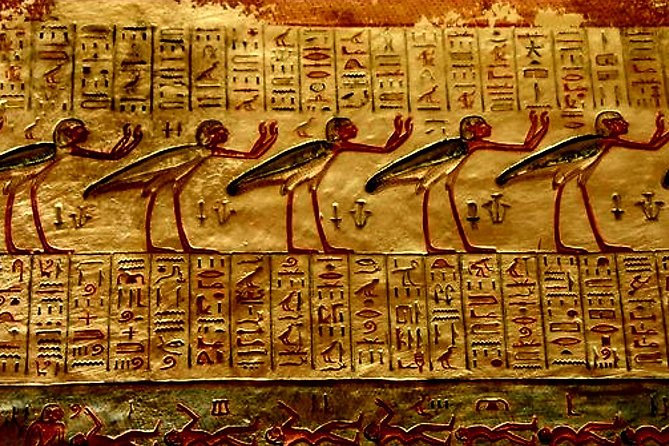
The day’s main mystery focus is the West Bank, specifically the Valley of the Kings. You’ll start with the Tomb of King Tutankhamun (Tut). This is the tomb people come for, and the experience is built around meeting Tut’s story where it was found—his mummy has become the famous draw, tied to the discovery in 1922.
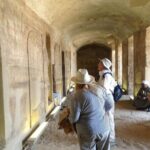
Even if you’ve read about Tutankhamun before, being in the Valley of the Kings changes the scale of the story. It’s not a museum exhibit vibe. It’s a royal burial setting, and your guide’s job is to connect names, timelines, and symbols to what you see on the ground and in the space around you.
You also get time in the broader Valley of the Kings itself, not only Tut’s tomb. After that, the tour includes additional royal tomb stops, with shorter visits that still matter because they give you a sense of how different reigns shaped tomb design and decoration.
Two standouts here are:
- Tomb of Ramses III (KV 11)
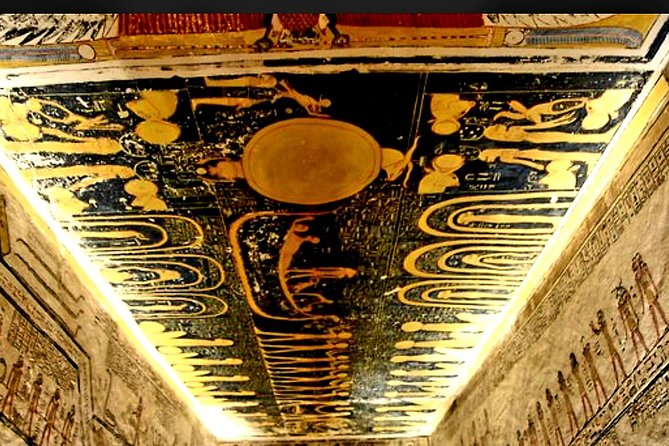
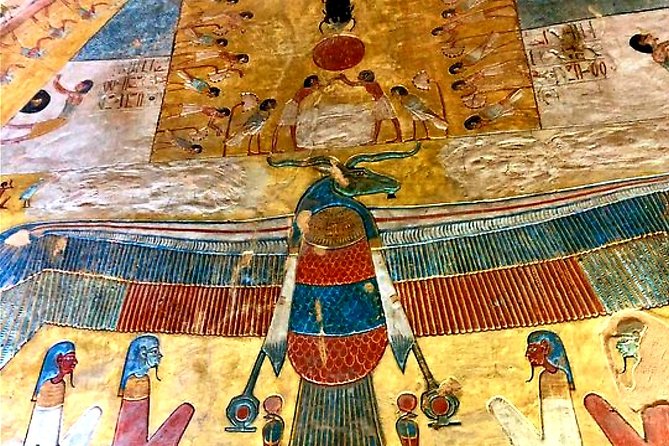
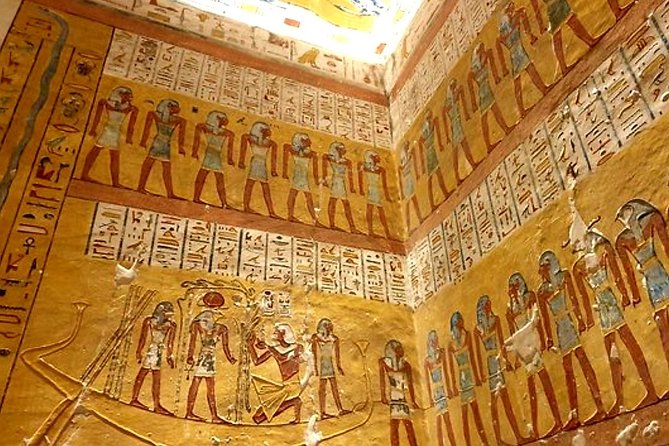
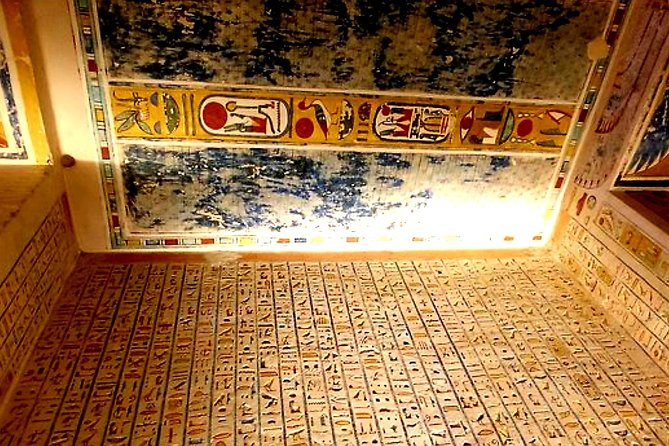
You’ll visit the tomb designated KV 11. The description highlights colorful painted sunken reliefs featuring ritual texts like the Litany of Ra and the Book of Gates. You also get the fun-but-important detail that some side-room scenes show secular moments—foreign tributes, pottery imports associated with the Aegean, royal armory items, and boats. One memorable detail is the mention of “blind harpists,” which gave the tomb an alternative name.
- Tomb of Merenptah (Tomb 8)
The tour includes the burial place of Pharaoh Merneptah, with notes that it follows the model of royal tombs and that Merneptah was the son of Ramesses II and Isis-Nofret. It also includes a historical archaeology detail: the tomb was discovered by Howard Carter in 1903.
A practical consideration: the listed time at several tomb stops is brief (some are around 10 minutes, others longer). That doesn’t mean it’s superficial—it’s more about covering multiple sites in one day. If you want slower, deeper viewing of a single tomb, a private guide helps you choose where to spend extra attention.
Also, the tour data points out that admission tickets are not included for key tombs. So, while the tour is guided and structured, you should expect to pay entrance fees on site for what’s included in the stops.
Deir el Bahari and the Colossi: Hatshepsut’s temple on the West Bank
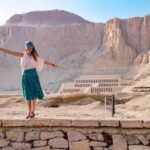
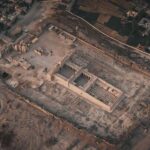
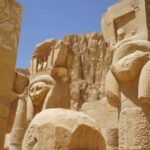
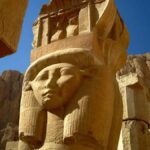
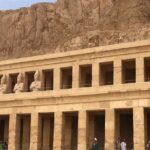
After the royal tomb focus, the route shifts into the Deir el Bahari area for the Temple of Queen Hatshepsut. This stop is special for a simple reason: Hatshepsut isn’t just another pharaoh name you’ve heard. She’s described here as the only woman to reign over Egypt as Pharaoh, and she’s also noted as an ancestor of King Tutankhamun within the same dynasty line.
That lineage detail helps a lot. You’re not bouncing around randomly across West Bank sites—you’re seeing different parts of the same dynastic story, one reign at a time.
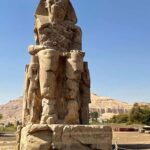
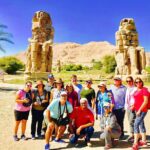
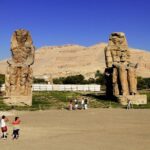
From there, the tour includes the Colossi of Memnon—two large ancient statues dating to the era of King Amenhotep III. These statues are a quick stop compared to the temples, but they’re visually powerful in a way that’s easy to understand even without a long explanation. Your guide will help you place them in the bigger picture of the site’s royal era.
If you’re sensitive to long stretches of walking, this is one part where the timing helps you. You get temple time, then shorter statue time. It’s a built-in rhythm: mystery, then scenery, then big stone statements.
Karnak Temple: where the day turns from tombs to architecture
The East Bank portion is the other big reason this tour is worth your time. Karnak Temple is the type of place where a guide makes the difference between seeing ruins and actually following the plan.
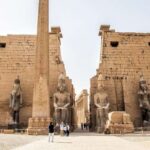
The tour includes a visit to Karnak’s complex, including major features such as:
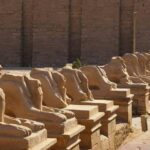
- the Avenue of Sphinxes
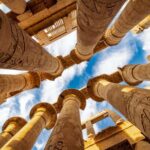
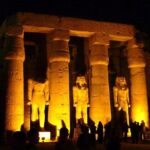
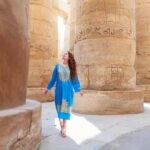
- the Hypostyle Hall with 134 gigantic columns
- obelisks linked to Queen Hatshepsut and Tutmoses I
- the Temple of Amon, described with lotus and papyrus design themes
- the Sacred Lake
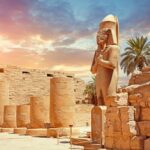
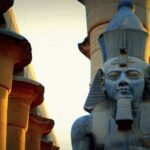
It’s also listed with additional temple stops within the Karnak complex area, including Temple of Amun (with a longer time block) and references to Temple of Ramesses III inside Karnak grounds.
If you’ve never visited Karnak before, here’s what you’ll likely appreciate most: the sheer scale of decisions ancient builders made—where they placed doorways, how they used repeating columns, why obelisks mattered. Your Egyptologist guide can connect those patterns to the religious and political meaning behind the stone.
Karnak is also a great place to take a breath. It’s less about staying quiet inside a tomb and more about walking through spaces that feel like an entire world. Yes, it can be hot, and yes, you’ll be on your feet, but it’s also where the “how did they build this” reaction kicks in.
Lunch at Africa Restaurant: included, practical, and close to the flow
The tour includes lunch at Africa Restaurant in Luxor, with a time block listed around 30 minutes. This matters because Luxor day trips often stumble on food logistics: either you lose time searching, or you end up with a rushed meal far from the main action.
Here, lunch is timed as a reset point, not a detour. There’s also a vegetarian option available, which is a real plus if you’re traveling with specific dietary needs.
Keep your expectations realistic: 30 minutes is not a long café break. It’s a power lunch. Drink water, eat what you can, and get ready to keep moving when the guide calls the group back together.
You can also read our reviews of more private tours in Luxor
Price and value: what $65 covers, and what costs extra
At $65 per person, this tour is priced to feel accessible for a full day with a private guide and transport. Here’s what you do get in the included portion:
- Qualified Egyptologist guide
- Hotel pickup and drop-off
- Lunch
- Transport in an air-conditioned minivan
What you don’t get is entrance fees. The tour states entrance fees are not included, and it notes admission tickets not included for multiple stops. That means your true total will depend on the ticket costs for the sites in the route that day.
So is it good value? For me, the logic is simple:
- If you’d rather not organize transport and ticketing yourself,
- and you want an Egyptologist to interpret what you’re seeing,
- and you like the convenience of lunch included,
then $65 can be a very fair trade. You’re paying mainly for the guide time and logistics, while you still handle entrance fees as a separate line item.
One more small planning detail: this experience is commonly booked about 73 days in advance on average. That’s a hint to book early if your dates are fixed—private slots in Luxor can get tight when you’re trying to line up a perfect morning start.
Who this tour suits best (and who might want a different plan)
This is a strong match if you want:
- a private day with an Egyptologist,
- a structured route that covers King Tut + Valley of the Kings + Karnak,
- hotel pickup and an air-conditioned car to reduce hassle,
- and a lunch stop included in the schedule.
It’s also well-suited to solo travelers or couples because private guiding makes it easier to manage photos and questions without waiting your turn. One highly praised detail you’ll appreciate in how this type of tour runs: your guide can work with you so you actually get photos, not just snapshots of back-of-head poses.
What might not fit perfectly is a traveler who wants one single site for long, slow study. This day covers many stops, and several are short visits. It’s designed for breadth. If you’re the type who likes to spend an hour lingering in one tomb, you might prefer a more focused tour.
Should you book this King Tut tomb and Karnak private tour?
I’d book it if you want a single, organized day that hits the absolute Luxor essentials—King Tut in the Valley of the Kings, plus major Karnak temple time—without you having to coordinate cars, routes, and on-the-ground explanations.
Before you confirm, do two quick checks:
- Budget for entrance fees since they’re not included.
- Expect an 8-hour day with several stops, so plan comfort over fancy outfits.
If that sounds like your kind of trip—seeing more, learning as you go, and relying on a guide to connect the dots—this private Luxor tour is a solid way to make Tutankhamun more than a headline.
FAQ
What time does the tour start?
The tour starts at 8:00am.
How long is the private King Tut tomb and Luxor experience?
The duration is about 8 hours (approx.).
Is hotel pickup and drop-off included?
Yes. The tour includes hotel pickup and drop-off.
Is lunch included, and do they offer vegetarian options?
Lunch is included. A vegetarian option is available.
Are entrance fees included in the $65 price?
No. Entrance fees are not included. Total entrance fees for the mentioned sites are an extra cost.
What will I see related to King Tut?
You’ll visit the Tomb of King Tutankhamun (Tut) in the Valley of the Kings, with the chance to see the royal mummy in his tomb, linked to the 1922 discovery.
Is this tour private or shared with other people?
It’s private. Only your group participates.