REVIEW · LUXOR
Private Full Day Tour to East and West Banks
Book on Viator →Operated by Infinite Egypt Tours · Bookable on Viator
Luxor in one long day can work wonders. This private full-day tour links the West Bank’s tombs with the East Bank’s grand temples, guided by an Egyptologist who helps the stones make sense. You’ll also get a real lunch break, not just another grab-and-go stop.
I love the way the day is structured so you’re not bouncing around on your own, and I love the comfort of the air-conditioned private vehicle. With guides like Amr, Mohammed, Hanan, Youssef, and Karim called out in past experiences, you can expect story-driven explanations that connect the sites, not just dates and names.
One heads-up: entrance tickets are not included, and the day runs about 8 to 10 hours starting early. Plan for extra ticket costs and bring the energy for a long, full itinerary.
In This Review
- Key things that make this Luxor day tour worth it
- East and West Banks in One 8–10 Hour Day
- Valley of the Kings: Tomb Time and Ticket Reality
- Deir el Bahari and Hatshepsut’s Temple: Why It Matters
- Colossi of Memnon: The 30-Minute Stop That Works
- Lunch at a Local Restaurant: The Included Reset
- Karnak Open Air Museum and Luxor Temple: Seeing the East Bank at the Right Pace
- Price and Value: What $70 Covers and What Costs Extra
- Practical Tips to Make the Day Feel Easy
- Should You Book This East and West Banks Private Tour?
- FAQ
- What’s included in the tour price?
- Do I need to buy entrance tickets separately?
- Is lunch included, and how long is the break?
- Where can the pickup happen?
- How long is the full day tour?
- Is this a private tour?
- Is tipping included?
- Is the Colossi of Memnon admission ticket free?
- Can I cancel for a full refund?
- When should I book?
Key things that make this Luxor day tour worth it
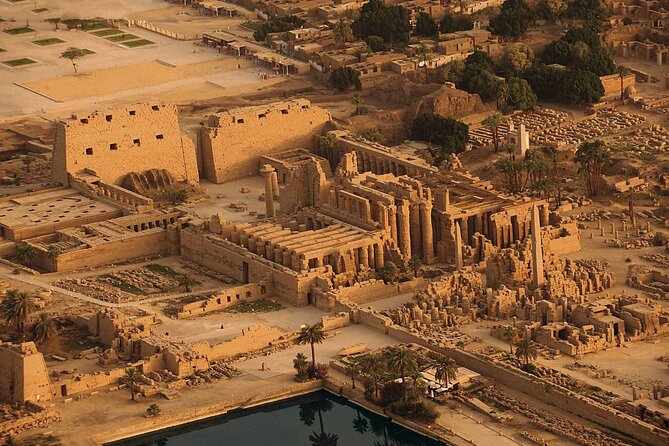
- Private East + West Bank coverage in one sweep: Tombs and temples without the stress of DIY planning.
- Early, efficient start: You start around 7:00 am with pickup from your hotel, Nile cruise, or even Luxor airport.
- Lunch is included at a local restaurant: A real break built into the schedule.
- Colossi of Memnon costs you nothing: Admission is listed as free for that stop, and it’s an easy win time-wise.
- You can move at your own pace within the day: The private format gives you breathing room rather than feeling herded.
East and West Banks in One 8–10 Hour Day
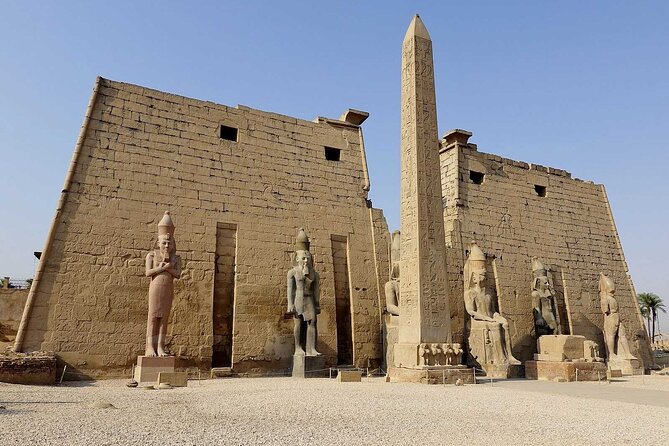
Luxor’s two sides can feel like different worlds. The West Bank is where the pharaohs prepared for eternity, and the East Bank is where the living went to worship. Doing both in one day is efficient, and it’s also the easiest way to get context for what you’re seeing—because the guide can explain how burial and temples fit together in ancient Egyptian life.
Pickup is part of what makes the day feel smooth. You can be picked up from your hotel or Nile cruise in Luxor, and the tour can even start from Luxor airport (handled by Infinite Egypt Tours’ licensed guide). That matters if you’re arriving and want to stop wasting daylight on logistics.
Your base ride is a private air-conditioned vehicle, which is a big quality-of-life upgrade in Luxor’s heat. The schedule is built around major sites with set time windows, so you’re not losing half your day hunting for directions or waiting on connections. Expect a full day: about 8 to 10 hours with multiple stops that each deserve a focused look.
The trade-off is stamina. This is not a slow stroll. If you’re the type who likes to linger, you’ll still have moments to pause and take photos, but you’ll be moving from tomb to temple to temple again. If you’re jet-lagged or sensitive to long tours, consider whether you want one bank only instead. For most first-time Luxor visitors, though, a combined day like this is the best way to get the biggest emotional impact fast.
You can also read our reviews of more private tours in Luxor
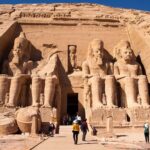
Valley of the Kings: Tomb Time and Ticket Reality
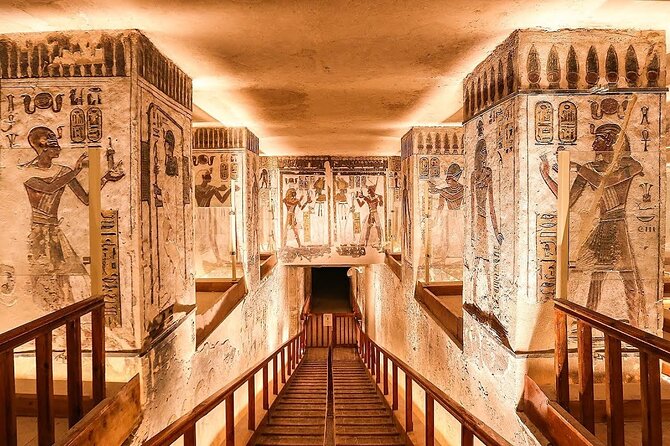
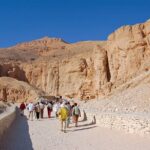
The day’s West Bank anchor is the Valley of the Kings. You’ll transfer over and then spend about 2 hours here. This is burial ground, so you’re not looking at a “temple experience.” You’re stepping into a place built around secrecy, stone, and ritual—where kings were laid to rest.
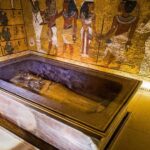
The tour highlights some of the most famous tombs tied to the valley: Tutmosis I, Tutmosis III, Ramssess VI, and Amonhotep II. Even if you don’t enter every single tomb (and you usually won’t in a single visit), having those names in your head helps you understand why the valley matters. It turns random entrances into a coherent story: this wasn’t one tomb, it was a plan across generations.
A key practical note: admission tickets are not included for the Valley of the Kings. That doesn’t make the tour worse; it just means you should budget for it. If you show up without tickets, you can lose time right when you want to be settling in.
What I like about this arrangement is the balance. Two hours is long enough to get oriented and actually understand the setting, but not so long that you feel stuck. For your best experience, come ready to walk and climb a bit, and keep your expectations realistic: the valley is historic and dramatic, but it’s also a working archaeological area with rules and constraints.
Deir el Bahari and Hatshepsut’s Temple: Why It Matters
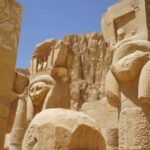
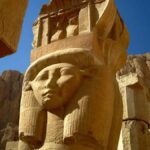
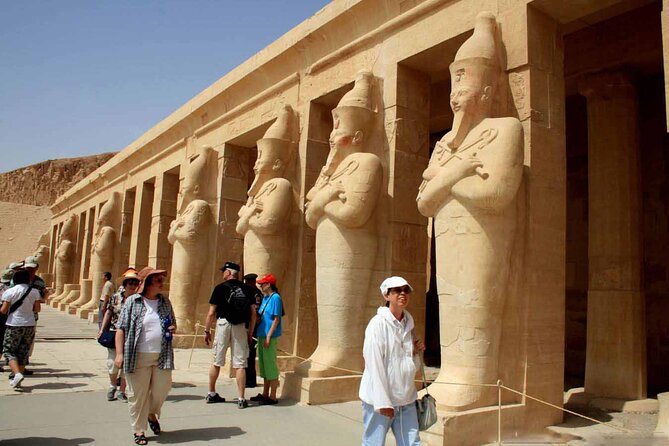
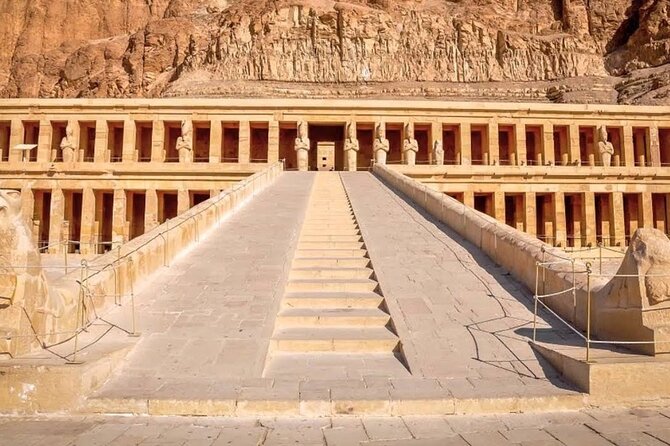
Next comes Deir el Bahari, home to the Temple of Queen Hatshepsut, sometimes referred to as El Dir El Bahari. This stop gets about 2 hours, and it’s a powerful contrast to the tomb-focused West Bank setting.
The story here is the main attraction: Hatshepsut is described as the only pharaonic woman to reign ancient Egypt, ruling for about 20 years during the 18th Dynasty (around 1490–1469 B.C). She’s also presented as the daughter of Thutmosis I. When your guide can connect those facts to the temple itself, the visit becomes more than looking at columns. You start seeing political ambition, religious legitimacy, and artistry in the same frame.
Practically, also note that admission tickets are not included here either. Plan for that as part of your total Luxor day budget. If you’re making your own list of what to spend on, Deir el Bahari is a high-priority line item.
One other thing to watch: this is a “stay alert” stop. Temples like this can involve stairs, uneven ground, and lots of standing while looking for details. If you have mobility limitations, you’ll want to think carefully about whether a full-day itinerary is the right format (the tour data says most travelers can participate, but it doesn’t spell out accessibility specifics).
Still, for most people, this is the point where Luxor clicks into place. The West Bank stops feel tied together, and the East Bank later will feel less random, because you understand what kinds of power and belief these buildings were designed to project.
Colossi of Memnon: The 30-Minute Stop That Works
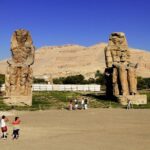
After Hatshepsut’s temple, the itinerary shifts to something shorter and easier: the Colossi of Memnon. You’ll spend about 30 minutes here, and the listing says admission is free for this stop.
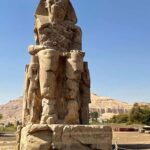
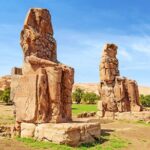
The reason these statues land well in a full-day tour is that they’re simple to understand quickly. You’re looking at two massive stone figures of Pharaoh Amenhotep III, standing in front of the ruined Mortuary Temple associated with him. The sheer scale does half the explaining for you, and the guide’s context does the other half.
From a touring perspective, this stop is also smart pacing. After a long, walk-focused temple and tomb segment, a shorter “landmark break” helps you reset without derailing the schedule. And because it’s free, it’s one of the few moments in the day where you don’t have to worry about tickets.
If you like photos, this is usually your best “no-stress” picture moment. It’s not a deep, ticketed, multi-room experience—so you can focus on framing the statues, capturing the distance, and enjoying the view from the front.
Lunch at a Local Restaurant: The Included Reset
In the middle of the day you get lunch, scheduled for about 1 hour. The big plus is simple: lunch is included, and it’s at a local restaurant rather than a generic tourist-only pit stop.
Why this matters: Luxor days can be long and warm, and hunger turns everything into a bad mood. An included lunch means you’re not paying for every little break out of your budget, and it’s also less stressful than hunting for food between major monuments.
The tour doesn’t give a specific cuisine type, so assume it’s local Egyptian style and plan to ask if you have dietary needs. Since “personal items” are not included, you’ll also want to budget for drinks or snacks beyond what lunch includes.
If you want the day to feel smooth later, use lunch strategically. Eat something that won’t wreck your stomach in the afternoon heat, then drink water and keep moving. You’ll be heading to Karnak and Luxor Temple after this, and those are long “look and stand” sites.
A few more Luxor tours and experiences worth a look


Karnak Open Air Museum and Luxor Temple: Seeing the East Bank at the Right Pace
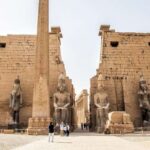
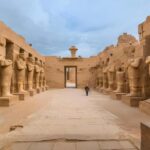
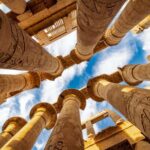
After lunch, the tour moves to the East Bank and hits Karnak Temple first, described as an open-air museum. You’ll spend about 2 hours here, and the admission ticket is listed as not included.
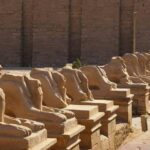
Karnak is famous for scale, but the tour gives you a useful way to picture it: it contains three main temples, plus smaller temples enclosed within, and additional outer temples. It’s also noted as being about three kilometers north of Luxor, which helps you understand why the East Bank isn’t just one “main temple stop” but a whole sacred complex stretching across an area.
Luxor’s trick is that Karnak can overwhelm you if you don’t know what you’re looking at. The guide role becomes extra important here. When the guide explains what part you’re in and why it was built, you stop treating it like a maze of columns and start seeing it as a designed system.
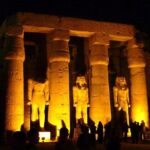
Then you finish with Luxor Temple, another 2-hour stop. Here, the tour notes something very specific and actually useful: the temple was built with sandstone from the Gebel el-Silsila area, described as Nubian Sandstone. That detail matters because it connects the architecture to geology and transport. You’re not just looking at ancient building blocks; you’re seeing what materials were available and how they shaped the monuments.
Admission tickets for Luxor Temple are also listed as not included, so again: budget for tickets. The upside is that both Karnak and Luxor Temple are major “capstone” experiences, and doing them on the same day gives you a strong sense of Luxor’s religious geography—where worship, power, and artistry were displayed to the public.
Price and Value: What $70 Covers and What Costs Extra
The price is listed as $70 per person, and that sounds like a bargain if you compare it to the value of guided access plus private transport. But it’s smart to break down what’s included versus what you’ll likely pay separately.
Included:
- Hotel/airport pickup and drop-off
- A qualified Egyptologist guide
- All transfers by air-conditioned vehicle
- Lunch
- All taxes & service charge
Not included:
- Entrance tickets
- Tipping
- Personal items
So what are you really paying for? Not just for driving between sites. You’re paying for three big things: a guide to interpret the monuments, private transportation to keep you comfortable and on schedule, and lunch so your day doesn’t fall apart mid-tour. For families and couples, the private format can be a huge stress reducer. For solo travelers, it often still works out well because a guide and driver handle the “in-between” friction.
The entrance tickets are the main variable cost. The tour lists admission as not included for key stops like the Valley of the Kings, Deir el Bahari, Karnak, and Luxor Temple. One exception is the Colossi of Memnon, listed as free admission, which is a small but welcome offset. Tipping isn’t included either, so if you’re used to tipping guides and drivers in Egypt, you’ll want to set that aside.
One more value point: it’s listed as private, so it’s only your group. Even if “group discounts” are available, the experience you’re buying is still the private full-day flow.
If you budget for tickets and tip, the $70 price looks like good value for a true East-and-West-day circuit.
Practical Tips to Make the Day Feel Easy
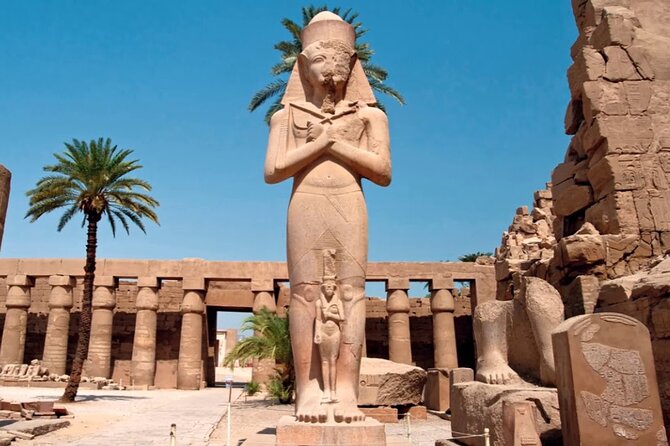
This tour is built for a full day, so small choices can make it feel great instead of exhausting.
First, think ticket timing. Because entrance tickets aren’t included, you’ll want to confirm what you still need to purchase for each stop (and do it before the day gets away from you). Losing time on ticket lines is one of the easiest ways to feel rushed at the most important places.
Second, dress and pack for heat and walking. Wear comfortable shoes with grip, bring sun protection, and plan to drink water. The itinerary includes multiple walking-heavy monuments: tomb areas and temple complexes don’t feel like museum halls.
Third, use the private format well. Guides like Amr, Mohammed, Hanan, Youssef, and Karim are repeatedly praised for making the sites come alive through explanations and storytelling. That’s your chance to ask questions, switch the order of photo stops inside the time window, and slow down when you see something you want to understand.
Fourth, keep expectations aligned with the schedule. Two hours at the Valley and two hours at both Deir el Bahari and the East Bank temples add up fast. You’ll likely see a lot of highlights in each place, but not everything. That’s why a guide matters: it helps you decide what to focus on and what to skim so you leave feeling satisfied instead of scattered.
Should You Book This East and West Banks Private Tour?
If you want the classic Luxor “wow” in one day—tombs on the West Bank and the big temple complex on the East Bank—this tour is a strong choice. It’s especially appealing if you’re short on time, like guided interpretation, and appreciate a comfortable private vehicle with pickup from your hotel, Nile cruise, or even Luxor airport.
Book it if:
- You want a full-day circuit instead of choosing only one side of Luxor
- You value having an Egyptologist guide connect the monuments into a story
- You prefer private convenience over group logistics
- You like that lunch is included, so you’re not managing food breaks all day
Skip or rethink it if:
- You don’t want to handle entrance ticket costs on top of the tour price
- You prefer shorter outings, because 8 to 10 hours starting around 7:00 am is a long commitment
- You’d rather go slower at fewer sites, since this itinerary is packed by design
For most visitors, though, it’s a practical way to see Luxor’s most important religious and royal landscapes without losing half your day to transfers and timing headaches.
FAQ
What’s included in the tour price?
The tour includes hotel or airport pickup and drop-off, an Egyptologist guide, air-conditioned vehicle transfers, lunch, and all taxes and service charges.
Do I need to buy entrance tickets separately?
Yes. Entrance tickets are not included for the stops listed as not included (including the Valley of the Kings, Temple of Hatshepsut, Karnak Temple, and Luxor Temple).
Is lunch included, and how long is the break?
Lunch is included at a local restaurant, and you have about 1 hour for the lunch stop.
Where can the pickup happen?
Pickup is offered from your hotel or Nile cruise in Luxor, and it can also be arranged from Luxor airport.
How long is the full day tour?
The duration is listed as about 8 to 10 hours.
Is this a private tour?
Yes. It’s private, so only your group participates.
Is tipping included?
No. Tipping is not included.
Is the Colossi of Memnon admission ticket free?
The tour listing states admission is free for the Colossi of Memnon stop.
Can I cancel for a full refund?
You can cancel for a full refund if you cancel at least 24 hours before the experience’s start time.
When should I book?
On average, this tour is booked about 7 days in advance. Confirmation is provided at the time of booking.
If you want, tell me your travel dates and whether you’re starting from a hotel or a Nile cruise, and I’ll help you plan a realistic budget for the entrance tickets and tip so the day stays stress-free.