REVIEW · CAIRO
3 Days: Aswan, Abu simble,Air Balloon,Luxor, from Cairo by plane
Book on Viator →Operated by Oxen of Egypt Tours · Bookable on Viator
Three days, and you see more than you think. This Cairo-to-Upper-Egypt trip is built for speed: domestic flights to cut the long drives, plus the kind of early-morning sights that make Luxor unforgettable. You’ll pair iconic temples with real context from a private guide, so it doesn’t feel like you’re just snapping photos and moving on.
I really like the sunrise hot-air balloon portion—floating over Luxor and the Theban Necropolis gives you that rare, bird’s-eye view of how massive this ancient world was. I also like the 4-star hotel bases in Aswan and Luxor, because after long mornings you can actually reset, shower, and sleep without “backpack-only” compromises.
The main thing to consider is that this is schedule-heavy, with early pickups and a balloon that depends on weather. Also, admission tickets for the major sites aren’t included, so you’ll want to budget a bit extra beyond the tour price.
In This Review
- Key highlights worth your attention
- Why this Cairo-to-Luxor timing works so well
- Day 1: Philae Temple by boat, Nubian Village color, and an Aswan night
- What to watch on Day 1
- Day 2: Abu Simbel’s long drive, Ramses and Nefertari, then onward to Luxor
- What to watch on Day 2
- Day 3: Sunrise balloon, the West Bank, then Karnak and the flight back to Cairo
- What to watch on Day 3
- The private guide effect (and why it matters in Luxor)
- Hotels and meals: comfort that actually helps on a tight schedule
- Price and logistics: is $950 a fair deal?
- Who this tour fits best (and who might want a slower plan)
- Practical tips so your photos and comfort both win
- Should you book Oxen of Egypt Tours for this 3-day Upper Egypt sprint?
- FAQ
- What parts of the trip are included in the price?
- Are the hot-air balloon tickets included?
- Do I need to pay for entry to temples and tombs?
- What happens if weather cancels the balloon?
- Can I change the dates or get a refund if I cancel?
- Is this tour private or shared with other groups?
Key highlights worth your attention
- Sunrise balloon over Luxor and the Theban Necropolis: early morning pickup and a dedicated start point for the flight
- Philae Temple by motorboat: an island complex experience, not just a quick curbside stop
- Abu Simbel early push from Aswan: long-distance access made workable with included transfers
- West Bank classics: Valley of the Kings, Hatshepsut at Deir el Bahari, and then Karnak on the east side
- A private guide who slows things down: strong English and clear explanations help the sites click
- Air-conditioned transfers and included meals: less stress on hot days and longer days
Why this Cairo-to-Luxor timing works so well
Egypt’s big monuments are not laid out for lazy pacing. If you try to see too much by road, the hours add up fast and you end up spending more time in transit than inside the temples.
This tour is designed around the idea that you want the highlights without living on a bus. You fly between Cairo and Aswan, then handle Abu Simbel and the Luxor side of the map on a compressed schedule. The reward is simple: you get to see Aswan + Abu Simbel + Luxor in about three days, with actual time at the sites instead of just passing them.
Another smart move: the balloon and the big West Bank temples are grouped so you’re not scrambling day-to-day. You’ll start very early on the Luxor side (for sunrise), then spend the rest of the day on the temples that make the west and east banks meaningful.
A few more Cairo tours and experiences worth a look


Day 1: Philae Temple by boat, Nubian Village color, and an Aswan night
Day 1 starts in Cairo with a morning airport transfer, then a flight down to Aswan. Once you land, your local guide meets you outside the airport hall, and the day’s first stop is Philae Temple.
Philae is one of those places that feels different immediately. It’s an island-based temple complex, so access is by motorboat. That little transportation detail matters: it changes the tone from “walk in and out” to “arrive.” You’ll also get the key religious framing—Philae was built for Amun and Isis during the 25th dynasty, with work continuing through the Ptolemaic and Roman periods. In other words, it’s not just one era of art; it’s layered time.
After the temple, you cross the Nile to visit the Nubian Village. You’ll walk around for about an hour, then stop for lunch at a local Nubian restaurant. This is where the trip moves beyond monuments into day-to-day culture: colored houses, a market atmosphere, and the sense of what life looks like around the river.
You’ll finish the day by returning by motorboat to the east side and checking into your hotel for an overnight in Aswan. Practically, this is a good day-1 balance: one major site that needs focus, then a lighter cultural stop before you get rest.
What to watch on Day 1
Philae admission is not included, so plan for that cost. Also, you’re starting early in Cairo and then making your way to an island temple—comfortable shoes help, since you’ll likely do more walking than you expect from a “short” day on paper.
Day 2: Abu Simbel’s long drive, Ramses and Nefertari, then onward to Luxor
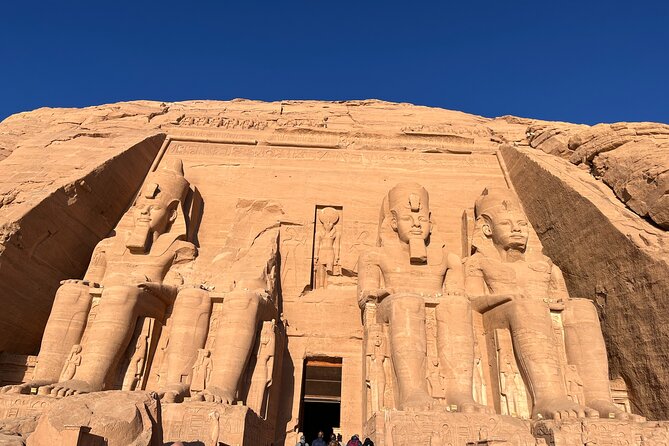
Day 2 is where the trip earns its headline. Abu Simbel is far—about 300 km southwest of Aswan, located on the west bank of Lake Nasser. This is not a casual stop. The magic of Abu Simbel is also why it demands early timing: the day is built around reaching it efficiently.
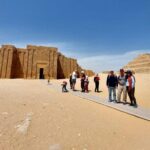
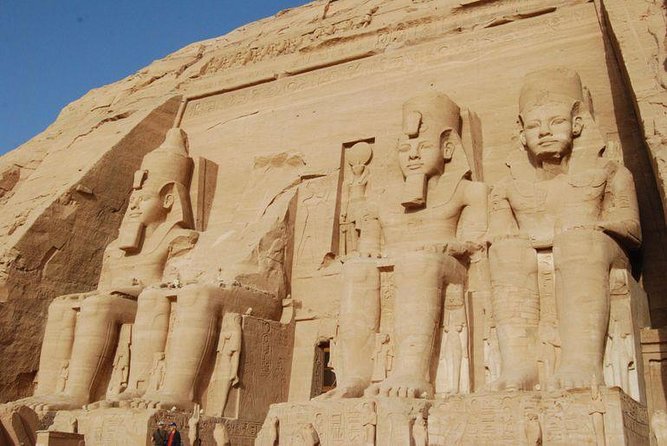
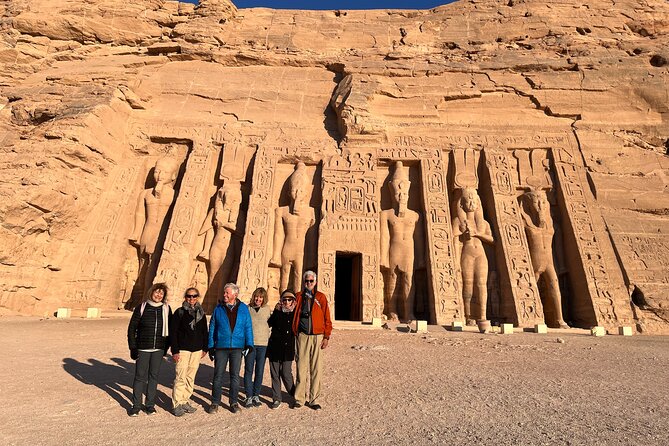
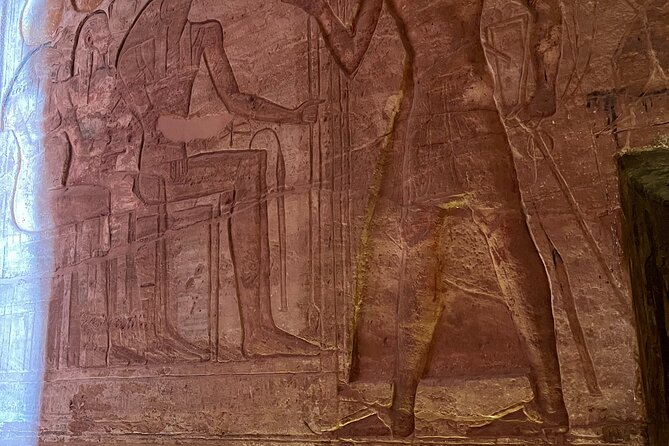
You’ll go very early to the Abu Simbel Temple Complex, and this is one of the most dramatic stories in Egyptian royal history. The complex was built in the time of Ramses II to honor his wife, Queen Nefertari. Standing there, you can feel why this site became a must-do for modern visitors: it’s grand scale and a very clear royal message in stone.
Once the morning visit is done, you drive back to Aswan for lunch. Then comes the clever logistics step: you take an early evening train to Luxor for the overnight in a 4-star hotel.
This train move matters. It breaks up the “all-day car ride” problem and gets you into Luxor without losing another full day. For a short-trip schedule, that’s huge value.
What to watch on Day 2
Abu Simbel admission is not included. You’ll also want patience for long travel time—this day is mostly movement plus one major site. If you hate early starts, this is the day you’ll notice it most.

Day 3: Sunrise balloon, the West Bank, then Karnak and the flight back to Cairo
If Day 2 is about distance, Day 3 is about payoff.
You’ll start with an early hot-air balloon ride in Luxor aimed at sunrise views over the Theban Necropolis. The balloon representative picks you up from your hotel early. You cross to the west bank by motorboat, then drive in small groups to the balloon take-off area. After the flight, you return for breakfast and check out.
Even if you’ve done a balloon before, Luxor works differently because the temples and tombs sit inside a wide, meaningful river valley. That “from above” perspective helps you understand the geography—why the east bank became the ceremonial side, and why the west bank became the burial landscape.
After check-out, the guide takes you to the West Bank for a classic run of royal tomb landmarks:
- Valley of the Kings: burial place for New Kingdom rulers, with more than 63 tombs found. You’ll get the meaning behind the painted scenes, including references to religious texts and the sun journey concept (like the Book of the Dead, Gates, and Hours).
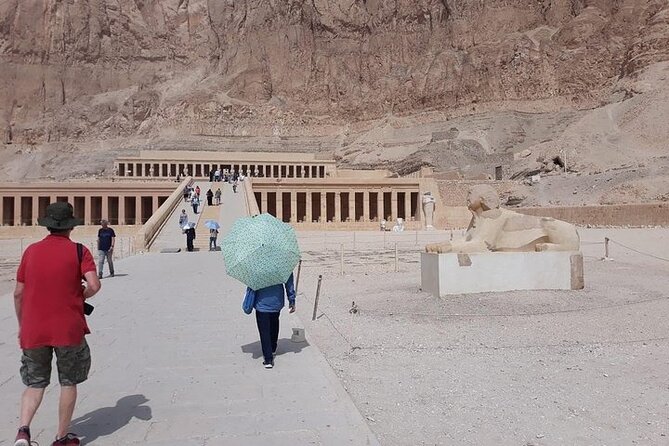
- Temple of Hatshepsut at Deir el Bahari: built into cliffs in three tiers, linked to Queen Hatshepsut’s rule (she reigned for 21 years). The temple’s preserved colors are part of what makes the visit feel “fresh,” even after thousands of years.
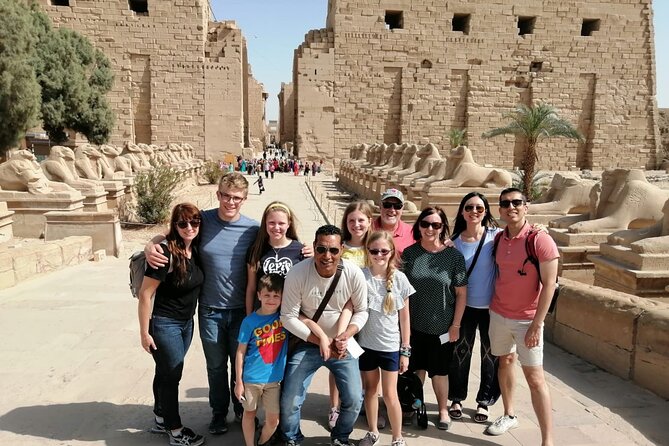
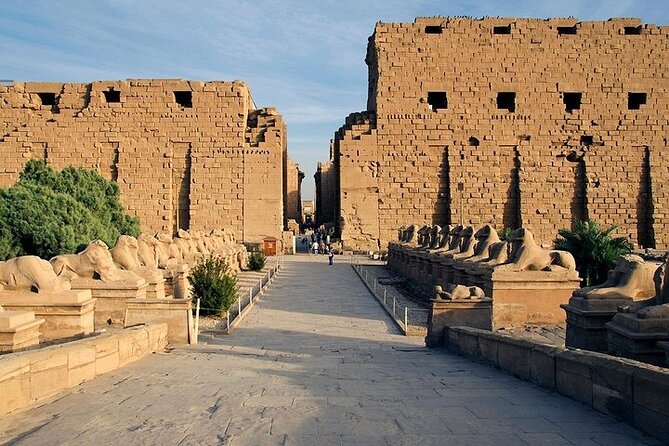
- Temple of Karnak: after driving back to the east side for lunch at a local restaurant, you’ll visit Karnak, one of the biggest temple complexes in the world. It’s described as the god’s home on earth for more than 500 years, and you’ll see the hypostyle hall and major shrines and chambers.
Finally, you’ll drive to Luxor airport for the evening flight back to Cairo. Your representative meets you outside the airport hall for the drop-off at the end of the experience.
What to watch on Day 3
Hot-air balloon rides depend on weather. If conditions don’t cooperate, the experience is described as weather-dependent, and you may be offered a different date or a full refund. Also, West Bank and temple admissions are not included, so you’ll want to keep some cash or card ready for site entry.
The private guide effect (and why it matters in Luxor)
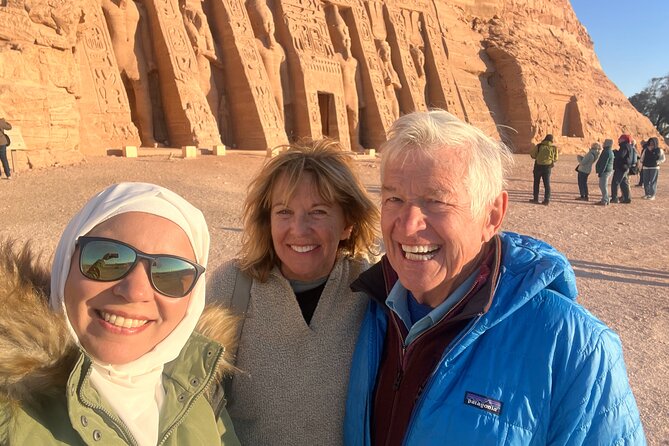
This kind of trip lives or dies by interpretation. Temples can look similar if you don’t know what you’re looking at, especially when you’re moving quickly and trying to catch the right light.
A big plus here is the private guide format. You’re not sharing listening time with strangers in the back of a group bus. You can ask questions, and you’re more likely to get answers that make the symbols click.
The name Samar comes up again and again in guide praise. When Samar is involved, expect patient explanations in excellent English, with stories that connect to what you’re standing in front of—without turning everything into a lecture. That “calm, attentive, and not rushed” style is exactly what you want when you’re juggling a balloon at sunrise and tombs in midday heat.
Even if your guide is someone else, the tour’s structure points toward the same goal: historical context that you can use.
Hotels and meals: comfort that actually helps on a tight schedule
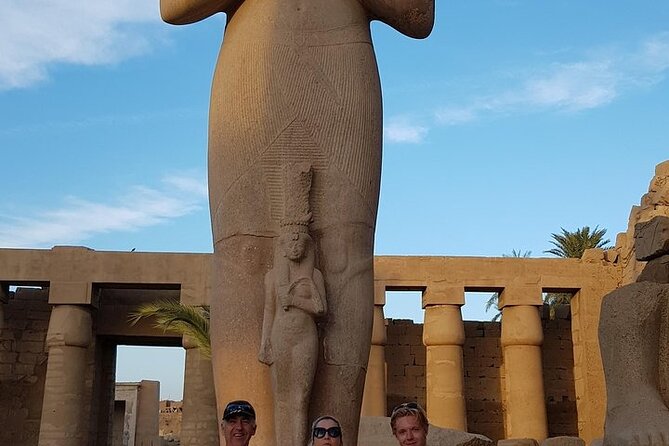
You’ll stay in 4-star hotels in both Aswan and Luxor, with breakfast included. That sounds standard, but in a schedule-heavy itinerary it’s a real benefit. After early pickups and a long day that includes boat crossings and temple walking, you don’t want to bargain with comfort.
Meals are also built in. Lunch is included on three days, and breakfast is included on two. You’re not left hunting for food at random times, which matters when your day is already timed around site entry and transfers.
One note: drinks and personal spending aren’t covered, so plan for that. You’ll also want to keep an eye on the difference between included meals and paid site entries—tickets are extra for the major temples and tombs.
Price and logistics: is $950 a fair deal?
At $950 per person, you’re paying for a lot more than “someone drives you to temples.” The included value stack includes:
- Round-trip flights Cairo ↔ Aswan and Luxor ↔ Cairo
- Transfers and air-conditioned ground transportation
- 4-star lodging with breakfast in Aswan and Luxor
- A private guide
- Hot-air balloon flight (a major cost item on its own)
- Several included lunches and breakfast
What’s not included is equally important. Site admission tickets for the temples and tombs are not included. That can add up, especially for the big-name sites like Abu Simbel, Valley of the Kings, and Karnak. Without those figures listed, the best advice is to treat your tour cost as the base and keep extra funds for admissions.
The other “hidden” factor is energy cost. This is not a slow sightseeing vacation. You’ll have early mornings, boat crossings, and temple walking. If you’re traveling with low stamina or you prefer relaxed, long lunches and late starts, this schedule may feel like a sprint.
Who this tour fits best (and who might want a slower plan)
This is a strong fit if you:
- Have limited time and want Aswan + Abu Simbel + Luxor without road-travel fatigue
- Like sunrise experiences and don’t mind early pickups
- Appreciate a private guide who explains what you’re seeing
- Want a comfortable base at 4-star hotels rather than basic lodgings
It may not be ideal if you:
- Get cranky with early mornings and tight timing
- Want to pick and choose freely among stops (extra sites and some tomb access are not handled as “included everything”)
- Strongly prefer guided walking at a slow pace without any long transfer days
That said, the private guide format helps. When the guide is strong, even a packed schedule can feel organized instead of chaotic.
Practical tips so your photos and comfort both win
A few grounded things that tend to make this kind of trip smoother:
- Wear light layers and comfortable walking shoes. Temple floors can be uneven, and you’ll walk more than you expect.
- Plan for sun. Even with breaks, Egypt’s sun doesn’t care about your sightseeing timeline.
- Keep a small buffer for ticket lines and entry timing. Admissions are not included, so you’ll handle payment directly on site.
- If you’re balloon-focused, be ready for the early start and weather-dependent changes.
Also, if you can, ask your guide during the first day about what to prioritize for your interests—religion, royal storylines, art details, or the layout of the necropolis. A good guide will tune the pacing to your curiosity, and that’s the whole point of going private.
Should you book Oxen of Egypt Tours for this 3-day Upper Egypt sprint?
I’d book this if you want maximum iconic value in minimal time: Philae, Nubian Village culture, Abu Simbel’s big royal moment, a sunrise Luxor balloon, and the West Bank “must-sees” plus Karnak—all with 4-star hotel comfort and a private guide.
Skip it or consider a different format if you hate early starts, dislike schedule intensity, or don’t want to manage extra admissions on top of the tour price. The payoff is real, but it comes from teamwork with the itinerary: early mornings, good shoes, and a little flexibility.
If that sounds like your style, this is a smart way to cover a lot of Egypt without spending your trip stuck in transit.
FAQ
What parts of the trip are included in the price?
The tour includes round-trip flights Cairo/Aswan and Luxor/Cairo, airport transfers and transportation to and from sites, 4-star hotels in Aswan and Luxor with breakfast, guided sightseeing, and several included meals (including lunches and breakfasts). The hot-air balloon flight is included. Site admission tickets are not included.
Are the hot-air balloon tickets included?
Yes, the hot-air balloon flight is listed as included for the Luxor sunrise ride. Admission tickets for other sites are not included.
Do I need to pay for entry to temples and tombs?
Yes. Tickets of the mentioned sites are not included, including major stops like Philae, Abu Simbel, Valley of the Kings, Hatshepsut at Deir el Bahari, and Karnak.
What happens if weather cancels the balloon?
The experience requires good weather. If it’s canceled due to poor weather, you’ll be offered a different date or a full refund. A balloon refund is also listed as $30 per person.
Can I change the dates or get a refund if I cancel?
This experience is non-refundable and cannot be changed for any reason. If you cancel or ask for an amendment, the amount you paid will not be refunded.
Is this tour private or shared with other groups?
It’s described as a private tour/activity, meaning only your group participates. Air-conditioned ground transfers are included, and balloon driving to the take-off area is described as small groups.