REVIEW · CAIRO
From Cairo: 5-Day Tour with Nile Cruise, Balloon, & Flights
Book on GetYourGuide →Operated by Best of Egypt Tours & Travel · Bookable on GetYourGuide
Luxor from above feels unreal. On this 5-day route, I love the Luxor hot-air balloon experience and the chance to see Upper Egypt’s temples with a real guide instead of guessing your way through hieroglyphs. I also like the mix of “big icons” and softer stops like the Nubian Village colorful neighborhood and Nile boat ride. One consideration: the schedule is full, and you’ll need to budget for entrance tickets and extra drinks since they are not included.
The guiding quality can make a big difference, so I’d pay attention to the language match. I’ve seen excellent results with guides like Abanoub (very informative and fun) and Waleed Adnan (deep temple context), but if you end up with a tougher-to-follow guide, explanations may feel thin. The good news: this is a private-group tour, so you can ask questions and move at a pace that works for your group.
In This Review
- Key highlights you’ll feel fast
- Day 1 in Cairo: Giza pyramids, camel time, and the Egyptian Museum
- A Nile dinner cruise night: romantic views without doing extra work
- Day 2 flights to Aswan and the rainbow-painted Nubian Village
- Abu Simbel by road: a powerful day paired with Kom Ombo’s strange temple
- Edfu’s Temple of Horus: why the horse carriage matters
- Luxor balloon + West Bank temples: Valley of the Kings through Karnak
- Price and logistics: where $1,119 per person really goes
- The biggest practical wins (and one avoidable headache)
- What works well for most people
- One thing I’d confirm before you go
- Tips to make your days smoother in Egypt
- Who this tour fits best
- Should you book this Cairo to Aswan Nile cruise with balloon?
- FAQ
- What’s the duration of the tour?
- Where does this tour take place?
- Are flights included in the price?
- What’s included for the Luxor balloon experience?
- Are entrance tickets included?
- Do I need to pay extra for drinks?
Key highlights you’ll feel fast
- Balloon over Luxor for that surreal “cities under you” view
- Abu Simbel early morning road trip after sailing starts, not as an afterthought
- Nubian Village by Nile boat with lunch and colorful village streets
- Kom Ombo’s dual-deity temple (Sobek and Horus) in one stop
- Edfu Temple of Horus with a horse carriage ride included
- West Bank + Karnak in Luxor: Valley of the Kings, Hatshepsut, Colossi of Memnon, Karnak
Day 1 in Cairo: Giza pyramids, camel time, and the Egyptian Museum
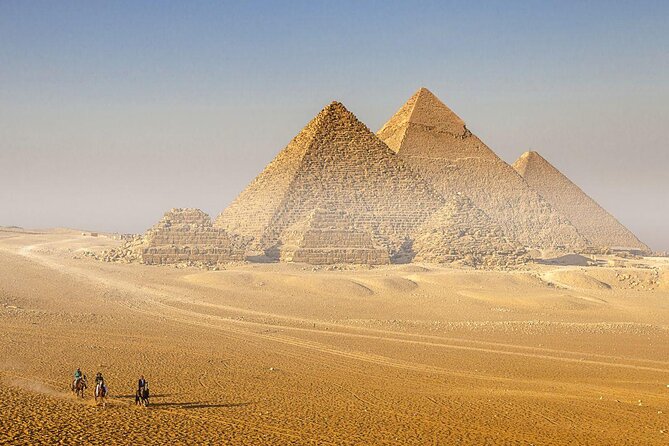
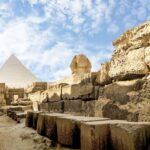
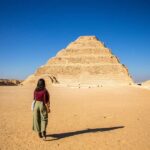
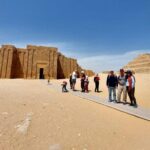
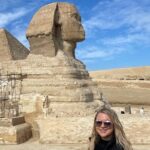
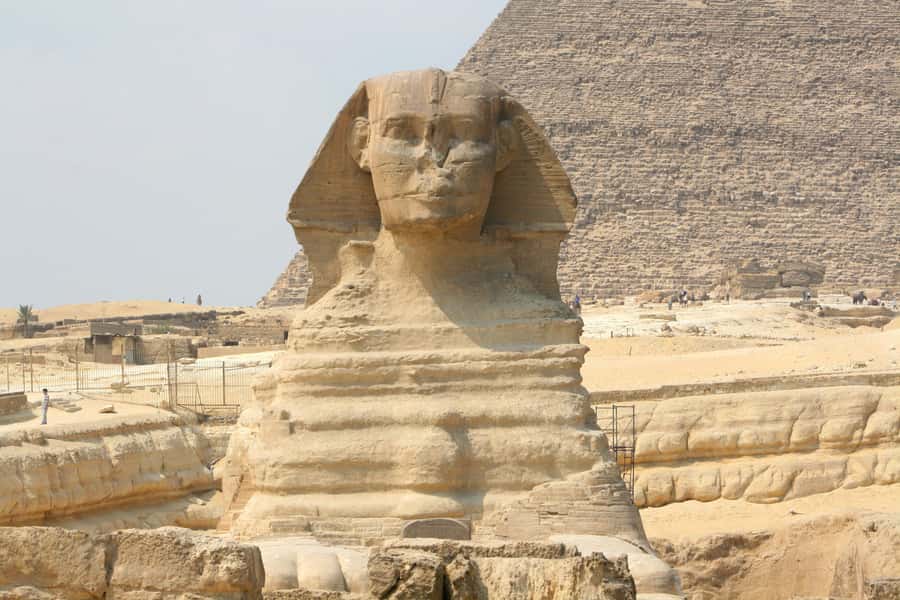
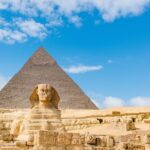
If you’re arriving in Cairo, Day 1 is the classic “wow” setup. Your driver meets you at the airport, helps with luggage, and you head straight to the Giza Great Pyramids area. This is the only surviving wonder of the ancient world, and the scale hits you immediately. I like that the tour doesn’t treat Giza as a quick photo stop—it includes guided time so you get the why behind the what.
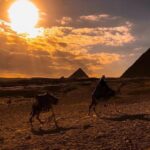
You’ll also enjoy exploring the camel ride experience included in the tour. The key here is to treat it as a short, cultural add-on—not the main event. It’s worth doing, but your real payoff at Giza is the overall setting: the plateau, the monument alignments, and the history your guide connects to what you’re looking at.
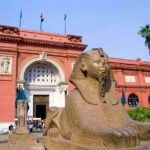
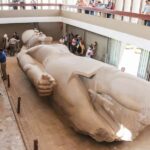
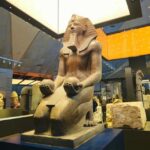
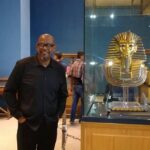
After that, you go to the Egyptian Museum, one of the world’s biggest collections focused on ancient Egypt. This stop is especially strong if you want to connect museum objects to the people and gods you’ll see later on the Nile. You’ll see Tutankhamun’s treasures and other famous pieces like grave goods, mummies, jewelry, and daily items—small artifacts that make ancient life feel less distant.
Lunch follows at a local restaurant, then you check into your Cairo hotel for one night. In a short trip, this pacing matters: you’re not exhausted before you even start the river part.
You can also read our reviews of more boat tours in Cairo



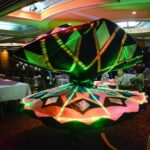
A Nile dinner cruise night: romantic views without doing extra work
That evening, the tour sends you for dinner aboard a Nile cruise ship. It’s a nice soft landing after museums and pyramids—good for first-time orientation in Cairo, without you having to plan anything. Then you head back to your hotel and sleep.
What I like about this setup is the timing. You’re not asked to squeeze in another museum or another long transfer. You get dinner near the water, you reset, and you’re ready for an early travel day.
Day 2 flights to Aswan and the rainbow-painted Nubian Village
Day 2 is where the tour starts feeling like an Upper Egypt adventure rather than a Cairo-and-more checklist. You’ll check out, then get transferred to the airport about three hours before your flight to Aswan. The flight schedule depends on availability, so your exact timing may shift, but the plan is consistent: you’re getting airborne early so you can actually use the day.
When you land, your representative meets you with a sign and helps with your luggage. From there, the tour goes straight to one of the most relaxing experiences in Egypt: the Nubian Village visit.
You’ll take a motorboat ride on the Nile for the approach, then enjoy lunch in the village. The Nubian Villages are painted in bright colors—colors that genuinely make you feel like you stepped into a different mood. And it’s not just “pretty houses.” The tour includes the background of the Nubian community, including the long history of people moving from Sudan to farm around the Nile.
After the visit, you’re dropped at your ship in Aswan for dinner and an overnight stay.
Tip for this day: slow down on the boat and just watch. This part of the itinerary isn’t built around rushing between monuments—it’s built for the Nile to do some of the work for you.
Abu Simbel by road: a powerful day paired with Kom Ombo’s strange temple
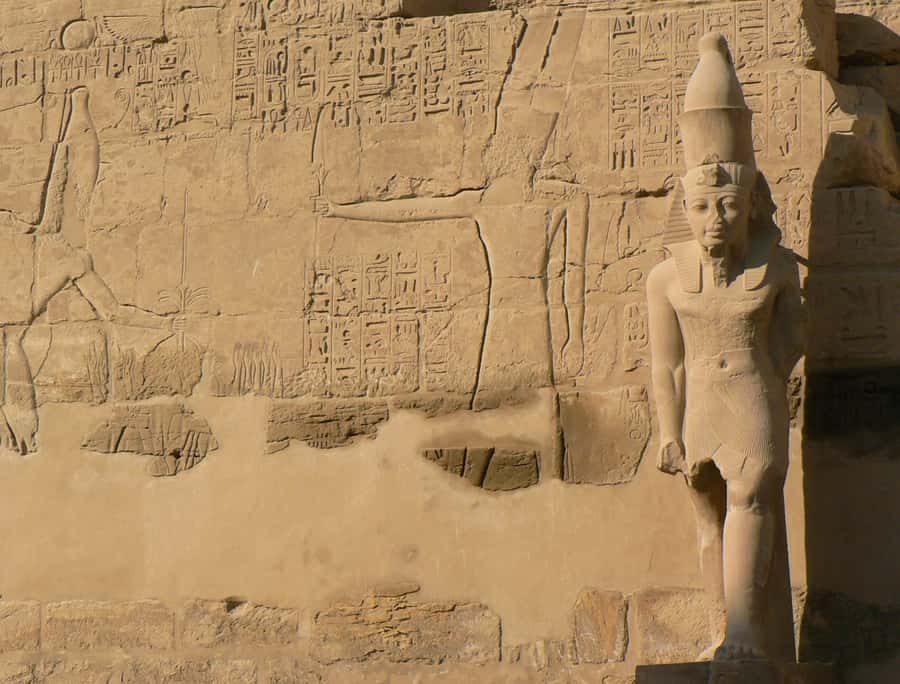
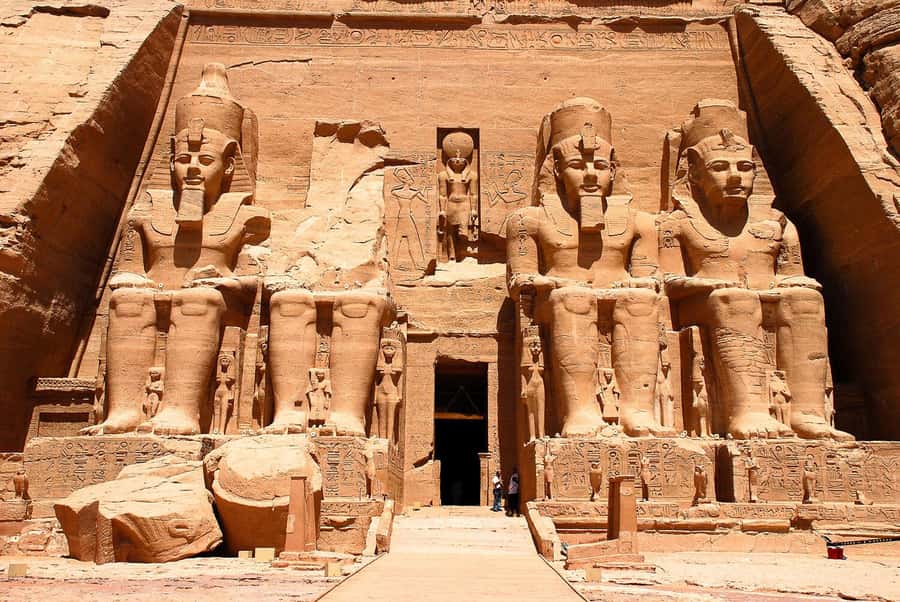
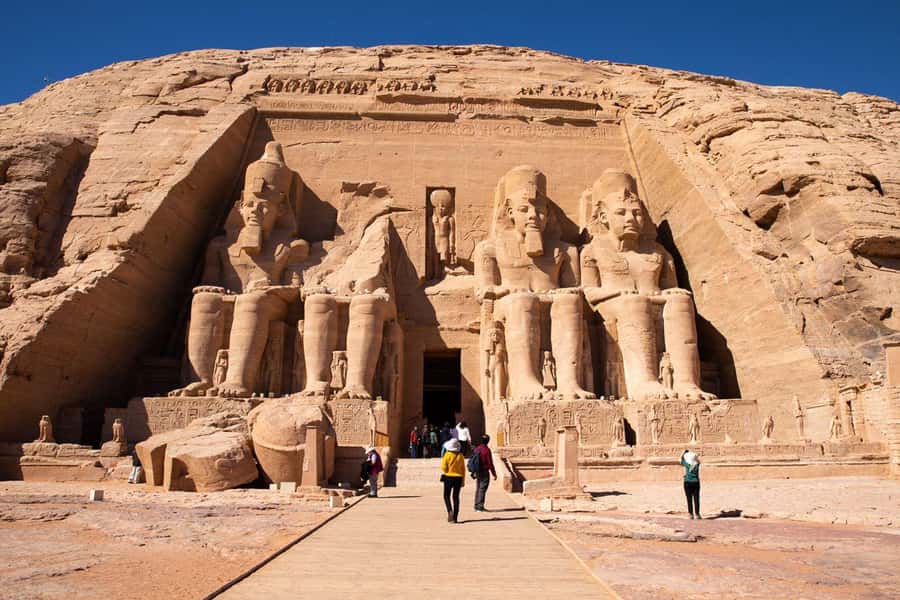
On Day 3, you start early for a three-hour car trip to Abu Simbel. Abu Simbel is one of those places where the effort pays back fast. The temple complex is tied to Ramses II and Queen Nefertari, and it’s described as commemorating victory from the Battle of Kadesh. Whether you’re deeply into ancient Egypt or just want the big set pieces, this stop tends to feel meaningful because of how it’s framed: history plus dramatic architecture.
After the visit, you return to the ship for lunch onboard, then sailing continues. This matters because it keeps the day from feeling like constant driving. You’ve seen one of the most famous monuments in the region—then the Nile gives you time to breathe.
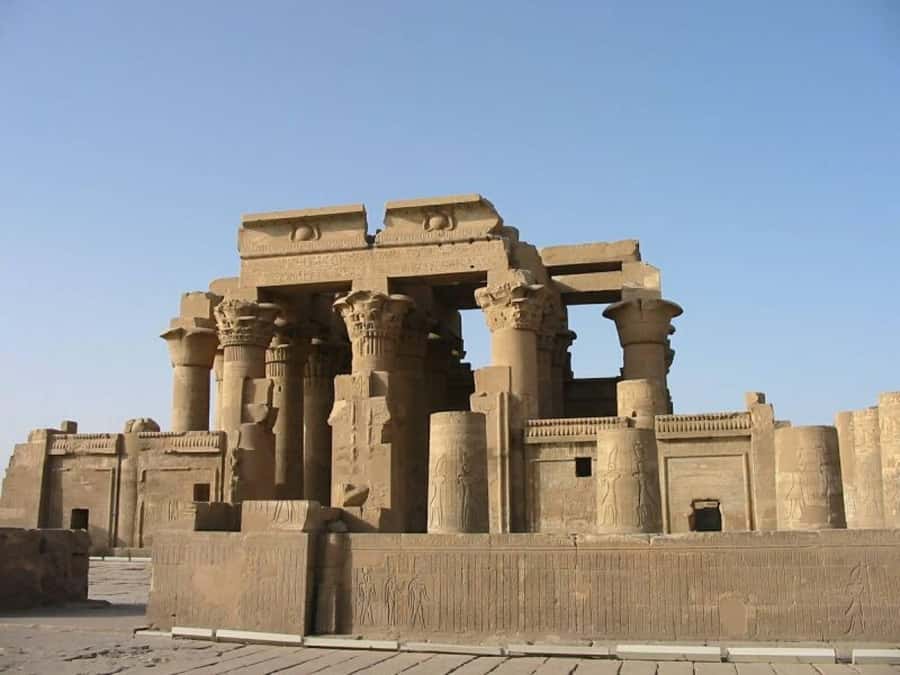
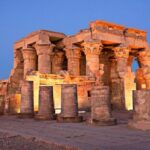
Later, in Kom Ombo, your guide meets you for a visit to the temple of Kom Ombo. This one is unusually interesting because it’s dedicated to two different deities: the crocodile-headed god Sobek and the falcon-headed god Horus the Elder (also called Haroeris). I like temples like this because you get to see how one site could serve multiple beliefs rather than one single “main storyline.”
Back on the ship afterward, you keep time with less stress. It’s a good pairing: Abu Simbel’s grandeur plus Kom Ombo’s dual-god twist.
Edfu’s Temple of Horus: why the horse carriage matters
Day 4 starts early with a pickup for Edfu. The tour focuses on the Temple of Horus, and an included horse carriage ride to the temple adds a practical dose of local flavor.
That carriage segment is brief, but it changes the feel of the day. Instead of arriving like you would at a modern attraction, you transition through the approach the way many local visitors do. It’s also a helpful break from long days of walking between sites.
After the Edfu visit, you return to the ship for sailing onward to Luxor.
If you’re someone who likes structure—early start, guided temple time, then you’re back on the ship—this day fits that style well.
A few more Cairo tours and experiences worth a look

Luxor balloon + West Bank temples: Valley of the Kings through Karnak
Day 5 is your Luxor “big finish,” and the tour builds it in a smart order.
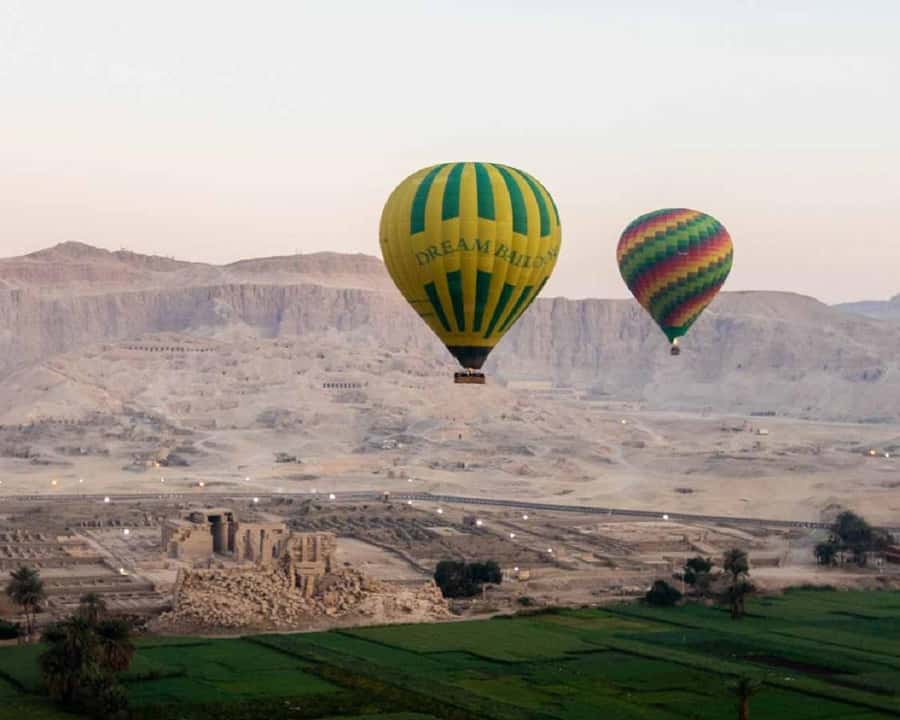
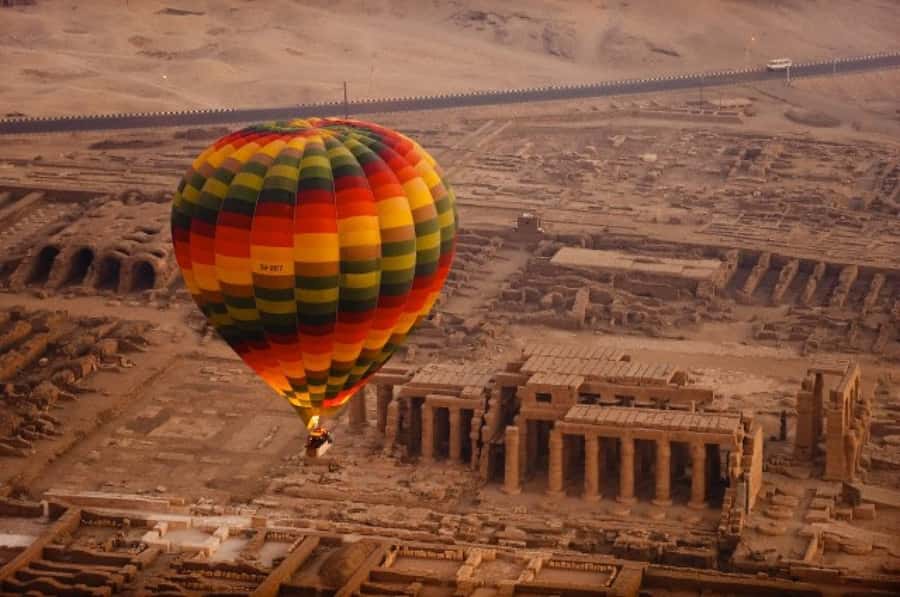
First up: the hot air balloon ride. This is the surreal part of Upper Egypt—seeing Luxor spread out below, with temples and streets shrinking into geometry. The balloon also sets the mood for the rest of the day because you’re moving from a wide aerial view to detailed sacred spaces.
Afterward, you return to the ship and enjoy breakfast, then you start the Luxor sightseeing. Your tour time on the West Bank includes:
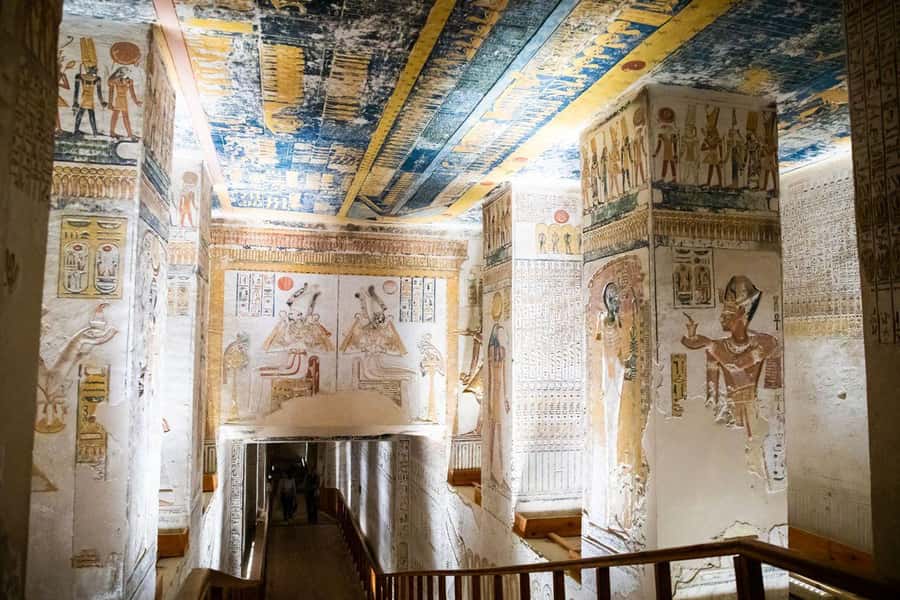
- Valley of the Kings (Wadi Biban al-Muluk): 63 royal tombs, each different, in what ancient Egyptians treated as a “Place of Truth” kind of sacred landscape
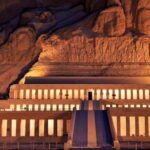
- Mortuary temple of Hatshepsut: tied to the reigning queen, built as an artistic representation of her life and reign
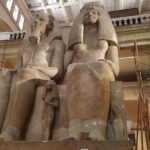
- Colossi of Memnon: two enormous statues of Amenhotep III, once guarding the mortuary temple area
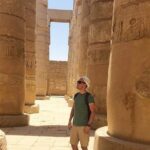
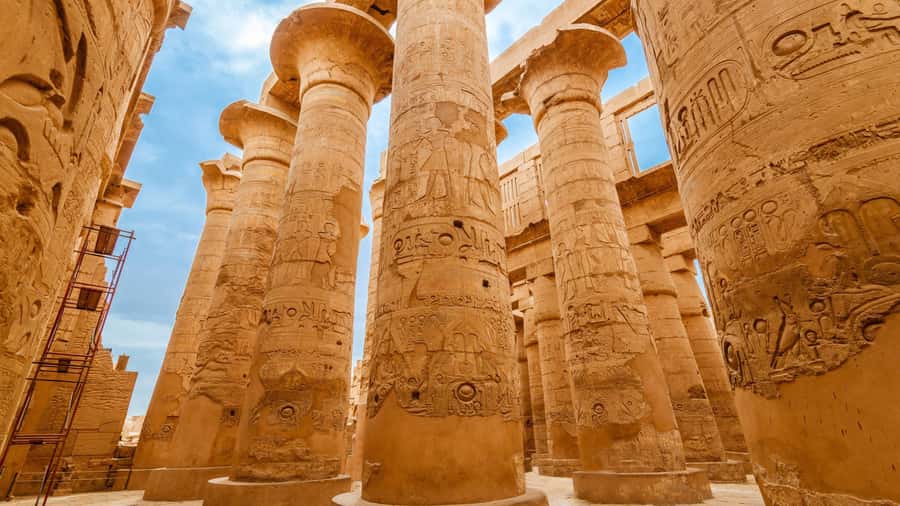
- Karnak Temple: the largest religious-building complex in Egypt, described as the most select of places by ancient Egyptians
The West Bank days can feel similar if you treat every stop as just another tomb. The trick is to let the guide connect the dots: power, afterlife beliefs, and how rulers wanted to control memory. I’ve had moments like this where the guide’s framing turns “stone rooms” into a political story.
You’ll also need to check out before leaving for the next airport leg. The driver will then take you to the airport to fly back to Cairo. When you arrive, another driver meets you to take you to your accommodation in Cairo/Giza.
Price and logistics: where $1,119 per person really goes
At $1,119 per person for five days, the value comes from how much is packaged together:
Included that you’d otherwise pay separately:
- Flights (Cairo-to-Aswan and return via Luxor-to-Cairo)
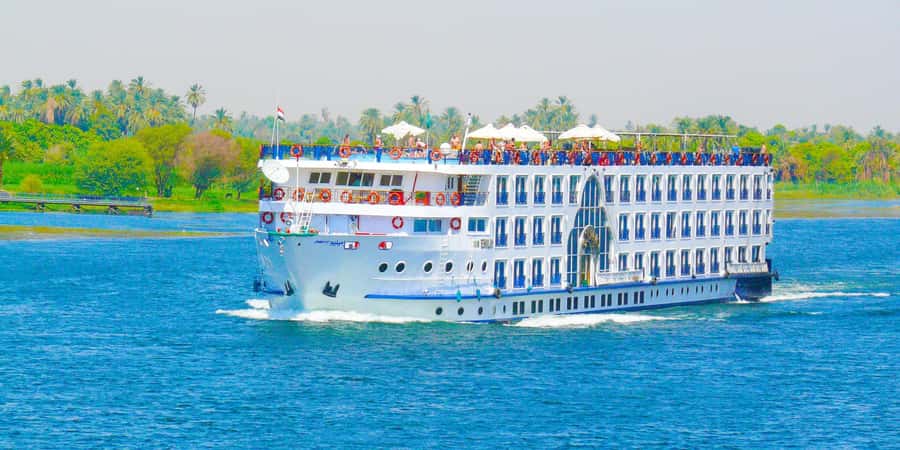
- 1 night in Cairo plus 3 nights on a 5-star standard Nile cruise ship
- Professional English-speaking guide
- Transportation between all key points
- Hot air balloon
- Horse carriage ride to the Temple of Horus in Edfu
- Pickups and drop-offs
Not included:
- Entrance tickets
- Drinks (including water)
So the realistic budgeting tip is simple: plan for entrance tickets and water cost on top. If you’re comparing tours, make sure you’re comparing apples to apples. Many “Nile cruise” deals bundle the room but not the guide and not the flight legs. Here, a big chunk of the hassle is handled for you.
You also get an important practical benefit: the route is built in a logical north-to-south-to-north rhythm (Cairo → Aswan → Luxor → Cairo), so you’re not backtracking across Egypt all over again.
The biggest practical wins (and one avoidable headache)
From what I’d watch for if I were booking again, these are the most practical parts of the tour.
What works well for most people
1) A single guide and transportation system.
You’re not coordinating separate tickets, bus schedules, and meeting points across multiple cities.
2) The balloon and the major temple sequence.
Balloon first, then West Bank temples in Luxor. That order helps the day feel like a story, not a scramble.
3) Nubian Village as an actual break.
It’s not just another temple. You get Nile views, lunch, and a different human scale.
One thing I’d confirm before you go
Language and luggage details.
- Guide language depth: The tour is described as having a professional English-speaking guide, and other languages can be purchased via an add-on. If you need French/German/Spanish-level depth, confirm the guide language arrangement ahead of time. It’s a small step that can prevent a big mismatch.
- Cruise checkout luggage plan: When you do a cruise + excursions + airport connection, don’t assume your bags will be where you left them. I’d keep a little checklist: where your bag will be during Luxor sightseeing and how it returns to you before airport time.
Tips to make your days smoother in Egypt
A few practical moves make this itinerary feel easier:
- Bring cash for entrances and drinks. Entrance tickets and water aren’t included.
- Pack light for flight days. You’ll be checking out, transferring to airports, then moving again on landing days.
- Wear comfortable shoes for temple days. Valley of the Kings and Karnak involve lots of walking and uneven ground.
- Plan your balloon timing mindset. Balloon rides often feel like they run on a different clock than temples. Be ready for weather/time adjustments.
- Ask your guide for the storyline, not just names. A strong guide will connect Ramses II, Hatshepsut, and the gods (like Sobek and Horus) into a single theme you can remember later.
Who this tour fits best
This itinerary is a strong match if you:
- Want the classic monuments of Egypt without designing every day yourself
- Like a structured mix of temples + one big “wow” activity (balloon)
- Prefer a private-group setup so you can ask questions as you go
- Are okay with a busy schedule that uses flights and cruise sailing to cover ground efficiently
It may not be ideal if you hate early starts or if you have strict limitations around walking. Also, if language precision matters a lot for you, confirm the guide language option early.
Should you book this Cairo to Aswan Nile cruise with balloon?
If you want a well-paced sampler of Upper Egypt with major sights—and you value having flights, guides, and transfers handled—this tour is easy to recommend. The balloon over Luxor and the combination of Abu Simbel, Kom Ombo, Edfu, and the Luxor temples are a serious “greatest hits” sequence.
I’d only hesitate if you’re very sensitive to language quality or if you prefer a slower, more flexible schedule with fewer moving parts. In that case, take extra time to confirm your guide language and your luggage plan around cruise checkout.
FAQ
What’s the duration of the tour?
The tour runs for 5 days.
Where does this tour take place?
It covers major stops in Cairo/Giza, Aswan (including a Nubian Village visit), Abu Simbel, Kom Ombo, Edfu, and Luxor (including the West Bank sites and Karnak).
Are flights included in the price?
Yes. Flight tickets for the departure and return are included, including the flight to Aswan and the return trip routed through Luxor.
What’s included for the Luxor balloon experience?
A hot air balloon ride is included as part of the tour.
Are entrance tickets included?
No. Entrance tickets are not included.
Do I need to pay extra for drinks?
Yes. All types of drinks, including water, are not included.