REVIEW · CAIRO
From Cairo by Plane: 5 Days & 4 Nights Nile Cruise to Luxor
Book on GetYourGuide →Operated by Mody Egypt Tours · Bookable on GetYourGuide
Nile time, but with zero wasted days. You fly in from Cairo, check into a 5-star cruise, and start seeing Luxor’s biggest sites right away.
I like how this trip pairs an English-speaking Egyptology guide with very efficient transfers, so the ancient places don’t feel like a rushed checklist. I also really enjoy the way the route hits both sides of the Nile: Luxor West for tombs and temples, then the river classics of Edfu and Kom Ombo.
One watch-out: service quality can hinge on smooth airport and meeting communication. A few planning hiccups in past experiences (especially around flight timing and where to meet) mean you should confirm details in advance and keep your own plan B ready.
In This Review
- Key Highlights at a Glance
- Flying From Cairo to Start Luxor Immediately
- Karnak Temple and Luxor Temple: Two Ways to Feel the Same Monumental Scale
- Luxor West Bank: Tombs, Hatshepsut, and the Memnon Photo Stop
- Valley of the Kings
- Hatshepsut at El Deir El Bahari
- Memnon statues photo stop
- The River Days: Sailing, Esna Lock, and Break Time That Actually Helps
- Edfu and Kom Ombo: Horus vs. Two Gods on the Same Stop
- Temple of Horus in Edfu
- Kom Ombo: Sobek and Haroeris
- Aswan Highlights: High Dam, Philae Temple by Boat, and Nubian Context
- Flight back to Cairo
- Hot-Air Balloon Over Luxor West: One Question Before You Trust the Schedule
- 5-Star on the Nile: Cabins, Meals, and What “Included” Really Buys
- Price and Logistics: Where the Value Is Solid, and Where You Need Guardrails
- Best-Fit Travelers: Who Will Enjoy This Most
- Should You Book This Nile Cruise From Cairo to Luxor?
- FAQ
- How long is the cruise from Luxor to Aswan?
- What is included in the price for this trip?
- Are entrance fees included for the sightseeing?
- What sites does the tour cover?
- Will I have an English-speaking guide?
- How big is the group?
- Do I fly back to Cairo at the end?
- Is hot-air ballooning included?
Key Highlights at a Glance
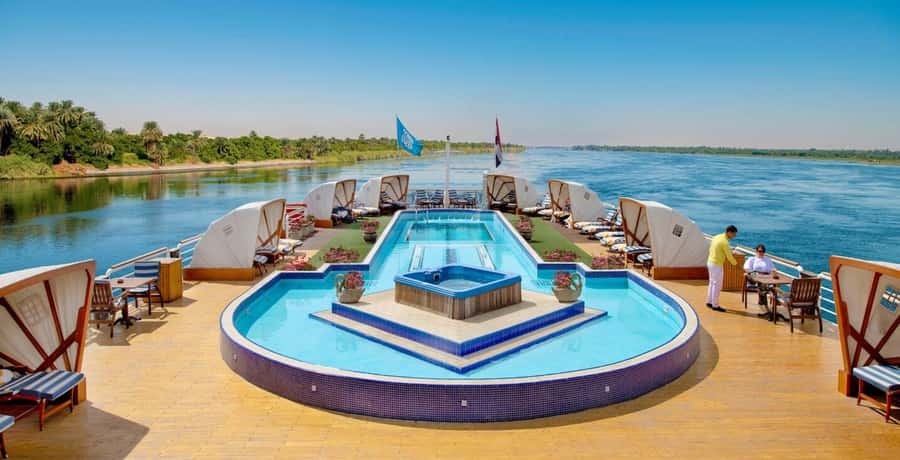
- Egyptologist-led visits across Luxor East, Luxor West, Edfu, Kom Ombo, and Aswan
- Karnak Temple and Luxor Temple early on, when the crowds and heat are easier to handle
- Luxor West Bank classics: Valley of the Kings, Hatshepsut at El Deir El Bahari, and the Memnon statues photo stop
- Edfu (Temple of Horus) + Kom Ombo (Sobek and Haroeris) with smart context from your guide
- Aswan by boat to Philae Temple plus the High Dam and a Nubian immigration story
- Small group size (up to 16) for a more personal pace and fewer logistics headaches
Flying From Cairo to Start Luxor Immediately
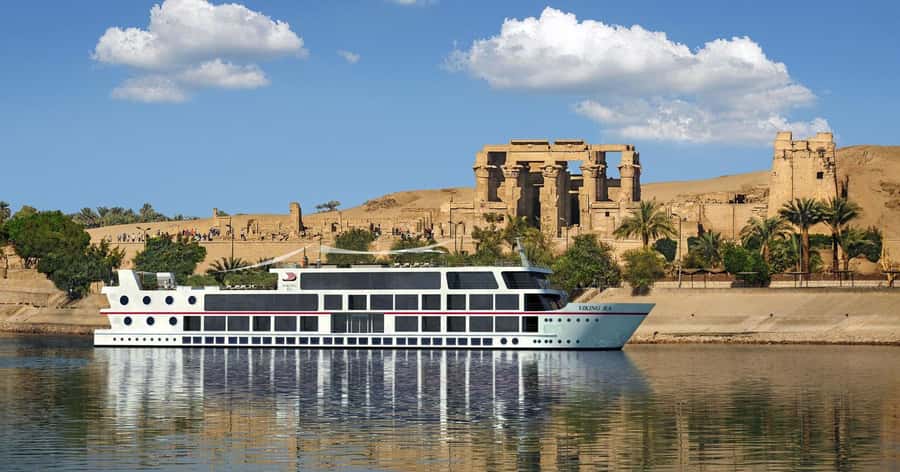
Most Nile cruises work better when they respect your time, and that’s the vibe here. You’re picked up in Cairo, taken to the airport, and flown to Luxor—so you don’t waste the first day fighting traffic or waiting around. When you land, you’re met and transferred by air-conditioned van to the cruise for check-in.
Then comes the key: you still have daytime for Luxor. That matters because Luxor is not just one sight. It’s a cluster. If you arrive late, you lose the best light and the easiest museum-style viewing windows. Starting with temples on Day 1 helps you feel like you’re in motion from the first afternoon rather than settling in for days.
If you’re the type who likes structure (I do), you’ll appreciate that transfers are included and your guide is part of the flow. If you hate surprises, plan for the one thing that can throw any Egypt trip off: flight timing changes. Keep your final flight details handy the week of travel, and don’t rely only on a message you may miss.
You can also read our reviews of more boat tours in Cairo



Karnak Temple and Luxor Temple: Two Ways to Feel the Same Monumental Scale
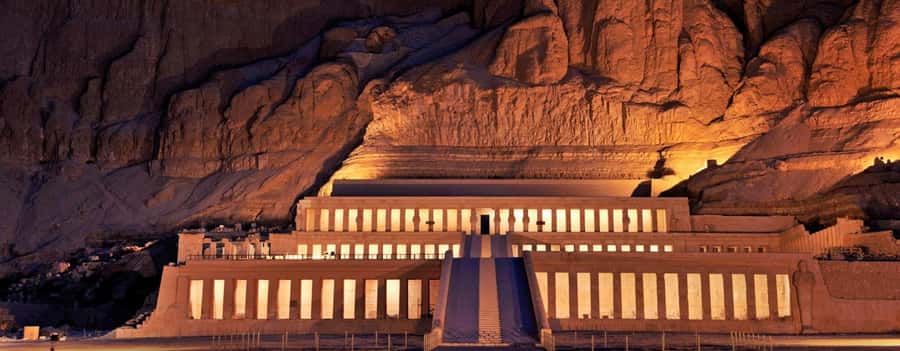
Day 1 hits Luxor East: first Karnak Temple, then Luxor Temple. Karnak covers about 63 acres, which is one of those numbers that sounds exaggerated until you walk in and realize the place is built like a city.
What I like about Karnak is the way it teaches you how the Egyptians layered meaning over centuries. You’re not just seeing ruins. You’re seeing deliberate repetition: pylons, columns, walls packed with carvings that feel like they were meant to be read slowly. With an Egyptology guide, you get the big picture fast—who built what, what you’re looking at, and why certain symbols show up in more than one form.
Luxor Temple is smaller than Karnak, but it hits differently. It’s right in town and feels more approachable, with features that reflect different eras: ancient Egyptian, Christian, and Islamic elements. You’ll also have time for the obelisk and statues, which are great for photos, but even better when your guide explains what the details point to.
Practical tip: wear shoes that can handle uneven stone paths. You’ll walk more than you think, and temple lighting makes slick surfaces feel drier than they are.
Luxor West Bank: Tombs, Hatshepsut, and the Memnon Photo Stop
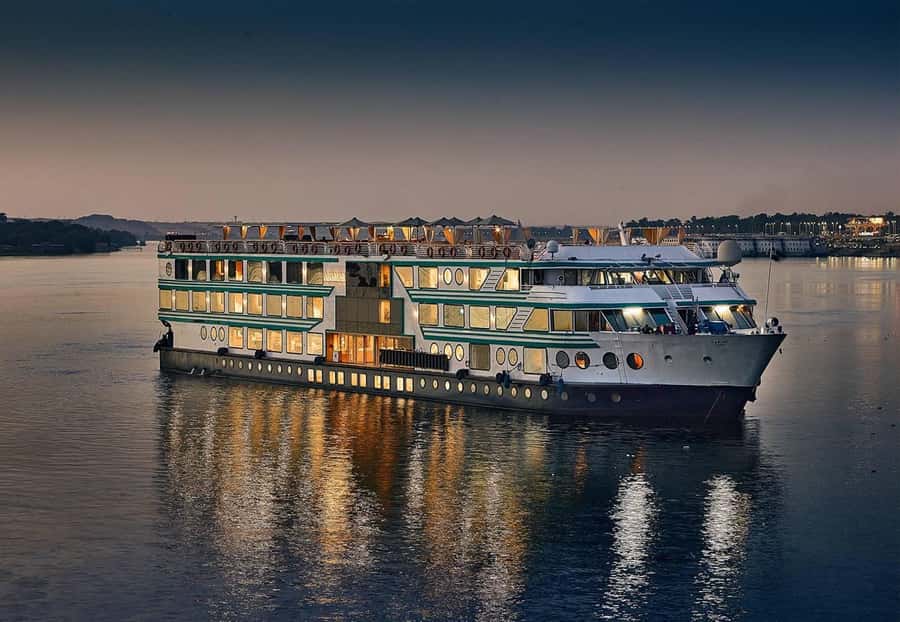
If Luxor East is about spectacle, Luxor West is about the mindset. The West Bank day is built around the Theban Necropolis—Valley of the Kings, El Deir El Bahari (Hatshepsut), and a photo stop by the giant Memnon statues.
Valley of the Kings
The Valley of the Kings is where the trip gets real. These New Kingdom tombs were carved into the mountains with a single goal: hide treasure and protect mummies. Inside, the scale and craftsmanship are impressive, but what really stays with you is the purpose behind it. A good guide helps you understand how the walls and burial scenes relate to beliefs about the afterlife.
One reality check: not every tomb feels equally dramatic depending on what’s open, time of day, and how the group moves. If you care a lot about interiors, ask your guide on the spot which tombs are most worth prioritizing.
Hatshepsut at El Deir El Bahari
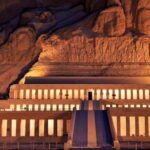
Then you reach Hatshepsut’s mortuary temple, one of those places where the architecture does half the talking. It’s tied to a queen Pharaoh, and the site’s layout guides your eye across levels and angles. Even if you’re not a details person, it’s hard not to feel how power is expressed through stone.
A few more Cairo tours and experiences worth a look

Memnon statues photo stop
The Memnon statues stop is a classic. You’ll get a chance to pose in front of the massive figures and catch your breath before heading back.
And yes—there’s also horse carriage included in the overall package. On the West Bank, that small traditional touch can make the touring feel more local and less like an endless series of buses. If you’re sensitive to animal handling, take cues from how it’s managed on the day and how the situation feels.
The River Days: Sailing, Esna Lock, and Break Time That Actually Helps
This cruise isn’t only about stepping off a van and into a temple. There are sailing moments that give you time to reset. After the West Bank day, you return to the cruise by noon, have lunch on board, and then start sailing. You’ll also cross Esna Lock, which is one of those Nile details that many people gloss over—but it’s a fun reminder that the river is a working system, not just a postcard.
On the day with Edfu and Kom Ombo, you get more touring followed by a return to the ship and more river time. That rhythm is important. Egypt sightseeing can pile up fast. Having a consistent lunch-on-board pattern helps you avoid the classic mistake: rushing through sites on empty energy.
Small-group size (up to 16) also helps here. The ship feels calmer because you’re not dealing with constant crowd surges.
Edfu and Kom Ombo: Horus vs. Two Gods on the Same Stop
Day 3 focuses on two temple powerhouses.
Temple of Horus in Edfu
You’ll visit the Temple of Horus in Edfu. This is one of the most satisfying temple stops for people who like clarity. The main theme is easy to track, and your guide can connect the symbolism to the way the Egyptians framed kingship and protection.
The logistics are fairly straightforward: tour, transfer back to the ship, then sailing continues. That structure matters because Edfu can feel intimidating if you show up without context. With the guide doing the explanation, it becomes readable.
Kom Ombo: Sobek and Haroeris
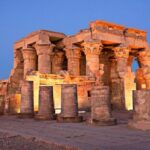
Then it’s Kom Ombo, shared by the two gods: Sobek and Haroeris. The name itself is a clue. You’re looking at a temple that splits its focus, and the guide can help you notice how the layout supports that dual identity.
Lunch is on board, so you get a clean reset. I like this setup because it keeps the day from turning into a full-on grind of gates and steps.
Aswan Highlights: High Dam, Philae Temple by Boat, and Nubian Context
Aswan is where the trip broadens from ancient monuments to modern river reality. You start with the High Dam, completed in 1960, described as a project to protect Egypt from floods and generate electricity. Even if you’ve heard about it, it helps to stand in the area and connect modern engineering to why the Nile matters.
Then you go to Philae Temple, dedicated to Isis. The key detail: you reach it by small motorboat. That boat ride isn’t just transportation. It’s part of the feeling. You get a different view angle of the temple before you even walk in, and the water approach makes the site feel more cinematic.
You’ll also hear a story about Nubian immigration. That context can shift how you experience Aswan. It links today’s communities to the river’s long movement patterns and the cultural layers in the region.
Flight back to Cairo
After the Aswan tour, you’re transferred to the airport to fly back to Cairo, then dropped at your Cairo hotel by driver. That final day structure is useful because it avoids the common problem where people end up in Cairo too late and lose the next day to travel recovery.
There’s also an optional excursion to Abu Simbel Temple. If it’s in your plans, I strongly suggest you decide early. It’s the kind of add-on that can affect timing and energy.
Hot-Air Balloon Over Luxor West: One Question Before You Trust the Schedule
Your package highlights an adventurous hot air balloon ride over Luxor West. That’s a highlight for a reason: the West Bank at sunrise gives you the one-view that photos can’t fully replace—tombs, temples, and the river plain stretched under early light.
But here’s my practical advice: before you assume it’s locked in, ask your operator (or your guide on arrival) how and when it’s scheduled and what the exact pick-up timing is. Balloon flights depend on weather, and early-morning windows can conflict with flight days and transfers.
Even if the balloon is included, treat it like a real plan, not a bonus you can ignore. Set an alarm, confirm the pickup location, and keep your day flexible enough to absorb changes.
5-Star on the Nile: Cabins, Meals, and What “Included” Really Buys
This trip includes a 5-star Nile cruise with a cabin that has all facilities, plus meals: breakfast 4x, lunch 4x, dinner 4x. It also includes the major land tours, your guide, and pickup/drop-off by air-conditioned mini bus.
Here’s how I think about value on a Nile cruise: your biggest cost is often the transportation puzzle—flights, transfers, and the daily movement between sites. When those are bundled, you spend your mental energy on sightseeing instead of logistics.
The meals included help too. Temple days make it hard to hunt for food at the exact moment you’re hungry. Having lunch and dinner handled lets you keep the schedule without skipping breaks.
What you should still plan for:
- Entrance fees are not included, so budget extra for ticketing once you have the final list from your guide.
- Temple days can be hot and walking-heavy. Comfortable clothes matter more than you expect.
If you’re the kind of person who likes a proper base each night, you’ll appreciate that you’re not constantly relocating. You’re in one place—your ship—while the land tours radiate out.
Price and Logistics: Where the Value Is Solid, and Where You Need Guardrails
At $1,540 per person for 5 days and 4 nights (including Cairo–Luxor and Aswan–Cairo flights, plus a 5-star cruise and guided tours), the price can look high—until you price out the pieces separately.
This package covers:
- flights into the region when timing is everything
- a cruise for multiple nights
- Egyptologist-led sightseeing across several major temple zones
- meal support that keeps touring smooth
So the value is best if you want a structured, guided overview and you don’t want to micromanage every transport step.
The guardrails I’d use with this specific kind of product:
- Confirm flight times early and get them in writing. Don’t wait for last-minute messages.
- Lock in meeting points. If your pickup is supposed to happen at a hotel or airport, make sure the location is specific.
- Have a backup plan if flight timing changes. Even a small delay can cascade into missed tours.
Some experiences in the past show that communication can be uneven and timing changes can cause stress. I can’t control that for you—but I can tell you what reduces the chance of a bad moment: double-checks, clear pickup points, and quick contact with your guide before you’re already on the move.
One more note: small group size (limited to 16) helps, but it doesn’t stop a busy day schedule. You’ll still be busy. The question is whether you feel supported in the movement between places.
Best-Fit Travelers: Who Will Enjoy This Most
This cruise is a good match if:
- you want a guided introduction to Luxor, Edfu, Kom Ombo, and Aswan
- you like having meals and transport handled
- you prefer a small-group pace (up to 16 participants)
- you’re happy to trade free time for a solid sightseeing hit
It may feel less ideal if you:
- hate early starts or tight timing
- want lots of independent wandering
- are highly sensitive to communication and meeting details
Should You Book This Nile Cruise From Cairo to Luxor?
Yes, I’d consider booking—if you want an organized, guided Nile run that bundles flights, a 5-star ship, and major temple highlights into a short window. You’ll get strong context at Karnak, meaningful stops on Luxor West, and two of the most iconic temple pairings on the Nile stretch: Edfu + Kom Ombo. Aswan adds modern river context with the High Dam and the boat approach to Philae.
My only caution is not about the temples. It’s about execution. Before you go, confirm flight timing and pickup locations clearly, especially if you’re connecting from another city. If you do that homework, this can be a great way to experience Egypt’s essentials without building the logistics yourself.
FAQ
How long is the cruise from Luxor to Aswan?
It’s 5 days and 4 nights.
What is included in the price for this trip?
The package includes round-trip flights (Cairo to Luxor and Aswan to Cairo), a 5-star Nile cruise, cabin accommodations, guided tours for the listed sites, pickup/drop-off by air-conditioned mini bus, and meals (4 breakfasts, 4 lunches, 4 dinners).
Are entrance fees included for the sightseeing?
No. Entrance fees are not included.
What sites does the tour cover?
The included highlights cover Karnak Temple, Luxor Temple, Valley of the Kings, Hatshepsut at El Deir El Bahari, Memnon statues photo stop, Esna Lock crossing, Edfu Temple, Kom Ombo Temple, High Dam, and Philae Temple. There’s also an optional Abu Simbel excursion.
Will I have an English-speaking guide?
Yes. The tour includes a live English Egyptology guide.
How big is the group?
This is a small group, limited to 16 participants.
Do I fly back to Cairo at the end?
Yes. After the Aswan portion, you’ll be transferred to the airport and fly back to Cairo, then be taken to your hotel.
Is hot-air ballooning included?
The experience highlights an adventurous hot air balloon ride of Luxor West. For anything you want guaranteed, I’d confirm the exact timing and what’s included for your specific departure.