Two days, four tombs, then Karnak’s columns. This private Luxor highlights tour strings together the Valley of the Kings and the Karnak Temple with a licensed Egyptologist guide and air-conditioned hotel pickup, so you spend less time on logistics and more time understanding what you’re seeing. I also like the way the schedule spreads big stops across two days, which makes the heat feel less brutal.
My favorite part is how the guide turns “pretty walls” into readable stories. The one drawback to keep in mind is timing: day 1 is long, tomb visits are short, and entrance fees aren’t included—so you’ll want to budget for tickets and optional add-ons like the Tutankhamun tomb.
In This Review
- Key things to know before you go
- West and East Banks in 2 days: the value of not winging it
- Price and logistics: what $140 covers (and what it doesn’t)
- Day 1 on the West Bank: Valley of the Kings plus Hatshepsut
- Valley of the Kings: seeing multiple royal tombs without losing your mind
- KV 11 (Ramses III): ritual texts and the story behind the scenes
- Ramses IX: the ceiling and the sarcophagus details
- Merenptah: the architecture shift and the afterlife protections
- Ramses IV: the “books” of the afterlife and Nut’s solar story
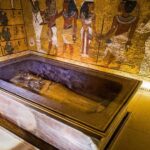
- Optional: Tutankhamun’s tomb entrance
- Deir el-Bahari: Temple of Queen Hatshepsut
- Colossi of Memnon: big statues, quick stop, good contrast
- Passing by other sites: you get the layout, not a full tour
- Day 2 on the East Bank: Karnak’s columns and Luxor Temple’s ritual center
- Karnak Temples: Hypostyle Hall and the long view of power
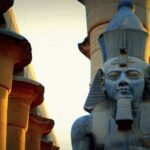
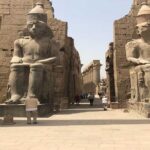
- Luxor Temple: the Theban Triad and Ramses in granite
- Egyptologist guide effect: why the right person matters
- Comfort and overnight choice: the 3-star hotel upgrade in central Luxor
- Hot air ballooning and the Tutankhamun add-on: worth it, when it fits
- Who this tour suits best (and who might want a different plan)
- Should you book this Luxor highlights tour?
- FAQ
- What is the duration of the Private 2-Day Luxor Highlights Tour?
- What time does the tour start?
- Does the tour include hotel pickup and drop-off?
- Is this a private tour?
- Who guides the visits?
- Is hotel accommodation included?
- Are entrance fees included?
- Are there optional add-ons?
- What transportation is provided during the tour?
Key things to know before you go
- Private, small-group format: pickup from central Luxor or the harbor, with a private air-conditioned vehicle and a maximum of 10 travelers.
- Egyptologist-led context: you get history and construction details at each major site, not just a quick look-and-go.
- West Bank packed into one day (by design): royal tombs plus Hatshepsut at Deir el-Bahari and the Colossi of Memnon.
- East Bank focuses on scale: Karnak Temples with the Hypostyle Hall and Luxor Temple to close.
- Add-ons are optional: hot air ballooning over the Valley of the Kings is weather permitting and costs extra.
- Tomb ticket extras can apply: Tutankhamun’s tomb has an additional entrance fee (listed as 300 EGP).
West and East Banks in 2 days: the value of not winging it
Luxor can feel huge when you’re doing it on your own. This tour keeps you moving, but with a guide who explains what each monument was for and how it was built. That matters, because many of these places look similar at first glance—until someone puts names, dates, and purpose to the scenes.
You’re also covering both sides of the Nile: the West Bank, tied to royal burials, and the East Bank, tied to worship and living-city power. I like that you’re not just seeing “big stuff.” You’re seeing how Luxor worked as a whole system.
You can also read our reviews of more private tours in Luxor
Price and logistics: what $140 covers (and what it doesn’t)
At $140 per person for a private 2-day tour, the headline value is the combination of guide time + air-conditioned transport. Entrance tickets are not included, though, so your final trip cost will depend on what you choose to enter.
Here’s the practical math idea: you’ll have a base tour fee, plus on-site entry fees. On top of that, there’s an optional Tutankhamun tomb entrance listed at 300 EGP, and hot air ballooning is an additional cost. If you’re the type who wants to maximize time inside tombs and temples, budget extra from the start so you don’t get stuck deciding at the door.
Also note the duration: day 1 is described as a full guided trip of about 8 hours. That’s great for efficiency, but it also explains why each tomb stop is time-boxed.
Day 1 on the West Bank: Valley of the Kings plus Hatshepsut
Day 1 starts with pickup from your hotel in central Luxor (or the harbor). From there you head to the Necropolis of Thebes, the famous West Bank burial ground.
Valley of the Kings: seeing multiple royal tombs without losing your mind
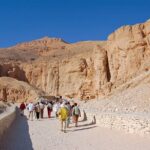
The itinerary includes visiting four royal tombs, plus optional extra time depending on what you add. The main entry stop is about 2 hours, then the tomb visits are typically around 20–30 minutes each.
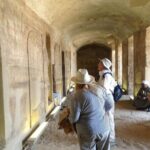
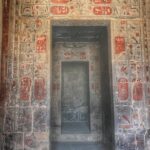
This is where a guide earns their keep. In one tomb, you’re looking at painted, sunken reliefs tied to ritual texts like the Litany of Ra and the Book of Gates, along with scenes of Ramses before the gods. In another, there are more unexpected details in side rooms—foreign tributes and objects that hint at far-reaching connections.
If you’re thinking, Great, I’ll just wander—don’t. The best results come when you let the guide point out what to watch for: ceiling iconography, recurring deities, and how the layout changes by reign.
KV 11 (Ramses III): ritual texts and the story behind the scenes
You’ll visit Ramses III’s tomb (KV 11), and this one has a lot to look for even in a short visit. The descriptions include colorful painted reliefs with ritual material such as the Litany of Ra and Book of Gates. There’s also the idea of Ramses portrayed before the gods, plus “secular” scenes in side rooms showing foreign tributes.
One detail you might hear about is the tomb’s link to harps—because the tomb includes blind harpists, which gave it an alternative name. In practice, that means you’ll see more than just royal procession scenes. You’ll see the afterlife world as Egyptians imagined it, with music and ritual woven into the layout.
A few more Luxor tours and experiences worth a look
Ramses IX: the ceiling and the sarcophagus details
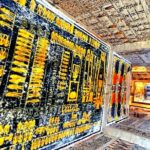
Next you visit the tomb of Ramses IX. The description emphasizes the amount of color and detail, including the ceiling above the sarcophagi with the goddess Nut across the space. Even if some painted areas have deteriorated over time, you’re still meant to notice the overall composition and the scale of the sarcophagus.
This stop is also a good reminder that the Valley isn’t one single “look.” Different tombs reflect different periods and different choices about decoration, space, and emphasis.
Merenptah: the architecture shift and the afterlife protections
Merenptah’s tomb (Tomb 8 in the Valley area) is another structured visit, typically about 20–30 minutes. The description ties it to royal burial practice and notes how tomb construction shifts in certain ways—less in the lateral rooms, more in corridor and room heights.
There’s also a historical note in the material: the tomb was discovered by Howard Carter in 1903. If you’re the type who likes knowing how modern archaeology connects to what’s left, this is a helpful touch.
Ramses IV: the “books” of the afterlife and Nut’s solar story
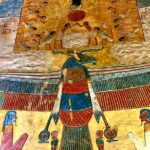
You’ll also visit the tomb of Ramses IV (KV 2). This tomb is described as different from the usual Valley of the Kings layout, with wall scenes showing multiple funerary texts, including Litany of Ra and works such as the Book of the Dead and Book of Amduat.
You’re also given guidance to look for specific imagery: the ceiling scene where the goddess Nut is depicted swallowing the sun, then giving birth to it. That solar cycle is a key afterlife concept, so once you know what the symbolism is aiming for, the art reads more clearly.
Optional: Tutankhamun’s tomb entrance
There’s a separate optional stop mentioned for the entrance fee to Tutankhamun’s tomb. The listed cost is 300 EGP. If you’re a first-timer and this is your only chance to see Tutankhamun’s burial chamber, it’s worth considering—but only if you’re okay paying the extra ticket and fitting it into your time.
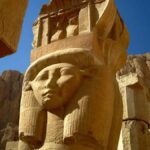
Deir el-Bahari: Temple of Queen Hatshepsut
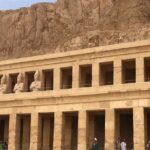
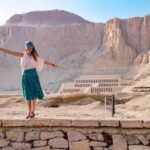
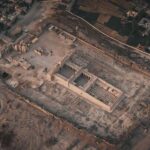
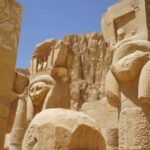
After the Valley, you head to the Temple of Queen Hatshepsut at Deir el-Bahari. This stop runs about 1 hour in the itinerary.
The big reason this temple works so well after tombs is that it’s still “royal,” but in a very different mode. You’re moving from burial symbolism to state power and legitimacy. The material notes that Hatshepsut was the only woman to reign as pharaoh and that she’s an ancestor connected to the same dynasty as Tutankhamun.
Colossi of Memnon: big statues, quick stop, good contrast
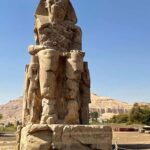
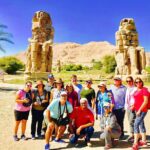
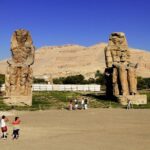
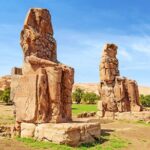
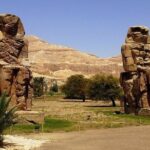
You’ll then see the Colossi of Memnon, two massive statues dating to the era of Amenhotep III. This is a shorter stop (around 20 minutes), and it works as a breather after walking inside tomb corridors.
These statues are great for perspective. They help you remember these tombs weren’t built in isolation. They were part of a whole monument system where temples, cult worship, and the afterlife all belonged to the same worldview.
Passing by other sites: you get the layout, not a full tour
The route includes “pass by without stopping” for several notable West Bank locations such as the Howard Carter House area, Ramesseum (Ramses II mortuary temple), and more. This is useful if you want orientation and context. It’s not ideal if you’re hoping for extra time inside every single site.
My advice: decide what your must-enter list is before you arrive. Otherwise, you may end up feeling like you’re constantly asking why you didn’t get longer at the last place.
Day 2 on the East Bank: Karnak’s columns and Luxor Temple’s ritual center
Day 2 is all about the Karnak complex and then closing with Luxor Temple.
Karnak Temples: Hypostyle Hall and the long view of power
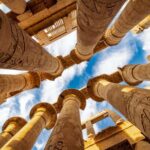
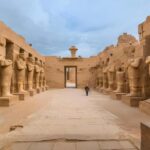
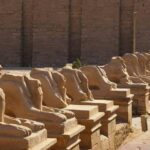
You’ll visit the Karnak Temples complex on the East Bank. The itinerary highlights major sections, including the Avenue of Sphinxes, the Hypostyle Hall with 134 giant columns, obelisks attributed to Queen Hatshepsut and Thutmose I, and parts of the Temple of Amun decorated with lotus and papyrus designs.
You’re also guided to the Granite Scarab of Amenophis III and the Sacred Lake area. In other words, you’re not just seeing one temple doorway—you’re seeing how Karnak grew by adding reign after reign.
This stop is the perfect place to ask your guide smart questions. When someone points out why a certain hall was built, or what the iconography is signaling, the space starts to feel “planned,” not random.
Luxor Temple: the Theban Triad and Ramses in granite
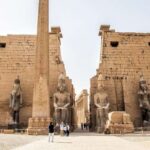
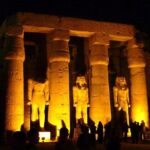
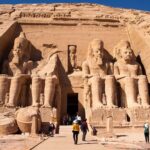
After Karnak, you’ll see Luxor Temple. The material notes dedication to the Theben Triad: Amun-Ra, Mut, and Khonsu, and mentions granite statues of Ramses the Great.
Luxor Temple is typically about an hour in the itinerary. That’s just enough time to get the theme and notice the symbolism. It also serves as a satisfying contrast to Karnak’s size—smaller, clearer, more focused.
Egyptologist guide effect: why the right person matters
The tour is built around a qualified Egyptologist guide, and that changes what you get out of every stop. In particular, you’ll get explanations of history and construction, plus help reading the scenes and layouts.
I’ve seen this firsthand with guides like Khalid, who tends to keep a calm pace and gives you enough time to look on your own after the explanations. When the guide also understands hieroglyphs well—like Raj did for one group—the tomb walls stop looking like decoration and start acting like information panels. Another example was Ahmed Awad, who connected the story between sites so it didn’t feel like you were repeating the same thing all day.
Even if your guide isn’t your style, you can still benefit from a simple strategy: ask one or two targeted questions before entering each major room, and then let the guide’s answer shape what you notice.
Comfort and overnight choice: the 3-star hotel upgrade in central Luxor
This tour offers an optional upgrade to overnight accommodation in a 3-star hotel in central Luxor. For many people, that’s a practical win because you can relax in the middle of the itinerary instead of trying to rush between different bases.
Because day 1 starts at 8:00 am and day 2 continues the circuit, having your sleep location near the action makes it easier to stay human. Also, central lodging tends to shorten the “dead time” between pickup and dinner plans, which matters when you’ve already spent most of the day outdoors.
If you’re comfortable organizing your own hotel and you’re already staying in a convenient spot, the upgrade might not add much. If not, it can make the whole trip feel smoother.
Hot air ballooning and the Tutankhamun add-on: worth it, when it fits
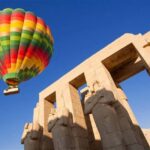
There’s a hot air balloon add-on over the Valley of the Kings listed as optional and weather permitting, with additional cost. If you’ve never done ballooning in Luxor, it’s one of those “separate experience” add-ons—great if it lines up with your dates and you don’t want to trade sightseeing time.
Separately, Tutankhamun’s tomb entrance is mentioned as optional, with a cost listed as 300 EGP. This is a good option for people who want the big-name draw. Just keep expectations grounded: it’s still one tomb stop, and you may have to accept shorter time inside everything else.
Who this tour suits best (and who might want a different plan)
This tour is a strong fit for you if:
- You’re on a tight schedule and want both West and East Bank highlights in just 2 days.
- You prefer guided context over wandering and guessing.
- You like early starts that help cut down on the worst of the midday sun.
- You want a plan with private, air-conditioned transport rather than assembling a taxi route.
It may be less ideal if:
- You hate time limits inside sites. Day 1 includes multiple tombs, and each one is kept short.
- You want lots of free time to sit and sketch or linger for long photo sessions.
- You’re sensitive to added ticket costs at multiple stops.
If any of the above sounds like you, try to decide in advance what you care most about: more time in fewer tombs, or more sites with a guide.
Should you book this Luxor highlights tour?
I’d book it if you want a smart two-day hit list with the important thing done right: a qualified Egyptologist explaining the monuments as you go. The combination of West Bank tombs, Deir el-Bahari, Colossi of Memnon, then Karnak and Luxor Temple makes the trip feel like Luxor’s story, not just a checklist.
Just do two things before you confirm: budget for entrance fees and decide whether you’ll pay for the optional Tutankhamun tomb and hot air ballooning. If you plan for those costs and you’re okay with short, focused tomb visits, this is one of the easier ways to get the most meaning out of Luxor in limited time.
FAQ
What is the duration of the Private 2-Day Luxor Highlights Tour?
It runs for about 2 days.
What time does the tour start?
The start time is listed as 8:00 am.
Does the tour include hotel pickup and drop-off?
Yes. Pickup is offered, with pickup and drop-off included.
Is this a private tour?
It’s described as a private tour, and the maximum group size is listed as 10 travelers.
Who guides the visits?
You’ll be guided by a qualified, licensed Egyptologist guide.
Is hotel accommodation included?
Hotel accommodation is optional. You can upgrade to include overnight stays in a 3-star hotel in central Luxor.
Are entrance fees included?
No. Entrance fees are not included for the mentioned sites.
Are there optional add-ons?
Yes. Hot air ballooning over the Valley of the Kings is optional, weather permitting, and has an additional cost. The Tutankhamun tomb entrance fee is also optional (listed as 300 EGP).
What transportation is provided during the tour?
Round-trip air-conditioned transport is included to move you between the sites.