REVIEW · LUXOR
Nile Cruise 4nights – 5days from luxor to aswan with vist tours
Book on Viator →Operated by Malak Tour Luxor · Bookable on Viator
A Nile cruise between Luxor and Aswan is the perfect “go big, see it all” format for Egypt, and this one keeps you moving without feeling frantic. I especially like the mix of West Bank icons plus East Bank temples, and I also like that the cruise runs on full-board meals with a small group size. One thing to plan for: entrance fees and drinks aren’t included, and you’ll still want to budget for tipping.
What makes this experience feel organized is the way it strings together famous monuments, sailing time, and guided context. Your guide (an Egyptologist) helps you understand what you’re looking at, from royal tomb culture in Luxor to the temple story beats along the Nile corridor. If you prefer total free time with no scheduled visits, this won’t be your match, because the day is structured around major sights.
From the start, it’s built around comfort and logistics: pickup from Luxor airport or train station around 7:00 a.m., transport in an air-conditioned vehicle, and a cruise cabin you can return to between excursions. Plus, there’s a real human safety net—reviews highlight 24/7 phone contact—so you’re not stuck guessing if something changes.
In This Review
- Key highlights worth your attention
- Luxor to Aswan by Nile cruise: why this route works
- Day one in Luxor: West Bank icons, then East Bank temples
- The West Bank trifecta: Valley of the Kings, Hatshepsut Temple, Colossi of Memnon
- Luxor Temple and Karnak: the East Bank big-league experience
- Cruise time on day one: dinner and an onboard disco party
- Felucca ride to Banana Island: where the pace slows
- Edfu Temple by carriage: a classic approach with a twist
- Kom Ombo Temple: reading the Nile’s temple logic
- Aswan High Dam and Abu Simbel: the long-horizon payoff
- Price and value: what $450 really covers
- How smooth the service feels with Malak Tour Luxor
- Who should book this Nile cruise (and who should reconsider)
- Should you book Nile Cruise 4 nights – 5 days from Luxor to Aswan?
- FAQ
- FAQ
- What cities does this Nile cruise cover?
- Is pickup and drop-off included?
- What meals are included on the cruise?
- Are entrance fees included for temples and monuments?
- Do I get an Egyptologist guide?
- How large is the group?
- Is free cancellation available?
Key highlights worth your attention
- 5-star cruise with full-board meals (breakfast, lunch, dinner), with drinks excluded
- Egyptologist guide to connect the scenes to what each monument was built for
- Small group size (max 15 travelers) so visits stay manageable
- Luxor classics in one go: Valley of the Kings, Hatshepsut Temple, Colossi of Memnon
- Felucca to Banana Island for a slower Nile moment
- Carriage ride to Edfu Temple for a change of pace from walking
Luxor to Aswan by Nile cruise: why this route works
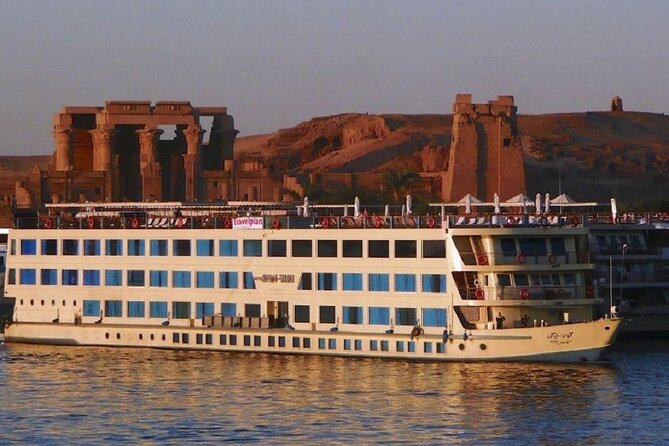
The Luxor to Aswan stretch is basically Egypt’s greatest hits done in a straight line. You’re not hopping around; you’re traveling with the river. That matters, because the Nile is part of the experience. Even when you’re busy with temples, you’re moving in the direction that shaped ancient trade, travel, and power.
This cruise style also gives you something you don’t always get with day-only tours: downtime. You’ll spend time on the boat, eat meals on schedule, and return to your cabin between excursions. For a five-day trip, that balance is what makes it feel like a holiday and not a checklist.
And since the tour includes pickup and drop-off plus air-conditioned transport, you avoid the most stressful part of Egypt sightseeing: the time lost coordinating rides. If you like your big days to start smoothly, you’ll appreciate that.
You can also read our reviews of more boat tours in Luxor

Day one in Luxor: West Bank icons, then East Bank temples
Your first morning begins with a pickup around 7:00 a.m. from Luxor airport or the train station. That’s early, but it’s also smart. The West Bank sights are most rewarding when you reach them before crowds fully pile in, and when the light is still doing you favors.
From there, the plan brings you to the West Bank: Valley of the Kings, Hatshepsut Temple, and the Colossi of Memnon. After those, you head back toward the cruise for lunch and then shift to the East Bank for Luxor Temple and Karnak Temple.
One practical note: most scheduled sightseeing blocks are listed at about 1–2 hours each. That pace is usually perfect for staying alert at temple sites. If you know you like to linger, you can still slow down at a stop where you’re most interested, but the overall structure is designed to fit a lot into daylight.
The West Bank trifecta: Valley of the Kings, Hatshepsut Temple, Colossi of Memnon
The West Bank is where you see how ancient Egypt imagined eternity—less like a royal sightseeing zone and more like a world built for remembrance. Even without memorizing names and dates, you can feel the theme as you move through the sites.
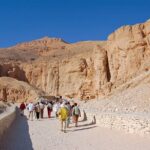
Valley of the Kings is the headline stop for many people, because it’s tied to royal tomb tradition. What you’ll value here isn’t just the fact that it’s famous; it’s the guide’s ability to explain the tomb logic, the beliefs behind burial, and why the valley layout mattered. Expect to get your bearings fast and then start seeing patterns instead of random architecture.
Then you’ll visit Hatshepsut Temple, which is a strong contrast: this is royal power shown through building scale and carefully planned monumental space. Hatshepsut is an especially interesting figure to hear about with an Egyptologist, because you’ll get historical context that makes the stones feel less like ruins and more like decisions someone made.
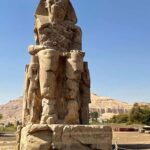
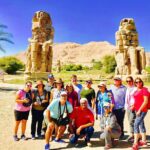
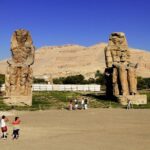
Finally, Colossi of Memnon brings you back to a view that’s easy to photograph and hard to forget. These massive statues are a reminder that ancient Egypt didn’t aim for subtlety. When you stand there, you get the sense that the landscape was designed to impress from a distance.
Possible drawback? West Bank days can involve a fair amount of walking and heat management. If you’re sensitive to long sun exposure, plan to take it slow and use your water. Since drinks aren’t included in the cruise package, you’ll want to confirm what’s available for purchase onboard or on the way.
Luxor Temple and Karnak: the East Bank big-league experience
Once you flip to the East Bank, the mood shifts. Instead of tomb culture, you’re in temple culture: places built to connect rulers and gods through ceremony.
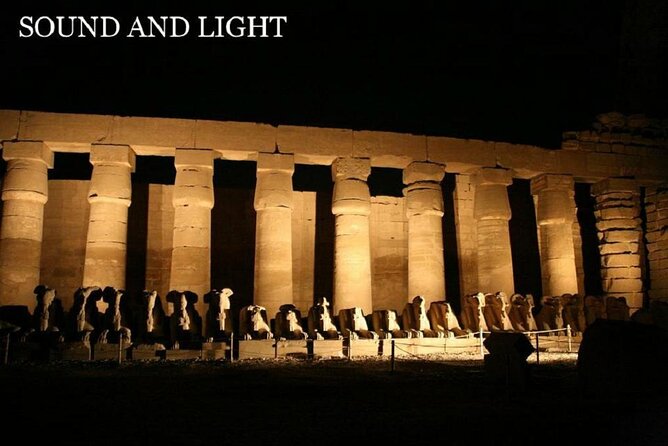
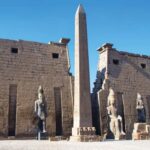
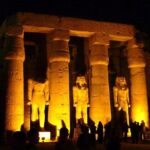
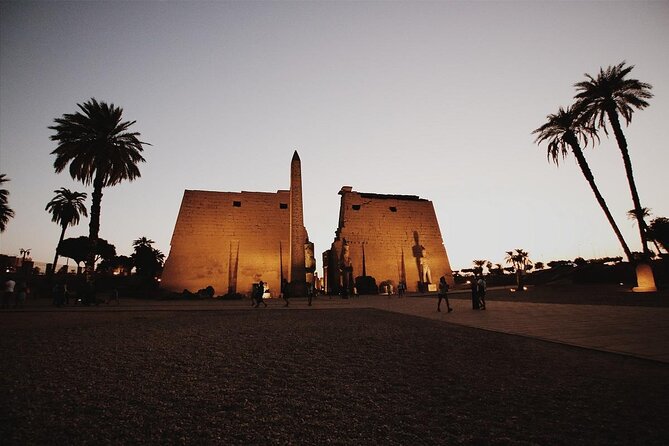
Luxor Temple, noted as built by Amenhotep III using Nubian sandstone, gives you a strong sense of how temples were used across time. You’ll likely notice how the scale and axis planning guide your eyes, and you’ll understand more if you pay attention to what the guide explains about the temple’s purpose and its link to royal authority.
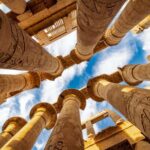
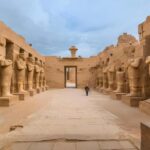
Then Karnak Temple comes in as the other major anchor. It’s described as the second most visited site in Egypt after the Pyramids of Giza, and that tells you something important: this isn’t a quick stop photo-op. Karnak is enormous, and even if you don’t catch every detail, you’ll come away with the big idea—temple complex power growing over centuries.
If you’re the type who likes to read monuments with your feet, Karnak is one of the best places in Luxor for that. Just remember: it can feel like information overload. If you feel that, focus on one main area your guide points to and let the rest be background.
Cruise time on day one: dinner and an onboard disco party
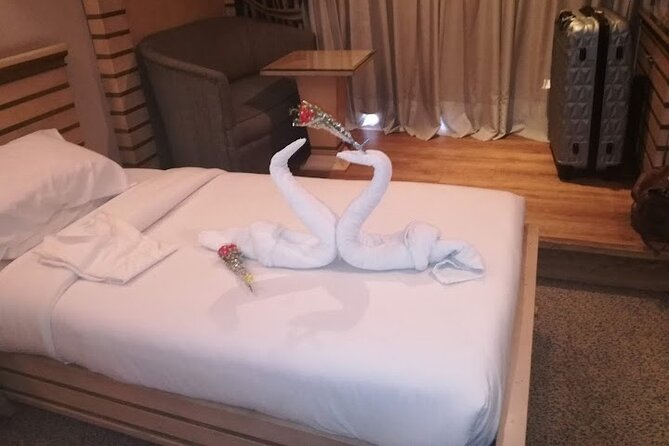
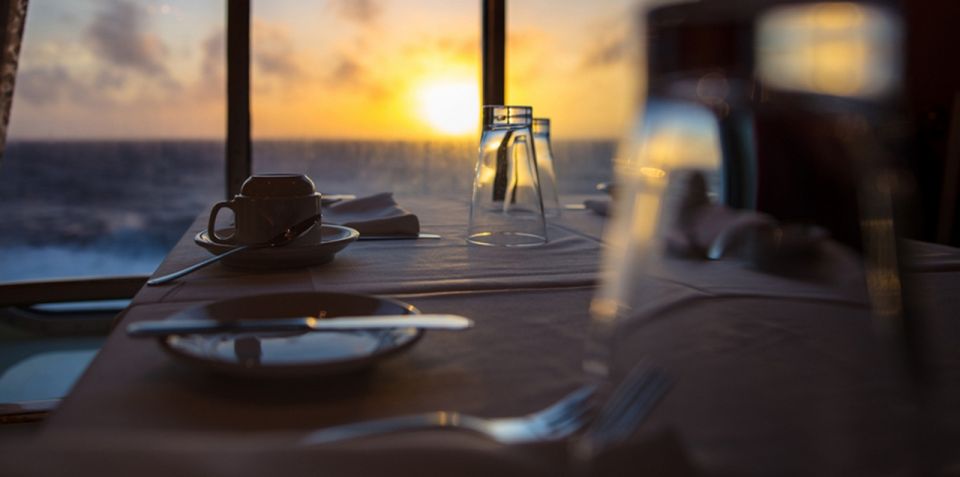
After your sightseeing, you return to the boat for dinner. The cruise includes full-board meals (breakfast, lunch, dinner), but drinks aren’t included, so if you like to pair meals with a beverage, budget for it separately.
One of the fun surprises here is the mention of an evening disco party. I don’t think this should be a deal-maker, but it’s a sign the cruise isn’t just strict schedules and uniforms. It can be a nice way to loosen up after intense temple days.
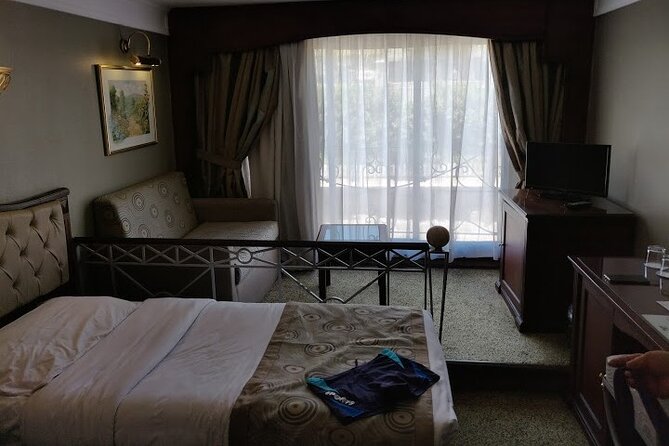
In the reviews, I also see a strong theme around the cruise being practical and well run—clean cabins, effective staff, and food that actually works for real travelers, not just a marketing brochure. That matters more than people think. After a day of heat and walking, you want a shower and a meal that feels reliably good.
A few more Luxor tours and experiences worth a look



Felucca ride to Banana Island: where the pace slows
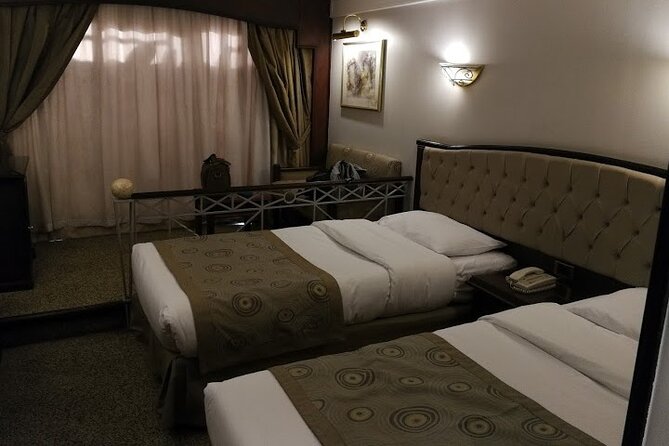
After the Luxor portion, the experience shifts into river time with a Felucca ride to Banana Island. This is the kind of stop that balances the itinerary. Temples are sharp and monumental; a felucca moment is slower, more sensory, and more about the river itself.
Feluccas also do something smart: they give you a break from the “museum brain.” You’re outside, moving at a different speed, and you can look back at the Nile corridor with less pressure. It’s not a replacement for temples—it’s a relief valve.
If you’re the type who hates being herded, this is one moment you can enjoy without needing to learn another set of facts. Just sit back, notice the water movement, and let the day reset.
Edfu Temple by carriage: a classic approach with a twist
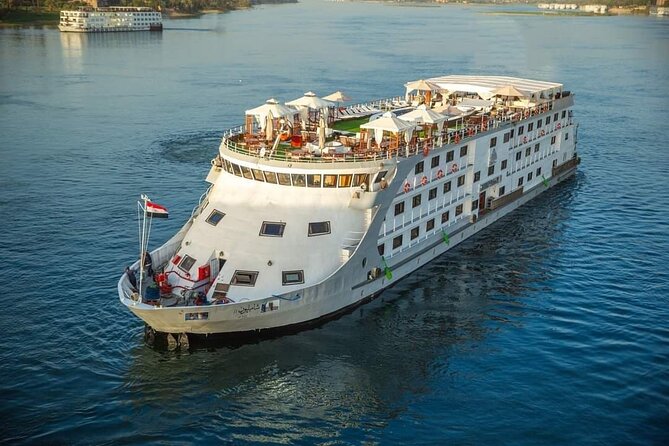
Edfu is one of those stops that can feel mysterious on your first look and then meaningful once your guide frames what you’re seeing. The itinerary includes a carriage ride to Edfu Temple, which I like because it adds Egyptian texture without making the schedule harder.
Walking to a temple is fine, but carriage transport can reduce fatigue and keep you more present when you arrive. You get the sense of traveling like locals and visitors through the route, not just getting dropped at a door.
Edfu Temple itself is known as a major ancient temple site, and the value here is in how the guide connects the architectural layout with the religious function. It’s the difference between taking photos and learning why certain structures were built the way they were.
Kom Ombo Temple: reading the Nile’s temple logic
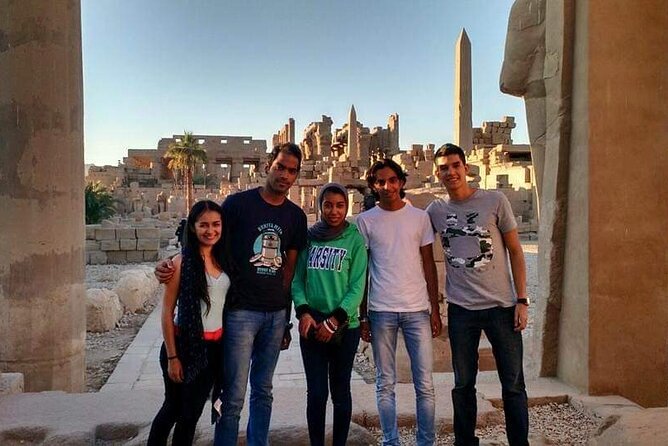
As the cruise continues, you’ll visit Kom Ombo Temple. This stop is important because it helps you understand how temple sites repeat patterns along the Nile while also expressing local differences.
I recommend you treat Kom Ombo like a “systems stop.” Don’t just ask what’s there—ask how it fits into the broader Nile story. With an Egyptologist, you’ll get context that makes Kom Ombo feel less like another impressive pile of stone and more like a connected chapter.
The main drawback to watch for is timing and energy. Temple days stack up. If you’re tired, you might rush through the details. Try not to. Pick one or two areas you want to understand, and let the rest be atmosphere.
Aswan High Dam and Abu Simbel: the long-horizon payoff
The Aswan portion is where the trip starts to feel like a finale. You’ll see Aswan High Dam, which adds a modern layer to your Egypt perspective. It’s not ancient, but it helps you understand the Nile’s role in shaping how Egypt works now—especially around water and agriculture.
Then the highlight jump is Abu Simbel. This is the kind of place people plan around, and it’s included as part of the overall cruise experience. The best way to enjoy Abu Simbel is to go in with patience. You’re combining significant travel effort with major monument impact, and it’s not a stop you want to treat like a quick photo break.
Practical advice: keep your day bag simple. You’ll want water (since drinks aren’t included), sun protection, and a place for your phone/camera batteries. Abu Simbel is a big commitment. Going prepared helps you enjoy it instead of counting inconveniences.
Price and value: what $450 really covers
At $450 per person, this cruise isn’t trying to be the cheapest option. It’s priced like a structured, guided experience with a real onboard setup.
Here’s what you’re getting for your money:
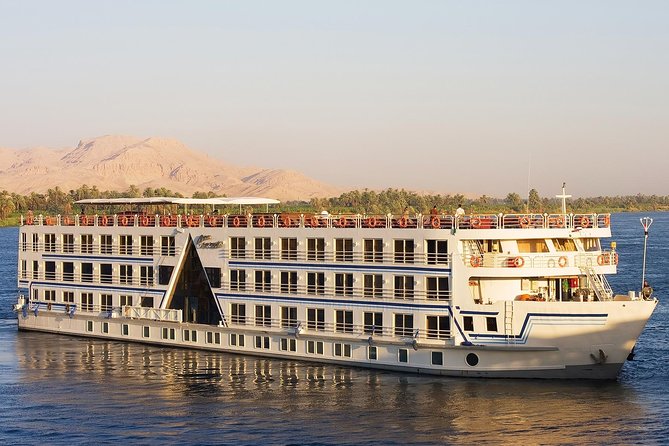
- Accommodation on a 5-star cruise boat for four nights
- Full-board meals (breakfast, lunch, dinner), with drinks excluded
- Hotel pickup and drop-off
- Egyptologist guide
- Air-conditioned transportation
- All service charges and taxes
What you must budget for separately:
- Entrance fees to the tourist sites
- Tipping
So the value comes from having the big pieces handled: your cabin, meals, guide, and transport. The two main add-ons you should plan for are entrances and gratuities. If you already know that you’ll pay those anyway, this price looks reasonable for a Luxor-to-Aswan package with multiple temple stops.
Also, the reviews praise real service—not just the itinerary. People highlight clean rooms, great food, helpful guides, and easy contact. That’s the kind of value that’s hard to capture in a headline price.
How smooth the service feels with Malak Tour Luxor
The experience is provided by Malak Tour Luxor, and one of the strongest review themes is professional service. One review explicitly points out phone contact 24/7. That’s huge in Egypt, where plans can shift and where having a real contact number reduces stress fast.
You can also expect an organized feel because the tour includes a guide plus transportation. And since the maximum group size is 15, the experience should feel more human than mass-tour.
One extra detail from reviews: a traveler noted boarding a boat called Princess Sarah 2. The cruise name might vary by sailing, but that’s a helpful reminder to confirm your exact vessel and cabin details at booking.
Who should book this Nile cruise (and who should reconsider)
This cruise is a good fit if you want:
- A guided, structured Egypt trip from Luxor to Aswan
- A mix of major sites plus sailing time on the Nile
- Meals and onboard comfort handled for you
- A small group (max 15)
You might want to reconsider if:
- You hate fixed schedules and want long unstructured time at each site
- You dislike organized group meals and activities
- You want every entrance fee and drink included in the upfront price
Should you book Nile Cruise 4 nights – 5 days from Luxor to Aswan?
I’d book it if your goal is a well-run, classic Nile experience with an Egyptologist guide and minimal logistics headache. The best parts—Luxor’s West and East Bank monuments, the Felucca break, Edfu and Kom Ombo along the way, and the Aswan payoff—line up into a trip that feels complete.
But go in with a simple mindset: this is a sightseeing-forward itinerary, and you’ll need to budget for entrance fees and drinks. If you handle that upfront, the cruise format plus the praised onboard service makes the $450 feel like a smart way to see a lot without losing your holiday mood.
FAQ
FAQ
What cities does this Nile cruise cover?
It runs from Luxor to Aswan over 4 nights and 5 days, with sightseeing stops along the Nile.
Is pickup and drop-off included?
Yes. The tour includes hotel pickup and drop-off.
What meals are included on the cruise?
The package includes accommodation on a 5-star cruise boat with full-board meals (breakfast, lunch, and dinner), but drinks are excluded.
Are entrance fees included for temples and monuments?
No. Entrance fees to all tourist sites are not included.
Do I get an Egyptologist guide?
Yes. An Egyptologist guide is included.
How large is the group?
The tour has a maximum of 15 travelers.
Is free cancellation available?
Yes. You can cancel up to 24 hours in advance for a full refund.