REVIEW · LUXOR
Luxor: East and West Banks Private Tour with Guide and Lunch
Book on GetYourGuide →Operated by Emo Tours Sweden · Bookable on GetYourGuide
Luxor is hotter than your photos. This private day trip keeps you moving with a smart route and an Egyptologist guide who helps you see what matters. I love the way the itinerary connects Luxor Temple with the sprawling complexity of Karnak, and I love how the explanations turn stone carvings into real stories. The only real drawback? Luxor heat can hit hard, so you’ll want to dress for it and pace yourself.
You’ll be picked up from your hotel or even the airport, then travel in an air-conditioned vehicle between sites. Lunch at an Egyptian restaurant plus entry tickets for every stop means less “where do we go next?” time and more time actually looking.
What makes this tour especially appealing is the mix of Egypt’s East and West Banks in one day: major temple complexes first, then the quieter, darker world of royal tombs and funerary monuments. You finish back at your hotel, already understanding Luxor in a way you just can’t get from a quick walk-around.
In This Review
- Key things you’ll notice on this tour
- East Bank start: Luxor Temple’s scale and symmetry
- Karnak Temple Complex: from earlier pylons to Ptolemaic layers
- Between temples and lunch: keeping the day efficient
- Valley of the Kings: New Kingdom tombs carved into rock
- Hatshepsut’s mortuary temple: a ceremony under cliffs
- Colossi of Memnon: two statues that anchor Amenhotep III
- What $118 buys you: value in tickets, guide time, and private comfort
- Who should book this private East and West Banks day?
- Should you book this Luxor private day trip?
- FAQ
- What sites are included in the Luxor East and West Banks private tour?
- Is lunch included?
- Does the price include admission tickets?
- How do I get from my hotel or the airport to the sites?
- What languages is the tour offered in?
- What should I bring for the day in Luxor?
- How much does the tour cost?
- What are the cancellation rules and the reserve option?
Key things you’ll notice on this tour
- Private transportation with hotel or airport pickup so you’re not waiting around or playing taxi roulette
- An Egyptologist guide who helps you make sense of carvings, names, and building phases
- Karnak’s layered mix of old and later additions, not just one “pretty ruin” stop
- Full-day structure that links Luxor Temple, Karnak, the Valley of the Kings, Hatshepsut, and the Colossi
- Lunch included so you don’t lose the best daylight window hunting for food
East Bank start: Luxor Temple’s scale and symmetry
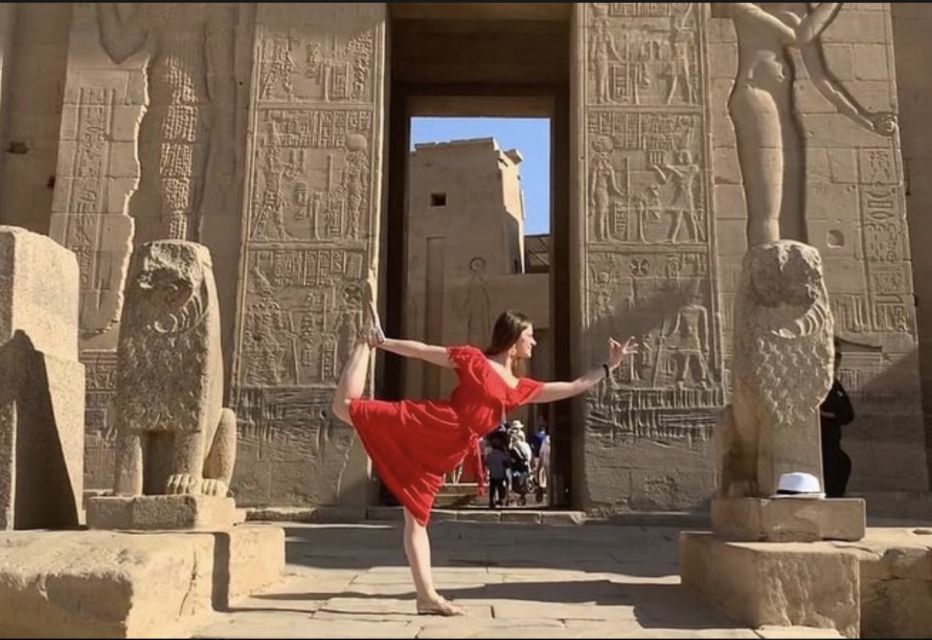
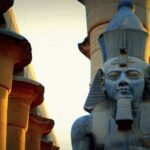
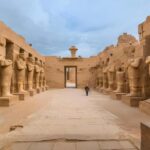
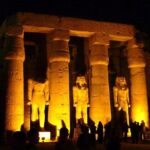
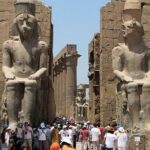
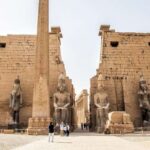
Your day begins on the East Bank of the Nile with Luxor Temple, a massive ancient Egyptian temple complex dating to around 1400 BCE. Even if you’ve seen temples before, Luxor Temple has a certain rhythm to it. The big spaces and long sightlines help you understand how ancient Egyptians staged movement toward the sacred core—processions weren’t just for show, they were part of the whole experience.
Here’s what a good Egyptologist adds: context. You don’t just look at walls; you start noticing why certain areas feel more ceremonial than others. You’ll likely spend time walking through the parts that visitors often rush past, which matters because Luxor Temple is less about one single “wow” moment and more about how it slowly guides your attention.
Practical tip: wear comfortable shoes. Luxor Temple involves a lot of walking on stone and uneven ground. Your feet will remember it later, and you’ll enjoy the tour more if you don’t spend the day thinking about blisters.
You can also read our reviews of more guided tours in Luxor
Karnak Temple Complex: from earlier pylons to Ptolemaic layers
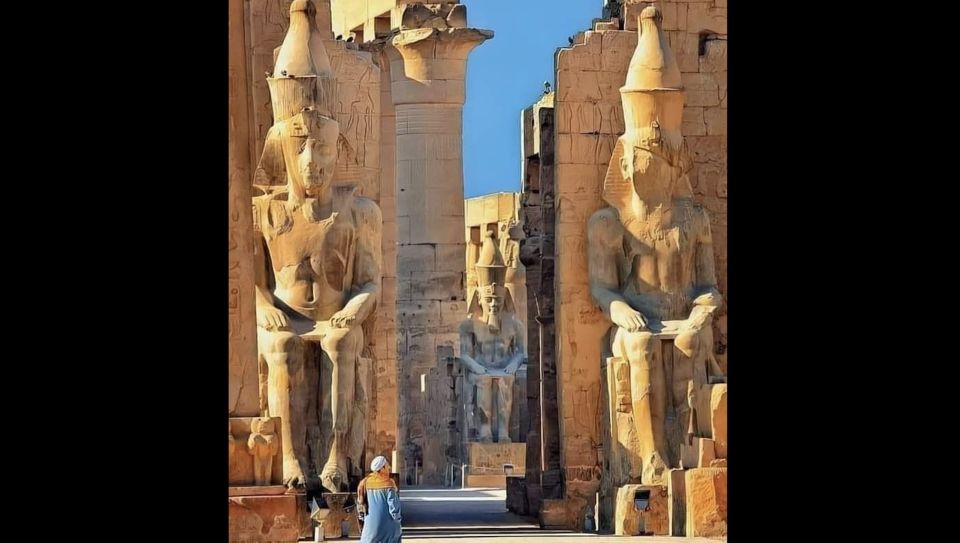
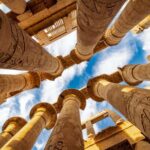
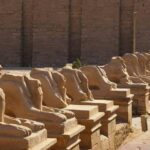
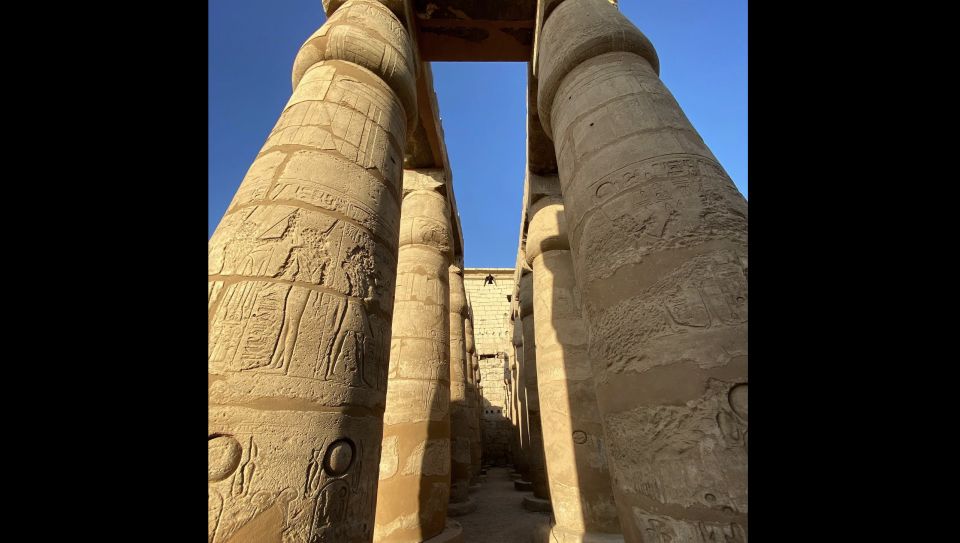
Next comes Karnak Temple Complex, and this is where the tour really earns its value. Karnak isn’t one tidy site. It’s a collection of spaces built over time—constructed between roughly 2000–1700 BC and also during the Ptolemaic period. That means you’re seeing changing styles, different rulers, and architectural “eras” layered on top of each other.
You’ll move through a mix of decayed temples, chapels, pylons, and other buildings. Decayed doesn’t mean random. It means you can read the site like a timeline if you have the right guidance. A strong guide helps you connect the dots between what you see today and what those areas were meant to do—honor gods, assert royal authority, and keep religious life running.
This is also a stop where private format shines. You can stop when something catches your eye, ask a question, and keep going without waiting for a group. If your guide is someone like Ayyad (one of the named guides), the tone is often described as thorough but not boring—meaning you’ll get facts without feeling like you’re trapped in a lecture.
What to watch for: Karnak can feel enormous. Without a plan, you might end up seeing only the most obvious structures. With a guided route, you’ll get a better sense of the complex as a whole, not just the highlight boards.
Between temples and lunch: keeping the day efficient
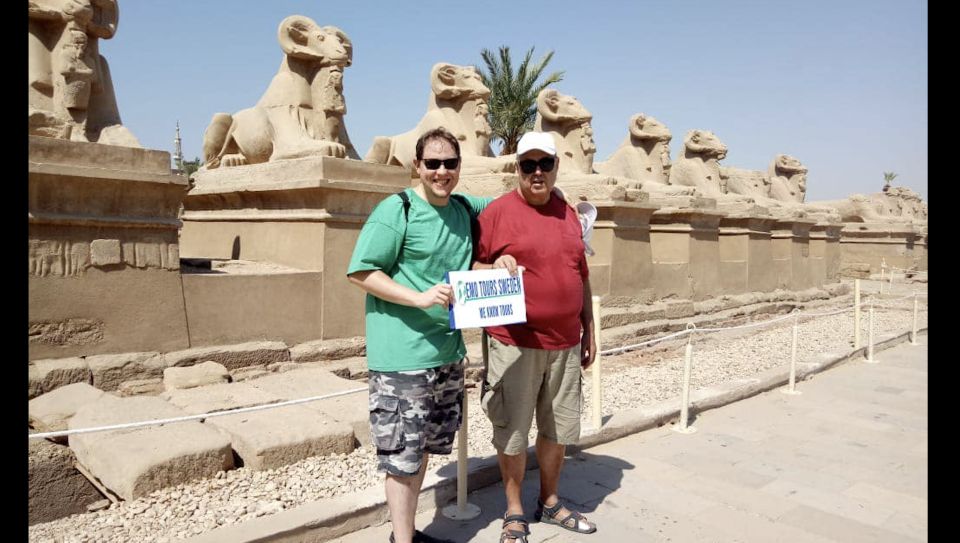
Lunch is included at an Egyptian restaurant, which is more important than it sounds. In Luxor, time and heat are your two biggest enemies. An included meal helps you keep your day on track so you’re not sacrificing temple time to find food or negotiate timing.
I like that the tour builds in food after the two biggest East Bank stops. By then, you’ve built context (Luxor Temple and Karnak), and lunch gives you a reset before the West Bank shift into tombs and funerary monuments. You’ll usually feel better after stepping out of the sun and refueling.
Simple move: if the day feels like it’s moving fast, use lunch as your “pause moment.” Drink what you can, sit down, and mentally decide what you want most from the Valley of the Kings and Hatshepsut. That way, you don’t just see monuments—you connect them.
Valley of the Kings: New Kingdom tombs carved into rock
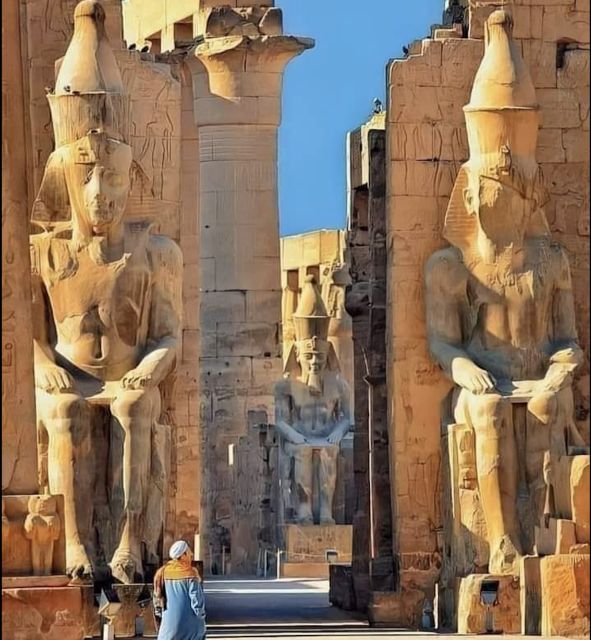
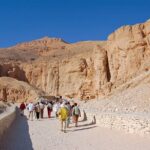
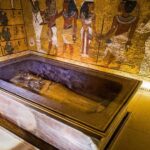
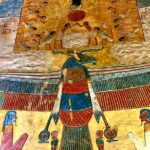
After lunch, you head to the Valley of the Kings. This is where Luxor changes mood. Instead of grand open temple spaces, you’re entering a world shaped for secrecy, eternity, and the afterlife. The Valley of the Kings is known for rock-cut tombs excavated for pharaohs and nobles of the New Kingdom.
A guided visit matters here because the Valley is easy to misunderstand if you don’t know what you’re looking at. The tombs aren’t “just caves.” They’re carefully planned spaces meant to protect the dead and support beliefs about the afterlife. You can often spot how tomb design links to religious ideas, and that connection makes your eyes work differently—less “tourist searching for the next door,” more “recognizing a message carved into stone.”
Consideration: expect to spend time in bright outdoor areas before you reach tomb entrances. Even if tomb interiors are cooler, you’ll still want to manage the sun on the walkways. The fact that one visitor mentioned heatstroke risk is a good reminder: Luxor heat isn’t theoretical.
Bring what the tour recommends—comfortable clothes and a hat. If you’re prone to heat stress, slow your pace when you’re outside. This is one of those days where smart pacing beats stubborn endurance.
Hatshepsut’s mortuary temple: a ceremony under cliffs
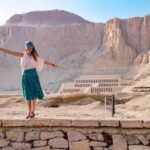
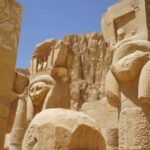
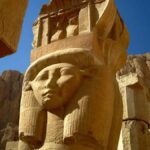
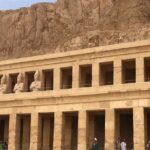
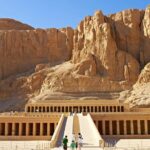
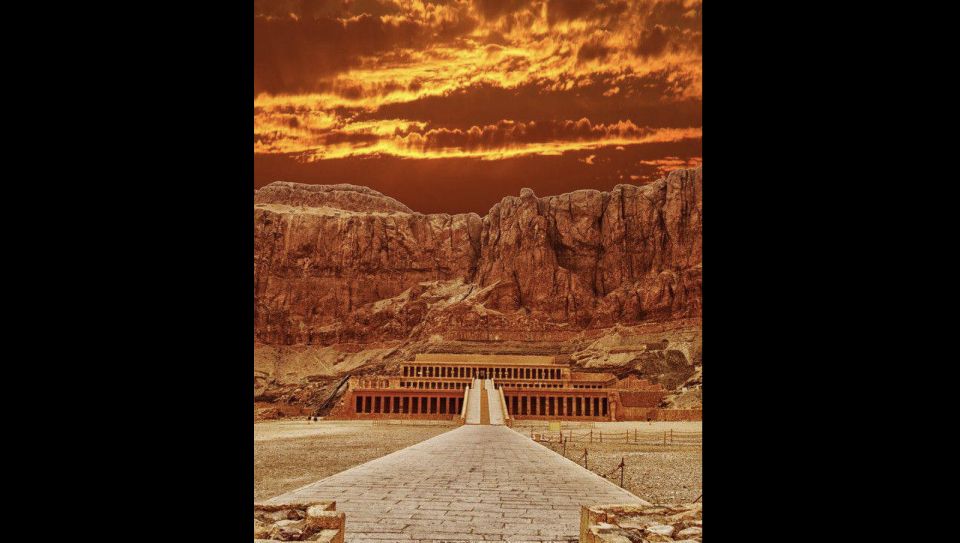
Then you visit the Mortuary Temple of Hatshepsut, built for the 18th Dynasty pharaoh Hatshepsut around 1458 BC. The setting is part of the effect: the temple sits beneath cliffs, which gives it a sense of dramatic enclosure. It feels like the mountain itself is part of the architecture.
This stop also works because it explains power and legitimacy in a very visual way. Hatshepsut is not just a name on a wall—this temple is her statement. You’ll get the story behind why the site was created and how it fit into the beliefs and politics of its time.
In a private tour, you’re not stuck staring at a single façade. You can take your time with the structures that are easy to miss from the main path. And a guide can point out details that help you understand how the temple was meant to function as a ritual site, not only as a sightseeing stop.
Practical note: the temple area still involves walking and uneven surfaces. Comfortable shoes and a relaxed rhythm are your best friends.
You can also read our reviews of more private tours in Luxor
Colossi of Memnon: two statues that anchor Amenhotep III
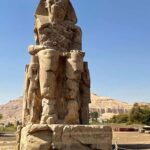
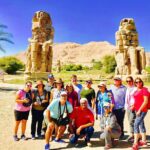
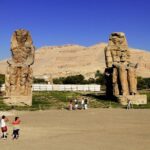
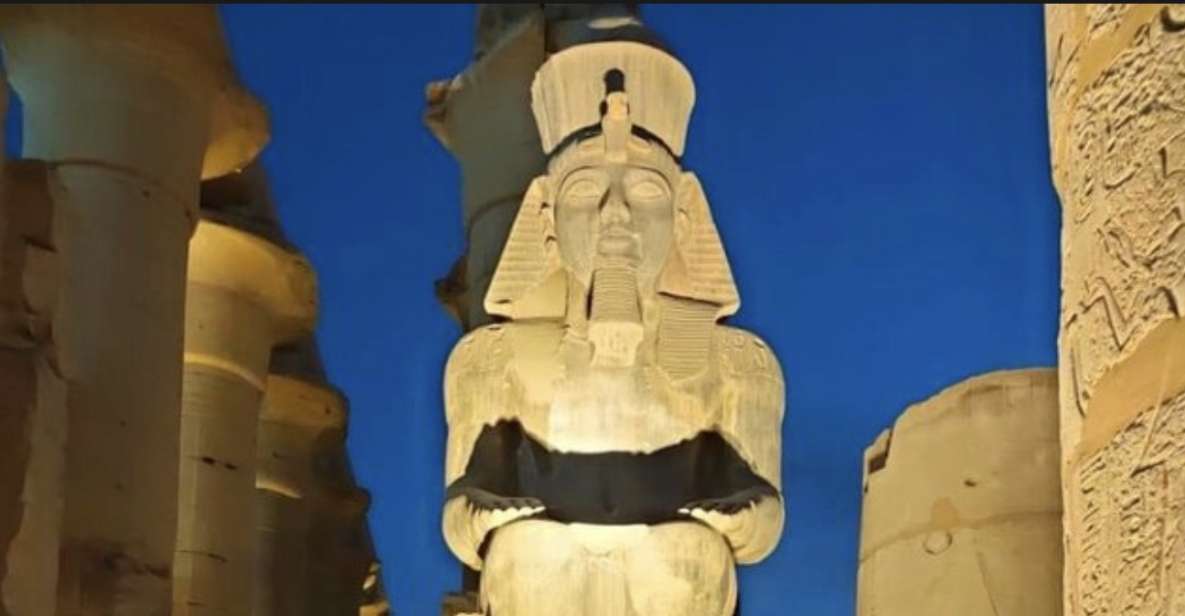
Your final major monuments include the Colossi of Memnon—two massive stone statues of Pharaoh Amenhotep III. These aren’t delicate or quick to view. They’re big enough that they shape your sense of scale, even before you start reading the context.
The power of this stop is how it brings you back to the idea of monumental legacy. Temples and tombs tell stories about belief; statues like these make the message about the king impossible to ignore. Even if you don’t consider yourself a hardcore Egypt nerd, this is one of those moments where your brain simply registers: someone built this for eternity.
For photos, go slow. Stand back first to capture the statues in their full presence, then move closer to see the texture and how the stone holds shape even after centuries.
Small drawback to plan around: because the day is full, the Colossi can feel like a “wrap-up stop.” If you care deeply about it, spend a bit of extra time here so you don’t rush just because the itinerary is moving.
What $118 buys you: value in tickets, guide time, and private comfort
Let’s talk value. At $118 per person, you’re paying for more than a driver and a list of sites. You get:
- Private transportation in an air-conditioned vehicle
- An Egyptologist guide
- Entry tickets to all the listed sites
- Lunch included
That combination is the real reason this can feel like good value. In Luxor, entrance fees and guide time add up quickly if you’re piecing things together yourself. Also, a private format saves energy. Less waiting. Fewer coordination headaches. And when you have an Egyptologist in the car, you’re effectively buying time that turns “I saw it” into “I understood it.”
Is it expensive? It depends on your travel style. If you love meeting new people and don’t mind group schedules, a group tour might cost less. But if you want control, comfort, and deeper explanations, this price makes sense. You’re paying to convert a full day of sightseeing into a guided education with fewer friction points.
Who should book this private East and West Banks day?
This tour is a strong match if you want a lot of Luxor in one day without going it alone. It’s also ideal if you’re the type of visitor who enjoys details—dates, rulers, and why temples were built the way they were.
I’d especially recommend it if:
- you’ve never visited Luxor before and want the main monuments connected into a coherent story
- you prefer private pacing over group logistics
- you want the guide to help you notice what’s easy to miss
If you’re someone who hates walking or struggles with heat, do yourself a favor and take the heat warning seriously. Wear the recommended gear, keep your pace calm, and don’t feel pressured to sprint through outdoor sections.
Should you book this Luxor private day trip?
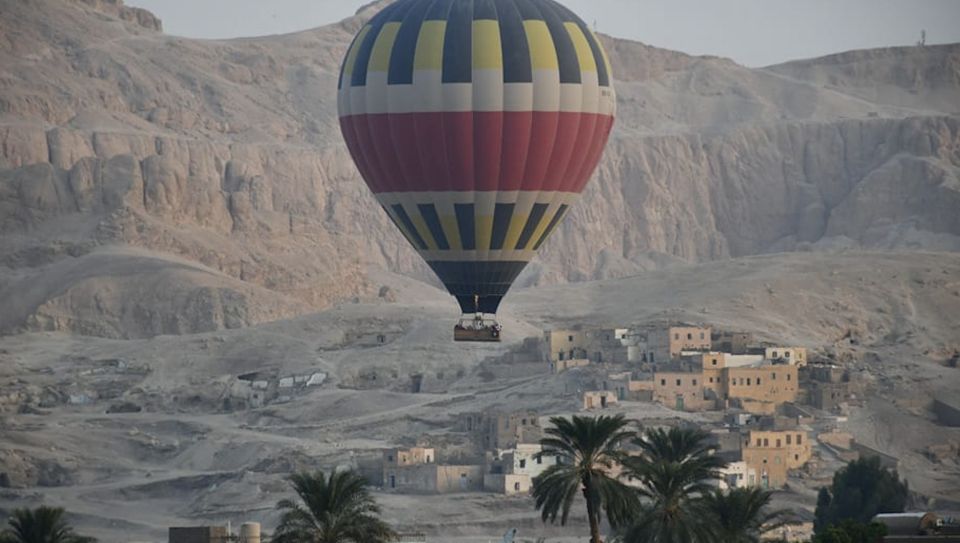
If you want the classic East Bank highlights plus the West Bank monuments in one focused day, this is a smart way to do it. The big win is the combination of private transportation, admission tickets, and a guide who (in named examples like Ayyad) is praised for solid organization and thorough explanations without turning the day into a dull lecture.
I’d skip it if you’re traveling with very limited stamina for walking or you know you react badly to heat. In that case, consider a shorter route or build in more recovery time.
Otherwise, book it. You’ll finish with a clearer mental map of Luxor—Luxor Temple, Karnak, the Valley of the Kings, Hatshepsut’s mortuary temple, and the Colossi—connected by a guide who helps you read the monuments instead of just looking at them.
FAQ
What sites are included in the Luxor East and West Banks private tour?
The tour includes Luxor Temple, Karnak Temple Complex, the Valley of the Kings, the Mortuary Temple of Hatshepsut, and the Colossi of Memnon.
Is lunch included?
Yes. Lunch at an Egyptian restaurant is included.
Does the price include admission tickets?
Yes. Entry tickets for all the mentioned sites are included.
How do I get from my hotel or the airport to the sites?
You’ll be picked up from your hotel or airport by the tour guide and travel in a private transportation vehicle. You’ll also be driven back to your hotel.
What languages is the tour offered in?
The tour is offered in English and Arabic.
What should I bring for the day in Luxor?
Bring comfortable shoes, a hat, and comfortable clothes.
How much does the tour cost?
The price is $118 per person.
What are the cancellation rules and the reserve option?
You can reserve and pay later (book your spot and pay nothing today). Cancellation is allowed up to 24 hours in advance for a full refund.