REVIEW · LUXOR
Luxor: 3-Day Nile Cruise to Aswan with Balloon
Book on GetYourGuide →Operated by Best of Egypt Tours & Travel · Bookable on GetYourGuide
Waking up before dawn for a balloon is hard to beat. This 3-day Luxor to Aswan trip strings together a full classic West Bank morning in Luxor, a hot air balloon ride, then temple visits by day with 2 nights full-board on a cruise ship you can actually relax on at night. It also saves you the hassle of transfers with private air-conditioned transport and hotel pickup/drop-off.
What I like most is how it mixes iconic monuments with real time on the Nile. You’ll hit the Valley of the Kings, Hatshepsut’s temple, Karnak, and then later the big-ticket Abu Simbel day-trip from Aswan, while the ship handles your main meals and downtime. The main drawback to plan around: the balloon and early-day schedule can be vulnerable to weather and timing pressure, and at least some past groups reported communication problems when plans changed.
The other thing to know up front is that this is not a slow cruise. It’s a history-packed, early-morning marathon with long walks in intense sun, then more temple time the next day. If that sounds like your idea of Egypt, you’ll love it; if you want lots of sleeping in and a low-effort pace, you’ll feel the strain.
In This Review
- Key points to know before you go
- The big picture: what this 3-day trip really feels like
- Day 1 in Luxor: Valley of the Kings to Karnak, with a balloon sunrise kickoff
- Hot air balloon ride: worth it, but treat it as weather-dependent
- West Bank temples: three stops that tell a full story
- Karnak Temple: where Luxor’s building generations show up
- Cruise transition: lunch aboard, then sailing toward Edfu
- Day 2: Edfu’s Horus Temple, then the double temple of Kom Ombo
- Edfu: Horus Temple as a Ptolemaic-style temple experience
- Kom Ombo: the double temple for Sobek and Horus
- Back on board: the Nile breathing room
- Day 3 early call: Abu Simbel from Aswan, then back to your accommodation
- Abu Simbel: the mountain-built miracle of Ramses II
- The tradeoff: it’s early, it’s long, and you’ll walk
- Return to Aswan
- Cruise ship living: what full-board usually means for your comfort
- Price and logistics: is $556 per person actually good value?
- Who this trip is best for (and who should rethink it)
- A trust-building checklist before you commit
- Should you book this Luxor to Aswan cruise with balloon?
- FAQ
- What’s included in the price?
- Are entry fees included?
- Are drinks included?
- What does the itinerary cover each day?
- Is there a guide, and what languages are available?
- Do I need to check out before Abu Simbel?
- What happens to the balloon if weather is bad?
Key points to know before you go
- Balloon ride starts with very early pickup, so sleep and timing matter more than you think
- West Bank temples in Luxor are a tight, “great hits” route covering kings, queens, and monumental statues
- Your cruise portion is built-in downtime, with meals included while you sail Luxor to Edfu and on to Kom Ombo
- Horus Temple in Edfu and the double temple at Kom Ombo give you two very different temple styles
- Abu Simbel is the big early-day commitment, so you’ll want water and solid shoes
- Entry fees and drinks are not included, so your final day-to-day costs can rise fast
The big picture: what this 3-day trip really feels like
This is a classic south-Egypt route that aims to compress a lot of awe into three days. The hot air balloon is the headline opener, but the “real rhythm” is temples by day and cruising by evening. You start early, you walk, you keep moving, then you cool down on the ship.
That mix is smart for value. You’re not paying separately for each transfer, and you’re not spending your time figuring logistics between stops. You’re also getting two nights full-board aboard the cruise—meaning your meals are handled while the Nile does the travel work.
Still, “well planned” isn’t automatic. The overall rating is mixed, and some people reported serious breakdowns in communication, timing, and even whether specific stops happened. That doesn’t mean your trip will go wrong. It does mean you should go in with a checklist mindset: confirm meeting points, confirm guide language, and have a plan if schedules shift.
You can also read our reviews of more boat tours in Luxor
Day 1 in Luxor: Valley of the Kings to Karnak, with a balloon sunrise kickoff
Your Day 1 begins with an early pickup from your Luxor accommodation. Then comes the hot air balloon ride—one of those experiences where the real magic is the view at first light and the feeling of floating above the river valley.
Hot air balloon ride: worth it, but treat it as weather-dependent
Balloon flights are weather-sensitive. One important practical point: if the balloon doesn’t fly, you need clarity on what happens next (refund process, alternate timing, or replacement). In many cases, operators handle this smoothly—but at least some past groups said they weren’t given a clear explanation when the ride couldn’t take place.
If you’re booking this, be mentally ready for early pickup and the possibility of changes. If you’re flexible, that’s when balloon time becomes a great trade: you get a bucket-list view without having to organize balloon logistics yourself.
West Bank temples: three stops that tell a full story
After the balloon ride, your day shifts to Luxor’s West Bank, focused on royal funerary sites and monumental architecture.
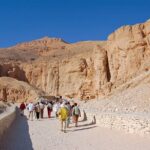
- Valley of the Kings
This is where the pharaohs of the New Kingdom were secured in tombs. Even if you’ve seen photos, being there changes how you see the scale and purpose. You’re stepping into a place built around protection of royal tombs—so it feels more intentional than a “random set of ruins.”
How to make it enjoyable: go in expecting heat and walking. Bring something for sun protection and keep an eye on your pace. You’ll get more out of the visit if you’re not rushing.
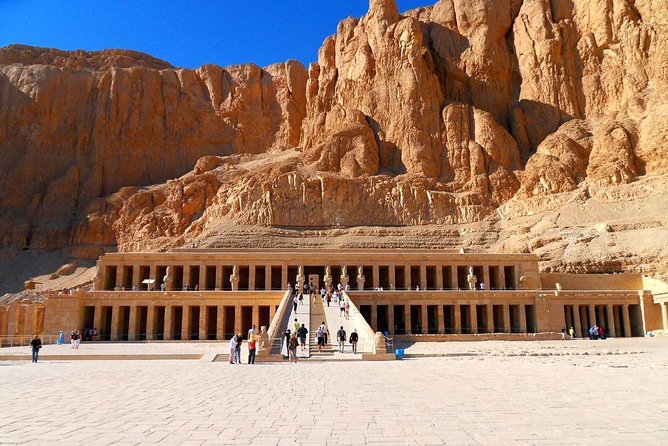
- Mortuary Temple of Queen Hatshepsut
Hatshepsut’s temple is designed to mirror an earlier model by Mentuhotep II, but on a much grander scale. It’s a clever way to understand ancient politics through architecture: copying legitimacy, then scaling it up.
If you like power stories told through stone, this stop delivers.
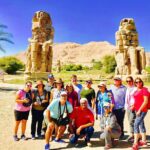
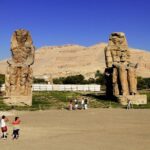
- Colossi of Memnon
These massive statues are the photo moment of the morning. Even when you only spend a short time here, they do something key: they anchor your mental map of what you saw earlier in the day.
Karnak Temple: where Luxor’s building generations show up
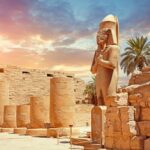
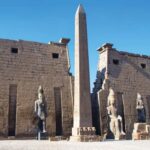
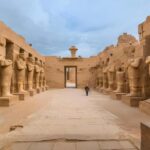
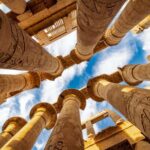
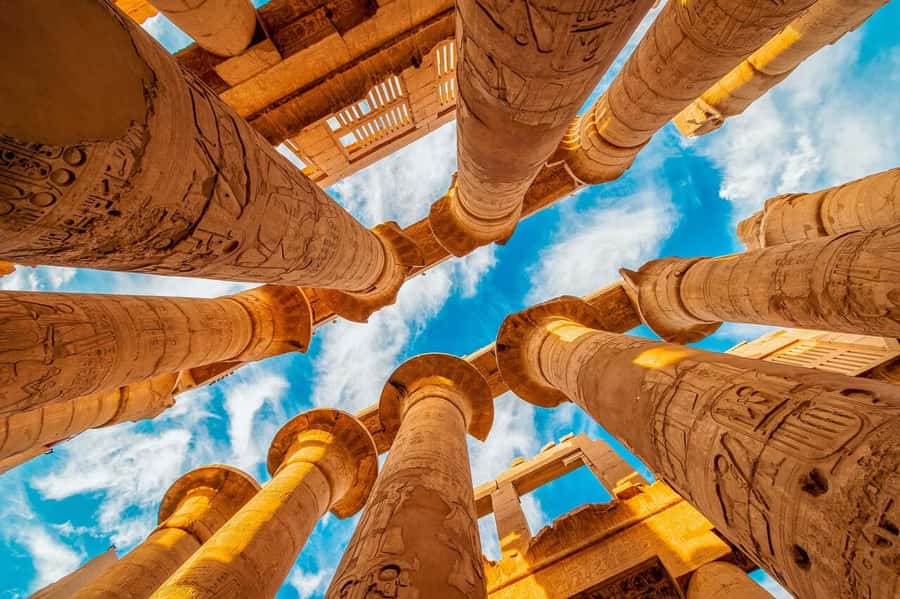
After lunch on the cruise, you continue with Karnak Temple. Karnak isn’t one single thing—it’s multiple temples and sections, representing building achievements across generations over about 1500 years.
This stop tends to be where you either feel “Egypt overload” or you start connecting the dots. The trick is to focus on structure and layout rather than trying to read everything. If you treat Karnak like a “temple city,” it becomes clearer fast.
Important practical caution: some past groups said Karnak was skipped. If Karnak is a must for you, I’d confirm that it’s scheduled for your day and ask what happens if there are changes.
A few more Luxor tours and experiences worth a look

Cruise transition: lunch aboard, then sailing toward Edfu
After Luxor’s sights, your day shifts into travel mode. You’ll enjoy lunch connected to the cruise arrangements and then start sailing up the Nile toward Edfu. This is where the trip earns its name: it turns your transport into part of the experience rather than a stressful bottleneck.
Day 2: Edfu’s Horus Temple, then the double temple of Kom Ombo
Day 2 starts after breakfast onboard. The pace stays active, but you get a clean split: Edfu in the morning, then Kom Ombo in the afternoon/evening sailing logic.
Edfu: Horus Temple as a Ptolemaic-style temple experience
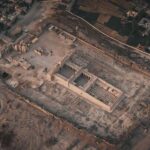
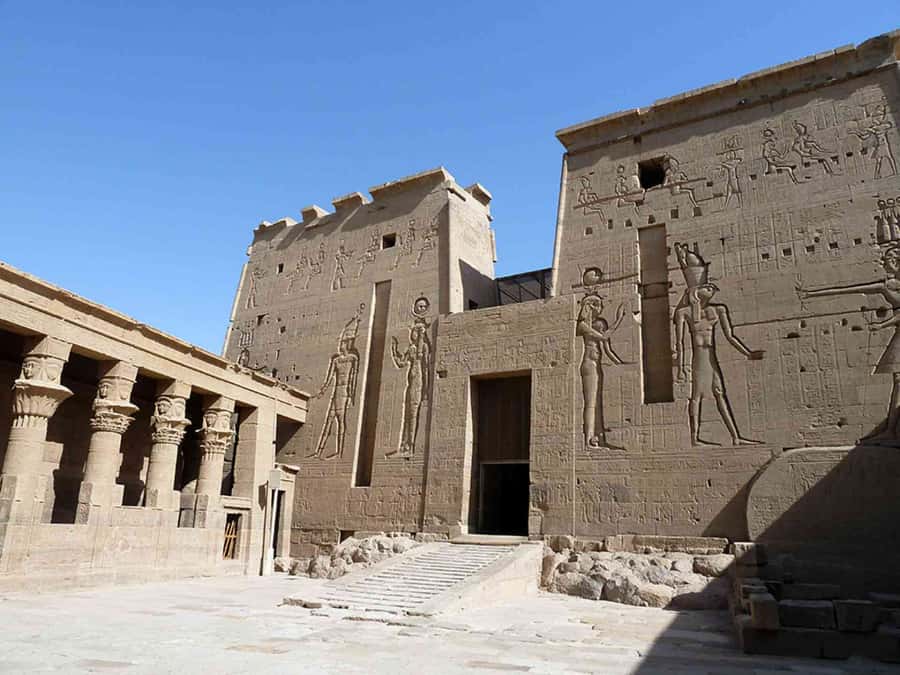
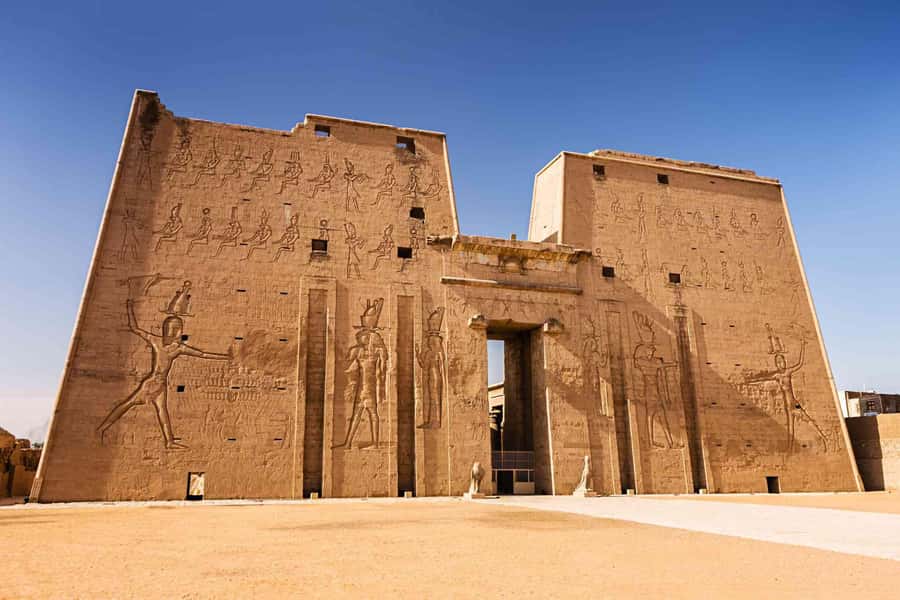
Edfu’s Horus Temple is often described as a “lost art” style of craftsmanship, with a focus that reflects the Ptolemaic dynasty. What you’ll notice is the temple’s sense of order—stone storytelling that feels like it’s designed for you to keep moving through scenes.
This isn’t just about one god. It’s about style: the feel of the carvings and the way the temple communicates power through visual rhythm.
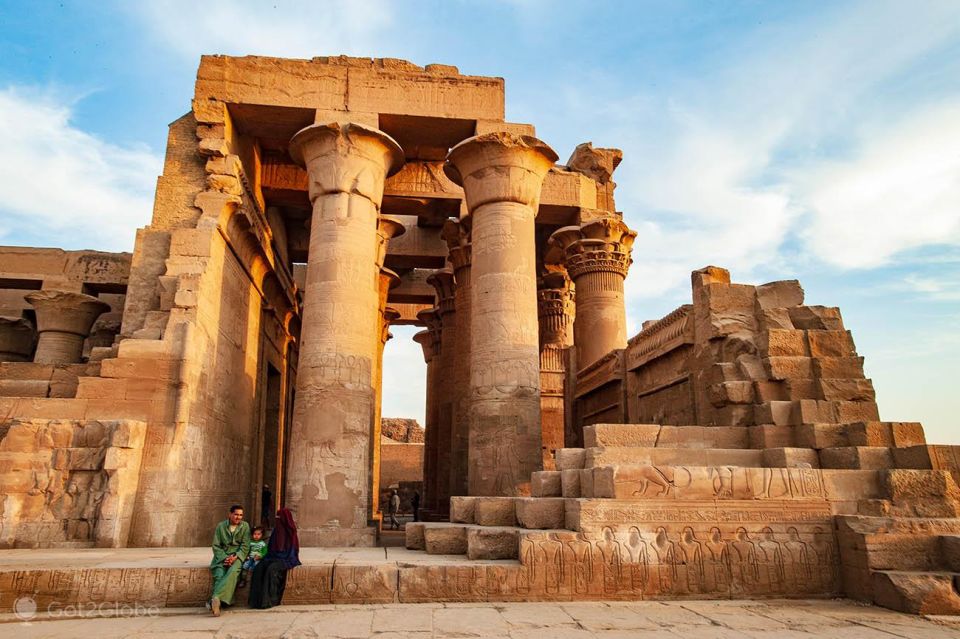
Kom Ombo: the double temple for Sobek and Horus
Then you sail to Kom Ombo, where the guide meets you for a visit to one of the most distinctive layouts on the route: a double temple dedicated to Sobek (crocodile god) and Horus (falcon-headed god).
What makes Kom Ombo especially interesting in real life is that it combines two temple spaces in one setup—each side with its own gateways and chapels. It’s an easy way to see how the Egyptians built sacred space with multiple religious focal points rather than treating everything as one-size-fits-all.
Reality check: there were reports of Kom Ombo being skipped. If you’re counting on both Edfu and Kom Ombo, I’d treat meeting time and confirmation as non-negotiable.
Back on board: the Nile breathing room
Once you’re back on the ship, this is your decompression window. Reviews that rate the cruise highly often mention the atmosphere more than any single detail: the vibe of the sun deck, the pool, and the simple pleasure of sailing while the day’s heat cools down.
Day 3 early call: Abu Simbel from Aswan, then back to your accommodation
Day 3 is the payoff day, and also the hardest day.
You’ll be picked up very early from the reception area. A key practical instruction: you should check out and leave your luggage in the reception before you head to Abu Simbel.
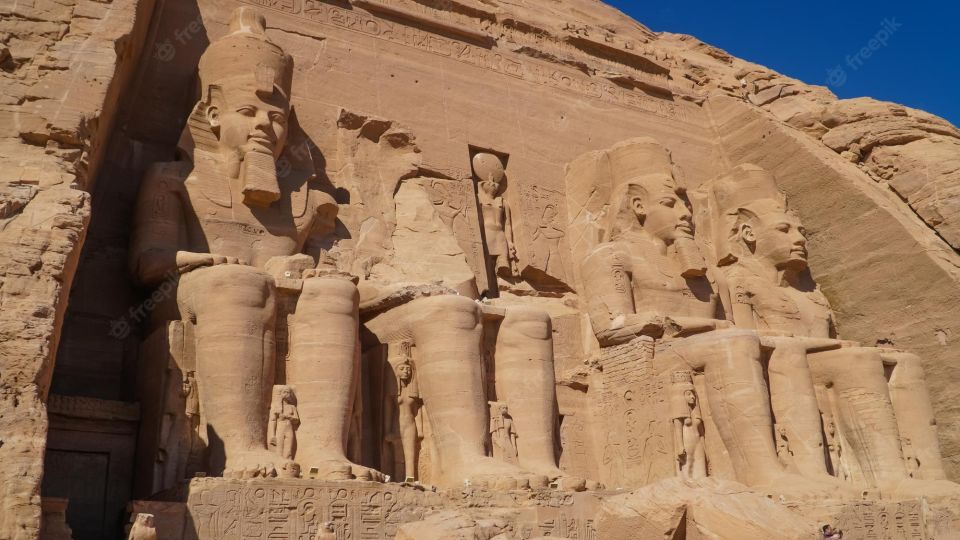
Abu Simbel: the mountain-built miracle of Ramses II
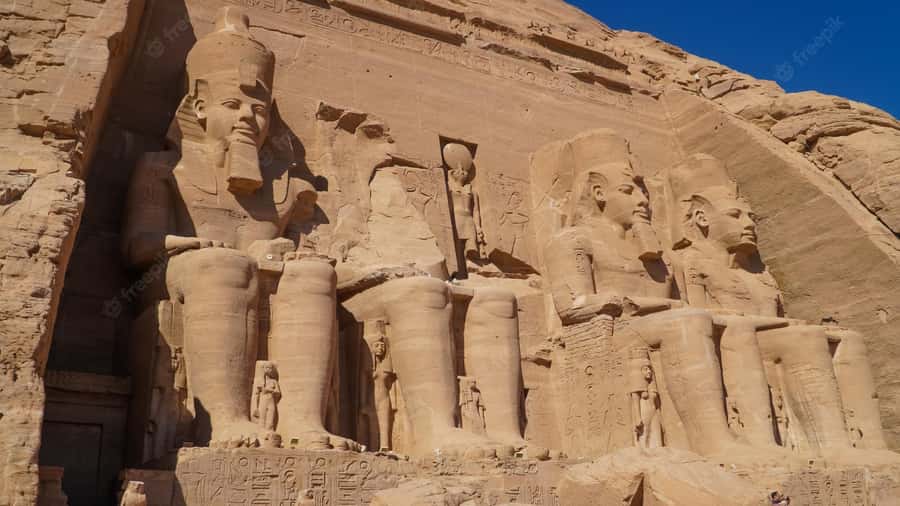
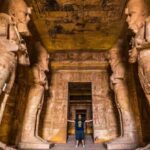
Abu Simbel is framed here as the most beautiful temple in Egypt, and even if beauty is subjective, the facts are the headline: it’s built inside a mountain and attributed to Ramses II. It’s dedicated to national gods of Egypt—Ptah, Ra, Amun—and it includes Ramses II as a deified king, son of Ra.
You’re not just visiting a site. You’re experiencing a feat of engineering and devotion to the idea of permanence. In practice, the visit can feel overwhelming in the best way: everything looks purposeful, and it’s hard to keep your brain from going into awe mode.
The tradeoff: it’s early, it’s long, and you’ll walk
Even the positive reviews describe it as a marathon of walking in sun and early mornings. The value is obvious—you get to see a major world site—but it costs energy. If you’re prone to overheating, plan for it. Water matters, but note drinks (including water) aren’t included, so budget accordingly.
Return to Aswan
After Abu Simbel, your driver brings you back to the ship, then later to your accommodation in Aswan safe and sound. This is one of those pieces that can make the difference between a smooth trip and a stressful last day.
Cruise ship living: what full-board usually means for your comfort
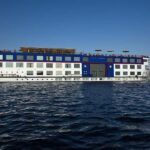
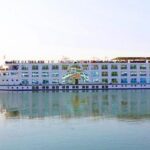
You’re told the cruise is a 5-star ship and that you’ll have 2 nights of full-board accommodation. In plain language: you don’t need to hunt for meals after a long day of temples, and you can treat the ship like your home base.
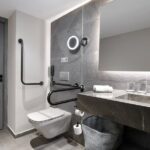
Where the best reviews get most excited is not only the food being tasty and plentiful, but also the feeling of space and downtime: large rooms and a sun deck that includes a pool. After days of early mornings, the chance to sit, swim, or simply watch the Nile is a real part of the value.
That said, you should also expect that the trip is temple-heavy. The cruise won’t replace that workload. It will help you recover from it.
Price and logistics: is $556 per person actually good value?
At $556 per person for three days with a balloon ride and two nights full-board, the value can be strong—especially because hotel pickup/drop-off and private air-conditioned transport are included.
Here’s where you should do your math:
- Entry fees are not included. Temple tickets can add up quickly when you have several major sites.
- Drinks (including water) aren’t included. In Egypt, this matters because you’ll drink more in the heat.
- If the balloon is canceled due to weather, that’s not listed as a guaranteed alternative. So your value depends on whether your flight happens.
So I’d frame it like this: you’re paying for the big structure—transport, guiding, the ship, and the balloon. Your “final” cost could rise with entry fees and drinks, but the included parts are the expensive time-and-planning burdens.
Given the mixed rating and reports of skipped stops or guide issues in some cases, I’d also consider one more value test: if you’re the type who needs everything to run exactly on schedule, you may want to choose a backup plan or confirm details carefully before you go.
Who this trip is best for (and who should rethink it)
This is a great fit if:
- You want the Luxor and Aswan highlights without building your own route from scratch.
- You like sunrise activities and don’t mind very early pickups.
- You’re comfortable with a pace that includes long walks and heat exposure.
- You enjoy a mix of guided history and downtime aboard a cruise ship.
It’s a weaker fit if:
- You hate early mornings or want a slow, restful itinerary.
- You’re relying on a specific language guide and you need it guaranteed.
- You’d be deeply upset if one major stop is changed, skipped, or shortened.
A trust-building checklist before you commit
Because the experience has both strong praise and serious complaints, I’d use a practical approach. A few minutes of checking can save days of frustration.
Before you go, confirm:
- What’s included for your balloon ride day, and what happens if weather cancels it
- That Karnak, Kom Ombo, and Abu Simbel are confirmed for your dates
- The guide language you’ll get and whether any add-on is needed
- Entry fees and whether you’ll pay on the spot
- Where to meet on time (especially on Day 2 and Day 3 early pickup)
That kind of prep turns a “maybe” into a “you’re covered.”
Should you book this Luxor to Aswan cruise with balloon?
If your priority is a complete Luxor-to-Aswan storyline with a balloon opener, plus two nights on a cruise where meals and downtime are handled, then yes, it can be a strong booking. When things run smoothly, the combination of major temples, the Nile sailing, and the feel of a well-supported ship is genuinely memorable.
But don’t book it blindly if you need perfect reliability. With the reports of schedule changes, guide communication problems, and even skipped stops on some dates, you should go in prepared to confirm details early and advocate for clarity if something feels off. If you’re flexible, warm-weather-ready, and willing to manage early mornings, you’ll likely love what this trip tries to do.
FAQ
What’s included in the price?
The package includes hotel pickup and drop-off, private air-conditioned transportation, a professional English-speaking guide, 2 nights full-board on the cruise ship, a hot air balloon ride, and all taxes.
Are entry fees included?
No. Entry fees are not included, so you’ll need to pay separately for monument access.
Are drinks included?
No. Drinks are not included, including water.
What does the itinerary cover each day?
You’ll start with an early hot air balloon ride and a Luxor West Bank temple circuit on Day 1, then cruise-sail toward Edfu with temple visits. Day 2 includes a visit in Edfu (Horus Temple) and a visit in Kom Ombo (the double temple). Day 3 includes an early trip to Abu Simbel and then a transfer back to your accommodation in Aswan.
Is there a guide, and what languages are available?
A professional English-speaking guide is included. Other languages (Arabic, German, French, Spanish) are available for the guide through an add-on, and the tour lists live tour guide languages including Arabic, English, German, French, and Spanish.
Do I need to check out before Abu Simbel?
Yes. On the morning of Day 3, you check out before leaving and leave your luggage in the reception.
What happens to the balloon if weather is bad?
The hot air balloon ride can be affected by weather. If your flight doesn’t happen, you should confirm what refund or alternative plan will be provided.