REVIEW · LUXOR
Best of Luxor 2 Day Private Guided Luxor Tour
Book on Viator →Operated by Luxor Private Day Tours · Bookable on Viator
Luxor feels huge, then your guide makes it click. This private 2-day plan strings together the West Bank and East Bank without wasting time, and it starts with hotel pickup so you can focus on the monuments instead of the logistics. You get a real guide in your ear the whole way, which changes how you see every carved wall.
I really like that the tour is led by an English-speaking Egyptologist, not just a driver with a playlist. With a guide like Ahmed Haggag, you’ll get clear explanations as you walk, including what each site meant and how the pieces connect across different reigns.
One thing to plan around: admission tickets aren’t included, so your final day-by-day cost depends on what you choose to enter at each stop (and tipping is extra too).
In This Review
- Key highlights to know before you go
- Why this 2-day Luxor format feels like the right size
- West Bank day: Valley of the Kings and what you’ll actually see
- Deir el Bahari and Hatshepsut’s temple: power on a cliff
- Colossi of Memnon: two statues, lots of atmosphere
- Luxor Temple: New Kingdom grandeur you can walk through
- Karnak Temple: Amun’s world in scale and symbolism
- Price and value: what $60 buys you (and what it doesn’t)
- How the guide changes your experience at every stop
- Comfort, timing, and practical logistics that actually matter
- Who should book this Luxor private tour
- Should you book Best of Luxor 2 Day Private Guided Luxor Tour?
- FAQ
- What’s included in the tour price?
- Is this a private tour?
- Are admission tickets included for the sites?
- What sites are visited over the 2 days?
- How long is the tour?
- Does the tour offer hotel pickup and return?
- What language is the guide?
- Is tipping included?
- What’s the cancellation policy?
Key highlights to know before you go
- True private touring: only your group, so questions never get squeezed
- Hotel pickup and A/C transfers: easier starts, fewer delays, less heat stress
- Egyptologist-led explanations: you’re not just looking, you’re understanding
- West Bank focus on the big names: Valley of the Kings, Hatshepsut, Colossi of Memnon
- Karnak and Luxor Temple included: the east side shows New Kingdom scale up close
- Tickets are separate: budget for entries while you keep the guide moving at a good pace
Why this 2-day Luxor format feels like the right size
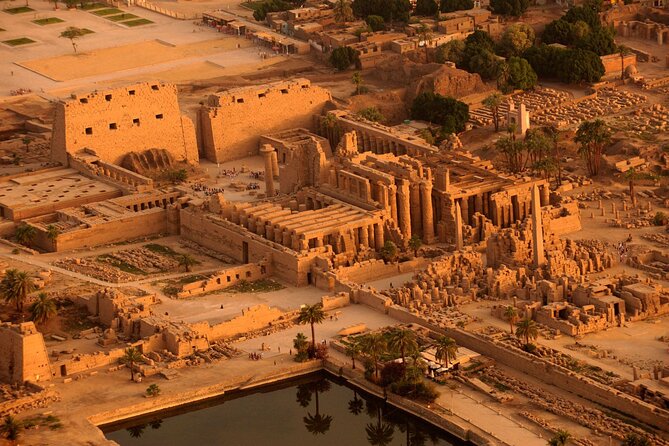
Luxor has two moods. On the West Bank, you’re in tomb country—gravity, sand, and long-ago funerary beliefs. On the East Bank, you get temples that still look like they’re flexing. Doing both banks on a tight 2 days is smart because you avoid the most common mistake: seeing a couple of famous spots and missing how they relate.
This tour works because it’s built as a full, guided arc. You don’t bounce around alone or spend time trying to decode what you’re looking at. The guide’s job is to give you the “why,” so even when you’re tired, your brain still stays engaged.
The private setup also matters. If you like to pause for photos, or you want to ask why something is carved a certain way, you can. Nobody has to keep up with a big group timeline.
You can also read our reviews of more guided tours in Luxor
West Bank day: Valley of the Kings and what you’ll actually see
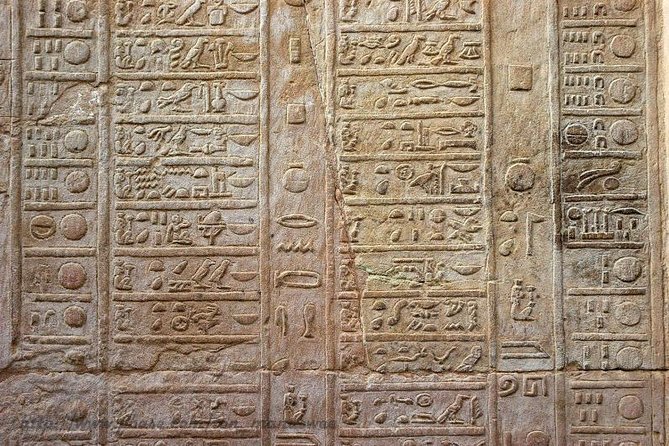
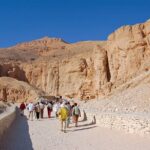
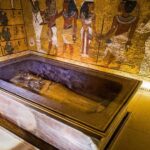
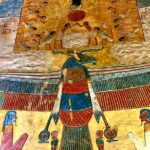
The Valley of the Kings is the kind of place where the scale can surprise you. You’re visiting a burial ground connected with many pharaohs, including the famous Tutankhamun. Even if you’ve read a few names before, it’s the tomb interiors and the wall scenes that make it click: hieroglyphics, painted details, and the story themes tied to the afterlife.
You’ll spend around 3 hours here, which is a good length. It gives you time to move through the main areas and still slow down for the parts that grab you. The drawback is simple: some tombs can feel similar if you rush. The guide helps you avoid that by pointing out what to look for and how the scenes relate to beliefs about the journey after death.
Practical tip: since admission tickets aren’t included, check what you’ll need to pay for on-site. Budget for it at the start of the day so you don’t end up doing mental math with your heat-stressed brain later.
Deir el Bahari and Hatshepsut’s temple: power on a cliff
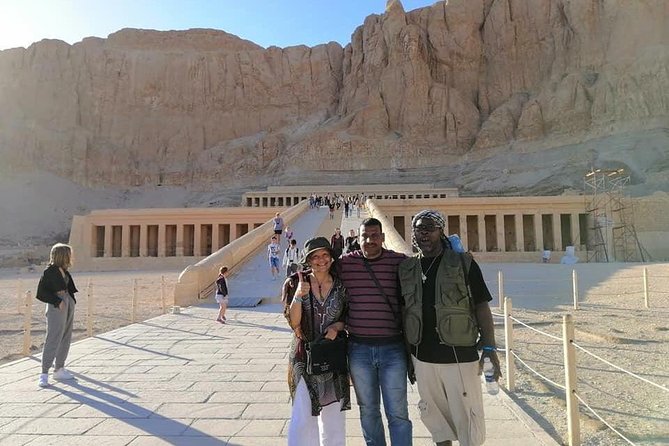
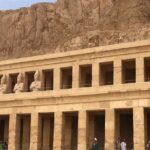
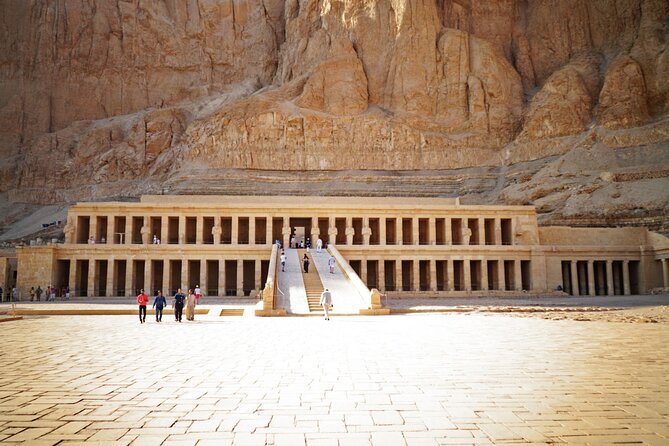
Next comes the Mortuary Temple of Hatshepsut at Deir el Bahari. This is one of those Luxor scenes that feels dramatic even before you learn anything. The temple sits into the cliffs, and the layout gives it a sense of theatre—steps, terraces, and carved stone that pulls your eyes upward.
Hatshepsut is a major reason to care. She was one of Egypt’s few female pharaohs, and her reign showed up in architecture as much as in politics. With a guide explaining her role, you get more than a pretty view. You learn what the temple was meant to communicate and why her story matters for Egyptian history.
You’ll have about 2 hours for this stop. That’s enough time to take in the design and still absorb the key points without feeling like you’re on a conveyor belt. If you’re sensitive to crowds, aim to enjoy the moments when you have space—this is the kind of place where standing still can be as rewarding as walking.
Colossi of Memnon: two statues, lots of atmosphere
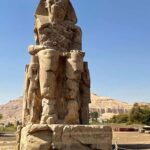
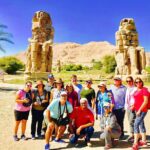
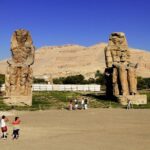
The day closes on the Colossi of Memnon: two towering statues of Amenhotep III. These giants once guarded the entrance to Amenhotep’s mortuary temple. Standing near them, you understand why people describe them as colossal—your brain keeps trying to measure them and keeps losing.
This stop is shorter—about 30 minutes—but it’s the right kind of stop for the West Bank finale. You’ve already seen funerary art and temple structure. Now you get a powerful scale reference: even before you know the story, the statues shout importance.
The main consideration here is expectations. If you came for a long museum-style experience, this won’t be it. But if you want that iconic photo moment paired with some context from your guide, it’s perfect as a closing act.
Luxor Temple: New Kingdom grandeur you can walk through
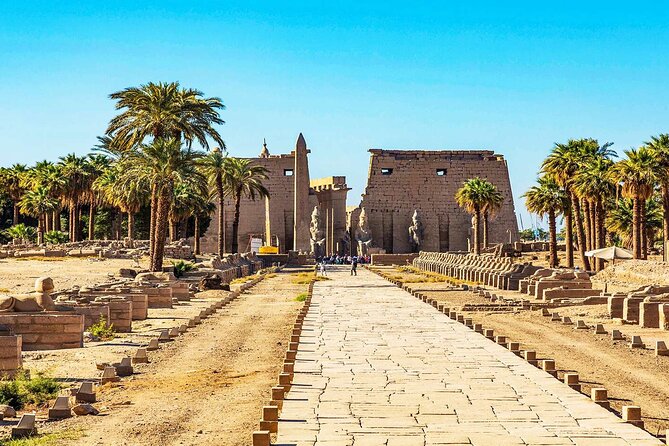
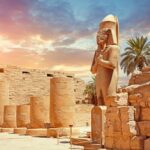
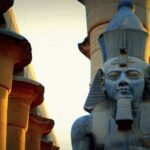
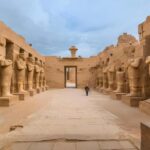
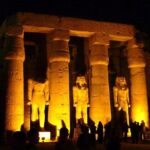
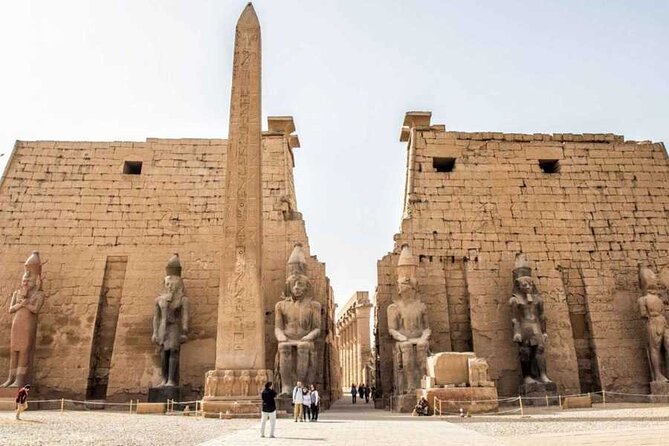
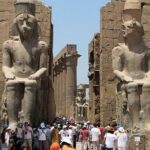
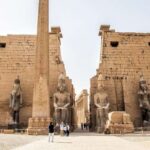
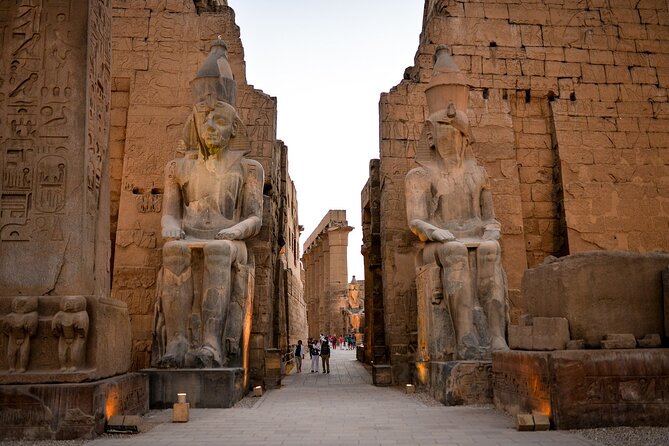
Day two begins with Luxor Temple. This temple has that “ancient city center” feeling. You’re surrounded by columns, colossal statues, and carved details that reflect New Kingdom ambition. It’s not just a monument you look at from a distance—it’s a place you can walk and imagine the flow of ceremonies and daily movement.
You’ll spend around 2 hours here. That time works well because you can pace yourself—notice the big carvings first, then circle back to smaller details once you feel oriented. The guide helps you connect the temple elements so you don’t just see stone patterns. You see meaning.
Also, Luxor Temple is a nice transition from the West Bank’s tomb atmosphere. After all the talk about afterlife, here you’re in a space tied to living religion and royal display.
You can also read our reviews of more private tours in Luxor
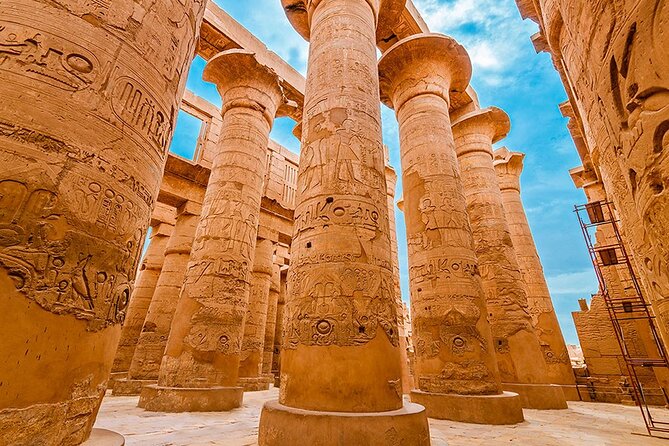
Karnak Temple: Amun’s world in scale and symbolism
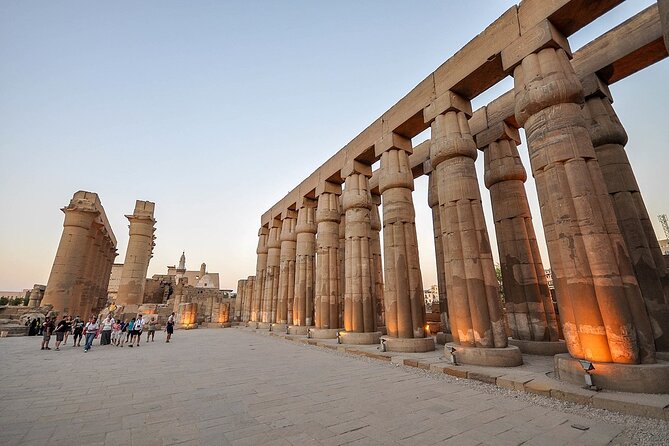
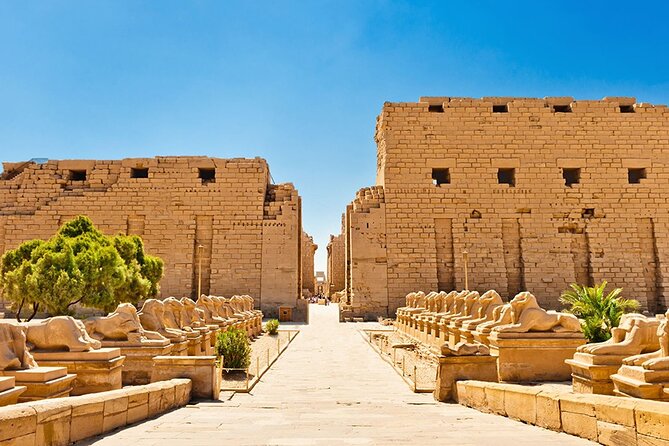
Karnak is the classic finale for a reason. It’s a huge temple complex dedicated to gods including Amun, Mut, and Khonsu. If Luxor Temple feels like a bold opening statement, Karnak is the long, detailed speech.
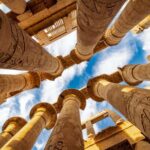
In your 2-hour visit, you’ll focus on major highlights: the Great Hypostyle Hall, obelisks, and the sacred lake. The Hypostyle Hall is the moment where scale hits you physically. Your eyes go up automatically. Your brain starts asking how humans ever built something like this without the modern tools we take for granted.
This is where your Egyptologist guide really earns their fee. Karnak has too much to absorb if you treat it like a simple sightseeing checklist. The guide helps you understand what you’re seeing so you don’t leave with only blurry photos and a lot of “wow.”
One more practical note: since admission tickets aren’t included, plan for entry costs ahead of time. Karnak is popular, and spending an extra 20 minutes figuring out what you need to buy is the kind of delay that steals energy from the actual visit.
Price and value: what $60 buys you (and what it doesn’t)
At $60 per person, the big value is what’s included: private touring, hotel pickup and return, and transfers in an A/C vehicle with a qualified driver. You also get a professional Egyptologist guide who speaks English, plus taxes and charges.
What’s not included is equally important. Admission tickets aren’t included, and tipping isn’t included either. That means the real cost depends on your entry fees at tombs and temples. For many people, tickets are the main “add-on” you should expect, so it’s best to treat the $60 as the guided experience fee, and then add entries on top.
Where this feels like a smart deal is the “no waiting, no guessing” factor. In Luxor, time matters. With a private guide, you spend your energy learning and looking, not bargaining for access, sorting tickets mid-day, or trying to interpret signage with your guide already at the next stop.
How the guide changes your experience at every stop
Even in short visits, the guide keeps the experience grounded. That’s the most praised part of this tour, and it shows up in how guides like Ahmed Haggag operate: you feel comfortable asking questions, and you get explanations that make the carvings and layouts easier to understand.
Here’s why that matters for you:
- You’ll know which parts of a tomb or temple are worth slowing down for
- You’ll connect sites across the two days instead of treating them as separate postcards
- You’ll get context about key figures like Hatshepsut and Amenhotep III, not just their names
And since it’s private, you’re not forced to follow someone else’s pace. If you want to stand a little longer in front of a wall scene, you can.
Comfort, timing, and practical logistics that actually matter
This is a 2-day tour with multiple stops and set time windows. Because each site has a defined visit length—Valley of the Kings (about 3 hours), Hatshepsut at Deir el Bahari (about 2), Colossi of Memnon (about 30 minutes), Luxor Temple (about 2), and Karnak (about 2)—you’ll get a structured day without feeling like everything is rushed.
You’ll also get pickup from your hotel and return, with transfers by A/C vehicle. That’s not a small detail in Luxor. Heat and timing can drain your day fast, and this setup helps you keep your attention on the monuments.
The tour is private, meaning only your group participates, and it’s led in English. Most travelers can participate, and the tour is near public transportation—useful if you need to coordinate your own plans for the rest of your stay in town.
Who should book this Luxor private tour
I’d point you toward this tour if you:
- Want a guided explanation instead of self-guided wandering
- Prefer a private experience where your questions don’t compete with others
- Like seeing the full Luxor “arc”: West Bank funerary sites plus East Bank temples
- Appreciate comfort and convenience like hotel pickup and air-conditioned transfers
It’s also a good fit for first-timers. Luxor can feel overwhelming. This format gives you the most important landmarks with context built in.
If you already know a lot about Egyptian history and you want total freedom with extra tomb options, you might feel slightly boxed in by the set stop times. But for most people, the balanced schedule is exactly the point.
Should you book Best of Luxor 2 Day Private Guided Luxor Tour?
If your priority is learning and seeing the key Luxor highlights in a smooth, private way, I think this is a strong choice. The included Egyptologist guide and hotel pickup do a lot of heavy lifting for you. Plus, the guide experience—especially the kind of clear, comfortable teaching praised in the past—can turn famous ruins into something you genuinely understand.
Just go in with two realistic expectations: entrance tickets are extra, and not every stop is long. If you can handle that, you’ll end up with a well-paced two-day overview that doesn’t leave you standing around wondering what you’re looking at.
FAQ
What’s included in the tour price?
All transfers by A-C vehicles with a qualified driver, hotel pickup and return, a professional English-language Egyptologist guide, taxes and charges, and the private tour itself.
Is this a private tour?
Yes. This is a private tour/activity, and only your group participates.
Are admission tickets included for the sites?
No. Admission tickets are not included for the stops listed.
What sites are visited over the 2 days?
You’ll visit the Valley of the Kings, the Temple of Hatshepsut at Deir el Bahari, the Colossi of Memnon, Luxor Temple, and the Temple of Karnak.
How long is the tour?
It runs for 2 days (approx.), with scheduled time at each stop during both days.
Does the tour offer hotel pickup and return?
Yes. Pick up services from your hotel and return are included.
What language is the guide?
The guide is an English-language professional Egyptologist.
Is tipping included?
No. Tipping is not included.
What’s the cancellation policy?
You can cancel for a full refund up to 24 hours in advance of the experience’s start time.