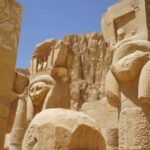
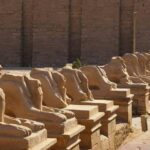
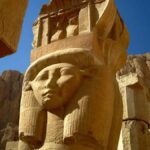
Nile time slows your brain in a good way. This Luxor to Aswan 5-day Dahabiya cruise is interesting because you’re not just seeing famous temples at random stops—you’re moving with a guided plan, with an Egyptologist guide on excursions and included admissions at key sites. I particularly like how the route strings together the Theban necropolis and major Nile monuments without wasting full days in transit, and I also like the private setup where only your group participates. One possible drawback: this is a structured itinerary, so if you want long unplanned free time on land, you’ll need to be okay with a day-by-day schedule.
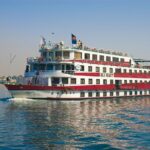
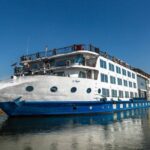
On board, you’re signing up for the calmer rhythm of a Dahabiya rather than a huge floating hotel. You get 4 nights on a 5-star Dahabiya, full board (breakfast, lunch, dinner), and transfers in a modern air-conditioned vehicle. At this price point—$2,083.33 per person—it’s a better deal when your group values guided access, included entry tickets, and the convenience of having logistics handled for Luxor-to-Aswan.
In This Review
- Key highlights you’ll feel right away
- What kind of cruise is Kemet, really?
- Price and what you’re actually paying for
- Day 1 in Luxor: Valley of the Kings, Hatshepsut, Karnak
- Valley of the Kings
- Temple of Hatshepsut at Deir el Bahari
- Colossi of Memnon
- Karnak Temple Complex
- Day 2: Edfu (Temple of Horus) and Gebel el Silsila
- Temple of Horus (Edfu)
- Gebel el Silsila (The Golden Chain of Mountains)
- Day 3 in Kom Ombo: the double temple that feels different
- Why the double temple matters
- Day 4 in Aswan: High Dam, Unfinished Obelisk, and Philae
- Aswan High Dam
- Unfinished Obelisk
- Temple of Philae
- Day 5: Aswan transfer and the last look at the Nile
- What’s included on board (and why it matters)
- Full board, not just a bed
- Signature extras: picnic and sugarcane donkey ride
- Local music evenings
- Timing, transport, and the private-group advantage
- Who this cruise is best for
- Quick checklist before you go
- Should you book this 5-Day Kemet Dahabiya cruise?
- FAQ
- How long is the Dahabiya Nile cruise from Luxor to Aswan?
- What route does the cruise cover?
- What’s included in the price?
- Is pickup offered?
- Is this tour private?
- Are admission tickets included for the main sites?
- Is tipping included?
- Cancellation / Changes
- What is the cancellation policy?
Key highlights you’ll feel right away
- Private charter for your group on the Kemet Dahabiya, with an Egyptologist guide for excursions
- Guided stops with included admission at major sites from Luxor through Aswan
- Packed-but-predictable daily flow, so you spend less time figuring things out
- Signature extras like a pop-up picnic on an island and a donkey ride through sugarcane fields
- Great Cairo-free sightseeing time: Luxor and Aswan without daily airport stress
What kind of cruise is Kemet, really?
A Dahabiya (like the Kemet) is built for a different feel than the big ships. The idea is more intimate, more hands-on, and often more flexible with smaller moments—like a picnic pause or an easy stop rhythm that fits the day’s landmarks.
This particular trip is set up for you to experience the Nile corridor the way it was meant to be studied: as a chain of linked civilizations and monuments. You start in Luxor, move through Edfu and Kom Ombo, then finish in Aswan—so each day builds on the last instead of repeating the same temple formula.
You’ll also notice how many elements are included, which matters when you compare value. Admission tickets are listed as included for most land stops, and the package provides an Egyptologist guide plus air-conditioned transfers for the excursions. That reduces the most annoying part of Egypt travel: the constant “what do we pay for now?” feeling.
You can also read our reviews of more boat tours in Luxor
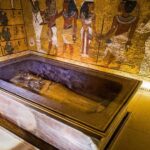

Price and what you’re actually paying for
At $2,083.33 per person for about 5 days / 4 nights, the cost isn’t just the boat. You’re also paying for guided access, included admissions at the stops where they’re specified, and a full-board package.
Here’s how to think about value:
- If you’d otherwise have to hire guides city-by-city, buy admissions one by one, and coordinate transfers yourself, this starts looking less expensive than it first appears.
- If you want a private setup (only your group participates) rather than sharing with strangers, the price can make sense fast.
- The itinerary is dense in top-tier sites. That’s efficient, but you’ll want to treat it like a sightseeing program rather than a casual float.
If your goal is to do Luxor and Aswan on your own with a flexible pace, you might find cheaper options. But if you prefer structure and guidance that keeps history understandable (instead of just names and photos), this price is easier to justify.
Day 1 in Luxor: Valley of the Kings, Hatshepsut, Karnak
Day 1 is built like a story arc: royal burials, a queen’s monument, and the grand religious center of Thebes.
Valley of the Kings
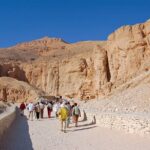
You’ll go to the Valley of the Kings, also called the Valley of the Gates of the Kings. This is where tombs were carved for pharaohs and powerful nobles of Egypt’s New Kingdom era, spanning roughly five centuries. It’s one of those places where a guide’s framing changes everything: you start to notice how the rock-cut architecture is designed for a world of death and belief, not a modern “tour” experience.
The listed time is about 2 hours, with an admission ticket included.
Temple of Hatshepsut at Deir el Bahari
Next is the Temple of Hatshepsut, across the Nile from Luxor. This is Hatshepsut’s memorial sanctuary, built during her reign in the 18th Dynasty. If you like symmetry and bold design, you’ll appreciate how the temple reads like a statement—less quiet than many other ruins, more “here’s the power of this ruler.”
The stop time is about 2 hours, with admission included.
A few more Luxor tours and experiences worth a look



Colossi of Memnon
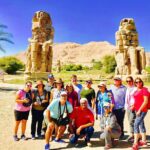
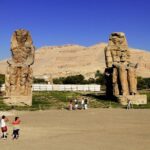
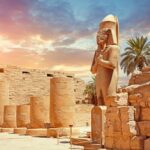
Then you hit the Colossi of Memnon. These are two massive statues of Amenhotep III that sit at the entrance of his mortuary temple area. The stop is shorter—around 30 minutes—but it works as a breather between longer temple visits.
Admission here is listed as free.
Karnak Temple Complex
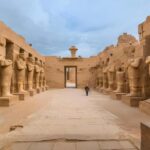
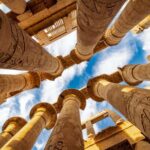
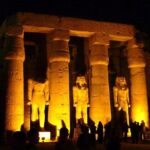
To close the day, you’ll visit Karnak, the sprawling temple complex near Luxor. Karnak is not a single building; it’s a whole civilization in stone—pylons, chapels, and temples stacked across time.
Plan about 2 hours, with admission included.
Practical tip: Day 1 packs big names. Don’t worry if it feels like a lot. That’s normal here. If you keep one thing in mind—New Kingdom power, funerary architecture, and royal patronage—everything starts to connect.
Day 2: Edfu (Temple of Horus) and Gebel el Silsila
Day 2 is about leaving Luxor’s “big city” feeling and shifting into Nile-side temples tied to specific deities and landscapes.
Temple of Horus (Edfu)
The cruise brings you to Edfu for the Temple of Horus. The site is described as majestically located on the Nile’s western shore in Edfu. This temple is central to the worship of Horus, and historical references show the city’s later Greco-Roman name linked to Apollo in interpretations from that period.
You get around 3 hours, with admission included. It’s a long enough stop to do more than “look and go,” especially if your guide explains what the carvings and layout were designed to communicate.
Gebel el Silsila (The Golden Chain of Mountains)
Then comes Gebel el Silsila, the Golden Chain of Mountains, known as a quarry site from the New Kingdom. It sits between Edfu Temple and the northern flank of the Kom Ombo area. The practical value here is that you see Egypt not only as finished monuments, but as a place that extracted materials to build them.
The stop is about 3 hours, with admission included.
What makes this day special: It connects the dots between temples you can walk through and the stone supply system that made those temples possible.
Day 3 in Kom Ombo: the double temple that feels different
Day 3 centers on the Temple of Kom Ombo, described as a unique double temple. You’ll learn that it began in the Ptolemaic dynasty (180–47 BC) and saw expansions during Roman times.
Plan about 5 hours with admission included. That long block is unusual compared with some other listed stops, which tells you something: Kom Ombo isn’t just “one quick look.” The double-temple layout is built for comparison, and a good guide can make it feel more like structured planning than random ruins.
Why the double temple matters
A double temple is an intentional design choice. It helps explain how ancient Egyptian religious life adapted over different eras—Ptolemaic foundations, Roman expansions—without the site losing its core purpose.
Day 4 in Aswan: High Dam, Unfinished Obelisk, and Philae
Day 4 is where the trip balances ancient and modern Egypt. It’s also where Aswan’s story becomes more than temples.
Aswan High Dam
You’ll visit the Aswan High Dam, noted as the large embankment dam constructed from 1960 to 1970. This is important context for the Nile today: it’s tied to changes in water storage and how other historic sites relate to flood patterns.
Time is about 1 hour 30 minutes, with admission included.
Unfinished Obelisk
Next is the Unfinished Obelisk in Aswan’s northern quarries. This is described as the largest known ancient obelisk that never fully made it into the world. If you like “how it was built” stories, this is one of the most interesting stops because it’s about failure, correction, and labor in progress.
Time is about 1 hour 30 minutes, admission included.
Temple of Philae
Finally, you’ll visit Philae Temple, located within the reservoir area downstream of the Aswan High Dam and Lake Nasser. The temple was originally near the First Cataract, and it served as an ancient Egyptian temple complex.
Plan about 2 hours, with admission included.
What to watch for: Philae sits at the intersection of ancient worship and modern relocation reality. Even without a technical explanation, you’ll feel how this place survived by being re-situated.
Day 5: Aswan transfer and the last look at the Nile
Day 5 ends after breakfast. You disembark from the Dahabiya and transfer to your chosen destination in Aswan.
This is listed as about 6 hours, but admission is free on the final day because it’s primarily a transfer day. The upside is you don’t have to squeeze one more major monument into the schedule at the end.
If you have onward plans the same day, I’d plan buffer time. Nile cruises can run on a slightly different clock than city tours, and you’ll likely want time to settle into your next place.
What’s included on board (and why it matters)
Beyond the monuments, the onboard experience is part of the value.
Full board, not just a bed
You’ll have breakfast (4), lunch (4), and dinner (4) included. That matters because food planning in Egypt can become a mini-project. With meals handled, you can focus on what you came for: the sites.
Signature extras: picnic and sugarcane donkey ride
The cruise description includes a pop-up picnic on an island and a donkey ride through sugarcane fields. These aren’t just “cute activities.” They’re the kind of break that makes the day feel like Egypt, not just a museum schedule.
If you like small surprises in travel, this is where you’ll feel the cruise character most.
Local music evenings
There are also mentions of lively shows by local musicians. Again, this isn’t guaranteed to be life-changing, but it gives the trip a social energy that you don’t always get on quiet land tours.
Timing, transport, and the private-group advantage
This is a private tour/activity, meaning only your group participates. That can be a big deal in Egypt. You get fewer delays from “other group management,” and it’s easier to ask questions when your guide can keep a steady rhythm.
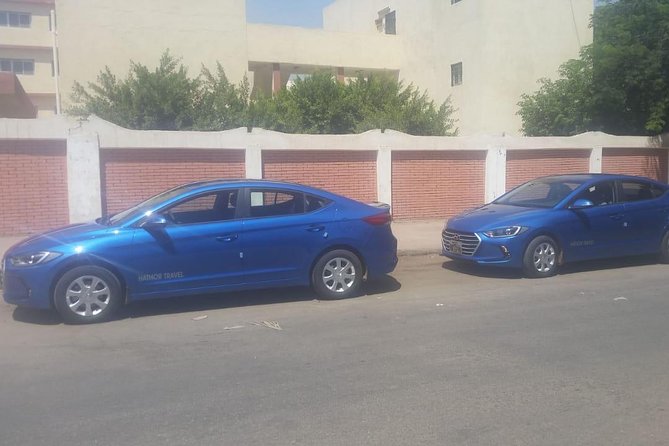
Transfers are provided in modern air-conditioned deluxe vehicles, and the package includes meet-and-assist service upon arrival and departure. The trip is also described as near public transportation, which can be helpful if your plans shift.
One practical consideration: the itinerary lists multiple long stops on land days (notably Karnak, Kom Ombo, and the quarry area). If your group has accessibility needs, you’ll want to plan carefully for walking and uneven temple terrain.
Who this cruise is best for
This fits best if you:
- Want a guided Luxor-to-Aswan route without coordinating separate hires
- Prefer a private-group experience over mixing with strangers
- Appreciate Egypt with context: why these places mattered, not just what they look like
- Like a mix of classic temples plus Aswan’s “how the Nile changed” perspective
It may not be the best fit if you:
- Need lots of free time with no schedule pressure
- Want to skip some major sites to keep days light
- Plan a very tight onward schedule immediately after disembarking
Quick checklist before you go
You’ll be moving between big monuments and long guided blocks. I’d pack for comfort and stamina:
- Comfortable walking shoes for uneven stone and temple steps
- A light layer for indoor/outdoor temperature swings
- Water planning for day visits (your guide will likely advise on the ground)
- Keep a phone or small notebook for notes, because guides often connect names and timelines quickly here
Should you book this 5-Day Kemet Dahabiya cruise?
If you want a smooth, guided Luxor-to-Aswan plan where key admissions and Egyptologist-led excursions are already built in, I think this is a strong choice. The route makes sense: Luxor sets the New Kingdom stage, Edfu and Kom Ombo shift you into the Nile temple world, and Aswan brings in modern context plus Philae’s relocated story.
Book it if you value structure, expert explanations, and included logistics—and if your group will enjoy the classic highlights plus the cruise-style extras like the island picnic. Skip it if you’re chasing total spontaneity or you’d rather build your own itinerary and bargain for everything.
If you’re the type who likes to leave a site knowing what you just saw, not just remembering where it was, this cruise is built for you.
FAQ
How long is the Dahabiya Nile cruise from Luxor to Aswan?
It runs for about 5 days (5 days / 4 nights on board).
What route does the cruise cover?
The itinerary starts in Luxor and ends in Aswan, with guided excursions at major sites along the Nile.
What’s included in the price?
The package includes meet-and-assist service, transfers by modern air-conditioned vehicle, accommodation for 4 nights on a 5-star Dahabiya on full board basis, an Egyptologist guide during excursions, the listed Dahabiya excursions, and meals (breakfast, lunch, dinner for 4 days).
Is pickup offered?
Yes, pickup is offered.
Is this tour private?
Yes. It’s private, so only your group will participate.
Are admission tickets included for the main sites?
Admission tickets are listed as included for many of the excursion stops (and free for some stops like the Colossi of Memnon).
Is tipping included?
No. Tipping is not included.
Cancellation / Changes
What is the cancellation policy?
You can cancel for a full refund if you cancel up to 24 hours in advance. If you cancel less than 24 hours before the experience starts, the amount paid will not be refunded.