REVIEW · CAIRO
Grand Egyptian Museum and Pyramids of Giza Private Tour
Book on Viator →Operated by Egypt Discovery Tours · Bookable on Viator
Five hours can feel like a week in Egypt. This private Giza and Grand Egyptian Museum combo strings together Cheops and the Sphinx, plus a modern museum with big artifacts and photo moments.
I especially like the human touch behind the scenes. Guides such as Abdu and Habeba show up in the strongest feedback for being punctual, patient, and easy to ask questions to, with even small care like finding shade for someone who needed it. Driver Ahmed also gets praised for calm, solid driving that keeps the day from feeling rushed.
One thing to plan for: the schedule is tight. You’ll cover a lot of ground in about 5 hours, so expect short, efficient stops and some walking in hot conditions.
In This Review
- Key things that make this tour worth your time
- Why this 5-hour Giza + museum mix makes sense
- Getting from your hotel to the pyramids without losing the morning
- Stop 1: Cheops (Khufu) and why the first pyramid sets the tone
- Stop 2: Khafre’s Pyramid and the value of the quick second stop
- Panoramic View: seeing the pyramids aligned (and the camel ride timing)
- Great Sphinx and the nearby temple area: the photo magnet
- Lunch break: falafel or koshari, and why eating matters here
- Grand Egyptian Museum: modern rooms that make artifacts easier to grasp
- Price and what you truly get for $20
- The guide and driver factor: what made this tour rate so highly
- Who this tour is best for (and who might want more time)
- Should you book this private Giza and Grand Egyptian Museum tour?
- FAQ
- How long is the tour?
- Do I get hotel pickup and drop-off?
- What lunch is included?
- Is a camel ride included?
- Are entry fees included?
- Is tipping included in the price?
- What is the cancellation policy?
Key things that make this tour worth your time
- Hotel pickup and drop-off in Giza or central Cairo saves you the hassle of arranging transport on your own.
- Guides who manage the pace (Abdu and Habeba are named in top feedback) help you get photos without chaos.
- Three pyramid viewpoints in one loop: Cheops, Khafre, then a panoramic spot to see them aligned.
- Sphinx area time for photos plus a temple visit nearby so you don’t just “see the statue and leave.”
- Camel ride included at the right moment when the pyramids are in your background.
- Lunch is built in (falafel or koshari), so you’re not hunting food mid-tour.
Why this 5-hour Giza + museum mix makes sense
If you’re short on time but want the headline sights to feel real, this format works. You get picked up, you hit the major Giza landmarks in a focused loop, you eat, then you move to the Grand Egyptian Museum. It’s basically a greatest-hits day with a local guide doing the organizing for you.
The value here is not just the attractions. It’s the order and the pacing. You start with the pyramids while the light can still be friendly for photos, then you transition to the Sphinx area, which is usually the most “I can’t believe this is real” part of the day. Finally, the museum gives you context—objects and everyday life—so you’re not staring at monuments with no storyline.
This is also a private tour, which matters on sites like Giza. It means you can ask questions, pause for photos, and move at a rhythm that fits your group. At $20 per person, the baseline cost is low, especially since hotel pickup, a licensed guide, and a traditional lunch are included.
You can also read our reviews of more private tours in Cairo


Getting from your hotel to the pyramids without losing the morning
The tour starts with pickup from your hotel or accommodation in either Giza or downtown Cairo. That’s a big deal. Getting across Cairo traffic and finding the right meeting point can eat up the energy you want for your first pyramid stop.
Once you’re on the way, you’ll have bottled water on board, which you’ll be glad you brought into the planning. On a day like this, small comfort items matter because Giza can be both bright and exhausting.
Also, this is sold as a mobile-ticket style experience. That doesn’t automatically mean you skip lines, but it generally makes check-in smoother than digging through paper tickets.
If you’re sensitive to walking, plan for it. Even with a vehicle waiting nearby, you still have to move through uneven surfaces and sun-exposed areas. Bring a hat, sunglasses, and water-sip patience.
Stop 1: Cheops (Khufu) and why the first pyramid sets the tone
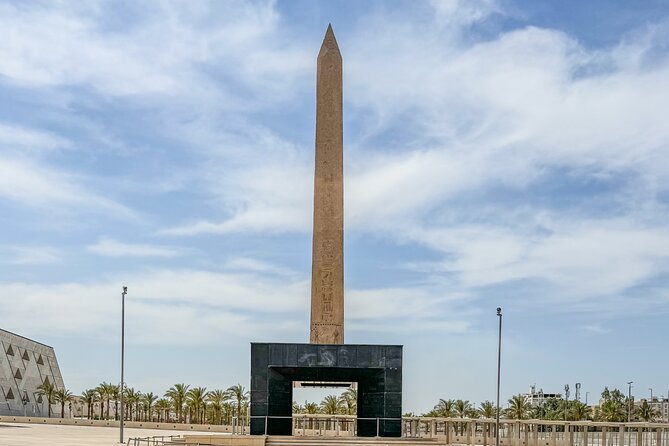
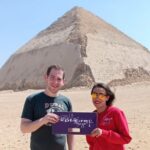
The day begins at the Great Pyramid of King Cheops (Khufu). This is the one most people picture when they think of Giza. You get about an hour here, which is enough time to do the main viewing without feeling like you’re watching a slideshow.
A good guide will help you read the site. You’ll learn about the ancient pharaoh and the engineering scale behind the last remaining Wonder of the Ancient World. That matters because the pyramid can look simple until you understand what you’re looking at: massive stonework and a monument designed to last.
You should also expect a realistic “walk-around” experience. The itinerary includes the chance to walk around the pyramid’s base for views across the plateau. If you’re interested in going further, there’s also the option to explore the interior chambers, but the admission ticket for this stop is listed as not included—so confirm what’s covered in your particular booking and what might need an extra ticket.
Photo tip: start with wide shots early, then come back for tighter angles. From the base, you can frame the pyramid so it looks like it’s growing out of the desert rather than sitting on a postcard.
Stop 2: Khafre’s Pyramid and the value of the quick second stop
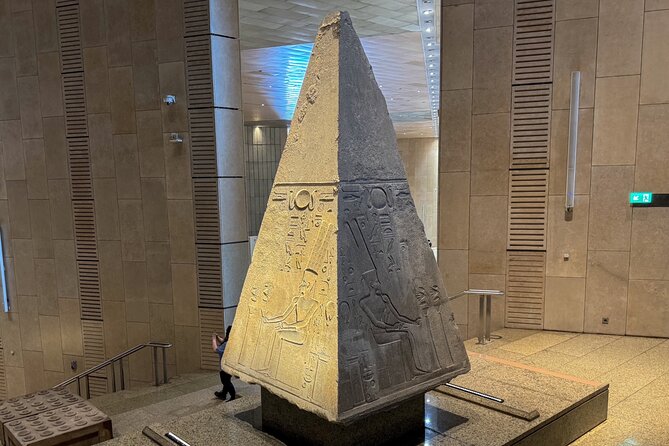
Next up is Khafre’s Pyramid, with about 30 minutes on the site. That’s shorter, but it’s not random. This second pyramid gives you variety in shape and placement—Giza isn’t one single view, it’s a whole layout of monuments.
You’ll walk around Khafre’s pyramid and learn about its ancient story. There may also be an opportunity to explore inside the pyramid’s chambers, but again, the admission ticket for this stop is listed as not included. In practice, it often comes down to what you want most: quick outside viewing or a bit more time and cost for interior access.
What I like about putting Khafre second is that it keeps your attention fresh. People tend to get “pyramid tunnel vision” after the first stop. A second pyramid nearby resets your brain and helps you compare proportions and perspective.
If you’re traveling with someone who gets tired fast, this 30-minute pacing is an advantage. You still feel like you did something meaningful without turning the day into a long endurance test.
Panoramic View: seeing the pyramids aligned (and the camel ride timing)
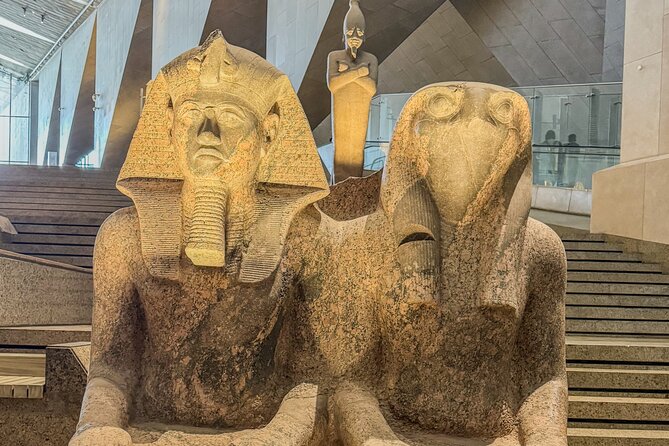
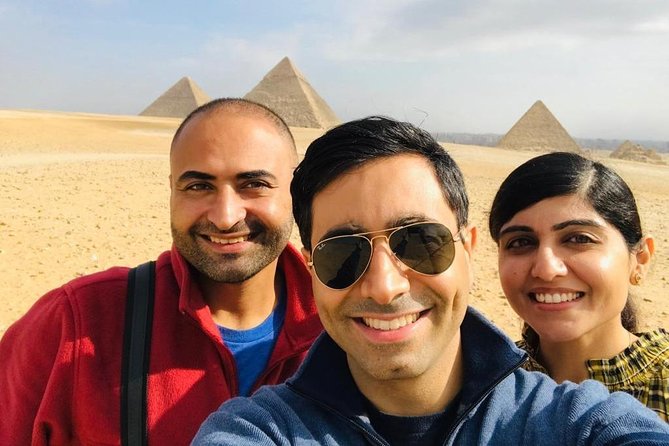
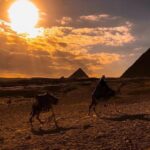
After the two pyramid stops, you head to the panoramic view point designed to show all the pyramids in one line. This is the “wow, that’s the whole plan” moment.
You get about 30 minutes here, which is perfect for two things: photos and orientation. From this viewpoint, you can better understand how the pyramids relate to each other across the Giza plateau. It also helps you connect the scattered monuments you saw earlier into one bigger story.
This is also where you get the chance for a camel ride. A camel ride is listed as included, and the itinerary notes the option of camel or horse at the panoramic spot. Since only the camel ride is explicitly marked as included, I’d treat the horse option as something to confirm in advance if you’re set on it.
Practical reality check: camel rides can be a jostly experience. It’s iconic, but it’s not a silent, smooth glide. If you have mobility issues or a sensitive back, plan for it and consider whether you want the ride itself or just the photos.
Photo tip: aim to shoot before you mount, then shoot again after. Your angles change fast when you’re elevated.
You can also read our reviews of more museum experiences in Cairo



Great Sphinx and the nearby temple area: the photo magnet
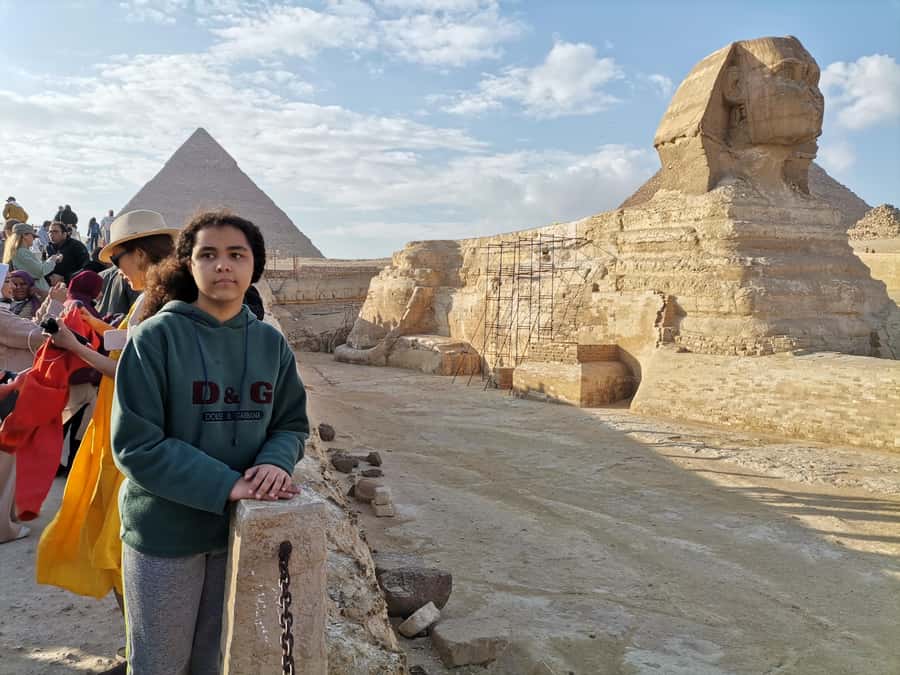
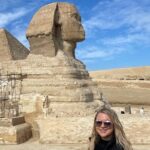
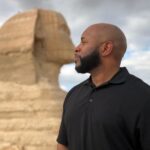
Then you move to the Great Sphinx area for about an hour. This is one of the most iconic statues on earth, and it’s usually where the scale hits you emotionally.
You’ll get close to the Sphinx and learn about its history and the mysteries around it. The itinerary also includes time for the nearby temple area—described as a Temple of Mummification in the overview and as the Valley Temple in the stop details. Either way, the point is similar: you get more than just the main statue. You get context for how the area functioned.
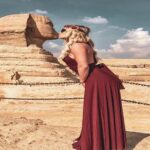
If you’re a photo person, you’ll be in your element here. The Sphinx is positioned so you can shoot from multiple angles, including shots where it looks like the statue guards the pyramids behind it.
One timing note: the Sphinx area can feel crowded depending on the hour. A private guide helps because they can help you choose where to stand and when to move. It’s not about getting perfect photos—it’s about not spending half your time trying to squeeze through lines.
Comfort note: this is another stretch where shade can be limited. One of the best pieces of feedback from the guides is how they adapt for people who need breaks, like finding shade for a mother who had a tough time walking.
Lunch break: falafel or koshari, and why eating matters here
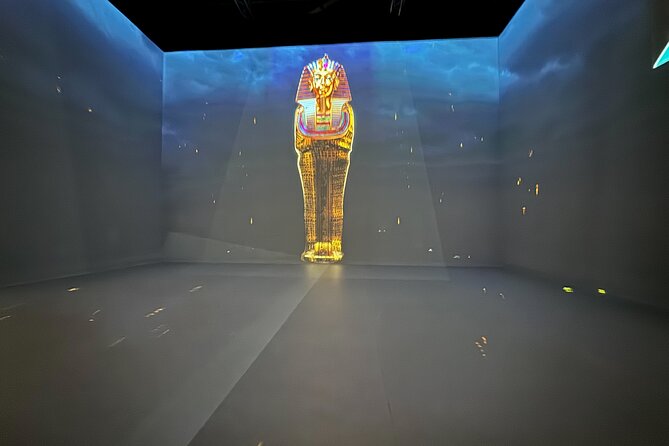
After the main outdoor sites, you’ll have a traditional lunch. The menu choice is falafel or koshari.
This matters more than it sounds. When you do pyramids and museum back-to-back, food becomes the fuel that decides whether you enjoy the museum or feel wiped out. Koshari is filling, and falafel is a solid, easy meal to eat without heavy prep.
You’re on a roughly 5-hour total itinerary, which means there isn’t long downtime. So having lunch included (and in the middle of the day plan) is part of the value.
Grand Egyptian Museum: modern rooms that make artifacts easier to grasp
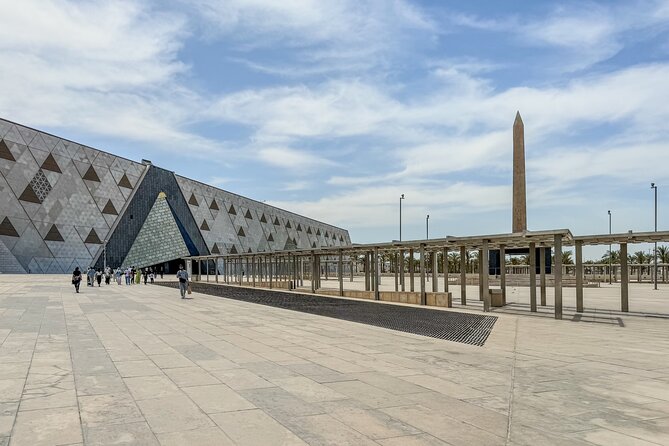
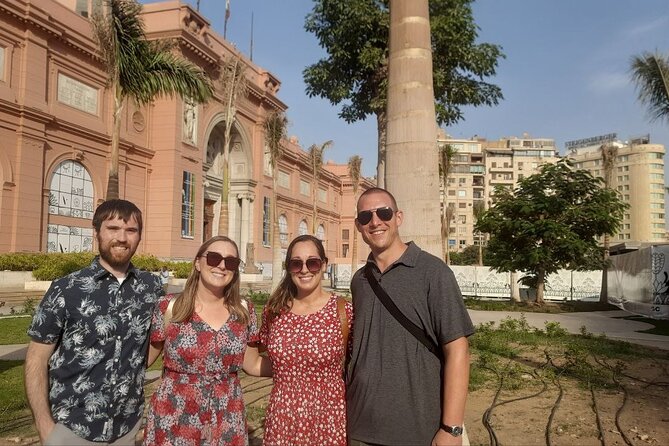
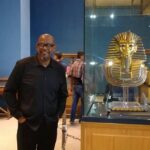
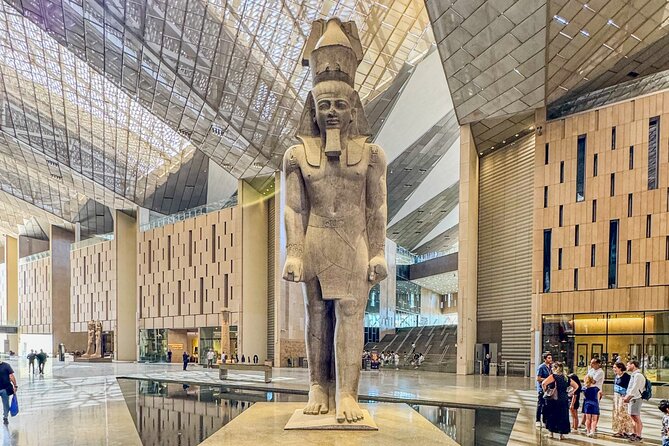
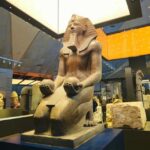
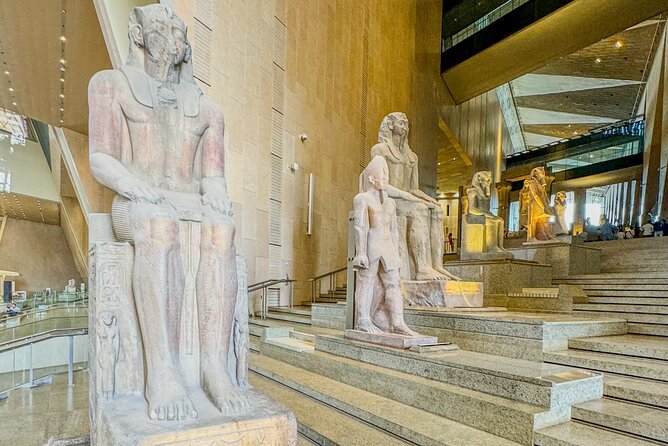
The day then moves to the Grand Egyptian Museum for about two hours. This is where the tour stops being only monuments and becomes objects you can actually understand.
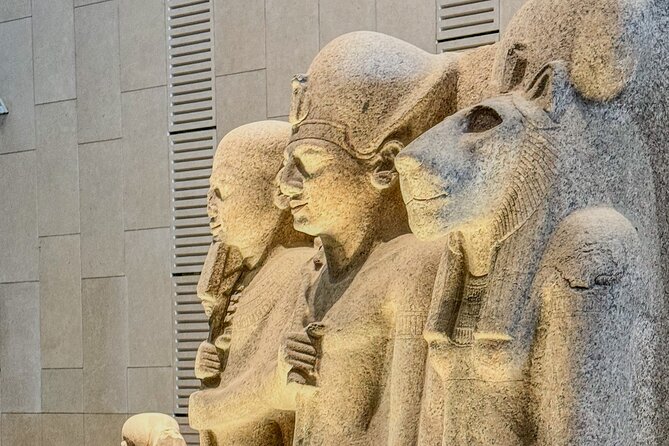
You’ll see a wide range of artifacts, from everyday items to larger relics, all displayed in a modern setting that helps the past feel more tangible. Your licensed guide should be the glue here—connecting what you see to daily life and beliefs, instead of you wandering through rooms feeling like you’re cracking a code.
There’s also a nice bonus: the museum visit includes views of the Giza pyramids from inside the complex. That’s a subtle but powerful moment. You can look back at the monuments you just visited and realize they still dominate the skyline even when you’re indoors.
One important consideration: the museum stop is marked as admission ticket not included, while the overall tour includes entry fees. That mismatch is exactly the sort of thing that can cause confusion on arrival. Before you go, ask your provider to clarify what’s covered for the museum ticket itself. The guide can often confirm this, but you don’t want to be figuring it out on a time clock.
Price and what you truly get for $20
At $20 per person, this tour sits in a low-price category for a private Giza + museum combo that includes pickup, a licensed guide, bottled water, lunch, entry fees, and a camel ride.
The “value” part is that you’re paying for more than transportation. You’re paying for someone to manage time, choose the flow, and keep the day understandable. On a site like Giza, the difference between doing it alone and doing it with a guide is huge. Even if you love planning, it’s the guide’s pacing that turns a chaotic day into one you can actually enjoy.
Still, there are two cost considerations you should treat as questions, not surprises:
- The pyramid stops and the museum stop list admission as not included in the timing notes.
- The camel ride is included, but the horse option is only mentioned as a possible alternative.
If you want the interior pyramid experience at Cheops or Khafre, confirm the extra ticket situation before you arrive, so you don’t miss out or get stuck in a decision at the gate.
Also remember tipping isn’t included. In Egypt, tipping is part of the real-world service economy. If you want a smooth relationship with your guide and driver, it helps to budget for it.
The guide and driver factor: what made this tour rate so highly
This is one of those tours where the guide can make or break your day. In the strongest feedback, names like Abdu and Habeba show up with a pattern: punctual pickup, clear communication, and patience.
Abdu is mentioned for being kind, knowledgeable in a practical sense, and open to questions. Habeba is praised for excellent communication that keeps the schedule relaxed. There’s also a very human detail: a guide who took extra care to find shade and help someone who needed less walking.
Ahmed, the driver, also gets credit for calm, great driving. On a private day, that matters because you’re constantly switching between road time and walking time. A steady driver helps you stay upright, calm, and ready for the next stop.
For you, the practical takeaway is simple: if your priority is a low-stress day, pick the tour that clearly has repeatable service quality. This one looks like it does.
Who this tour is best for (and who might want more time)
This private plan is ideal if you want:
- The big Giza highlights without spending all day hopping between sites
- A guided museum visit so you don’t feel lost inside the Grand Egyptian Museum
- A camel ride and classic photo spots included in the timing
It’s also a decent fit for mixed groups because you get choices like the panoramic view for photos and optional interior time where available.
If you prefer slow travel, deep reading, and long stays in museums, you might want a longer format. This one compresses everything. You’ll leave with the feeling of having seen the core sights—but you won’t have hours to linger over every gallery detail.
If you have mobility challenges, you can still consider it, but plan around sun and walking. One of the best bits of feedback is that guides adjust for people who need breaks—so communicate your needs early.
Should you book this private Giza and Grand Egyptian Museum tour?
I’d book it if you’re aiming for a smart, efficient day with a guide and pickup sorted. The mix of pyramids, the Sphinx area, camel ride time, lunch, and a structured museum stop is exactly the kind of itinerary that saves you from decision fatigue.
I’d hesitate only if you know you want long museum wandering or heavy interior exploration for the pyramids. In that case, you may want a longer tour so you’re not watching the clock.
Before you confirm, ask one practical question: which specific admissions are covered on your date, especially for the Grand Egyptian Museum and any pyramid interior access. With that clarified, this tour can be a great use of a limited day in Cairo.
FAQ
How long is the tour?
The tour is about 5 hours.
Do I get hotel pickup and drop-off?
Yes. Pickup and drop-off are included, from your hotel or accommodation in Giza or downtown Cairo.
What lunch is included?
Lunch is included and comes as either falafel or koshari.
Is a camel ride included?
Yes. A camel ride is included, and the panoramic stop is where you have the chance for it.
Are entry fees included?
Entry fees are listed as included, but the pyramid and museum stops also note that admission tickets are not included. I’d confirm what is covered for your exact booking and day of travel.
Is tipping included in the price?
No. Tipping is not included.
What is the cancellation policy?
You can cancel for a full refund up to 24 hours in advance. If you cancel within 24 hours of the start time, the amount paid is not refunded.