REVIEW · LUXOR
4 Days 3 Nights Nile Cruise From Luxor to Aswan with Tours
Book on Viator →Operated by Egypt Package Tours · Bookable on Viator
A Nile cruise between Luxor and Aswan feels almost unreal. You’re not just sitting on the water: you’ll get private A/C transfers and a professional English-speaking Egyptology guide while still enjoying plenty of ship time. The main thing to plan for is extra costs once you arrive, since many major temple entrance fees and drinks are not included.
Here’s the deal: this itinerary hits the big southern-Egypt highlights in a smart order, while the ship does the heavy lifting on transport between stops. You also get a comfortable rhythm—temples in the morning or late afternoon, plus sailing time with tea on the sundeck. If you’re hoping for everything to be fully priced-in with no add-ons, this may not be your best fit.
In This Review
- Key things to know before you go
- Luxor to Aswan: what this 4-day cruise is really for
- Your first step in Luxor: pickup, check-in, and Karnak lighting up the day
- Karnak and Luxor Temple: what to watch for
- Day 2 on the West Bank: Valley of the Kings, Hatshepsut, and a smooth sail to Edfu
- A realistic note on Day 2
- Day 3 Edfu’s Horus Temple and Kom Ombo’s double identity
- Kom Ombo is worth prioritizing
- Day 4 Aswan High Dam and Philae: Nubia, motorboats, and a gentle ending
- How the ending feels
- What you’re paying for: cruise value vs. extra temple costs
- Comfort, pacing, and group size: how it feels in real life
- Best fit: who should book this Luxor to Aswan cruise
- The guide factor: why your experience can swing on who you get
- Should you book this 4-day Luxor to Aswan cruise?
- FAQ
- What is the duration of this tour?
- Where does the tour start and end?
- What’s included in the price?
- Are entrance fees included for the temples and monuments?
- Does the tour include pickup?
- Is there a boat ride to Philae Temple?
- How large is the group?
- Is a mobile ticket provided?
- What if weather or sailing conditions affect the schedule?
Key things to know before you go
- Luxor-to-Aswan sailing, not backtracking: the route is built for seeing the famous sites in a logical flow.
- 3 nights on a 5-star Nile cruise with full board: breakfast, lunch, and dinner are included each day.
- Guided temple tours with an Egyptology specialist: you’ll have context, not just photos.
- Small-group feel (max 20 travelers): easier movement at busy sites.
- Entrance fees are separate: budget for Karnak, Luxor Temple, Valley of the Kings, and more.
- Sailing windows include Esna Lock and river-time tea: you get the Nile experience, not only monuments.
Luxor to Aswan: what this 4-day cruise is really for
I like this style of trip because it solves two headaches at once. First, you don’t have to coordinate day-by-day transport across southern Egypt. Second, you still get structured guided time at the places that actually take concentration—Karnak, the Valley of the Kings area, Edfu’s Horus Temple, and Philae.
This specific run is designed around disembarking for guided visits while the cruise handles the moving between towns. The pacing is mostly mornings and late afternoons for monuments, with sailing in between so you can reset. That matters: Egypt’s temple sites are visually mind-blowing, but they’re also very crowded and very hot depending on the month. Having sailing and deck breaks built into the schedule helps you enjoy it instead of rushing.
One practical detail to remember: the operator notes that sailing conditions can change scheduling. They promise you’ll still see everything on your itinerary, but the order may shift. That’s a normal reality on the Nile—so I treat it as flexibility, not a surprise.
You can also read our reviews of more boat tours in Luxor

Your first step in Luxor: pickup, check-in, and Karnak lighting up the day
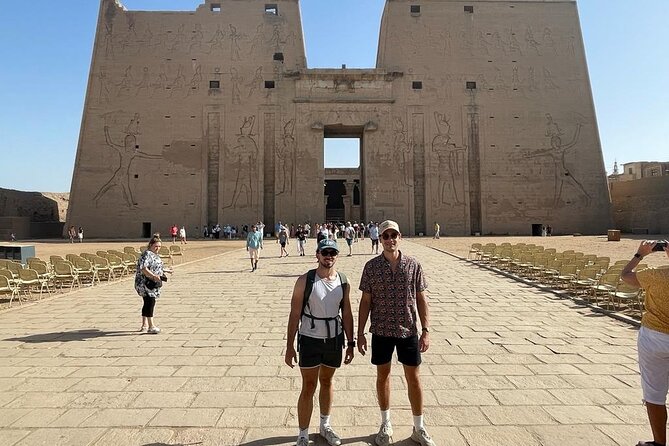
Day 1 starts with the part that often makes or breaks a first day: getting you from the arrival point to the ship with minimal hassle. Pickup is available from Luxor Airport, Railway station, or your Luxor East Bank hotel by private A/C vehicle. If your arrival is early, the tour can start right away because cruise check-in is at 12:00—no sitting around waiting for you.
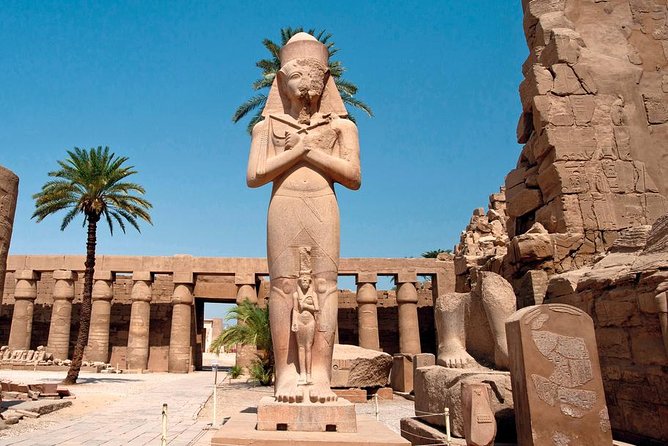
Once you’re on board, you’ll have lunch before the temple touring begins. I like this approach because it gives you a buffer after travel and keeps your afternoon usable. Karnak is the first big anchor site, and it’s not an exaggeration to say it can overwhelm you if you go in cold.
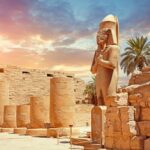
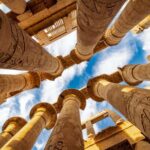
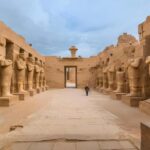
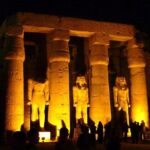
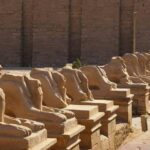
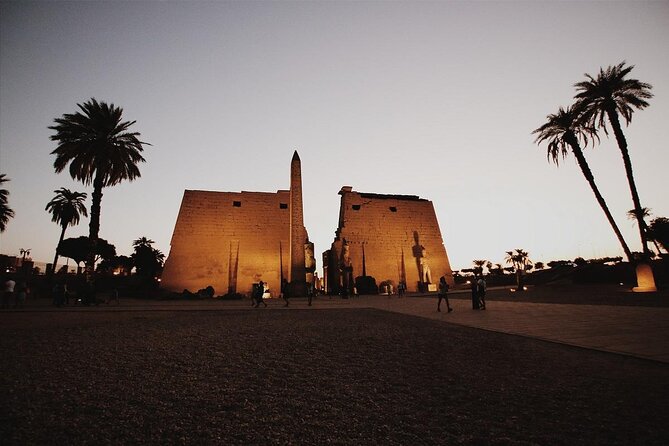
At Karnak Temple, you’re visiting the largest temple complex ever—built over roughly 2,000 years and spread across about 63 acres. The guide’s job here is important. Without some structure, Karnak becomes a blur of columns and halls. With context, you start noticing how spaces relate to the gods, kings, and rituals that shaped the site.
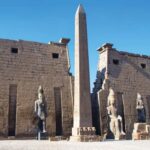
Next comes Luxor Temple, where you’ll see a mix of ancient Egyptian, Christian, and Islamic features. This is a good contrast to Karnak because it’s more concentrated and easier to connect to the city. After that, you return to the cruise for dinner and overnight in Luxor.
Karnak and Luxor Temple: what to watch for
- Karnak requires comfortable walking shoes; you’ll cover a lot of ground.
- If you care about photos, plan to take them during the guided movement, then re-check key angles afterward while the light is still cooperative.
- The entrance fees for Karnak and Luxor Temple are not included, so budgeting matters from day one.
Day 2 on the West Bank: Valley of the Kings, Hatshepsut, and a smooth sail to Edfu
Day 2 is where the trip earns its “Nile cruise” badge by combining land touring with a ship rhythm. After breakfast, you drive to Luxor’s West Bank area to visit the Theban Necropolis.
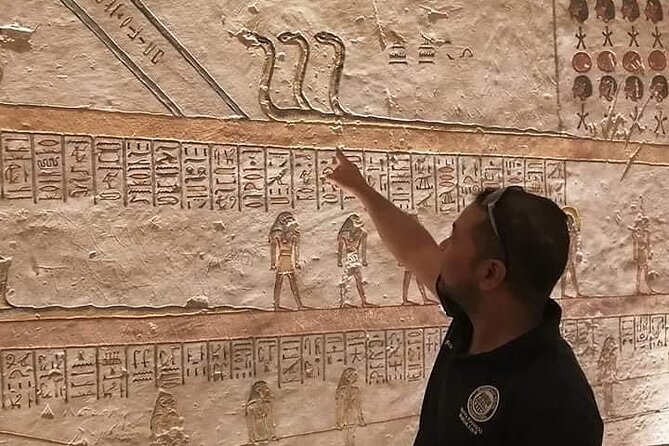
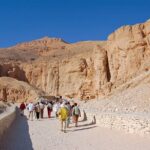
The first stop is the Valley of the Kings, where New Kingdom pharaohs carved tombs into the mountain slopes. Even if you’ve seen photos, being there in person changes the scale. The mountains feel like natural architecture built for secrecy—exactly the effect the tomb builders intended. The guide helps you understand why these tombs were set up the way they were, instead of treating it as a random lineup of caves.
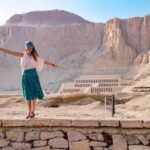
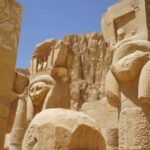
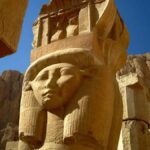
Then you go to the Mortuary Temple of Hatshepsut at El Deir El Bahari. Hatshepsut’s story is one of the most interesting parts of Egyptian rule because she’s not a typical ruler in the way many people expect. The visit focuses on her unique role as a female Pharaoh and how she managed power. This is one of those stops where having a guide can turn the site from scenery into a real narrative.
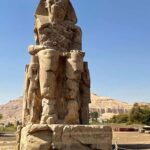
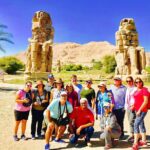
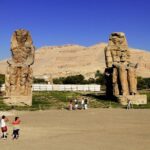
You’ll end the West Bank portion with a quick photo stop at the Colossi of Memnon, two enormous statues. It’s short, but it’s a great breather before you get back to the cruise routine.
By noon, you return to the ship for lunch and then start sailing down the Nile. In the afternoon, you’ll enjoy tea on the sundeck and cross the Esna Lock. I love this part because it’s where the trip stops feeling like an organized list and starts feeling like a journey. You’ll see the river change mood as the ship moves, and you get time to just watch.
Overnight is in Edfu.
A realistic note on Day 2
Many of the West Bank visits depend on timing and heat. If you’re the type who gets cranky when you’re hot and sun-exposed, plan for it—drink water whenever you can, and keep sunglasses handy. Also remember that entrance fees for these stops are not included.
A few more Luxor tours and experiences worth a look



Day 3 Edfu’s Horus Temple and Kom Ombo’s double identity
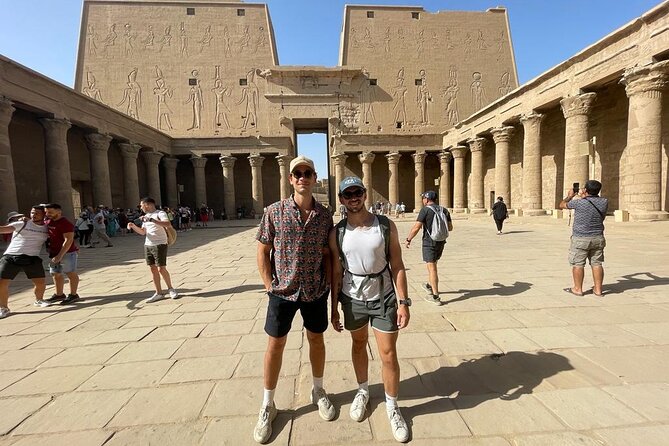
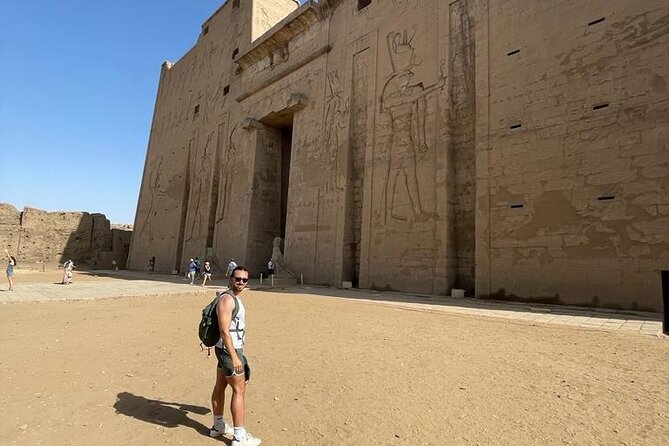
Edfu is a classic “right temple at the right time” stop. After breakfast, you’ll head to the Temple of Horus, widely described as one of the best-preserved Egyptian temples. A fun transport detail here: you take a horse carriage ride with your guide as part of the experience to reach the site.
This ride is short, but it helps the day feel like more than a bus transfer. Once you arrive, the temple’s condition gives you a strong view of how the site functions. You get to see the way carvings, layout, and symbolism work together, and your guide can point out what to look for so you don’t miss the good stuff.
After Edfu, you return to the cruise and relax while sailing toward Kom Ombo. There’s a calm stretch here—scenery, deck time, and lunch onboard—then afternoon tea again on the sundeck.
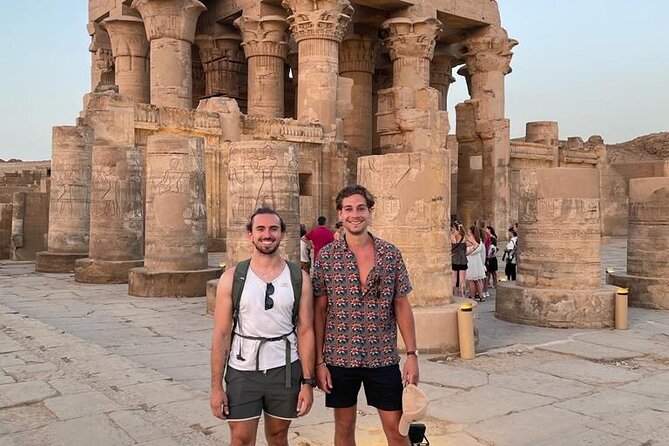
Late in the day you visit Kom Ombo Temple, which has a “double temple” concept: one side linked with Sobek (the crocodile god) and the other with Horus (the falcon god). Even if you don’t catch every detail, the idea of dual worship is one of the things that makes Kom Ombo feel distinctive compared with the other stops.
After the temple, you return for dinner. Then there’s a folkloric party hosted by the cruise staff and tour guides, while the ship continues sailing to Aswan for overnight.
Kom Ombo is worth prioritizing
Kom Ombo can feel less “famous” than the Valley of the Kings, but it’s a great payoff if you enjoy temple symbolism. The dual dedication makes it memorable, and the timing late in the afternoon often gives nicer light for photos.
Day 4 Aswan High Dam and Philae: Nubia, motorboats, and a gentle ending
Day 4 starts early: check-out is after breakfast at 8:00, then you go straight to Aswan’s main highlights with your guide.
First up is the Aswan High Dam, completed in 1960. The visit focuses on why it was built—flood protection and electricity generation—and your guide also covers the story of Nubian immigration. That last part matters because it connects the dam to real people, not only engineering.
Next comes Philae Temple, dedicated to the goddess Isis. The crossing to the temple is by small motorboat, so plan for a little splash potential and keep your phone protected if you’re using it for photos. Philae is especially satisfying after the earlier temples because it often feels more atmospheric, with its island setting and the way the space feels framed by water.
After your visit, you’re transferred to your Aswan East Bank hotel, or you can end at the airport or railway station.
How the ending feels
This last day is not another marathon of land stops. It’s a more focused finale that gets you out of town efficiently while still giving you two major Aswan anchor sights.
What you’re paying for: cruise value vs. extra temple costs
At $550 per person, the headline value is the combination of:
- 3 nights on a 5-star Nile cruise (full board: breakfast, lunch, dinner)
- Private A/C transfers for the included legs
- A professional English-speaking Egyptology guide
- Guided visits across Luxor, Edfu, and Aswan
If you were to price this trip as separate parts—ship nights, private transfers, and guided admissions planning—the total often gets higher fast. That’s the logic behind the price: you’re buying coordination and access, not just movement.
Now for the part you need to plan for: entrance fees and drinks are not included. Based on the costs listed:
- Karnak Temple: 450 EGP per person
- Luxor Temple: 400 EGP per person
- Valley of the Kings: 600 EGP per person
- Hatshepsut Temple: 360 EGP per person
- Edfu Temple (Horus): 450 EGP per person
- Kom Ombo Temple: 360 EGP per person
- Philae Temple: 450 EGP per person
- Aswan High Dam: 100 EGP per person
That totals about 3,170 EGP per person for the listed admissions (before any additional items). There’s also the motorboat to Philae listed as 400 EGP for the group. And there are notes about no cruise water/drinks included, plus tipping for guide, drivers, and cruise crew.
My practical advice: treat $550 as your base, then budget a second line item for admissions and on-the-day extras. If you don’t, you’ll feel surprised at the money moment.
Comfort, pacing, and group size: how it feels in real life
This cruise is capped at a maximum of 20 travelers, which is a meaningful difference on temple-heavy days. With smaller groups, you spend less time waiting and you’re more likely to keep momentum through busy spaces.
The ship experience is framed around relaxation and routine: tea on the sundeck, meals included, and sailing time that breaks up your walking. You also get scheduled sailing moments like Esna Lock crossing, which gives you an actual Nile “watching the world move” segment.
The pacing is fairly steady:
- Day 1: check-in + lunch, then Karnak and Luxor Temple
- Day 2: West Bank full focus, then sail afternoon to Edfu
- Day 3: Horus Temple in Edfu, sail to Kom Ombo, then party and sail toward Aswan
- Day 4: Aswan High Dam + Philae, then transfer out
If you’re sensitive to long days, I’d pay attention to how you handle sun and crowds. These are iconic sites, so you’ll be around other visitors. Having a guide and a plan helps, but it won’t turn Egypt into a quiet private tour.
Also note: the company offers a mobile ticket, so you’ll want to have your phone charged and accessible for check-in.
Best fit: who should book this Luxor to Aswan cruise
I’d recommend this itinerary if you want:
- A classic Luxor-to-Aswan route that covers the core stops without hopping around
- Guided context at major temples, so you understand what you’re seeing
- A trip structure that balances monuments with real sailing downtime
- A small-group vibe (up to 20 people)
I’d think twice if you’re the type who hates extra payments after booking, since entrance fees, motorboat cost, drinks, and tipping are all separate. And if you’re extremely detail-focused on specific tombs inside the Valley of the Kings, your exact options can depend on how access is handled that day—nothing is promised in the details you provided beyond the guided visit.
The guide factor: why your experience can swing on who you get
One reason I keep coming back to guided tours in Egypt is simple: temples are visual, but they’re also symbolic. When the guide can explain what the carvings mean and how the site connects to ancient belief, your photos stop being just images and start being evidence of understanding.
An example name that shows up with strong feedback for this operator is Ahmed, noted for making ancient Egypt history click for visitors. You may or may not meet the same person, but the key is what’s promised: a professional English-speaking Egyptology tour guide. That’s a big part of the value here, especially for Karnak and the Valley of the Kings area.
Should you book this 4-day Luxor to Aswan cruise?
Book it if you want a smooth, guided, full-board way to see southern Egypt without turning the trip into a logistics project. The included 3 nights on a 5-star Nile cruise, private transfers, and structured temple touring make it a strong value—especially compared with piecing everything together yourself.
Skip or choose carefully if your budget can’t stretch for entrance fees (over 3,000 EGP per person for listed sites), motorboat cost, and drinks on board, plus tipping. Also, if you arrive very late and hate early starts, plan your expectations: Day 4 begins at 8:00 after breakfast.
If you’re flexible, like guided history, and you want the Nile cruise part to be real—not just transportation—this is a very practical way to do it.
FAQ
What is the duration of this tour?
It’s listed as 4 days and 3 nights, with an approximate total duration of about 4 days.
Where does the tour start and end?
The tour starts in Luxor and ends in Aswan, with transfers provided at the end to Aswan East bank hotels, the airport, or the railway station.
What’s included in the price?
Included are 3 nights accommodation on a 5-star Nile cruise on a full-board basis, meals (breakfast, lunch, and dinner), professional English-speaking Egyptology guide services, and all transfers with private A/C pickup and drop-off.
Are entrance fees included for the temples and monuments?
No. Entrance fees are listed as not included for Karnak Temple, Luxor Temple, Valley of the Kings, Hatshepsut Temple, Edfu Temple, Kom Ombo Temple, Philae Temple, and Aswan High Dam.
Does the tour include pickup?
Yes. Pickup is offered from Luxor Airport, Railway station, or Luxor East Bank hotels. Pickup from Luxor West Bank hotels is available for an extra $15 USD per person.
Is there a boat ride to Philae Temple?
Yes. A motorboat is used to reach Philae Temple, and the motorboat cost is listed as 400 EGP for the group.
How large is the group?
The tour has a maximum group size of 20 travelers.
Is a mobile ticket provided?
Yes. The tour listing notes that a mobile ticket is available.
What if weather or sailing conditions affect the schedule?
The experience requires good weather, and sailing conditions on the Nile may update the schedule and sailing time. The operator states that you will still see what’s on the itinerary, but the order may be different.