REVIEW · LUXOR
Luxor: 4 Days Nile Cruise with Guided Tours & Abu Simbel
Book on GetYourGuide →Operated by Egyptology Travel CO · Bookable on GetYourGuide
Nile nights make ancient Egypt feel present. This Luxor-to-Aswan cruise packs big-name sites into a small group format, then adds the jaw-dropping Abu Simbel day trip. I like the way the schedule is built around early starts and temple timing, so you see more and spend less time stuck in heat.
Two things I especially liked: the steady hand of the Egyptologist guides (Adel stands out for passion and clarity, and Samy in Aswan brings a very experienced, local feel), and the boat itself as a real base—meals, a calm sun-deck rhythm, and that simple pleasure of sailing while Egypt passes by. I also appreciated details that make photos easier, like the everyday river scenes you can catch as you move through Luxor’s islands and the water traffic.
One drawback to plan for: the trip runs on early wake-up calls, and the Abu Simbel transfer is long enough that comfort depends on the minibus/air-conditioning setup. Add to that the reality of extra spending for entrances, drinks, and WiFi, plus a tipping culture that can feel persistent at the end if you did not plan ahead.
In This Review
- Key highlights at a glance
- Luxor To Aswan: The Rhythm of a Guided Nile Cruise
- Day 1 in Luxor: West Bank Temples Before You Even Board
- Sailing Days: Sun Deck Views and the Real Nile in Motion
- Edfu Temple: A Morning Horse Ride to Match the Old World
- Kom Ombo at Sunset: When Timing Does the Heavy Lifting
- Abu Simbel on Day 3: 4:15am Is Real, and So Is the Reward
- Day 4 in Aswan: High Dam and Philae (Isis)
- Cabins and Boat Life: 5-Star Comfort With a Few Real-World Notes
- Food on Board: Usually Good, With a Few Budget Reminders
- Price and Value: What Your $599 Usually Covers (and What It Doesn’t)
- Best For Who: The Right Match for This Cruise
- Should You Book This Luxor to Aswan Nile Cruise?
- FAQ
- What route does this Nile cruise follow?
- How long is the experience?
- How many nights do you stay on the cruise boat?
- What are the main temples and sites included?
- What is included in the price?
- Are entrance fees included?
- Are drinks and WiFi included?
- What time are you picked up for Abu Simbel?
- What time does the tour end in Aswan?
- How big is the group?
Key highlights at a glance
- Small group (up to 8 people) keeps the pace human on guided stops
- Valley of the Kings + Hatshepsut on the west bank starts your Egyptology story with context
- Edfu Temple by horse and carriage gives you an authentic, old-school approach into the site
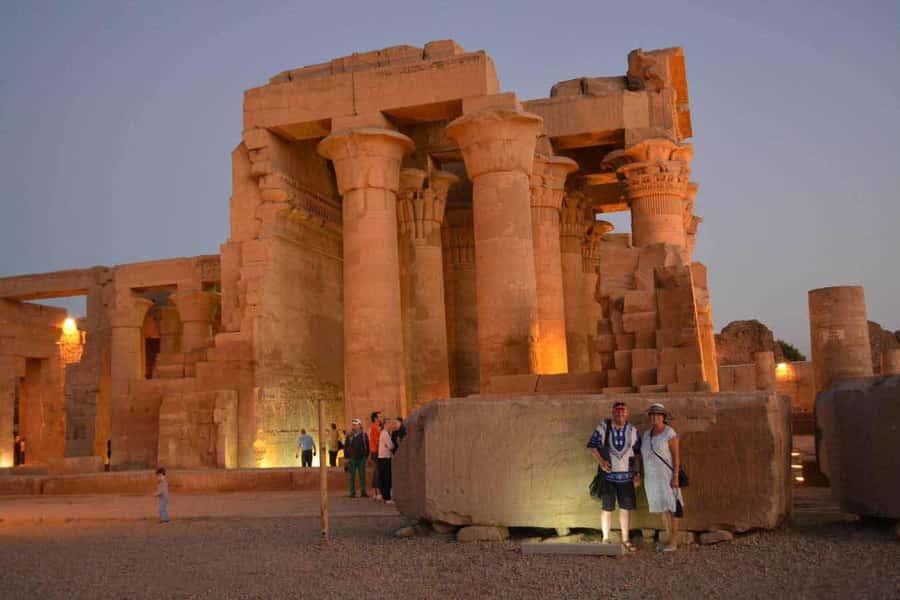
- Kom Ombo at sunset feels like a scene change, not just another temple photo stop
- Abu Simbel pickup at 4:15am is brutal early, but it’s built for light and timing
- Aswan finale with High Dam + Philae (Isis) ties the ancient and modern river together
Luxor To Aswan: The Rhythm of a Guided Nile Cruise
This is the kind of trip where the day doesn’t start “when you feel like it.” It starts when the temples and the sun demand it. You’ll begin on Luxor’s west bank with a guided deep history route, then shift into cruise-mode for the Nile sailing between stops.
The value here isn’t just that you visit famous places. It’s that you visit them with an Egyptologist guide, so you’re not walking through rooms of carved stone like you’re reading a postcard. You’ll also get clear transportation structure: air-conditioned minibus for pickups, separate entrances to reduce waiting, and planned timing for early crowds and midday heat.
You can also read our reviews of more boat tours in Luxor
Day 1 in Luxor: West Bank Temples Before You Even Board
Your day begins with pickup around 7:10AM from anywhere in Luxor city (east bank), and the first block is classic Luxor storytelling. You’ll head to the Valley of the Kings, where the guide’s explanations help you connect the tombs to the bigger worldview of ancient Egypt, not just their locations.
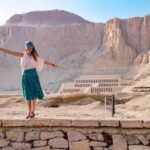
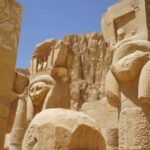
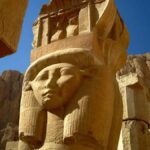
Then you’ll visit Hatshepsut’s Temple, a site that always feels dramatic because of what it represents: power, legitimacy, and the way rulers used architecture to speak long after death. I like that this day doesn’t just throw temples at you. It frames them like chapters.
After the tours, you’ll transfer to the cruise. Once you check in and eat lunch, the sailing begins from Luxor. That timing matters. It gives you the feel of the Nile shift from busy city energy to a slower, river-life pace.
Sailing Days: Sun Deck Views and the Real Nile in Motion
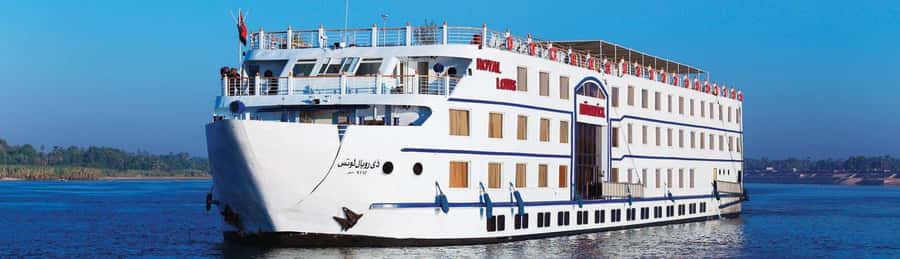
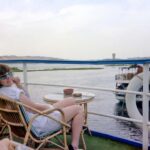
Once the boat leaves, you’ll get that “Egypt is happening outside my window” feeling fast. As you cruise, you can watch islands, small boats, and river villages—plus the everyday characters you’d expect near farms and water: donkeys, cows, and people going about their lives.
One practical perk: standing on the sun deck helps you get photos without the cabin being your only option. You’ll also sail toward key docking points with stretches that feel more restful than a nonstop bus tour.
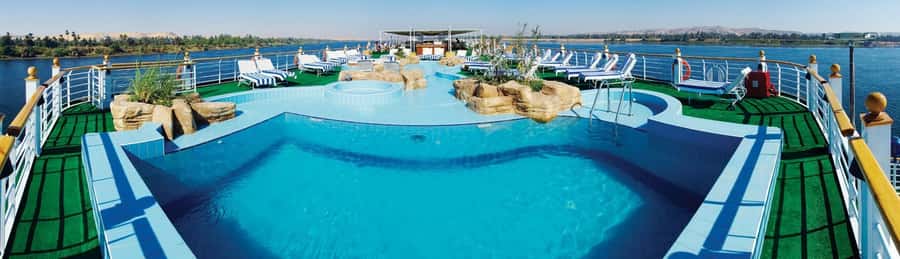
Some boats in this category have included a swimming pool, which is a nice reset when the heat builds. If your boat doesn’t have it, the sundeck still does the job—think breeze, photos, and a slow clock.
Also watch for the logistics reality of river travel: there can be a day where the cruise docks and you rely more on road transfers for one segment. Your schedule will still be guided and organized, just less “sailing time.”
Edfu Temple: A Morning Horse Ride to Match the Old World
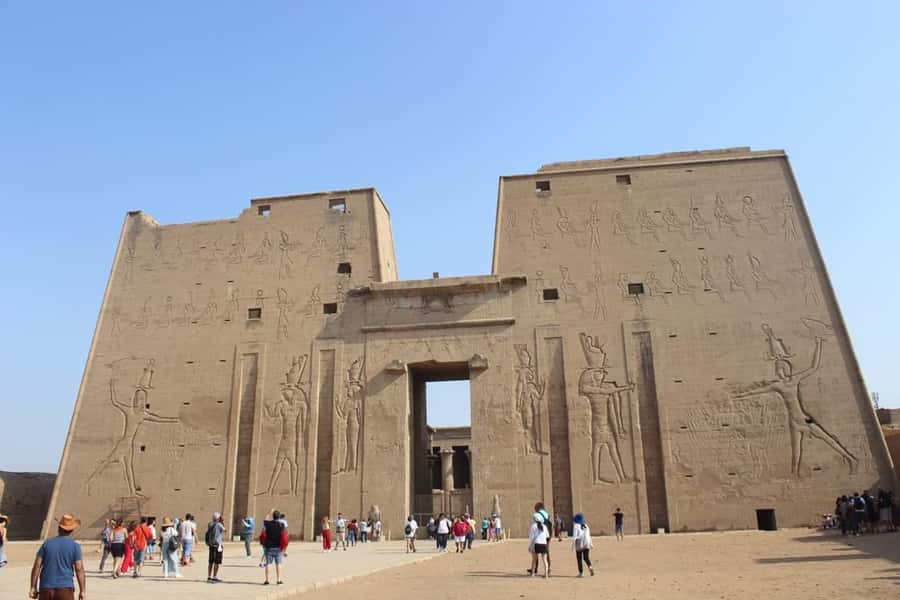
Day 2 starts with a morning horse-and-carriage ride to Edfu Temple. I get why people like this option: it breaks the routine and makes the approach to Edfu feel ceremonial. It also gives you a moment where the setting feels less like a queue system and more like an actual journey.
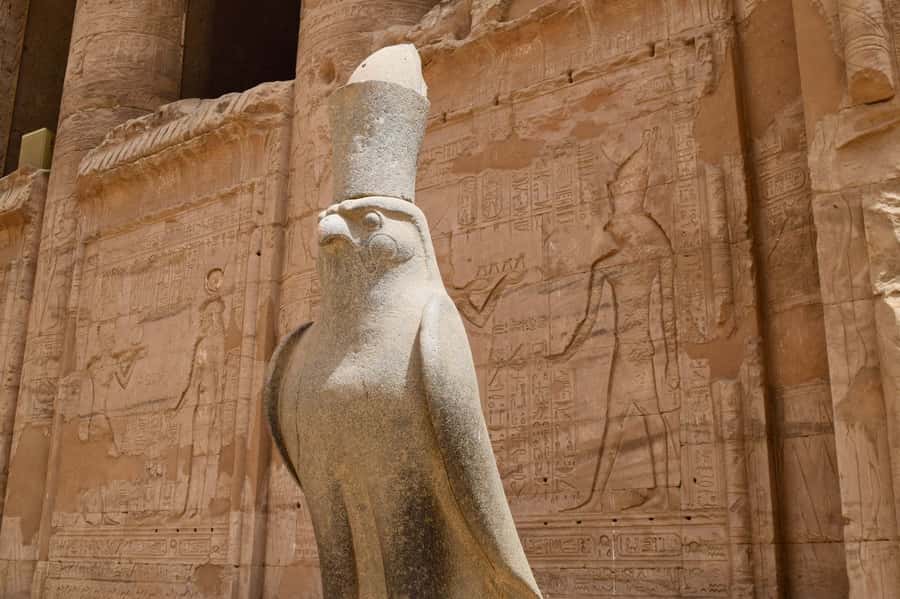
Once you’re there, your guide’s job is to connect what you’re seeing—especially the temple layout and symbolism—with what it meant in ancient religious life. Edfu is one of those places where the guide really matters; otherwise it can blur into “another stone room.”
After Edfu, you return to the cruise and keep sailing toward Kom Ombo. It’s a nice pacing choice: you’re not bouncing between temples all day on the road. You get a break in between.
Kom Ombo at Sunset: When Timing Does the Heavy Lifting
Kom Ombo is a standout because of the timing. You’ll visit around sunset, then continue sailing through the night toward Aswan. That night sailing is one of those details that turns a route into a memory.
This temple is different in feel from many others because it’s tied to a particular religious function and architectural storytelling. With a good Egyptologist guide, you’ll understand the “why” behind the decorations, not just the “what.”
From a comfort standpoint, sunset timing is also smart. It’s often when the air feels kinder and crowds can be more manageable.
You can also read our reviews of more guided tours in Luxor
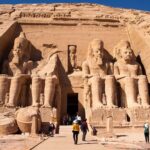
Abu Simbel on Day 3: 4:15am Is Real, and So Is the Reward
Day 3 is the early one: pickup from the cruise at 4:15AM by air-conditioned minibus for the Abu Simbel trip. This start time is not a suggestion. It’s early enough to make you question your life choices for about 15 minutes.
Then you arrive at a temple complex that has a very specific power. I like that the trip is guided in a way that explains what you’re seeing and why it mattered. When you finally look around, it’s not just impressive—it’s legible.
One thing to take seriously: transport comfort. There are reports of issues like an overloaded minivan and air-conditioning that wasn’t enough, turning a long ride into a miserable one. You can’t control vehicle quality, but you can control your preparation—dress for heat, carry water if you can, and ask your guide if there are any comfort notes on your specific transfer.
Day 4 in Aswan: High Dam and Philae (Isis)
Your final day is where the pace often feels gentler. You’ll have breakfast, check out, then start tours that connect Aswan’s modern engineering story with its ancient religious identity.
First comes the High Dam, including explanations about the building and what it changed for the region. I like having this context before you go to the ancient temples—because the Nile isn’t just a backdrop here. It’s a system humans have shaped and continue to depend on.
Then you’ll visit Philae Temple, associated with Isis. The vibe tends to be magical in a quieter way than the big-ticket ruins earlier in the trip. You’ll feel how the river setting and temple history reinforce each other.
You’ll finish around 2:00PM. That’s enough time to catch onward travel without feeling totally drained, assuming you’re not starting a long overland connection immediately.
Cabins and Boat Life: 5-Star Comfort With a Few Real-World Notes
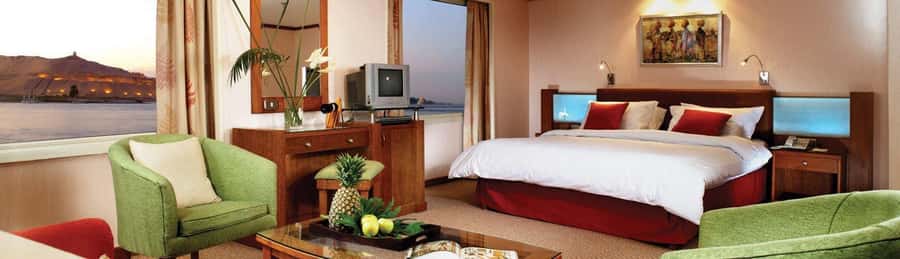
This tour includes 3 nights on a 5-star cruise boat, with a cabin and its own bathroom. In practice, boats in this category can vary. Reviews mention boats like MS Zeina, the Marquise, and Magic, with differences in how new the bathrooms feel and how well windows block noise.
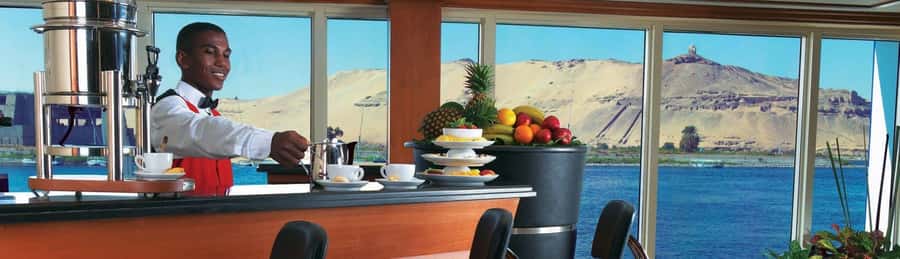
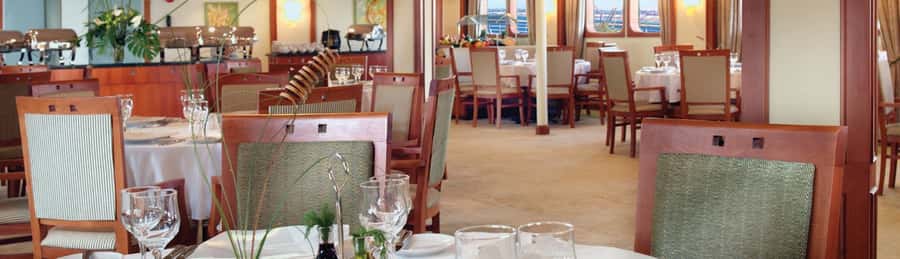
What usually works: meals are generally described as tasty, with a reasonable buffet flow and options even for vegetarians. Some cabins can also feel recently refreshed in the dining area and sundeck, even if the bathroom isn’t brand-new.
What you should watch: dated bathrooms, limited soundproofing, and drink pricing on board. One big note repeated across feedback is that WiFi is not included and may not work well if you’re expecting it to be reliable. Also, bottled water often isn’t included, even if meals are.
Food on Board: Usually Good, With a Few Budget Reminders
Food starts with lunch on Day 1 and ends with breakfast on Day 4. That means you’re not hunting for meals in the middle of sightseeing chaos. Most people find the onboard meals solid, with a wide enough selection that you’re not locked into one option.
Vegetarians have especially mentioned having multiple choices at meals, which is helpful because temple days often require you to think ahead.
For budgeting, two things matter:
- Drinks cost extra
- Water may cost extra, so bring a plan (refillable bottle, or budget for purchasing)
Price and Value: What Your $599 Usually Covers (and What It Doesn’t)
At $599 per person, this is a strong package on paper because you get the guided stops, transportation, and the 5-star boat with meals. You’re not just paying for a bed on the water. You’re paying for an Egyptology guide and the logistics that prevent wasted time.
What’s not included:
- Entrance fees
- Drinks
- WiFi
So the real cost isn’t just the cruise price. It’s the total you’ll spend once you add entrances and onboard extras. If you hate surprises, set aside extra money early for temple entry and daily drink needs.
Then there’s tipping. Some experiences run smooth. Others feel awkward at the end if you didn’t plan for the expectations around staff and drivers. My advice: decide what you’re comfortable with before the trip ends, and follow your guide’s lead on how to handle it politely.
Best For Who: The Right Match for This Cruise
This itinerary fits you best if you want:
- A guided Egypt route with explanations that make the carvings make sense
- A small group feel (limited to 8 participants)
- Temple-heavy days balanced with Nile sailing downtime
It’s also a good fit if you like early starts and can handle a long day for Abu Simbel. If you hate waking up before sunrise, this will feel like a challenge.
If you’re traveling as a couple or solo traveler, the small group can feel supportive. Just keep in mind the day will still include bazaar energy and hawker attention near stops, so stay close to your group and let your guide manage the flow.
Should You Book This Luxor to Aswan Nile Cruise?
I think you should book it if you want a guided route that combines Luxor’s west bank must-sees with the big Aswan finale—and you don’t mind early mornings for Abu Simbel. The best versions of this trip shine because of the guides and the way the timing protects you from some of the worst crowd and heat moments.
I’d hesitate if you’re extremely sensitive to transport comfort on long transfers, or if you’re counting on drinks and WiFi to be included. Also, if tipping surprises would stress you out, go in with a budget mindset and decide what you’ll do before you’re standing at the end of the journey.
FAQ
What route does this Nile cruise follow?
It sails from Luxor to Aswan and includes guided tours of major temple stops along the way.
How long is the experience?
The itinerary runs for 4 days.
How many nights do you stay on the cruise boat?
You get 3 nights onboard.
What are the main temples and sites included?
You visit the Valley of the Kings and Hatshepsut Temple in Luxor, Edfu Temple, Kom Ombo Temple, Abu Simbel, the High Dam, and Philae Temple.
What is included in the price?
Included are the 3-night 5-star Nile cruise, a cabin with its own bathroom, all meals starting with lunch on Day 1 and ending with breakfast on Day 4, pickup and drop-off by air-conditioned minibus, an Egyptologist tour guide, a horse-and-carriage ride, and taxes and charges.
Are entrance fees included?
No, entrance fees are not included.
Are drinks and WiFi included?
Drinks are not included, and WiFi is not included.
What time are you picked up for Abu Simbel?
You’re picked up at 4:15AM on Day 3 by air-conditioned bus to visit Abu Simbel.
What time does the tour end in Aswan?
The experience finishes at about 2:00PM on Day 4.
How big is the group?
The group is limited to 8 participants for a small-group experience.