REVIEW · GIZA
Giza Pyramids, Sakkara, Mystikal Serapeum, Dahshur
Book on GetYourGuide →Operated by ValleraTours · Bookable on GetYourGuide
One day here, and you’ll feel history up close. This private full-day circuit from Cairo strings together Giza, Sakkara, Mystikal Serapeum, and Dahshur with an Egyptologist and a driver who handles the driving in air-conditioned comfort.
I love the 9-pyramid panorama you get from the Giza area, and the up-close Sphinx moment—good views, great photo energy, and a very real sense of scale.
The main consideration is that it’s a packed day with no lunch included, and the Dahshur experience can include tight, long interior sections that won’t suit everyone.
In This Review
- Key things to know before you go
- Private Giza, Sakkara, Serapeum, Dahshur: how the logistics really work
- Giza Pyramids and the 9-pyramid panorama: Cheops, Chephren, and Mykerinos
- Sphinx time: close-up views and a photo that feels earned
- Sakkara monuments: Step Pyramid and the pyramid evolution story
- Mystikal Serapeum: included entry that adds variety to the pyramid focus
- Dahshur Pyramids: Red and Bent, plus the comfort check for inside access
- How the day flows: timing, pacing, and where you’ll get breathing room
- Egyptologist guides and private comfort: why the service style matters
- What to bring and what to avoid at the sites
- Price and value: is $180 per person worth it for one day?
- Who should book this tour (and who should think twice)
- Should you book ValleraTours for Giza + Sakkara + Serapeum + Dahshur?
- FAQ
- How long is the tour?
- Where does the tour start and how does pickup work?
- What’s included in the price?
- Is lunch included?
- What languages is the live guide available in?
- What should I bring?
- Can I cancel for a refund?
Key things to know before you go
- Private, Egyptologist-led pacing across four major sites, not just a rushed checklist.
- Giza + Sphinx time includes guided stops plus free time for photos and a slower look around.
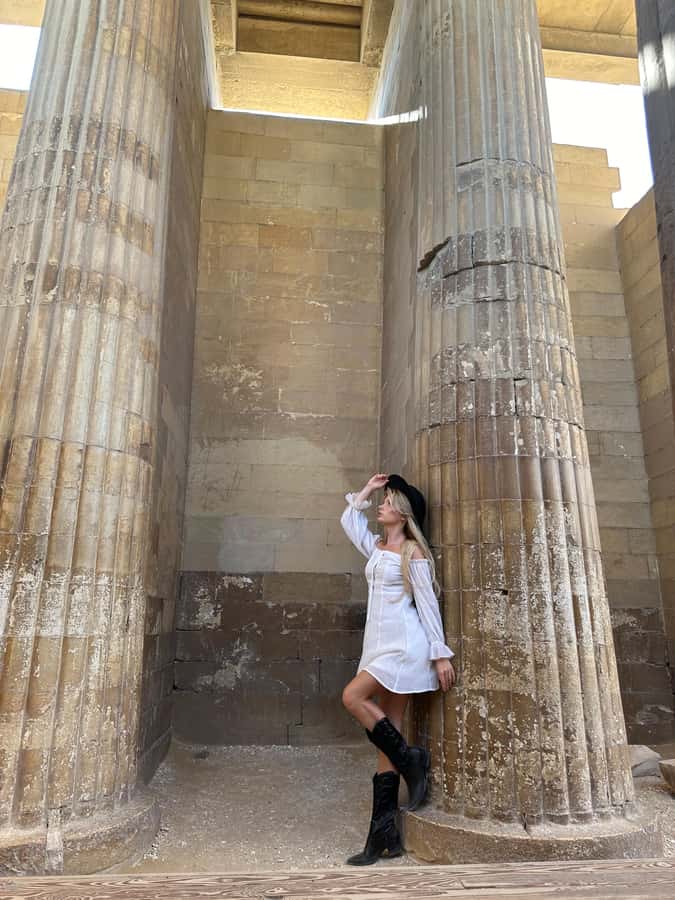
- Sakkara’s Step Pyramid is the core highlight, tied to the evolution of pyramid building.
- Mystikal Serapeum is included with its own entry fee, so you don’t have to sort anything out.
- Dahshur interior access may be narrow (based on what some visitors experienced), so claustrophobia matters.
Private Giza, Sakkara, Serapeum, Dahshur: how the logistics really work
If you only have one day, this is the kind of itinerary that makes sense. You start in Cairo with hotel pickup and drop-off, then you spend the day moving through the most famous pyramid areas without you dealing with tickets, routing, or finding your way between sites.
The tour runs as a private group and uses a private air-conditioned vehicle. Pickup is practical: you’re asked to wait about 10 minutes in the hotel lobby before your scheduled time, and the driver holds a sign with your last name. The driver won’t wait longer than 15 minutes after pickup time, so it’s worth being prompt—especially if you’re getting ready with kids or a group.
At $180 per person for a full day, the biggest value piece is that entry fees are included for Giza, Sakkara, Dahshur, and Mystikal Serapeum. You’re also paying for a professional Egyptologist guide to connect the dots across all these monuments, instead of hearing unrelated facts at each stop.
One small reality check: lunch isn’t included and beverages aren’t included either. That doesn’t ruin the day, but it does mean you should plan your food timing so you don’t end up stuck hungry during the longer stretches.
You can also read our reviews of more tours and experiences in Giza.

Giza Pyramids and the 9-pyramid panorama: Cheops, Chephren, and Mykerinos
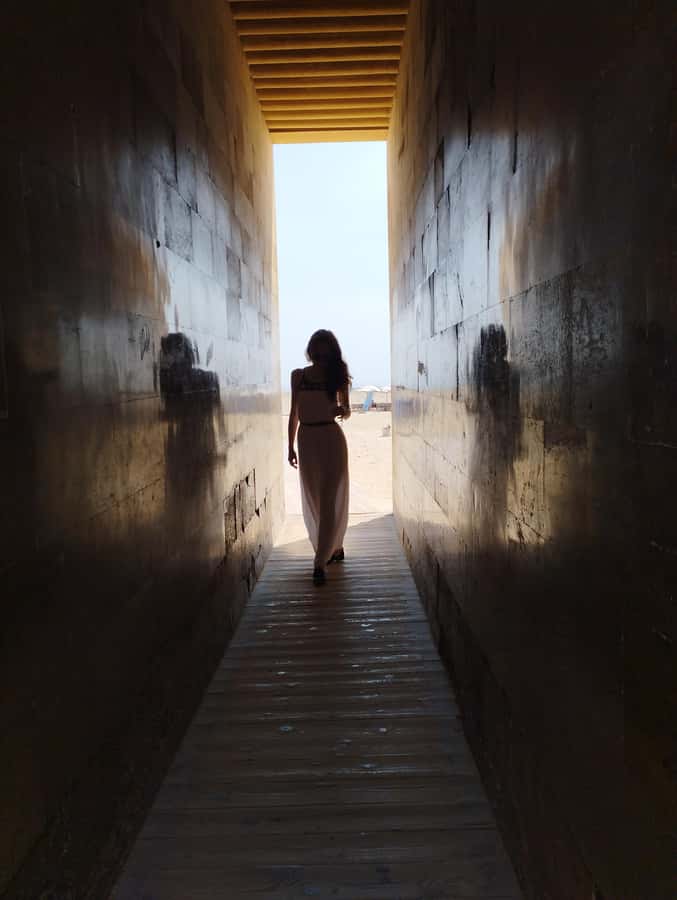
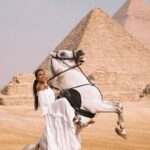
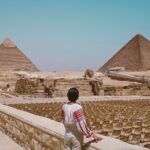
The day’s first big monument hit is the Pyramids of Giza, with guided time and free time mixed in. You’ll see the three named pyramids: Cheops, Chephren, and Mykerinos. The itinerary includes photo stops and guided sightseeing, plus about 3 hours here in total.
What makes this stop feel special is the chance for that “whole picture” perspective—there’s a panorama view of the 9 pyramids. It’s one thing to look at a pyramid up close; it’s another to take a step back and see how the site was laid out like a planned landscape of monuments, not isolated landmarks.
This is also where your guide’s job matters. With multiple pyramids and the Sphinx in the same region, it helps to understand what you’re looking at—how these structures relate to each other and why the area feels designed as a single monumental setting.
Practical tip: wear shoes you can walk in for hours. Even when the tour is well-organized, the ground isn’t always smooth, and you’ll do plenty of walking between viewpoints.
Sphinx time: close-up views and a photo that feels earned
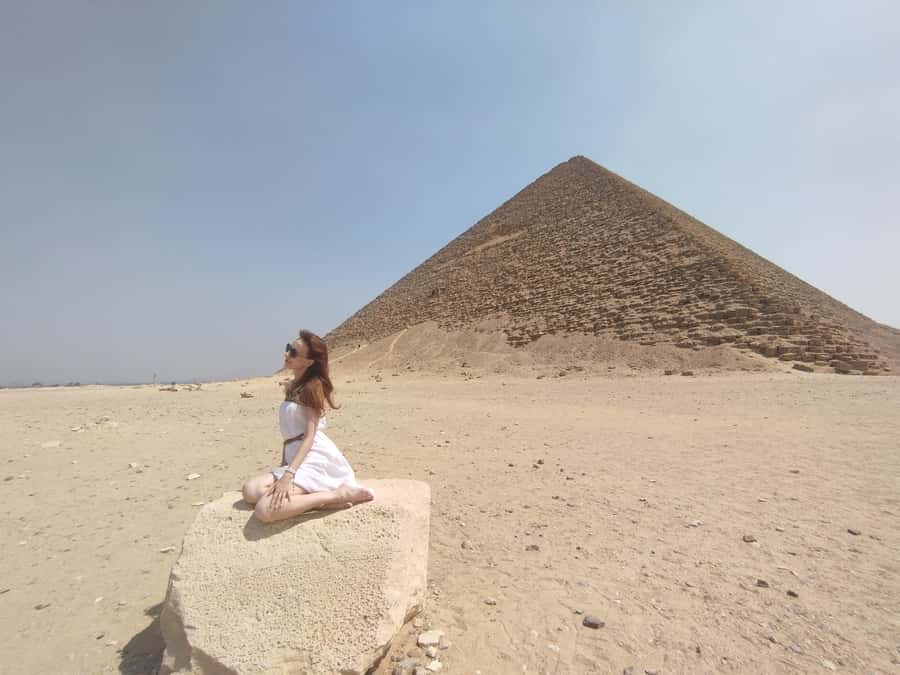
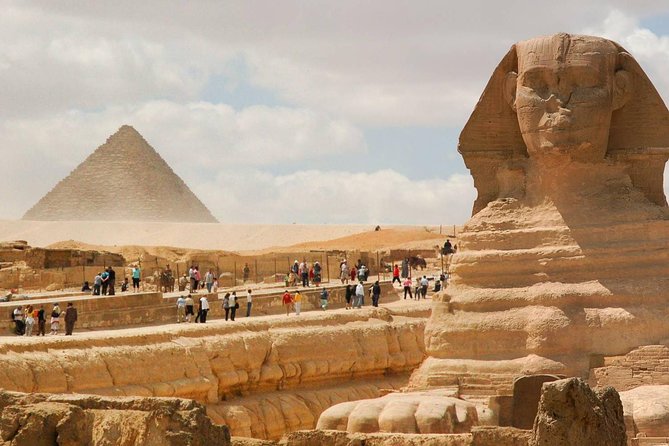
After Giza, you’ll head to the Sphinx for about 1 hour, again with guided time plus a bit of free time. The emphasis here is the close, memorable view—this is the part that visitors consistently call out as a highlight.
The tour frames the Sphinx as the legendary guardian with a lion’s body and the head of King Chephren, and you’ll get time for photos right by it. If you’re wondering when the best photo moment happens, this is generally where you’ll want to slow down and take a breath—because once you move on, you won’t get the same repeat chance.
Respect matters here. You’re in an active, high-visibility historic site, so stay aware of signage, follow your guide’s cues, and keep your camera pace friendly. It’s tempting to rush, but the Sphinx is one of those places where slowing down makes the experience feel bigger.
Sakkara monuments: Step Pyramid and the pyramid evolution story
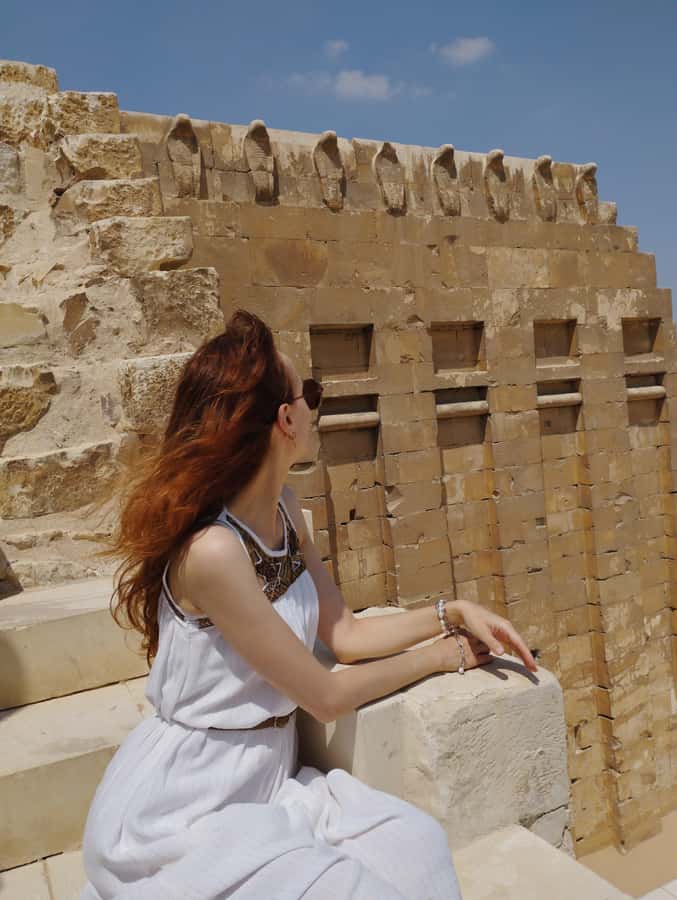
Next comes Sakkara, about 27 km from Cairo. Your time here is about 3 hours, built around guided explanation and a bit of independent wandering for photos and extra viewing.
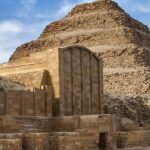
The core highlight is the Step Pyramid, built for King Zoser. The way this tour presents it matters: instead of treating it as just another pyramid photo stop, you’re encouraged to see it as part of the process of pyramid evolution. That “evolution” angle makes Sakkara feel like more than a detour—it becomes the logical companion to what you saw at Giza.
This is a good place for context. When you’ve already seen the polished, famous pyramid forms at Giza, the Step Pyramid lets you spot how the design thinking changed over time. With a guide in your ear, you’ll likely understand what you’re seeing in a more connected way.
Quick reality: the day is long. Sakkara is a prime spot to use your guided time well, then use free time to step back, regroup, and take in the bigger view without sprinting.
Mystikal Serapeum: included entry that adds variety to the pyramid focus
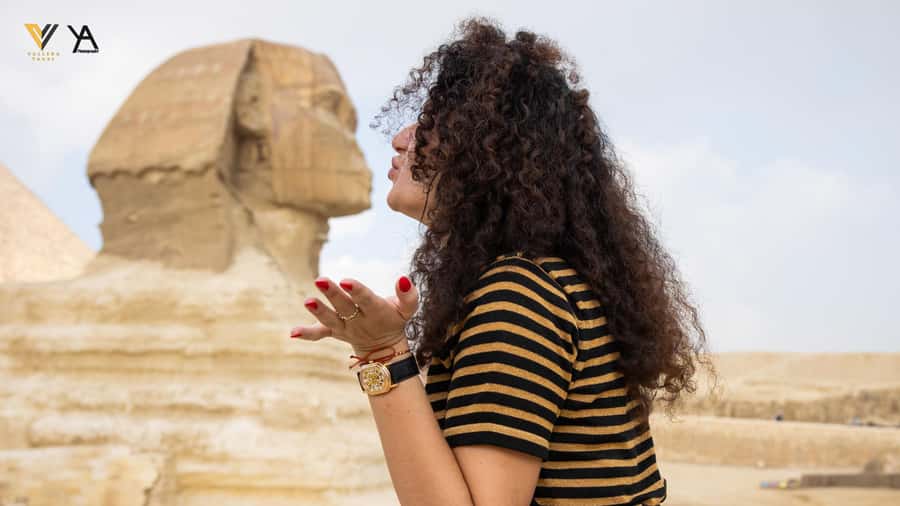
Between the big pyramid areas, the tour includes Mystikal Serapeum. You’ll “enter” it as part of the itinerary, with an included entry fee, and you’ll have guided support as you move through this different type of site.
This stop is valuable because it breaks the pattern. If the whole day were only pyramids and sphinx-style monuments, it would start to blend together. Mystikal Serapeum adds variety—another kind of historical experience that still fits the theme of ancient Egypt, without turning the day into a chaotic hopscotch of separate attractions.
The practical benefit is also real: having entry fees included means you can focus on walking and listening, not on payment lines or last-minute ticket hunting.
Dahshur Pyramids: Red and Bent, plus the comfort check for inside access
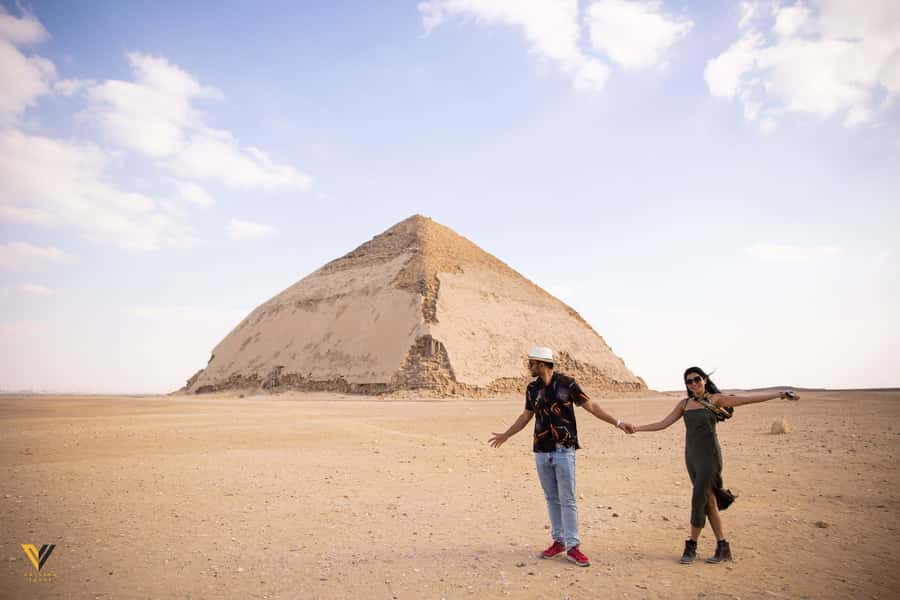
Dahshur is where the day adds extra personality. You’ll spend about 2.5 hours here with a guided visit, photo stop time, and free time for sightseeing and walking around.
The Dahshur experience often includes seeing the Red and Bent Pyramids, and those are popular because they feel like “still in progress” cousins to the classic Giza skyline. The setting gives that sense of what it might have looked like long ago—less like a theme-park viewpoint and more like a lived-in desert monument area.
One important consideration: for some visitors, Dahshur includes the chance to go inside a pyramid, and the interior can feel tight and long. If you don’t love narrow spaces or confined passages, think carefully before choosing any inside entry options that come up that day.
If you’re going with kids or anyone who’s anxious in small spaces, I’d make it clear to your guide what level of comfort you want. You can still enjoy the pyramids without forcing an interior experience.
How the day flows: timing, pacing, and where you’ll get breathing room
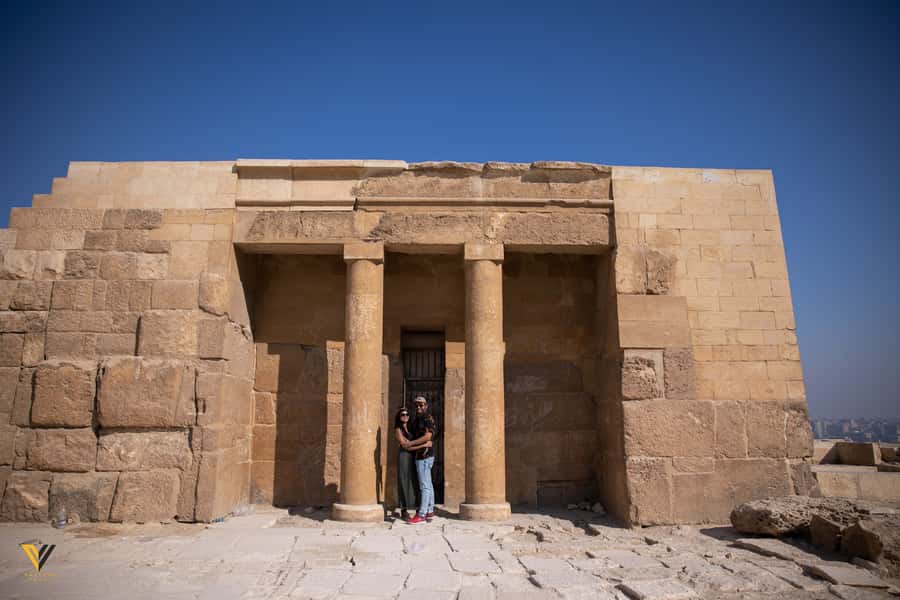
This is set up as a sequence of site blocks, each with a similar pattern: a guided component, a photo stop, and some free time. Your total scheduled site time includes:
- Dahshur (2.5 hours)
- Sakkara (3 hours)
- Giza area (3 hours)
- Sphinx (1 hour)
That’s the core of your day. The rest is the transit time between these locations plus setup and timing buffers. Because the itinerary is dense, the tour works best if you treat free time as “reset time,” not “one more thing sprint.”
My practical suggestion: plan your priorities in advance. If photos are your top goal, focus your free time where your guide points out the best angles. If you prefer understanding, lean into guided explanations and ask questions when you’re standing still, not while walking.
Also remember: it’s hot, sun-heavy, and walking-focused. Comfortable shoes are a must, and bringing the right ID matters. You’ll need your passport or ID card to get through site entry.
Egyptologist guides and private comfort: why the service style matters
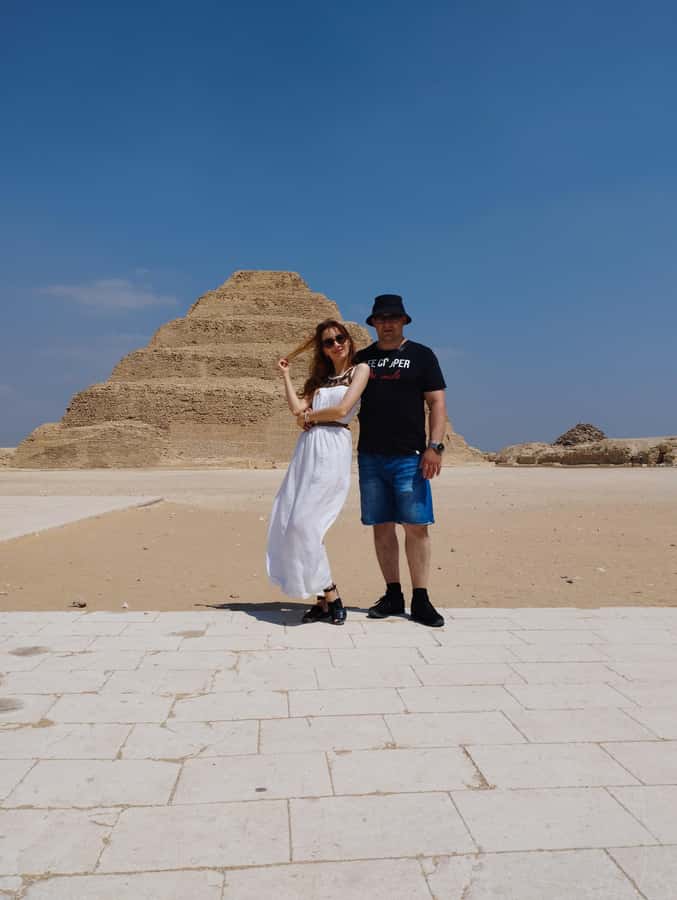
This tour isn’t just about hitting monuments; it’s about how you experience them. You get an expert tour guide (Egyptologist), and the tour is offered in multiple languages, including English plus Russian, German, French, Italian, Spanish, Arabic.
Private also changes the feel. When you’re not sharing the vehicle with lots of strangers, your day tends to move with more flexibility. People have specifically praised drivers for being attentive and guides for taking time to answer questions, which is exactly what you want in a place where every corner can become a conversation.
From past bookings, I’ve seen guide names come up such as Ines, and Mohammed gets mentioned for both guidance and driver partnership. Another name that shows up is Amina. The key takeaway for you: you’re likely to get a guide who explains the monuments clearly and sticks around long enough for your questions—not just a rush through each site.
What to bring and what to avoid at the sites
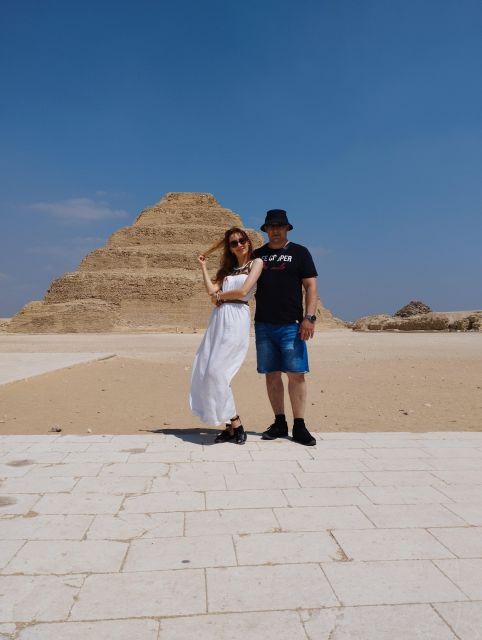
A smooth day starts with smart packing. You should bring:
- Passport or ID card
- Comfortable shoes
And keep in mind what’s not allowed:
- Pets
- Luggage or large bags
- Swimwear
- Bikes
- Alcohol and drugs
- Climbing
- Fireworks/explosive substances
- Alcoholic drinks in the vehicle
- Nudity
- Speakers
In practice, the big one is the bag rule. If you’re used to carrying a big daypack, you might need to rethink it. Pack light, keep essentials handy, and make sure you can move comfortably across uneven ground.
Price and value: is $180 per person worth it for one day?
For a one-day circuit, $180 per person can be a fair deal—especially because entry fees are included for all the major stops. You’re also paying for private transportation, a guided experience with an Egyptologist, and the logistics of getting you from Cairo to multiple monument clusters.
Where the value can feel weaker is the missing pieces that aren’t covered. Lunch isn’t included, and beverages aren’t included either. If you plan to buy food on the move, budget time and money for that, and try not to let hunger dictate your day.
Still, if you want to compress Giza, Sakkara, Serapeum, and Dahshur into one organized day without stress, this is the kind of structure that tends to feel worth it.
Who should book this tour (and who should think twice)
You’ll likely love this tour if:
- You want a one-day overview that still includes meaningful time at each site.
- You prefer a private vehicle and guided explanations rather than self-navigation.
- You care about seeing Sakkara’s Step Pyramid in context alongside Giza.
- You want Dahshur’s different pyramid feel, including the chance to view Red and Bent.
You might think twice if:
- You get uncomfortable in tight, long interior spaces (especially in Dahshur).
- You need lunch provided to keep your day manageable.
- You have issues with altitude sickness (this tour is marked not suitable for it).
- You’re not ready for a long day of walking and sun.
Should you book ValleraTours for Giza + Sakkara + Serapeum + Dahshur?
If you’re working with limited time in Cairo and you want the pyramid story told in a practical, guided route, this is a strong choice. The included entry fees, the private vehicle, and the way the day balances guided segments with free time all help you make the most of one day.
My recommendation comes down to your comfort level with a packed schedule and your preference for a day that blends famous monuments with a bit of variety. If you’re okay planning food on your own and you’re comfortable with possible inside access at Dahshur, this tour fits very well.
FAQ
How long is the tour?
It’s a 1-day tour with a full-day schedule that includes multiple monument stops from Cairo.
Where does the tour start and how does pickup work?
Pickup is from Cairo, and you’ll wait in your hotel lobby about 10 minutes before the scheduled pickup time. The driver will hold a sign with your last name, and they will wait no longer than 15 minutes after the pickup time.
What’s included in the price?
The tour includes hotel pickup and drop-off, transportation by a private air-conditioned vehicle, an Egyptologist guide, and entry fees for Giza Pyramids, Dahshur, Sakkara, and Mystikal Serapeum.
Is lunch included?
No. Lunch is not included, and beverages are not included either.
What languages is the live guide available in?
The live guide is available in English, Russian, German, French, Italian, Spanish, Arabic.
What should I bring?
Bring your passport or ID card and wear comfortable shoes.
Can I cancel for a refund?
The information provided states free cancellation up to 24 hours in advance for a full refund, but it also notes the tour is non-refundable. Please confirm the exact cancellation terms shown at the time you book.