REVIEW · CAIRO
Private Tour To Islamic Cairo and Khan El-Khalili Tourist Bazaar
Book on Viator →Operated by Egypt Tours World · Bookable on Viator
Islamic Cairo feels overwhelming fast. This private tour keeps it organized, with a licensed guide and a hotel-to-hotel pickup that saves you from dealing with Cairo chaos. I especially like how it targets the classic highlights—Islamic monuments around the old city, then Muizz Street and Khan El-Khalili—while still leaving room for what you care about, like photo stops and pacing.
Two more things I like: you get admission tickets included for the key sights, and you get that one-two punch of architecture and street life without spending your day negotiating directions. In feedback, guides like Hamada stand out for being flexible and shaping the route around interests, plus helping with traffic and timing so the day stays manageable.
One consideration: it’s still a walking tour. In a 4 to 6 hour window, you’ll want comfortable shoes and a steady pace, because Islamic Cairo is concentrated and the streets can feel crowded and warm.
In This Review
- Key points
- Why this Islamic Cairo route works so well with a private guide
- Getting there the easy way: pickup, Wi-Fi, and air-conditioned breaks
- Islamic Cairo and the Qalawun Complex: UNESCO sights with real meaning
- Sharia Al Mu’izz and Muizz Street: the open-air museum walk
- Bab al-Futuh and Bab Zuweila: reading Fatimid gates in both directions
- Sultan Al-Ghuri complex (Wekalet El Ghouri) and Bayt Al-Suhaymi: architecture that rewards patience
- Khan Al-Khalili: the bazaar finish you can plan around
- Price and logistics: what the $80 per person gets you
- How long is this, and how should you pace yourself?
- Who this private Islamic Cairo and Khan El-Khalili tour fits best
- Should you book this Islamic Cairo and Khan El-Khalili private tour?
- FAQ
- FAQ
- How long is the private tour to Islamic Cairo and Khan El-Khalili?
- What does the tour cost?
- Do I get picked up from my hotel?
- Is Wi-Fi and air-conditioning included?
- Are admission tickets included?
- Is lunch included?
- What stops are included in the route?
- Do you stop for a drink?
- Is this a private tour or a group tour?
- What is the cancellation policy?
Key points
- Private, licensed Egyptology-focused guide to help you connect the buildings to the story
- UNESCO Historic Cairo sights with tickets included for major stops
- Hotel pickup and modern transport with onboard Wi-Fi so transit is low-stress
- Muizz Street as an open-air museum walk, framed from Bab al-Futuh to Bab Zuweila
- Khan El-Khalili + El Fishawi non-alcoholic drink for a classic bazaar break
- Flexible departure times so you can fit Islamic Cairo into your schedule
Why this Islamic Cairo route works so well with a private guide
Islamic Cairo is one of those places where the best parts can also be the easiest to miss. The streets are old, the monuments are layered, and Cairo’s energy doesn’t stop just because you’re sightseeing. A private guide matters because they don’t just point—you get context. Instead of seeing random domes and arches, you start to understand what each area used to do, who built it, and why these spaces cluster where they do.
I also like that the guide helps with practical decisions. You’ll get cues on where to stand for photos and what to pay attention to as you move along. That’s a big deal on Muizz Street, where the visual details can be right at eye level… if you know where to look.
And because it’s private, you control the feel of the day more than you would on a big group tour. If you want slower time at a gate for photos, or a quicker pass when you’re ready to keep going, the pacing can be adjusted.
You can also read our reviews of more private tours in Cairo


Getting there the easy way: pickup, Wi-Fi, and air-conditioned breaks
Instead of juggling public transport, your day starts with pickup and ends with drop-off from hotels across Cairo. The tour uses an air-conditioned vehicle with onboard Wi-Fi. That’s not a luxury detail—it’s comfort and time. Heat and traffic are real in Cairo, and the “travel tax” adds up fast when you’re moving between sites.
Also, you get bottled, sealed mineral water. That sounds basic, but for walking days in Islamic Cairo, it’s one less thing to manage. Plus, the tour offers a mobile ticket, which cuts down on last-minute friction.
One small but important point: you’ll still do a walking route through dense areas. The vehicle helps you between sights and keeps the day coordinated, but it doesn’t turn the experience into a drive-by. Plan to walk comfortably.
Islamic Cairo and the Qalawun Complex: UNESCO sights with real meaning
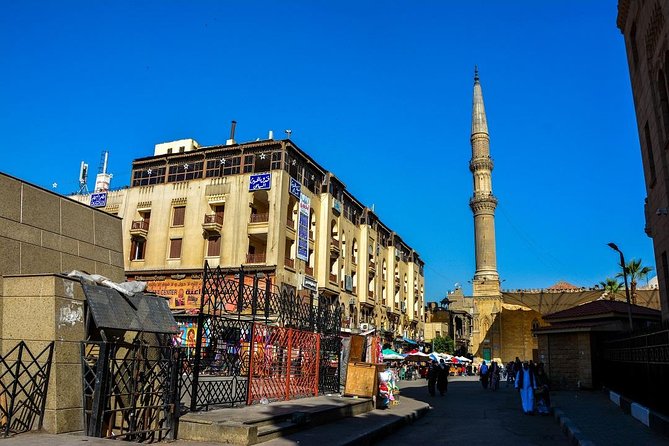
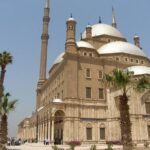
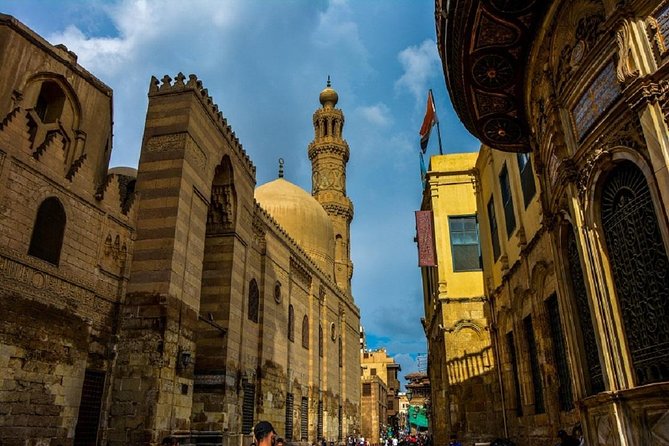
The tour centers on Islamic Cairo—the older walled-city area around the historic core, including the neighborhood around the Citadel. This part of Cairo is famous because it’s not just one monument; it’s hundreds of structures in close range: mosques, tombs, madrasas, caravanserais, hammams, and fountains. UNESCO named Historic Cairo a World Cultural Heritage site, highlighting how old and continuous this Islamic urban life is.
You’ll spend about 2 hours here, and this is where the 13th-century Qalawun Complex fits in. Qalawun is tied to the Mamluk era, and the guide can help you read it like a whole compound rather than “one building.” You’ll also be introduced to the 16th-century Bayt Al-Suhaymi, a boarding house that’s known for its architectural character—useful if you’re the kind of person who enjoys the smaller domestic side of historic Cairo, not just the big monuments.
Why this stop is valuable: it gives you a framework before you hit Muizz Street and the gates. Without that, it’s easy to wander and just collect sights. With the guide setting the stage, the rest of the route becomes more than a checklist.
Possible drawback here: Islamic Cairo is old-city dense. Even with a guide, you’ll feel the crowding and the narrow streets at times. If you’re sensitive to that, ask the guide for the best timing during the walk. Going at the right moment can make a big difference.
Sharia Al Mu’izz and Muizz Street: the open-air museum walk
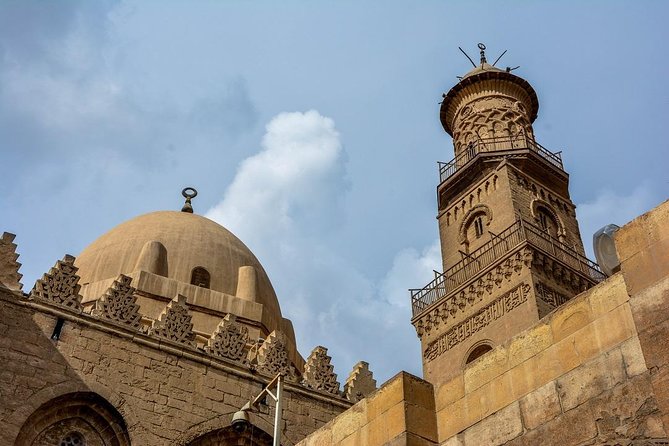
Muizz Street is the backbone of Islamic Cairo. It stretches roughly a kilometer, from Bab Al-Futuh in the north to Bab Zuweila in the south. The tour includes about 1 hour along this corridor, which is often described as an open-air museum. The idea is simple: centuries of medieval architecture sit close together, and from the right angles you can “read” the streets like a living timeline.
This street is named for Al-Mu’izz li-Din Allah, the fourth caliph of the Fatimid dynasty. If you catch the guide’s framing at the start, the street stops being a pretty walk and becomes a map of how power, trade, and religion shaped Cairo’s center.
Here’s what you’ll likely notice as you go:
- Building facades that show different eras and styles
- Details that repeat like patterns, not random decoration
- The way the street functions as a spine—moving you from gates to markets and back into the city’s heart
A good guide also points out photo angles before you end up behind a wall of heads. That’s one of the practical reasons these private tours can feel smoother than self-guided walking.
Bab al-Futuh and Bab Zuweila: reading Fatimid gates in both directions
Gates sound dramatic, but here they do real work. The tour includes both:
- Bab al-Futuh (about 30 minutes)
- Bab Zuweila (about 30 minutes)
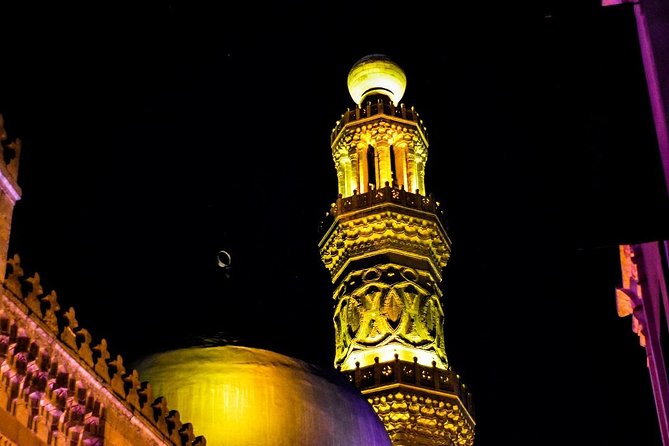
Bab al-Futuh is one of the remaining gates in the Old City walls, completed in 1087 and facing north. It sits at the northern end of Muizz Street. The fortification is linked to Badr al-Jamali, a commander/vizier connected to Fatimid leadership under Mustansir. The gate’s design includes rounded towers that were stronger defense than square towers elsewhere, with elements like arrow slits and even provisions for pouring boiling oil or burning oil on attackers.
Then you get Bab Zuweila from the other end of the story. It’s considered the last remaining southern gate from the Fatimid walls in the 11th and 12th centuries. The name combines Bab (door) with Zuwayla, tied to a tribe of Berber warriors from the Western Desert charged with guarding the gate.
Why seeing both matters: you’re not just ticking off two landmarks. You’re getting symmetry. You walk from one gate zone to the other through Muizz Street, so the city walls feel like a system instead of isolated monuments.
Practical tip: gates can be a strong photo moment, but they’re also busy. If you want cleaner shots, rely on your guide’s timing. On a private tour, you can often shift a few minutes and get a better view.
You can also read our reviews of more shopping tours in Cairo



Sultan Al-Ghuri complex (Wekalet El Ghouri) and Bayt Al-Suhaymi: architecture that rewards patience
One of the more satisfying parts of Islamic Cairo is when the buildings start making sense as a group. The tour includes the Sultan Al-Ghuri Complex (listed as Wekalet El Ghouri Arts Center) for about 30 minutes. This complex was built between 1503 and 1505 and includes multiple functions: a khanqah, mausoleum, sebil-kuttab, mosque, and madrasa.
The layout is especially interesting because it spans both sides of Al-Mu’izz Street. On one side you’ll find the congregational mosque-madrasa; on the other side you get the khanqah-mausoleum-sabil-kuttab arrangement. That means as you’re walking the street, you’re essentially moving alongside different pieces of the same historic institution.
Why this stop is great for value: you get concentrated architecture knowledge in a relatively short time. Admission ticket is included, and you’re not burning half a day searching for the right compound.
Where Bayt Al-Suhaymi fits: it’s part of the broader Islamic Cairo stop and adds a different mood—more residential and interior-focused compared with the big institutional feel of some complexes. If you like architecture that shows how people lived around historic power centers, Bayt Al-Suhaymi is a strong complement.
Khan Al-Khalili: the bazaar finish you can plan around
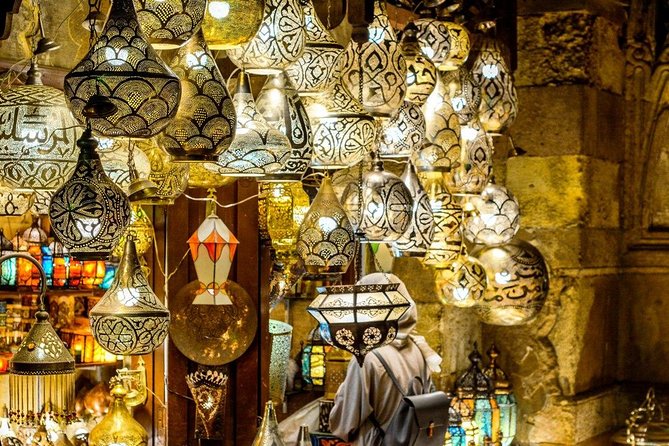
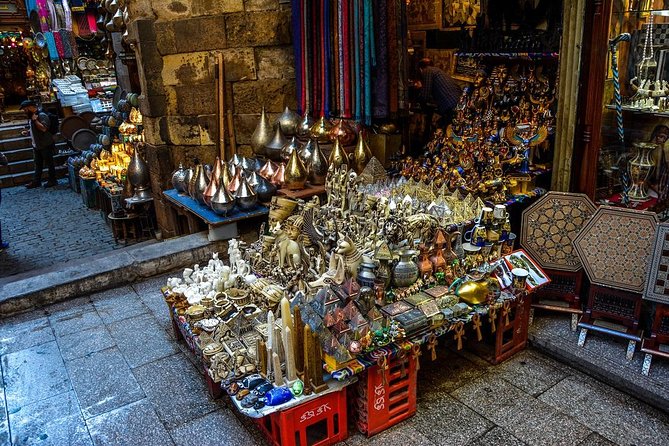
No visit to Islamic Cairo feels complete without Khan Al-Khalili. The tour includes about 30 minutes here. Khan El-Khalili is a major souk in the historic center that’s popular with tourists and locals. It’s busy, it’s noisy in the best way, and it’s the place where Cairo’s street culture hits your senses immediately.
This is also where you’ll get a non-alcoholic drink at the historic El Fishawi café. That matters because it gives you a breather at the moment you’re most tempted to keep walking through the crowds. It’s a practical reset: water or tea (non-alcoholic) can help you keep your energy for photos and browsing.
A note on mindset: Khan El-Khalili is not about shopping perfection. It’s about atmosphere and watching how the market works. If you come in thinking you’ll fight your way through for bargains, you’ll feel worn out fast. If you come in ready to wander, look, and learn what’s offered, the bazaar becomes part of the story of Islamic Cairo, not a distraction from it.
Price and logistics: what the $80 per person gets you
At $80 per person, this tour is priced like a true private experience: licensed guide, private transportation, air-conditioned comfort, and Wi-Fi onboard. On top of that, admission tickets are included for the major stops. For many visitors, that’s the biggest hidden value—the tickets and guide time can easily cost more when you try to assemble everything alone.
You’re also paying for stress reduction:
- Pickup and drop-off means less time lost to finding taxis or figuring out routes
- Wi-Fi and A/C help you handle Cairo’s travel rhythm without melting
- The route order makes sense: UNESCO-focused Islamic Cairo first, then Muizz Street, then gates, and finally the bazaar
One small cost you might plan for: lunch isn’t included. If you want it, you’ll choose from local Egyptian food spots based on your preferences, and you can keep it flexible to your appetite and energy.
Also, the tour offers group discounts, which can make it a more attractive option if you’re traveling with friends or family.
How long is this, and how should you pace yourself?
The tour runs about 4 to 6 hours. Most departures are possible across the day, which is useful because Islamic Cairo can be harsher at certain times. If you can choose, I’d pick a slot that keeps heat stress manageable and still gives you daylight for photos at the gates and street.
Bring:
- Comfortable walking shoes
- Sunscreen and a hat if you’re heat sensitive
- A water plan, even though bottled water is provided
Then pace it like a pro:
- Slow down at Muizz Street and the gates, because that’s where your photos and memories come from
- Use the El Fishawi café drink as your mid-to-late reset
- Don’t over-plan shopping time in Khan El-Khalili; treat it like a walk-through market moment
The best part of a private route is that you can take breaks without feeling like you’re falling behind the group.
Who this private Islamic Cairo and Khan El-Khalili tour fits best
This is a strong match if you want:
- A guided walk through UNESCO-listed Historic Cairo
- Clear explanations tied to the places, not just general sightseeing
- Less hassle getting around, with pickup and transportation included
It also works well for first-time visitors who don’t want to spend the day fighting the city’s logistics. If you enjoy architecture and city history, you’ll probably feel satisfied because the route is structured around the most meaningful Islamic Cairo landmarks.
If you’re traveling with people who get tired easily, the private setup helps. The vehicle reduces downtime compared to fully self-guided days.
Should you book this Islamic Cairo and Khan El-Khalili private tour?
If you’re choosing between DIY wandering and a guided route, I’d lean toward booking—especially if you value time, comfort, and smart sequencing. The hotel pickup, Wi-Fi, and included tickets are practical perks, not fluff. You’re also guided through Islamic Cairo’s most recognizable storyline: Muizz Street, the gates, then the bazaar finish with a breather at El Fishawi.
Skip it only if you truly prefer to wander without structure, don’t want to walk, or you’re mainly hunting shopping deals in Khan El-Khalili. This is an architecture and history-led route with a market stop, not a pure shopping spree.
FAQ
FAQ
How long is the private tour to Islamic Cairo and Khan El-Khalili?
The tour lasts about 4 to 6 hours, with time set aside for each stop along Islamic Cairo and the Khan Al-Khalili bazaar.
What does the tour cost?
The price is $80.00 per person.
Do I get picked up from my hotel?
Yes. Pickup and drop-off are offered from hotels across Cairo.
Is Wi-Fi and air-conditioning included?
Yes. The vehicle includes onboard Wi-Fi and air-conditioned comfort.
Are admission tickets included?
Admission tickets are included for the tour stops listed in the itinerary.
Is lunch included?
No. Lunch is not included, though you can choose local Egyptian food from restaurants based on your preferences.
What stops are included in the route?
The tour includes Islamic Cairo, Sharia Al Mu’izz Li-Din Allah (Muizz Street), Bab al-Futuh, Wekalet El Ghouri Arts Center (Sultan Al-Ghuri complex), Bab Zuweila, and Khan Al-Khalili.
Do you stop for a drink?
Yes. A non-alcoholic drink is included at the heritage El Fishawi café.
Is this a private tour or a group tour?
It’s a private tour. Only your group participates.
What is the cancellation policy?
Free cancellation is available up to 24 hours in advance for a full refund. If you cancel less than 24 hours before the start time, the amount paid is not refunded.