REVIEW · CAIRO
12-Night Private Tour: Amarna and El Minya with Cruise and Train
Book on Viator →Operated by Explore plus Holidays · Bookable on Viator
Akhenaten’s Egypt feels different. This tour connects Cairo’s big monuments to the weird, fascinating world of Tel el-Amarna, then rolls into Luxor and a full Nile cruise. I like how the route isn’t just a grab-bag of famous stops; it gives you time to understand a whole era, not only pose in front of it.
Two things I especially like: you get a dedicated private Egyptologist for the trip, and you spend serious time on the Akhenaten-related sites around Amarna and El Minya—an angle that many Egypt tours skip. One consideration: most entrance fees and several “choice” excursions are not included, so you’ll want to budget for tickets and optional add-ons as you go.
In This Review
- Key highlights at a glance
- Why this itinerary works: Akhenaten plus the Nile machine
- Cairo kickoff: airport meet-and-assist and immediate orientation
- Step Pyramids and the City of the Dead: Saqqara + Serapeum
- Dahshur and Memphis options: worth it, if you’re flexible
- Train to Minya for El Minya and Akhenaten’s inspiration
- Tuna el-Gebel: boundary stelae and tomb worlds en route to Luxor
- Luxor’s West Bank: nobles, Ramses II, and Medinat Habu
- Karnak and Luxor Temple at night: the East Bank glow
- Valley of the Kings, Hatshepsut at Deir el-Bahari, and Colossi of Memnon
- Edfu and Kom Ombo during the Nile cruise: temples while you’re moving
- Abu Simbel and Aswan’s trio: High Dam, Unfinished Obelisk, and Philae
- Sleeper train and Old Cairo: Hanging Church and Ben Ezra
- Value check: what you’re really paying for
- Should you book this Amarna and El Minya plan?
- FAQ
- Are pickup and airport help included?
- Is Wi‑Fi available on the Nile cruise?
- Are entrance fees included for monuments?
- Is Abu Simbel included, or is it optional?
- Is Tel el-Amarna part of the main route?
- Do guides go inside tombs with you?
- What train travel is included?
- Where do you stay in Cairo and Luxor?
- Can I cancel for a full refund?
Key highlights at a glance
- Akhenaten-focused Amarna and El Minya: Tel el-Amarna tomb areas and the inspiration story tied to the region
- Private Egyptologist guidance throughout, including named guides praised for Egyptology depth like Mr. Salah and Mr. Fathy Taher
- Nile cruise from Luxor to Aswan with guided temple days and overnight sailing time
- Iconic West Bank Luxor circuit (Valley of the Kings, Hatshepsut, colossi, plus nobles and Ramses sites)
- Mixed travel modes that reduce backtracking: private car + first-class trains + sleeper train
Why this itinerary works: Akhenaten plus the Nile machine
This is a long, well-layered trip: Cairo sights first, then the Amarna story, then Luxor and the Nile. That ordering matters because it builds context. You see the “Egypt you know” (pyramids, major temples), then you switch gears to a political and religious experiment led by Akhenaten. Later, you return to the grand temple scale of Luxor and the cruise route that funnels you through Edfu and Kom Ombo.
The private guidance is a big deal here. Egypt is full of impressive stone, but the meaning comes from someone who can connect the dates, royal motives, and temple functions. The tour also signals a practical reality: tomb interiors aren’t handled the same way as museum rooms. Guides explain key points outside first, then you get time for tomb entry (when you choose and when tickets allow).
Price-wise, $1,973.36 per person is not cheap, but it’s trying to pack in real value: Cairo stays, an Amarna-area hotel night (sometimes two), multiple nights on a deluxe Nile cruise, and train travel in between. The “catch” is that entrance fees are not included and several items are optional, so your final total will be higher than the base price.
You can also read our reviews of more boat tours in Cairo


Cairo kickoff: airport meet-and-assist and immediate orientation
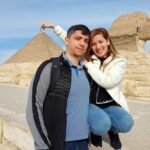
Day 1 is built for calm. You land at Cairo International Airport and a representative meets you to help with formalities. Same day or next day, you meet your Egyptologist guide to go over your tour details and answer questions. The tone matters: this tour promises a friend-like welcome and that your guide will help you understand what’s coming and how to handle it.
Practically, this is the moment to do two things:
- Confirm what’s included versus optional (tickets, specific excursions).
- Ask your guide about pacing. This trip moves fast, and a little planning early makes the later days feel less like a sprint.
If you’re the type who gets overwhelmed by big itineraries, Day 1 support helps you start with your bearings.
Step Pyramids and the City of the Dead: Saqqara + Serapeum
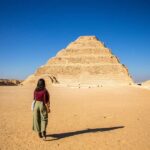
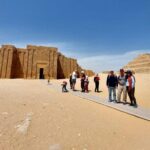
Cairo Day 2 is a classic upgrade from the Giza bubble. You drive in a private A.C. car to Saqqara to see the Step Pyramid of Zoser, built in the 3rd Dynasty. It’s described as the world’s oldest major stone structure, which gives this stop a “first chapter” feeling. You’re not only seeing a tomb complex; you’re watching Egyptian architecture start to harden into stone permanence.
Then you hit the Serapeum, known for the Apis bull burials. It’s a different kind of ancient Egypt topic: less about pharaohs and more about sacred animals, worship, and mummified ritual practice. If you like variety, this is one of the more surprising stops on the Cairo leg.
After that, there are optional add-ons:
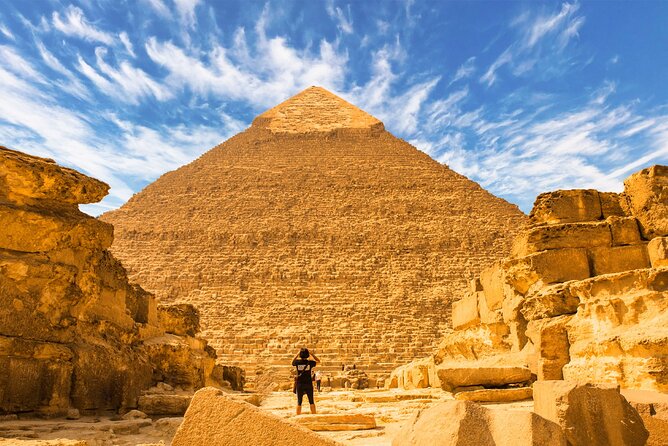
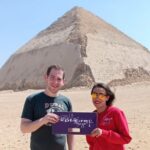
- Dahshur for the newly reopened Bent and Red Pyramids, plus queens and nobility tomb complexes.
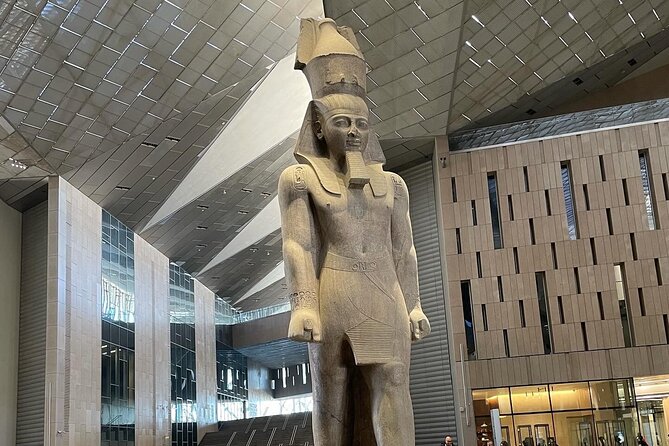
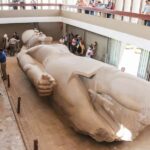
- Memphis and the Statue of Ramses II (and the Alabaster Sphinx of Memphis).
Drawback to consider: you’ll spend a full day in transit and walking. You can still enjoy it, but bring a realistic attitude. If you want “one big thing per day,” Saqqara can feel like a full menu.
Dahshur and Memphis options: worth it, if you’re flexible
The itinerary flags Dahshur and Memphis as optional-style choices. That matters because it gives you a lever. If you’re pyramid-obsessed, Dahshur is the kind of site that rewards curiosity: Bent and Red Pyramids, plus additional tomb complexes. If you’d rather conserve energy for Luxor and the cruise, you can treat these as “nice extras.”
Memphis and the Ramses II statue add another layer: it connects the Old Kingdom idea of Memphis as a rule and culture center for thousands of years. You’re basically seeing how power centers shifted, not just how monuments look.
Train to Minya for El Minya and Akhenaten’s inspiration
Day 3 switches modes. After breakfast, you transfer to Giza railway station for first-class train to Minya. You arrive around late morning, meet your guide, and head into the El Minya / Amarna connection.
There are two key components:
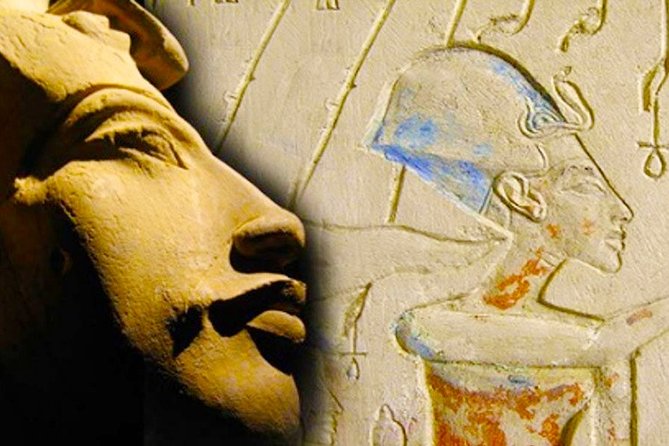
1) A stop connected to the idea that Akhenaten drew inspiration to build his city there. Even though that’s presented as a story rather than a single “one-room proof,” it’s still a valuable framing. It helps you understand why the region matters to the Amarna project.
2) Tell el-Amarna, the heart of the Akhenaten world. The new capital is described as largely destroyed because supporters of the old god cult refused the new worship of Aten. The real payoff here is the tomb areas:
- Northern Tombs: Ahmose tomb, Huya tomb, Mery-Re I tomb
- Southern Tombs: tomb of Ay and tomb of Mahu
This is where the tour’s “don’t just rush famous sites” promise starts to feel real. Akhenaten’s story isn’t only in kings and temples; it shows up in people’s burial spaces and how the city functioned.
One practical note: the lunch in El Minya is on your own, so don’t plan on it being included there.
You can also read our reviews of more private tours in Cairo



Tuna el-Gebel: boundary stelae and tomb worlds en route to Luxor
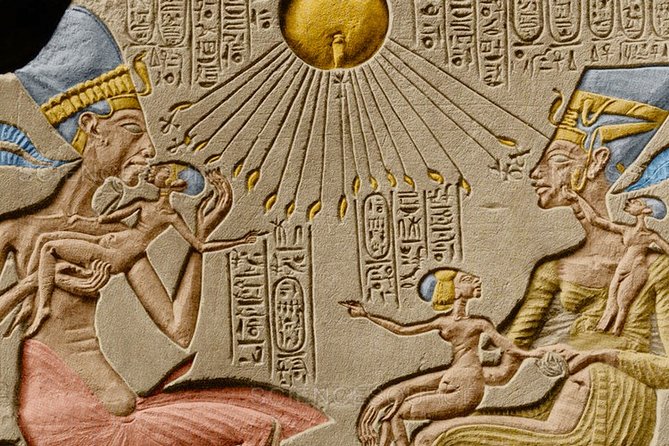
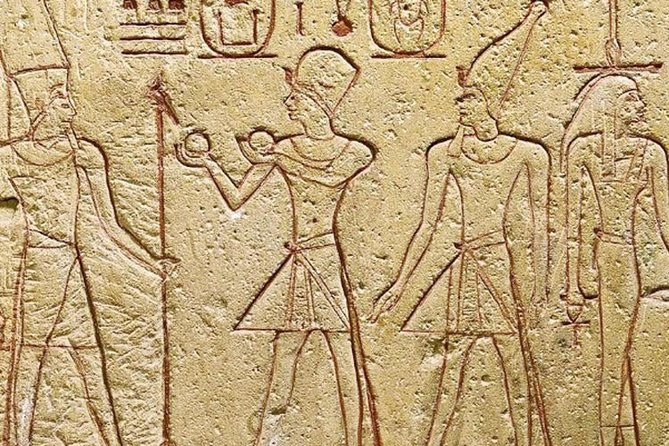
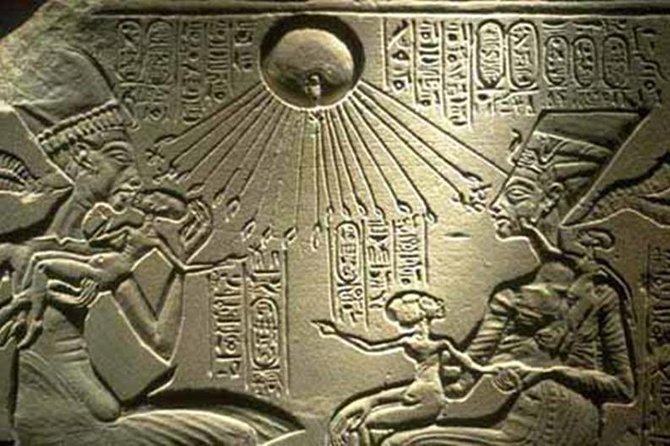
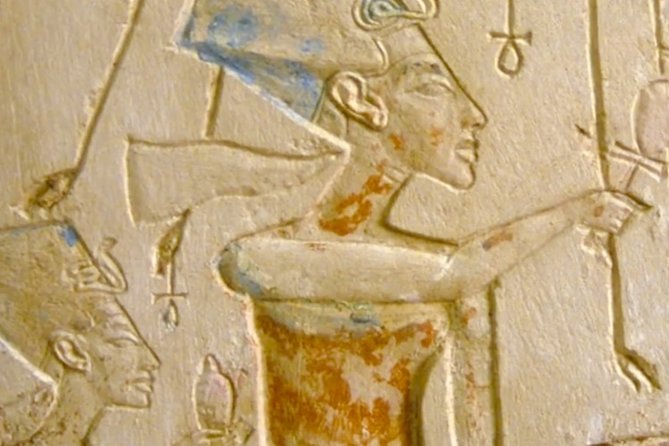
Day 4 drives you to Tuna el-Gebel. You explore the Boundary Stelae of Akhenaten, where Akhenaten and his wife are shown worshipping Aten. That kind of scene is exactly why this tour feels different from the standard Nile cruise pattern. It’s not only about temples—it’s about religion and royal messaging.
You also see ancient tomb areas and the ruins connected to Hermopolis, including the tomb of Petosiris and the Ibis catacombs. Then you move on: you transfer to the railway station for the train to Luxor and arrive in the evening.
This is an efficient day. The tradeoff is fatigue: drive, site time, then train. If you’re sensitive to long travel days, keep your hydration and snacks simple, and plan an early night when you reach Luxor.
Luxor’s West Bank: nobles, Ramses II, and Medinat Habu
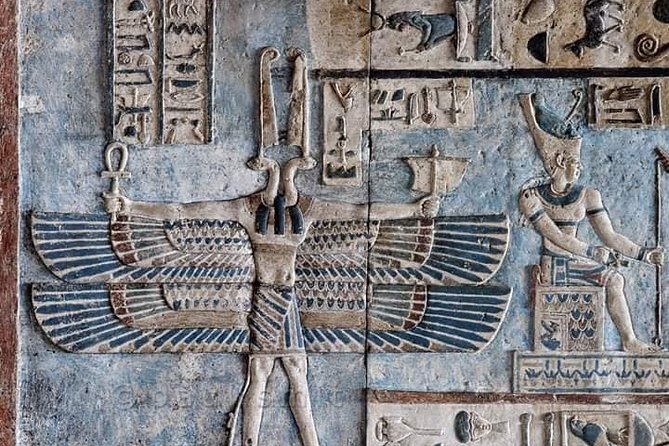
Day 5 is a West Bank temple-and-tombs day, guided and paced. You start with the Valley of the Nobles, where noble tombs show daily life scenes and funerary beliefs. The tour describes them as dating mostly to the Golden Age of Thebes during the New Kingdom (1550–1080 BC). You get tomb art that’s less about battle propaganda and more about how people imagined afterlife routines.
Next is the Ramesseum, Ramses II’s memorial/mortuary temple. It’s known for a seated statue described as 19 meters high and weighing more than 1000 tons (with only fragments remaining today). You also get scenes tied to the Battle of Kadesh and other Syrian wars, plus festival reliefs.
Then you finish at Temple of Medinat Habu, presented as the best-preserved New Kingdom memorial temple, decorated with military scenes and texts. You get a shorter stop here, but the point is variety across major Ramses-era monuments.
Final move: you’re transferred back to your Nile Cruise.
Value tip: West Bank days can blur together if you don’t pay attention. Let your Egyptologist guide hook you into a theme for the morning (nobles vs. royal propaganda vs. memorial temple) so you remember the differences.
Karnak and Luxor Temple at night: the East Bank glow
Day 6 centers on the East Bank.
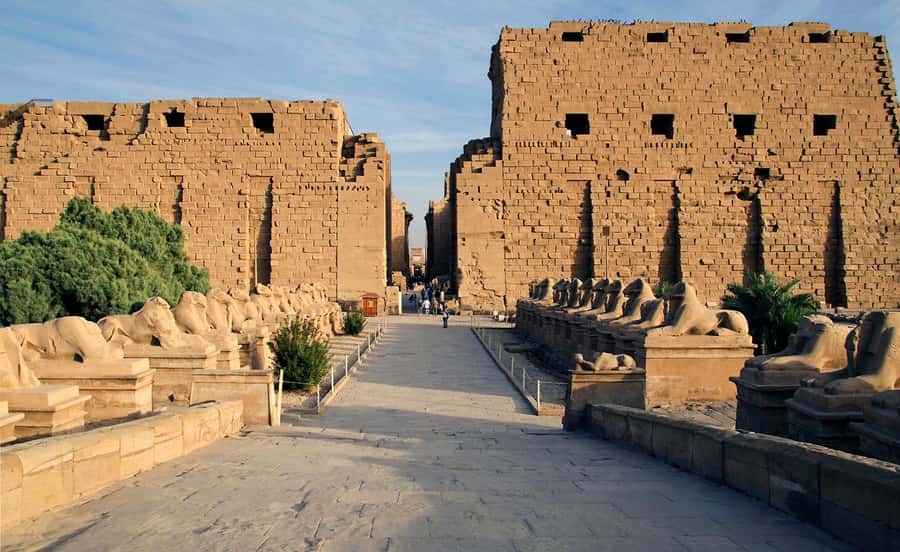
Karnak Temple is offered as an optional excursion. It’s described as the largest temple complex in the world, made of many temples including the Great Temple of Amon Ra and the Temple of Khonso. With a private guide, you can focus on what to look for rather than trying to “do everything” in a chaotic self-guided loop.
Then you have Luxor Temple by night. The tour highlights it as an especially terrific sightseeing option and suggests nighttime works best, including the sphinx row that makes it feel cinematic.
Practical angle: night temple visits often feel cooler and less harsh than mid-day sun. Still, it’s Egypt, so bring a light layer even in warmer months.
After this, you return to the cruise ship for overnight.
One “ship reality” item: the tour notes that Wi‑Fi isn’t available on the ship. TV shows might not work well due to signal issues, so plan to go analog: reading, photos, or just resting.
Valley of the Kings, Hatshepsut at Deir el-Bahari, and Colossi of Memnon
Day 7 continues the West Bank approach, but with bigger-name hits.
You visit the Valley of the Kings, described as hiding tombs for nearly 70 pharaohs. The tour calls out the major tombs, including Ramses III and Tutankhamun. Your experience here will depend on tickets, season timing, and how many tomb interiors you actually choose to enter.
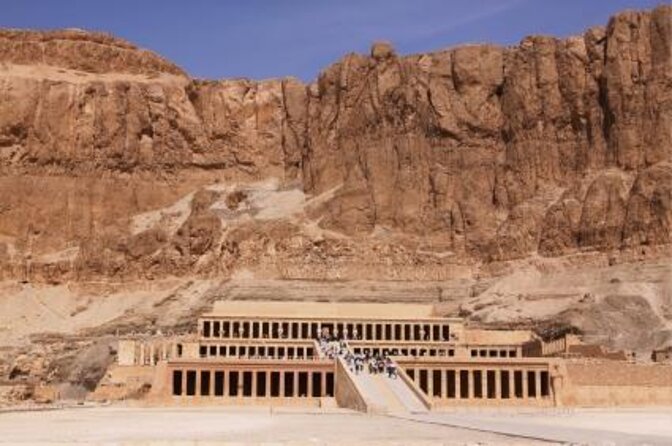
Then comes Temple of Hatshepsut at Deir el Bahari. The itinerary emphasizes Hatshepsut as the only female pharaoh in Egyptian history and places the temple in the 18th Dynasty. This site is popular for a reason: it’s dramatic architecture built for a political message about authority and legitimacy.
You wrap the day with the Colossi of Memnon, two gigantic statues. They’re described as towering 59 feet, and they’re usually the first thing you see when crossing from the East Bank via ferry.
Tomb guidance detail you should know: the tour states guides aren’t allowed inside the tombs. They explain history outside, then you get free time in the tomb interiors. That’s normal for Egypt tomb visiting, but it’s good to go in expecting that your guide may not be walking every step of the interior.
Edfu and Kom Ombo during the Nile cruise: temples while you’re moving
Day 8 is the cruise “temple days in transit” rhythm. In the early morning you sail towards Edfu, then take a ride (described as a horse carriage) to the temple. You visit Edfu Temple, tied to the cult of a triad of gods: Horus of Behdet and Hathor are mentioned, along with the wider triad concept.
Then you sail to Kom Ombo, where you visit the double temple built in the Ptolemaic period, with later Roman additions. It’s dedicated to the crocodile god Sobek and Hathor. This temple pairing is a great example of why cruise travel works: you get time to see multiple major temples without constant long road transfers.
After the tour, you walk back to the cruise and overnight on board.
Abu Simbel and Aswan’s trio: High Dam, Unfinished Obelisk, and Philae
Day 9 is Abu Simbel time. It’s marked as an optional excursion, and the itinerary describes it as Egypt’s best, largest, and most impressive temples for Ramses II. You’ll see two majestic temples, one dedicated to Ramses II. The text mentions the “Sun Festival” and ties the setting to Ramses II’s birthdays/coronation days.
If you’re making the call between Abu Simbel and something else, my practical advice is simple: Abu Simbel is a once-per-trip experience. Skip it only if you’re temple-weary or your budget is tight for optional fees and tickets.
Day 10 stays in Aswan:
- High Dam: a modern achievement constructed with UNESCO financial support to protect monuments from Nile flooding risk.
- Unfinished Obelisk: described as the largest obelisk ever built by a man, and tied to Queen Hatshepsut.
- Temple of Philae: an optional excursion dedicated to Isis, with rites described as honoring the Divine Feminine.
This day mixes “modern engineering” and “ancient ritual space.” That contrast is useful. Egypt isn’t only ruins; it’s also how later generations shaped what survived.
Optional note: Philae is labeled optional, so confirm before you commit your time.
Sleeper train and Old Cairo: Hanging Church and Ben Ezra
In the afternoon of Day 10, you board a sleeper train to Cairo at around 6:00 pm (with an option to upgrade back to Cairo by flight with a supplement). Morning Day 11 is Old Cairo, guided and structured.
You visit:
- The Hanging Church, described as about 1,700 years old, an ancient church with long-standing prestige.
- Synagogue Ben Ezra, described as dating from the 9th century AD and identified as the oldest Jewish temple in Cairo.
Then you transfer to your hotel, check in, and overnight.
This part of the trip is surprisingly good for travelers who only expect pyramids and tombs. You get layers: Christian and Jewish heritage sitting in the same city that built the monuments we usually talk about.
Day 12 is a free day. Your guide advises optional excursions, but the day is yours to breathe, shop, or simply rest after the cruise and long travel.
Value check: what you’re really paying for
Let’s talk value in plain terms.
Your base price includes:
- 4 nights in Cairo on bed and breakfast
- Hotel options in Cairo and an Amarna-area stay (1 night on BB, sometimes 2)
- 2 nights in Luxor on bed and breakfast at Aracan Eatape Luxor (as listed)
- 4 nights on a deluxe Nile cruise on full board (FB)
- 1 night sleeper train to Cairo
- A private Egyptologist for the whole trip
- Private tours in Cairo and on the cruise, with guided sailing days
Not included:
- Entry visa, and all entrance fees
- Gratuities
- Wi‑Fi on the ship
- Several optional excursions (Dahshur, Karnak East Bank, Abu Simbel, Philae)
So the value math is mostly about how much you trust the guide and the included travel structure. If you want a stress-free route with minimal self-planning and you’re willing to handle entrance fees and options, this package can feel fair. If you hate added costs and prefer all-in pricing, you’ll want to plan for ticket day-by-day.
Also, since hotel categories are split into “superior” and “budget” options depending on booking, check which class you’re actually assigned. That can affect comfort more than you might expect on a trip with lots of early starts.
Should you book this Amarna and El Minya plan?
I’d book it if you want:
- Akhenaten depth (Amarna and El Minya are the heart of the “special” here)
- A guided experience where the meaning of sites matters
- The classic Nile cruise route (Luxor to Aswan) done with temple days built in
I might skip or rework it if:
- You only want the single most famous monuments and don’t care about religious/political context
- You’re not comfortable with extra optional fees and entrances being separate from the base price
- You dislike long travel blocks (private car + trains + sailing + sleeper train adds up)
If you do book: ask for the visit strategy you prefer (how many tomb interiors you want, which optional excursions fit your energy and budget). This tour runs best when you steer it a bit instead of treating it like a nonstop checklist.
FAQ
Are pickup and airport help included?
Yes. A representative meets and assists you at Cairo International Airport. The itinerary also includes transfers and hotel pickup for several days (for example, Saqqara from your Cairo hotel and Luxor hotel pickup for West Bank sightseeing).
Is Wi‑Fi available on the Nile cruise?
No. Wi‑Fi is not available on the ship, and TV may not work reliably due to weak signal.
Are entrance fees included for monuments?
No. All entrance fees are listed as not included. The itinerary includes “admission ticket not included” notes at multiple stops.
Is Abu Simbel included, or is it optional?
Abu Simbel is optional in the itinerary. You have a choice to take the excursion.
Is Tel el-Amarna part of the main route?
Yes. Tell el-Amarna is included as a scheduled stop with time in both the Northern Tombs and Southern Tombs areas.
Do guides go inside tombs with you?
No. The tour states guides are not allowed inside the tombs. They explain the history outside, and inside is free time.
What train travel is included?
You take a first-class seat train from Giza/Cairo to Minya. Later, you transfer to Luxor by train, and then you board a sleeper train back to Cairo in the evening. There’s also an option to upgrade your return by flight with a supplement.
Where do you stay in Cairo and Luxor?
In Cairo you’re listed as having 4 nights on bed and breakfast, with specific example hotels given (and alternatives by budget). In Luxor you have 2 nights at Aracan Eatape Luxor on bed and breakfast.
Can I cancel for a full refund?
Yes. Free cancellation is available if you cancel at least 24 hours before the experience’s start time for a full refund. If you cancel less than 24 hours before, the amount paid is not refunded.