REVIEW · LUXOR
Luxor: 2-Day All-Inclusive Highlights Tour & Tut’s Tomb
Book on GetYourGuide →Operated by Nice Tours · Bookable on GetYourGuide
Two days, one bucket-list tomb. This private guided Luxor highlights tour strings together the East and West Bank hits, with Tutankhamun’s tomb included in the schedule so you’re not piecing tickets together. It’s the kind of plan that helps you see the big names without losing hours to logistics.
I love the West Bank sweep on Day 1: the Valley of the Kings stops (including Tut), Hatshepsut’s Mortuary Temple with its dramatic terraces, and the Colossi of Memnon area tied to Amenhotep III. You’ll also like how the temples on Day 2 get explained in clear terms, including Karnak’s connection to Amun, Mut, and Khonsu, before you head to Luxor Temple.
One consideration: this is a dense two-day itinerary. If you’re the type who wants long, quiet time in museums or slow walking around walls and chapels, you may feel the pace a bit.
In This Review
- Key things to know before you go
- Day 1 West Bank: Tut’s tomb, Hatshepsut’s terraces, and the Colossi of Memnon
- Valley of the Kings: three tombs, one unforgettable target
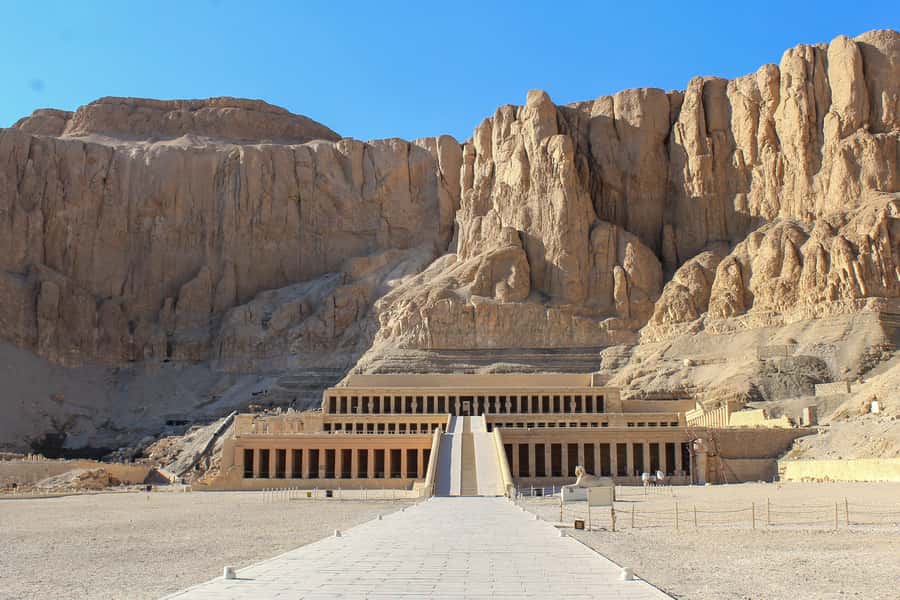
- Hatshepsut’s Mortuary Temple: Deir el-Bahari and three massive terraces
- Colossi of Memnon: Amenhotep III’s legacy in front of you
- Lunch and back to your hotel
- Day 2 East Bank: Karnak’s worship centers and Luxor Temple’s royal storyline
- Karnak Temple: Amun, Mut, Khonsu, and why the layout matters
- Luxor Temple: Amenhotep III to Ramses II in one walk
- Luxor Museum: royal mummies and what to do with your time
- Skip-the-line tickets and private pacing: what that actually changes
- Price and logistics: why $210 can be a good deal (and when it’s not)
- Egyptologist-style guiding: what you’ll want from your guide
- Who this tour suits best
- Should you book this Luxor highlights tour?
- FAQ
- How long is the Luxor 2-day highlights tour?
- What is the price per person?
- What does the tour include?
- Is Tutankhamun’s tomb included?
- Is ticket-line time reduced?
- Is this a private group tour?
- What languages are available for the guide?
- Is pickup included in the West Bank?
- What is the cancellation window?
Key things to know before you go
- Tutankhamun’s tomb entry is included, so you can focus on the visit instead of ticket logistics
- West Bank Day 1 hits three Valley of the Kings tombs, plus Hatshepsut and the Colossi of Memnon area
- Karnak is guided with the Theban triad in mind (Amun, Mut, Khonsu, and Mut), not just random columns
- Air-conditioned private transport keeps the day moving in the Luxor heat
- Luxor Museum is included, but it may not match everyone’s interests
Day 1 West Bank: Tut’s tomb, Hatshepsut’s terraces, and the Colossi of Memnon
Your two days start with hotel pickup in Luxor and a transfer out to the West Bank. This is where Luxor’s ancient story often feels most vivid—because tombs and temples are literally built into the desert edge.
A few more Luxor tours and experiences worth a look

Valley of the Kings: three tombs, one unforgettable target
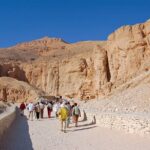
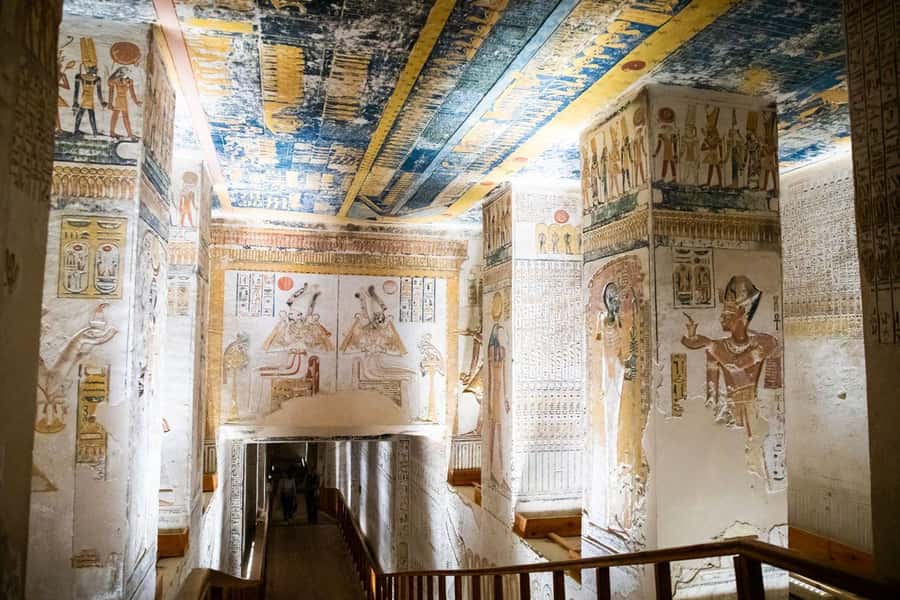
The first major stop is the Valley of the Kings (also called the Valley of the Gates of the Kings). Your plan includes three tombs here, with Tutankhamun’s tomb being the headline.
Even if you’ve seen photos, the visit still works best when someone frames what you’re looking at. A good guide will help you notice how tombs were designed for meaning, not just decoration—so the chambers feel intentional rather than random corridors. In the schedule, Tut’s tomb gets attention because it’s famous worldwide for its treasures. That matters, because it encourages you to look past the hype and understand why this tomb became such a focal point.
A practical note: tomb visits tend to feel faster than you’d expect because you’re going to limited spaces. So if you want to take photos or read details carefully, plan to slow yourself down on the way between tombs—not inside the most crowded moments.
Hatshepsut’s Mortuary Temple: Deir el-Bahari and three massive terraces
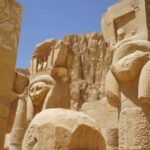
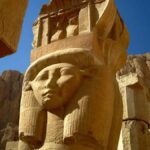
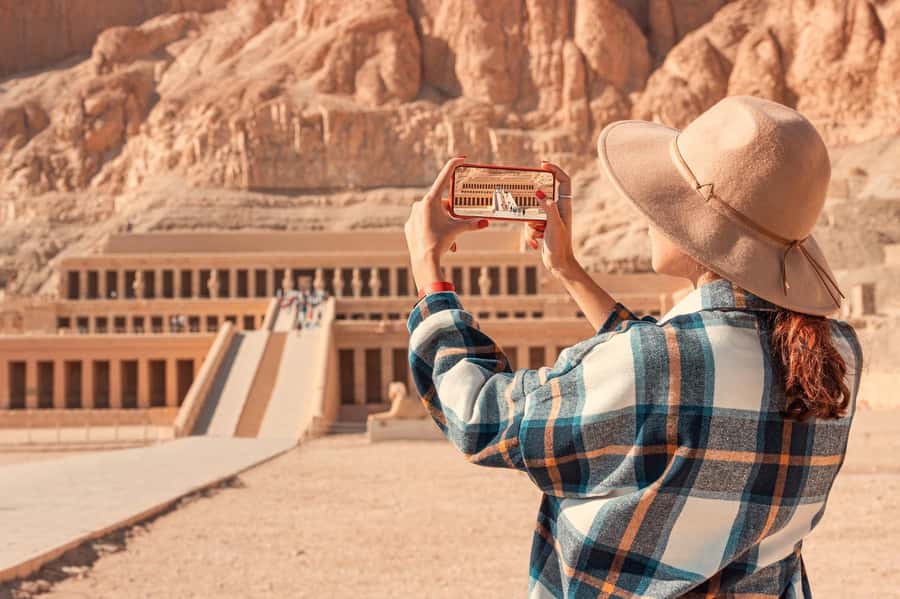
Next you head to the Mortuary Temple of Queen Hatshepsut, located in the Deir el-Bahari area. This stop is considered a masterpiece of ancient architecture, and your route sets you up to see why quickly: you arrive in time to appreciate the scale of the terraces rising up from the desert floor.
When this temple is explained well, it’s not just about beautiful stone. You learn how architecture, power, and religious beliefs were linked. The terraces are like a visual timeline—you can feel the vertical “story” as you move.
Drawback-wise, it’s also one of those places where heat and sun can wear you down. Wear something light and take water seriously, because you’ll be moving through open areas as well as shaded sections.
Colossi of Memnon: Amenhotep III’s legacy in front of you
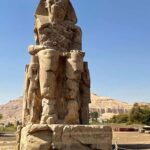
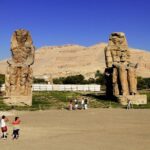
After Hatshepsut, the itinerary moves to the Colossi of Memnon. This is where you’ll see the mortuary temple associated with Amenhotep III.
The Colossi are famous for a reason: even at a distance, they signal the sheer ambition of New Kingdom building projects. If your guide connects them to Amenhotep III’s mortuary plans, the stop feels less like a photo moment and more like a chapter in Luxor’s timeline.
Lunch and back to your hotel
Lunch is included on Day 1 at a local restaurant. After three key sites plus travel and guided time, that lunch break is more than a perk—it’s what keeps the second half of the day comfortable instead of frantic.
Then you’re transferred back to your hotel, letting you reset for Day 2 instead of trying to tack on more sights that night.


Day 2 East Bank: Karnak’s worship centers and Luxor Temple’s royal storyline
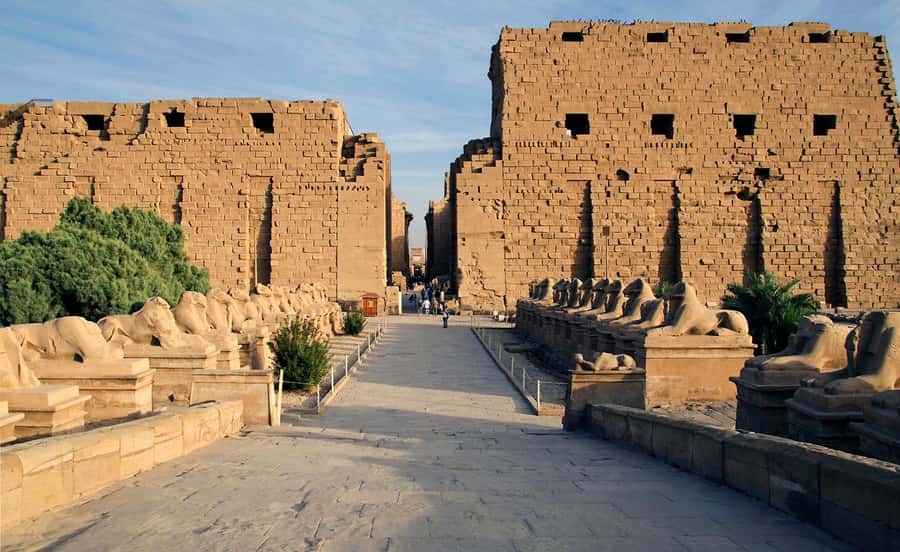
Day 2 starts again with pickup in Luxor, and this time you move to the temples on the East Bank—where stone sanctuaries feel more like a living museum of religious and political power.
Karnak Temple: Amun, Mut, Khonsu, and why the layout matters
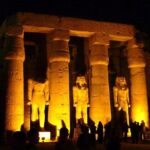
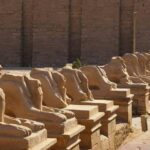
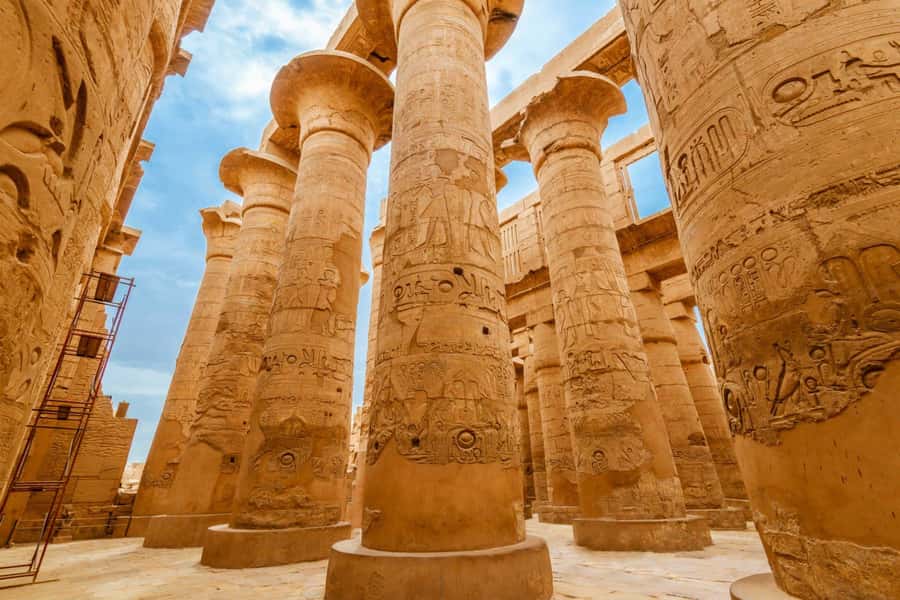
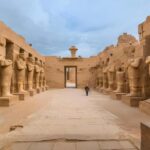
Your first big stop on Day 2 is Karnak Temple, often described as one of the greatest examples of worship in history. Here’s what makes it work on a guided tour: it’s easy to get lost in scale, but your guide frames the purpose.
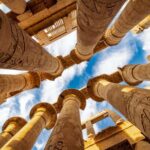
Karnak in this itinerary is presented as a complex dedicated to Amun, Mut, and Khonsu—the Theban triad. When that concept is made clear, you start noticing patterns. You’re not just looking at “more columns,” you’re seeing how space and symbolism were organized around belief.
This is also one of the best places to bring your curiosity. If you listen, you’ll understand why different sections feel different—because the temple grew over time and served shifting roles. A strong guide can make this click quickly, and it turns a long site into a series of understandable stops instead of one giant blur.
Luxor Temple: Amenhotep III to Ramses II in one walk
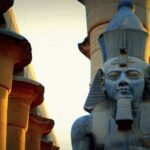
After Karnak, you move to Luxor Temple, built by Amenhotep III in the 18th Dynasty and completed by Ramses II.
This stop works as a satisfying companion to Karnak because it compresses a royal story into the way the temple is built and used. You’ll likely see details and alignments that make it feel like a designed destination rather than a pile of stones. If your guide highlights the timeline—Amenhotep III first, then Ramses II completing—you end up with a better sense of how New Kingdom rulers shaped what visitors would later call Luxor.
Luxor Museum: royal mummies and what to do with your time
The final stop is the Luxor Museum, which showcases a rare collection of royal mummies.
This can be a great add-on if you like seeing artifacts in a controlled setting. It also helps connect the tomb visits from Day 1 to what survives from royal life and burial practices.
That said, I’d go in with a realistic expectation: some people find this museum less compelling than the temple sites. So use it as a breather and a place to connect themes. If you’re not as interested in museum format, you might still enjoy it if your guide points you to the items most relevant to the royal storyline you just saw outside.
Skip-the-line tickets and private pacing: what that actually changes
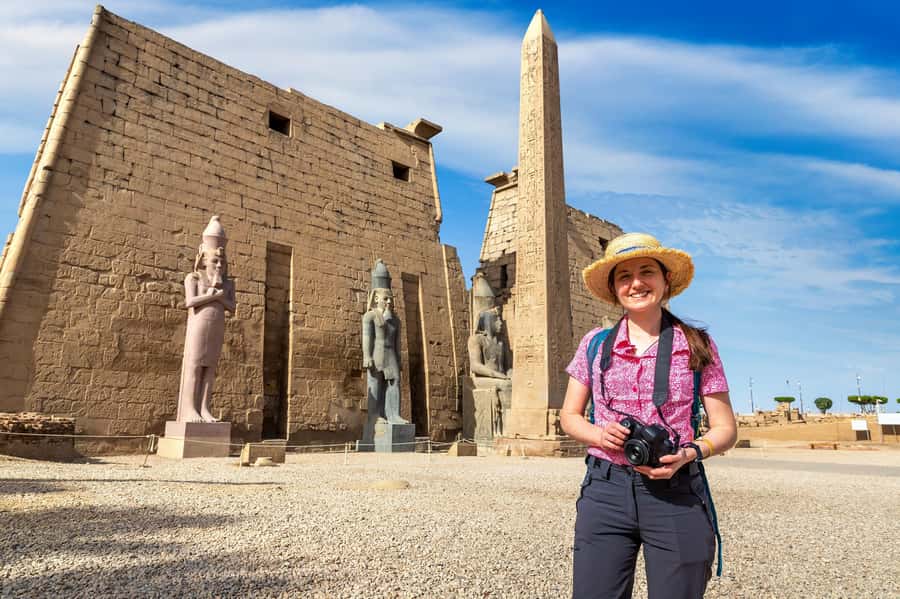
This tour includes all entrance fees, including Tutankhamun’s tomb, and it also includes a skip-the-ticket line approach. In practice, that matters because Luxor’s major sites can move slowly when lines build up.
What you gain is not just speed—it’s a smoother day. Instead of losing your momentum at each stop, you keep your place in the itinerary. That’s a real value when you only have two days.
Also, the tour is set up as a private group. That changes the feel on two fronts:
- you’re not forced to match someone else’s walking pace
- your guide can tailor explanations without fighting over time
Private pacing matters even more in tomb-heavy days, where “quick glances” tend to turn into missed details.
Price and logistics: why $210 can be a good deal (and when it’s not)
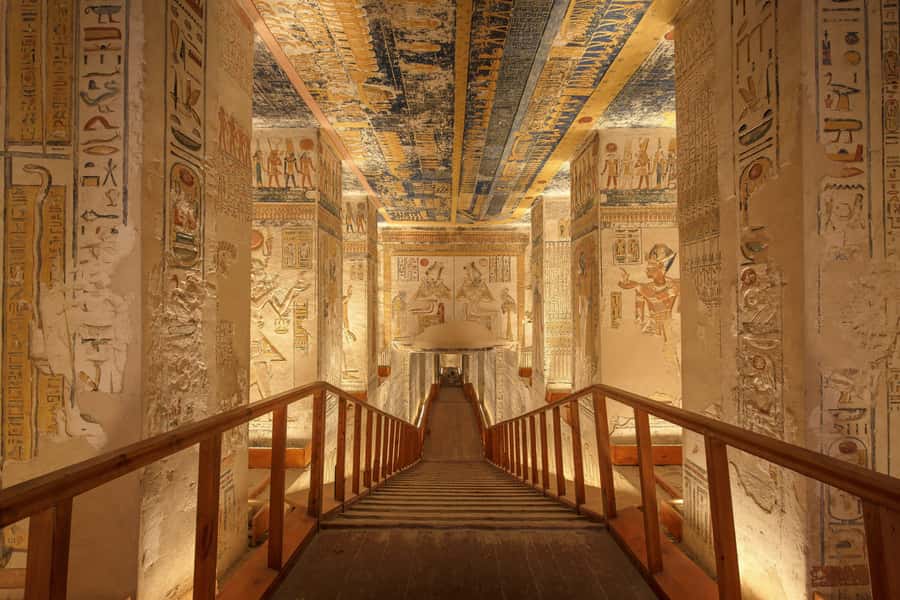
At $210 per person for a 2-day experience, you’re paying for a bundle: hotel pickup and drop-off, air-conditioned transport, an English-speaking professional guide, lunch on Day 1, and entrance fees including Tut’s tomb.
That pricing can be fair value if you compare it against the real costs of assembling everything yourself in Luxor: transport, guides, and the high-demand entrances. Tutankhamun’s tomb is the standout inclusion here. When an itinerary includes that entrance and still keeps everything private and guided, the price becomes easier to justify.
Where it can feel less perfect is when you don’t fully match the itinerary’s pacing. If you’d rather spend extra time in one site (or add another major tomb) and cut other stops, a fixed highlights schedule may feel a bit tight.
There’s also a small logistics note that’s worth keeping in mind. On at least one booking record, the schedule didn’t stay perfectly aligned (Day 1 was shorter and Day 2 shifted). I can’t promise this never happens, but it’s smart to keep some flexibility around your dates.
Finally, note the West Bank pickup detail: hotel pick-up and drop-off in the West Bank is not included by default, and it’s available for an extra $5 per person. If you’re staying far from the pickup point or your hotel is more convenient for West Bank access, double-check that cost early so you’re not surprised on the morning of your tour.
Egyptologist-style guiding: what you’ll want from your guide
The tour’s big strength is not just access to famous places—it’s the way the sites are explained. You’ll have a professional English-speaking guide as part of the package, and the tour is offered with multiple languages listed: Arabic, English, French, German, and Spanish.
There’s a nuance: the package calls out English as the included guide. Other languages (Spanish, German, French) are available at an extra cost. If you’re set on one of those languages, confirm it in advance so you don’t end up deciding on the day.
One useful detail from guide experiences shared with this tour: the best guides in this setup don’t just recite dates. Ahmed Bahaa, for example, was praised for encyclopedic knowledge and, more importantly, for making complex Egyptian history understandable and fun. Beshoy Nagib (also written as Beyosh) was also described as professional and careful—especially about handling the social side of sites and markets.
That includes practical advice if your path takes you near local bazaars. Sales pressure can be intense in Luxor around souvenirs, and your guide may warn you to be cautious—because some sellers can push products aggressively, including Chinese imported souvenirs. If you’d rather avoid shopping pressure, this kind of guidance can help you get through with your energy intact.
Who this tour suits best
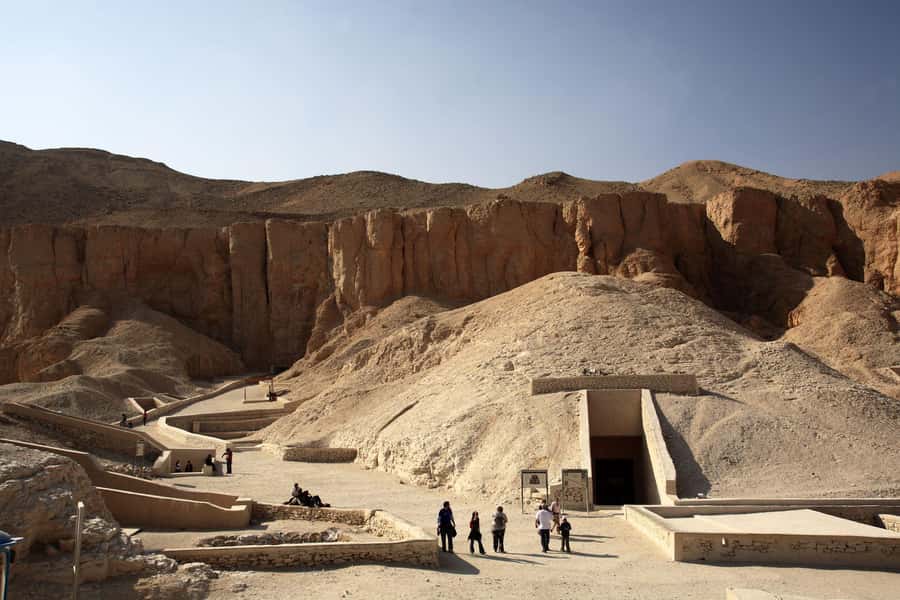
This two-day highlights tour is a strong fit if:
- you want Tutankhamun’s tomb without the planning headache
- you like temple sites and want clear explanations, not just walking
- you have limited time in Luxor and want a smart balance of West and East Bank
It may feel less ideal if:
- you want lots of free time to wander slowly
- you’re very museum-focused and want extra museum time
- you dislike itineraries that pack several major sights into one day
If you’re the type who wants to add an extra big-name tomb beyond what’s scheduled, ask your guide what options exist based on your interests and budget. One suggestion mentioned for Luxor is the Tomb of Seti I, but it would be an add-on rather than something automatically included in this highlights plan.
Should you book this Luxor highlights tour?
I’d book it if you want a confident, time-saving plan with the important entrances already handled—especially if Tutankhamun’s tomb is the reason you came. The private guide structure, air-conditioned transport, included lunch, and skip-the-line approach are all practical value, not fluff.
I wouldn’t book it if your travel style is slow and you hate packed schedules. In that case, you might be happier with a more flexible itinerary where you can spend longer at your favorite site and cut something that doesn’t click for you.
If you do book, set yourself up for success: wear comfortable walking shoes, plan for strong sun on the West Bank sites, and lean on your guide for context so each stop feels like part of one story instead of separate photo spots.
FAQ
How long is the Luxor 2-day highlights tour?
It runs for 2 days.
What is the price per person?
The price is listed at $210 per person.
What does the tour include?
It includes hotel pickup and drop-off, all entrance fees (including Tut’s tomb), a professional English-speaking guide, lunch on the first day, and transport by air-conditioned vehicle.
Is Tutankhamun’s tomb included?
Yes. Entrance fees, including Tutankhamun’s tomb, are included.
Is ticket-line time reduced?
Yes. The tour includes skip the ticket line.
Is this a private group tour?
Yes, it is described as a private group.
What languages are available for the guide?
The tour lists Arabic, English, French, German, and Spanish. The package specifies a professional English-speaking guide, and Spanish, German, or French guide options are available at an extra cost.
Is pickup included in the West Bank?
Hotel pick-up and drop-off in the West Bank is available at an extra cost of $5 per person.
What is the cancellation window?
You can cancel up to 24 hours in advance for a full refund.