REVIEW · HURGHADA
Course for Padi OW in Red Sea and Sinai
Book on Viator →Operated by Sea Secret Diving · Bookable on Viator
Good training starts before you even get wet. This PADI Open Water (OW) course in Hurghada is built around the real path you need: classroom basics, hands-on skills in controlled water, then guided underwater training in the Red Sea and Sinai area. I like that you get PADI Open Water Diver certification recognized worldwide, not just a one-day tryout. I also like the small-group feel, with a maximum of 15 travelers and plenty of instructor attention.
One thing to weigh: the course includes most core costs, but you’ll still need to budget for the marine park fee ($5 USD cash), and a transfer outside Hurghada is extra.
In This Review
- What stands out: patient coaching and well-kept gear
- The course rhythm: theory, skills, then open water time
- Key points I’d plan around
- Why Hurghada works for your first PADI OW course
- Price and logistics for the $450 per person course
- Getting picked up and starting at 8:00 am without stress
- Classroom theory: the safety mindset that keeps you calm later
- Confined water skills: the drills that turn fear into control
- Equipment familiarization: clean gear and confidence in your hands
- Underwater training in the Red Sea and Sinai area: what you’re aiming for
- Boat day comforts: lunch, drinks, and a crew that keeps things running
- How the small-group setup affects your learning
- Who should book this course in Hurghada
- FAQ
- FAQ
- What certification do I get with this PADI OW course?
- Is pickup included?
- What time does the experience start?
- How long is the course?
- What’s included in the price?
- What fees are not included?
- How big is the group?
- Should you book Sea Secret Diving for PADI Open Water?
What stands out: patient coaching and well-kept gear
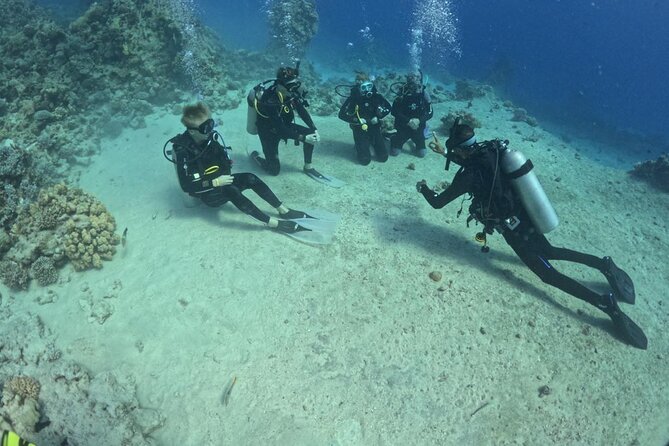
The big theme here is how calmly the staff teaches you. Multiple students highlight patient instructors and “responsible coaches,” and at least one person called out help during a crisis situation, with everyone staying focused on safety. If your instructor is Mohamed or Ashraf, you’ll see repeated praise for the way they explain what to do and stick with you until it clicks.
On the comfort side, the equipment gets high marks for being very clean and maintained. That matters more than people think. When your gear is set up well, your focus stays on buoyancy, breathing, and staying relaxed.
The course rhythm: theory, skills, then open water time
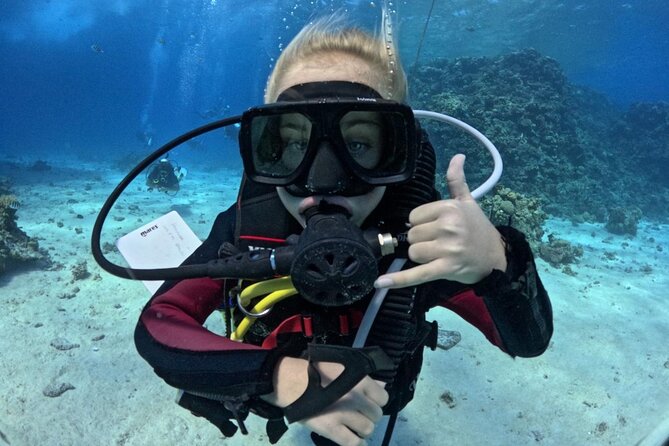
You’re looking at a full training day on paper (listed around 8 hours), but OW courses often stretch across a few days because the program needs enough time for theory plus skill practice. In the field, people describe completing OW training over about three days. That usually means you’re not rushed through the basics—you get repetitions.
You’ll also get lunch and an air-conditioned vehicle, which is a real quality-of-life upgrade in Hurghada. Just keep in mind you start early (8:00 am), so plan your day like a diver already does: calm, prepared, and ready to learn.
You can also read our reviews of more tours and experiences in Hurghada.



Key points I’d plan around
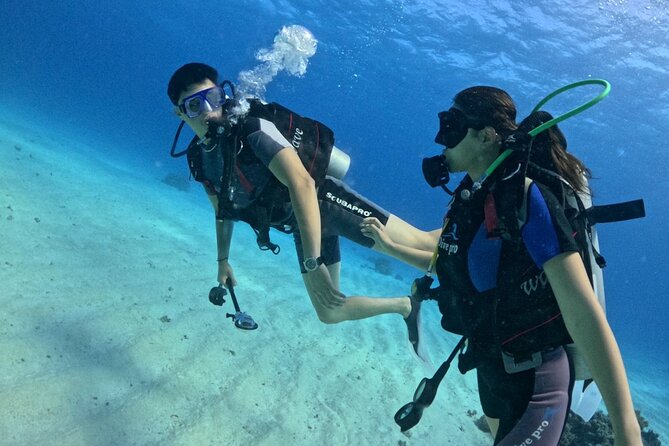
- Worldwide PADI Open Water Diver certification: you’re earning a credential you can use for future scuba opportunities.
- Small group size (max 15): easier to get help when you need it.
- Theory + confined water + real training: you don’t jump straight into uncertainty.
- Clean, maintained equipment: comfort and safety feel better when gear is in good shape.
- Lunch plus drinks during the day: food and hydration reduce the “I’m stressed” factor.
Why Hurghada works for your first PADI OW course
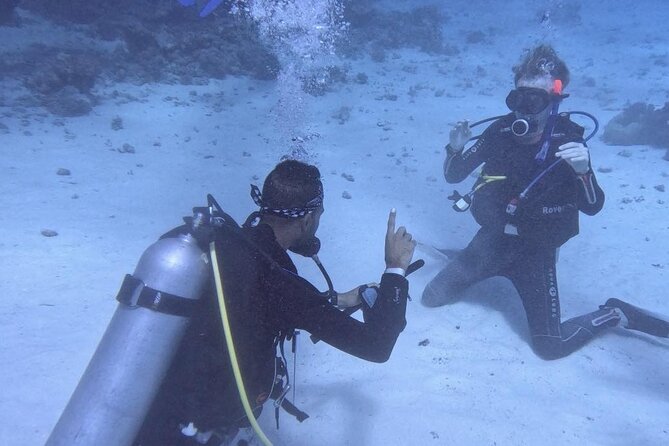
Hurghada is one of those places that’s built for beginners. You’ll find a steady flow of boats, instructors, and training routines aimed at people who are new to scuba. That environment helps because the staff isn’t reinventing the wheel every time a student shows up nervous.
For you, this matters most during the transition from classroom to water. A first-time student usually struggles with three things: controlling breathing, learning what buoyancy feels like, and staying calm when things move faster than your brain wants them to. A training-focused operation in Hurghada tends to keep those steps orderly.
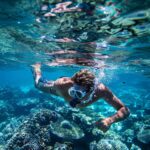
Also, the course is tied to Red Sea and Sinai underwater training waters, which are known for clear conditions and lots of sea life. In the experience feedback, students mention seeing fish and even turtles. Even if you’re not aiming to “spot everything,” that kind of wildlife presence helps motivate you when skill drills feel repetitive.
Price and logistics for the $450 per person course
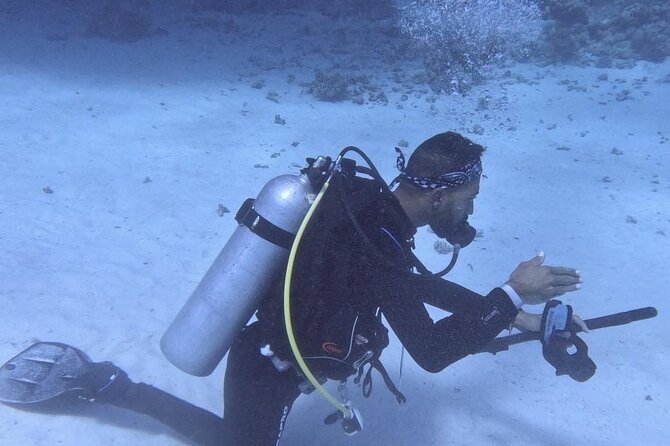
The headline price is $450 per person, and on the plus side it includes the stuff that’s easy to forget when you’re budgeting: scuba equipment, lunch, and an air-conditioned vehicle. Those inclusions add up fast once you compare against typical add-ons in many destination courses.
Then there are the extras:
- $5 USD marine park fee, collected cash
- $10 USD transfer from outside Hurghada
So the real value question becomes: does $450 buy you a complete training day that’s supported by equipment and transport? Here, it does. You’re not paying separately for gear use or your ride to the training area.
If you’re staying in Hurghada proper, you’re likely to stay very close to your main budget. If you’re outside town, make sure you’ve allowed for that extra transfer fee.
Getting picked up and starting at 8:00 am without stress
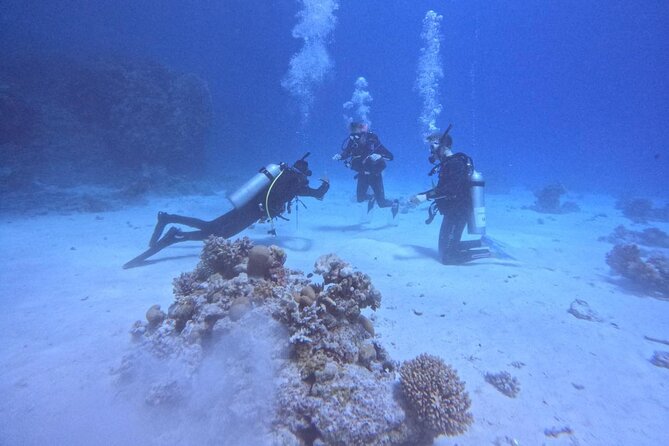
The day starts at 8:00 am, which is early enough to feel organized and late enough that you can still sleep like a normal human. Pickup is offered, and students note being collected from the hotel lobby. That’s exactly what you want on a first course, because you don’t want to waste energy finding the operator or getting mixed up with gear beforehand.
You’ll travel by air-conditioned vehicle, which sounds simple until you’re doing it on a hot day and you’re already wearing a training mindset. Less fatigue means better learning.
The meeting setup is also described as near public transportation, which gives you a fallback if you’re not in a spot where pickup is convenient. If you rely on pickup, confirm the pickup details so your start time stays smooth.



Classroom theory: the safety mindset that keeps you calm later
The course includes classroom sessions (about 5–8 hours, depending on the schedule). This is where you learn the “why” behind what you’ll do later in the water. The key topics listed include dive principles, equipment, safety procedures, and dive planning.
For a beginner, that theory block isn’t about memorizing rules. It’s about learning a simple chain: what your gear does, what can go wrong, and what you do next. Students who feel the training is safe often credit this structure, because you’re not guessing once you’re underwater.
Even better: the approach is guided by instructors who lead interactive presentations and discussions. That usually means you can ask questions before embarrassment kicks in. First-time students benefit from being able to say, I don’t understand that yet, and getting a real answer.
Confined water skills: the drills that turn fear into control
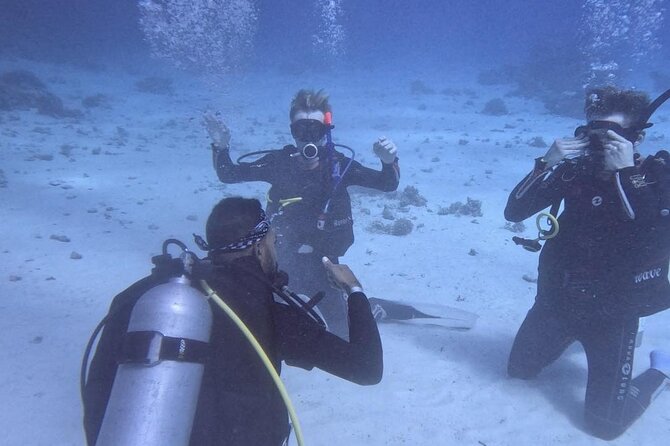
After theory, you move to confined water practice in a pool or shallow water environment. This is where the course protects you. Instead of throwing you into unpredictable conditions, you practice the basics where mistakes are safer.
Based on what the program outlines, you’ll work on:
- Mask clearing
- Regulator recovery
- Buoyancy control
- Underwater communication
Those are the core “starter moves.” If you can do them with patience and consistency, your first underwater time feels less like a test and more like progress.
This is also where instructor attitude matters. The feedback repeatedly mentions patient instruction. In real terms, patient means they don’t speed up the moment you feel shaky. They slow down until you can breathe, adjust your buoyancy, and follow the signals without panic.
Equipment familiarization: clean gear and confidence in your hands
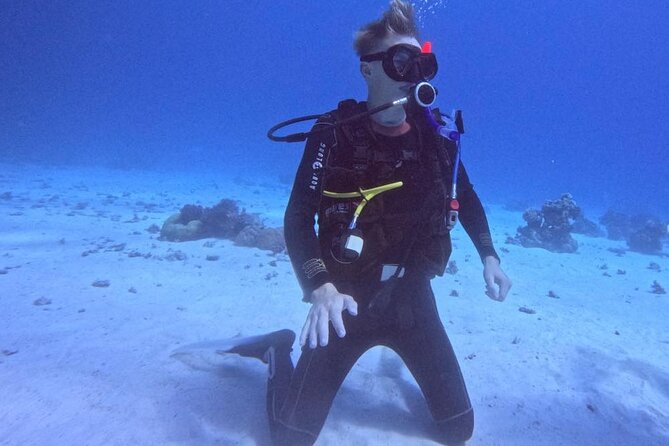
The course also includes equipment familiarization—learning your mask, fins, regulator, and buoyancy control device (BCD), plus how to use and maintain it.
Why this matters for you: if you don’t understand how the gear functions, every problem feels like a personal failure. But if the staff takes time to explain the gear, your brain stops blaming you and starts diagnosing the issue logically.
Equipment cleanliness gets strong praise. Students specifically note that the gear is very clean and well maintained. That gives you two benefits: comfort and peace of mind. You’re touching straps, mouthpieces, and seals for hours. Clean gear makes the whole course feel more professional.
Underwater training in the Red Sea and Sinai area: what you’re aiming for
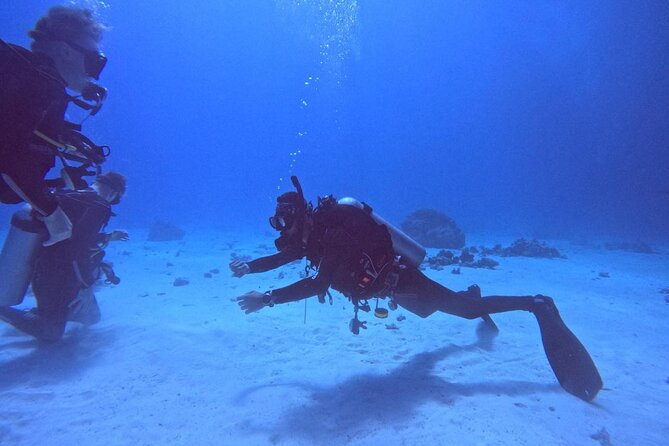
The OW course culminates in guided underwater training. The exact number of underwater sessions isn’t spelled out in the main summary, but people describe having multiple underwater outings as part of the training period.
What you should expect, based on the structure of OW training, is a progression:
1) you perform skills with an instructor close by
2) you practice staying stable (buoyancy and controlled movement)
3) you build comfort with breathing and timing
4) you start experiencing the sea life while using your new skills
The Red Sea conditions help. Several students mention good visibility, lots of fish, and seeing turtles. That’s the part that makes you remember the course, not just the mechanics. When you can finally relax your breathing, wildlife becomes the reward instead of a distraction.
Boat day comforts: lunch, drinks, and a crew that keeps things running
Even though this is a certification course, it still runs like a full day out. Equipment use, logistics, and safety are the backbone, but comfort matters too.
Lunch is included, and in experience notes students mention lunch plus drinks like tea and coffee all day. Some also mention a mini bar. These details might sound minor, but after hours of training you’ll feel the difference between “I ate something” and “I actually had a decent break.”
One more thing worth noting: at least one person mentions a trainer who helped in a crisis situation. Even without details, it tells you the crew is capable of handling the unexpected while keeping procedures in place. When you’re learning something as technical as buoyancy control, that competence is part of the value.
How the small-group setup affects your learning
The operator caps the experience at 15 travelers. For OW training, that’s meaningful. Smaller groups usually mean:
- quicker feedback
- less waiting while you’re still anxious
- more attention during skill repetitions
If you’re the type who learns better with direct coaching, this structure helps. If you’re nervous, the same thing helps even more—nervous beginners often need extra repetition and extra reassurance.
Who should book this course in Hurghada
This course is a great fit if:
- you want real PADI OW certification, not just a first-time experience
- you prefer hands-on instruction with patient coaching
- you want training in a destination where the training routine is established
- you care about equipment cleanliness and professionalism
It may be less ideal if you’re looking for a single quick day with no skills practice. This OW program is about learning core abilities, and the schedule (often over more than one day in practice) reflects that.
If your goal is to overcome fear, you’ll likely appreciate the step-by-step structure: theory first, confined water skills next, then guided underwater training.
FAQ
FAQ
What certification do I get with this PADI OW course?
You receive PADI Open Water Diver certification, which is recognized worldwide.
Is pickup included?
Pickup is offered, and the course includes transport by air-conditioned vehicle.
What time does the experience start?
The start time is 8:00 am.
How long is the course?
It’s listed at about 8 hours, though some students describe completing the OW course over about three days.
What’s included in the price?
Included: scuba equipment, lunch, and air-conditioned vehicle.
What fees are not included?
The marine park fee is $5 USD, paid cash. A $10 USD transfer is not included if you’re coming from outside Hurghada.
How big is the group?
The maximum group size is 15 travelers.
Should you book Sea Secret Diving for PADI Open Water?
If you want a first certification that’s run like a real training program, I think this is a strong choice. The best part is the combination of structure and support: classroom theory, confined water skill practice, and guided underwater training, all with praise focused on professional, patient coaching and clean, maintained equipment.
Book it if you’re ready to learn step-by-step and you value safety procedures and clear instruction. Just budget for the $5 marine park fee in cash and plan for an early start. If that fits your style, you’ll likely leave with more confidence than you expected—plus a certification you can actually use beyond Hurghada.