REVIEW · HURGHADA
2 day Tour to Cairo and Luxor from Hurghada By Flight
Book on Viator →Operated by Reflections Travel · Bookable on Viator
Two days, two ancient capitals, no wasted time. This Egypt-and-two-cities plan is interesting because you get private transport between sights and you stay guided the whole way, not wandering around on your own. I like that the tour is built for speed without turning into a checklist.
The best part is the Egyptologist guide. I also like the practical setup: major entrances are included, plus your meals and overnight stay are part of the price, so you’re not constantly stopping to negotiate.
One thing to keep in mind: the schedule is packed across two cities, with travel between Luxor and Cairo by flight. That means long travel days, and you’ll want to bring patience—and expect it to feel busy.
In This Review
- Key highlights worth your attention
- Safaga Port pickup to Luxor: the smooth start you’ll feel
- West Bank Luxor: Colossi of Memnon, Valley of Kings, and Hatshepsut Temple
- East Bank Luxor: Karnak Temple and Luxor Temple in one run
- Hotel night in Luxor: why overnight changes the whole trip
- Flying Luxor to Cairo: pyramids day without the whole-day bus slog
- Giza Plateau highlights: Cheops, Chephren, Mykerinus, and the Sphinx
- Egyptian Museum and Tutankhamun: how to get more out of the time you have
- Khan el-Khalili old market: the optional cultural stop that adds flavor
- Price and logistics: does $359 make sense for what you get?
- What might feel rushed, and how to prepare
- Who this tour fits best
- Should you book this Cairo and Luxor trip from Hurghada?
- FAQ
- Where does the pickup happen for this tour?
- Is this tour private?
- What’s included in the price besides transportation?
- Are admission fees included for the attractions?
- How do you travel from Luxor to Cairo?
- Which sites do you visit in Luxor?
- Which sites do you visit in Cairo?
- Are tipping and extra options included?
- What happens if the weather is poor?
Key highlights worth your attention
- Licensed Egyptologist guide who explains what you’re seeing and helps you connect the dots
- Admissions included for the big-ticket sites in Cairo and Luxor, so you avoid surprise fees
- Two-city pacing in 2 days with a flight from Luxor to Cairo and a private car back
- Luxor west and east bank mix: Valley of the Kings and Hatshepsut plus Karnak and Luxor Temple
- Egyptian Museum focus with the Tutankhamun collection time built in
- Nile-area dining moments (one guide is known for finding great meal options with views)
Safaga Port pickup to Luxor: the smooth start you’ll feel
This tour starts at Safaga Port. A representative meets you at the ship exit door with a sign showing your name, then you transfer by modern A/C vehicle to Luxor. The drive is about 3 hours, so you’ll get that immediate sense that the day has a plan.
From a value perspective, the pickup matters. Many short trips fail because you lose the first half-day to finding buses, hunting down tickets, or waiting around. Here, the tour organizes the start so you can turn up, meet your guide, and head straight into sightseeing.
You’re also traveling in a private group, not a big bus crowd. That usually helps with timing at temples and museums, where small delays can ripple. If you care about asking questions, a smaller group setup makes it easier to keep up.
A few more Hurghada tours and experiences worth a look


West Bank Luxor: Colossi of Memnon, Valley of Kings, and Hatshepsut Temple
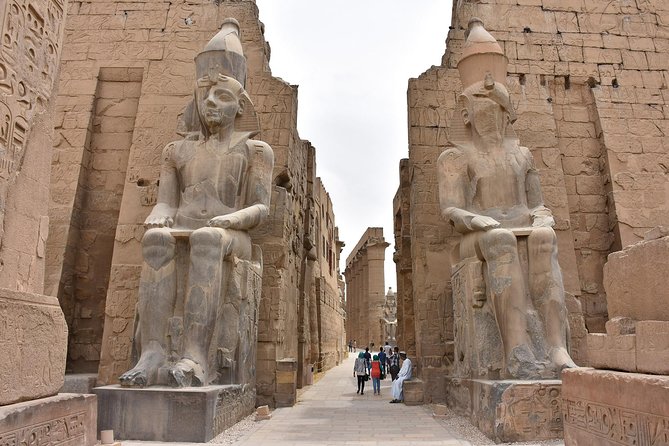
Luxor is split into two worlds: the west bank for the dead and the east bank for the living. On this tour, you get the west bank first, which is a smart way to use your limited time.
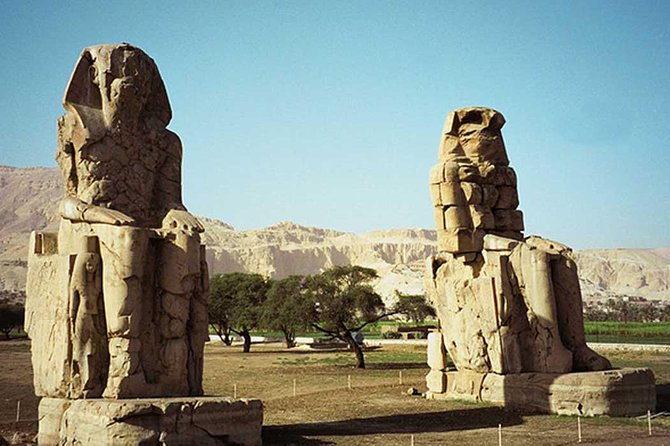
You begin with the Colossi of Memnon. These giant seated statues are famous for a reason: they’re huge even if you’ve seen photos. Standing near them helps you understand the scale the Egyptians were working with—and it sets the tone for the tomb-focused stops that follow.
Next comes the Valley of Kings. This is the moment most people remember, and I get why. The tombs are known for their colorful painted interiors, and when you’re inside with a guide, you’re not just looking at walls—you’re learning what the scenes meant. One guide, Roshdy, is especially praised for making the tomb visit feel worth the time, including helping you choose among tomb experiences so the day stays enjoyable.
Then you head to the Temple of Queen Hatsheput. This stop gives you a change of pace from tombs, and it adds real context because it’s tied to a major era of power in Egypt. Even if you’re not a walking encyclopedia, your guide can point out what makes the temple’s design and story distinctive compared to other sites.
What I’d watch for: tomb visits can vary in how many tombs you see and how long you spend inside. Since this is a tight two-day plan, you’ll want to be flexible and go with the guide’s pacing rather than trying to “beat the plan.”
East Bank Luxor: Karnak Temple and Luxor Temple in one run
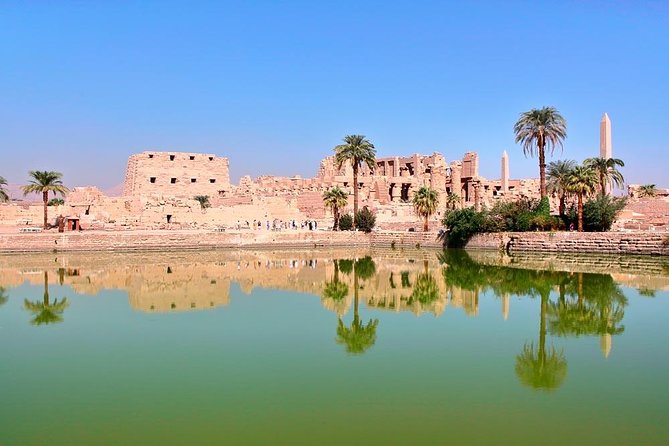
After the west bank, you move back to the east bank for the major temple hits: Karnak Temple and Luxor Temple. If you like scale, Karnak is where you feel it. It’s one of the largest worship areas ever built, and it can be hard to grasp without explanations.
This is where an Egyptologist guide earns their keep. A good guide helps you connect layout, symbols, and the idea that this wasn’t one temple—it was a long-running religious project with layers over time. It’s also where you can ask questions you’d usually skip because you don’t know what to ask.
Then you visit Luxor Temple. One neat angle here is that it’s been used by different religions across centuries. Your guide can show how parts of the complex relate to that layered story, including the remains of a church site used by Christians and later Islamic worship at the site.
Pro tip for your photos: temples are packed with lines and columns, so set your expectations. Your phone camera won’t capture the full feeling at once. You’ll get better results by slowing down, looking for patterns, and using fewer photos with more intention.
Hotel night in Luxor: why overnight changes the whole trip
This tour includes an overnight stay in Luxor, with dinner and breakfast included. That might sound standard, but it matters for a two-day itinerary.
An overnight stay means you don’t have to sprint between cities right after visiting the most time-sensitive west bank sites. It also gives you a buffer for fatigue. Even if you’re a morning person, temple days take energy—heat, walking, and standing still for explanations add up.
Since the specific hotel name isn’t stated in the information you shared, I can’t promise a particular style of property. What I can say is that you’re at least guaranteed a place to reset for the next day’s city jump to Cairo.
Flying Luxor to Cairo: pyramids day without the whole-day bus slog
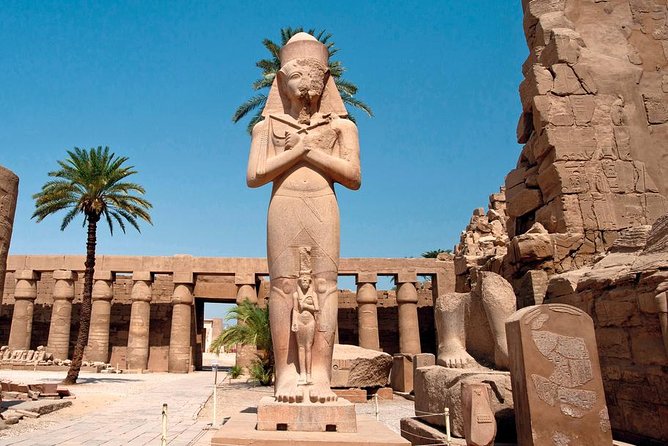
The next day begins with pickup from your Luxor hotel by A/C vehicle to Luxor airport, then you fly to Cairo. After landing, you get private vehicle time around Cairo and then you’re sent back toward Safaga Port by the end of the day.
I like this structure. For a short trip, the flight removes the long overland travel stretch that would otherwise squeeze your time at the pyramids and museum. The result is that Cairo doesn’t feel like a quick peek—you get dedicated blocks for the big highlights.





Giza Plateau highlights: Cheops, Chephren, Mykerinus, and the Sphinx
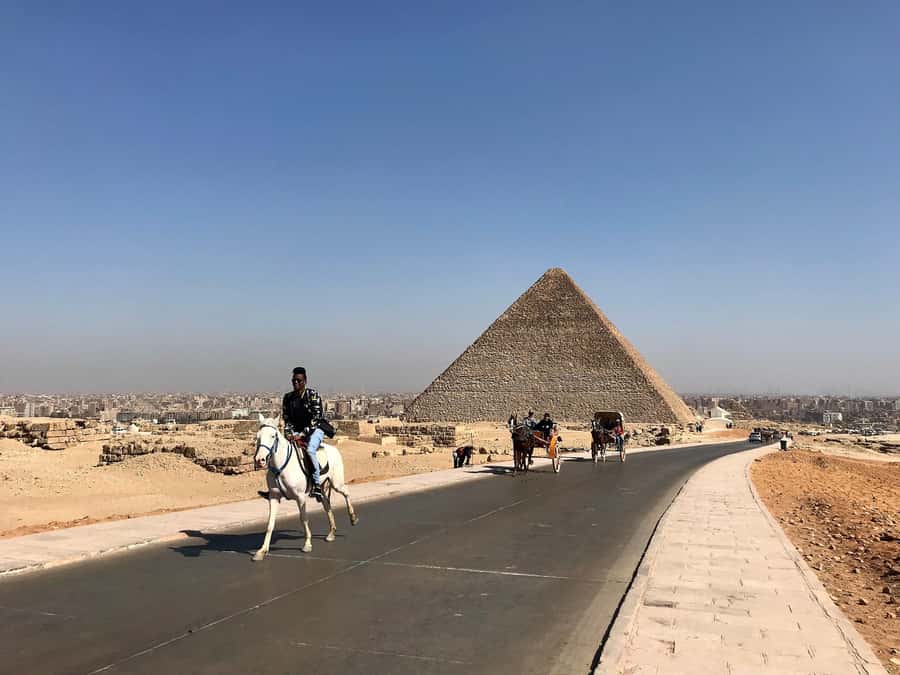
In Cairo, you focus on the pyramids area: Pyramids of Cheops, Chephren, and Mykerinus. Seeing all three is a big advantage versus tours that only do one pyramid. Each one helps you build a mental picture of how the complex works as a group, not as isolated monuments.
Next you visit the Great Sphinx, the lion-bodied guardian tied to the time of Chephren. Even if you’ve seen the Sphinx on postcards, the real site hits differently. It’s a weathered monument, and it’s hard not to feel the long stretch of time just from standing there.
Then comes the Valley Temple, which belongs to the pyramid complex of Chephren. This is a useful addition because it connects the pyramids to the broader temple landscape and process, not just the main structures. Your guide can help you understand why it’s paired with the pyramids and what it represents.
What to consider: Giza visits can be affected by heat and crowding. Your tour includes entry to the Giza area, which helps, but you’ll still want to plan for sun protection and comfortable footwear.
Egyptian Museum and Tutankhamun: how to get more out of the time you have
The Egyptian Museum is the best place to slow down and focus on objects, not just monuments. The tour includes admission here, plus time to see the Tutankhamun collection, including the famous treasure displays.
Here’s the practical way to enjoy this museum when you’re on a tight schedule: don’t try to read every label. Instead, follow your guide’s pacing and pick a few focal points, especially the Tutankhamun pieces. A guide can also explain what you’re seeing and why it matters historically, and that turns a “look at the case” visit into something you can actually remember.
One review highlighted a guide named Mohamed Mahmoud for explaining the whole history of Egypt in a way that felt clear and helpful. That style matters a lot in the museum, where it’s easy to get lost.
Khan el-Khalili old market: the optional cultural stop that adds flavor
If time allows, your guide may take you to Khan el-Khalili old market. This is the kind of stop that’s less about one specific monument and more about atmosphere—streets, crafts, and the everyday Cairo layer people often miss when they only do museums and pyramids.
Because it’s conditional on time, don’t treat it as guaranteed. If you’re the type who loves markets, great—say yes when offered. If you’re not, you won’t lose sleep over it since the heavy hitters are already covered.
Price and logistics: does $359 make sense for what you get?
At $359 for about two days, you’re paying for a lot more than a bus ticket. Here’s why the number can work:
- Private A/C transportation on the road in Egypt
- A flight between Luxor and Cairo
- A qualified, fully licensed Egyptologist guide
- Meals included (dinner, breakfast, plus two lunches)
- Overnight accommodation in Luxor
- Admissions included for the major Cairo and Luxor sites listed (Giza area, Egyptian Museum, Valley of Kings, Hatshepsut Temple, Karnak Temple, Luxor Temple)
- Pickup and return tied to Safaga Port
That bundle reduces the “hidden cost” problem. When major entrances and meals are included, your spending becomes more predictable. The only item specifically flagged as not included is tipping, which is common in guided experiences but still something to plan for if you dislike adding expenses at the end.
What might feel rushed, and how to prepare
Two days across Cairo and Luxor is ambitious. The upside is you get an efficient route to the biggest icons. The tradeoff is you won’t have a slow, wandering pace.
I’d plan around three realities:
- Travel days take energy. You’ll move from Safaga to Luxor, spend a full day temple-hopping, then fly to Cairo, then cover the pyramids and museum.
- Your guide controls pacing. That’s good for efficiency, but it means you follow the plan more than you customize it.
- Weather matters. The experience notes a weather-dependent component. If conditions aren’t good, it may shift dates or be refunded.
What helps most is a simple mindset: treat this as a “greatest hits with expert explanations” trip, not a slow deep study.
Who this tour fits best
This is a strong match if you want:
- A two-city introduction to Egypt’s top landmarks without complex planning
- Guided context from an Egyptologist, especially for tomb scenes and museum objects
- Included access to big sites like Valley of Kings, Karnak, and the Egyptian Museum
- A private setup that makes it easier to ask questions
It may be less ideal if you want a laid-back pace, or if you prefer to spend long hours in one place. Also, if tipping makes you uncomfortable, keep that in mind, because it’s not included in the price you quoted.
Should you book this Cairo and Luxor trip from Hurghada?
My take: I’d book it if you want a structured, high-value shortcut through Egypt’s headline sights. The combination of private transport, licensed Egyptologist guidance, included admissions, and a real overnight in Luxor makes it feel practical, not just “go go go.”
If your dream is slow travel with lots of free time, then you might prefer a longer itinerary. But if you’re working with limited days and you want the major icons explained properly, this is the kind of tour that saves you time and stress while still delivering the wow factor.
FAQ
Where does the pickup happen for this tour?
You’re picked up from Safaga Port, from the ship’s exit door, where the representative holds a sign with your name.
Is this tour private?
Yes. It’s listed as a private tour/activity, so only your group participates.
What’s included in the price besides transportation?
The price includes dinner, breakfast, overnight accommodation, and two lunches, plus a qualified Egyptologist guide.
Are admission fees included for the attractions?
Yes. Entry/admission is included for the Giza area, Egyptian Museum, Valley of Kings, Hatshepsut Temple, Karnak Temple, and Luxor Temple.
How do you travel from Luxor to Cairo?
You travel by flight from Luxor airport to Cairo.
Which sites do you visit in Luxor?
You’ll see the Colossi of Memnon, Valley of the Kings, Temple of Queen Hatsheput, Karnak Temple, and Luxor Temple.
Which sites do you visit in Cairo?
You’ll visit the Pyramids of Cheops, Chephren, and Mykerinus, the Great Sphinx, the Valley Temple (Chefren), and the Egyptian Museum (including the Tutankhamun collection). If time allows, you may also visit Khan el-Khalili.
Are tipping and extra options included?
No. Tipping is not included, and any other options are not listed as included.
What happens if the weather is poor?
This experience requires good weather. If it’s canceled due to poor weather, you’ll be offered a different date or a full refund.