REVIEW · HURGHADA
2-Day Private Tour from Hurghada to Cairo and Luxor
Book on Viator →Operated by Excursies Egypte-Day Tours · Bookable on Viator
One more great way to see Egypt fast is simple: Cairo to Luxor in two days. You’ll pair the headline sights like the Great Pyramids and Sphinx with a real hit of museum time at the Egyptian Museum, then switch gears to Luxor’s West and East Banks with Valley of the Kings and Karnak Temple. I like that it’s private, so you’re not stuck listening to a guide over a dozen strangers, and I also like that key admissions are included for the big stops. One caution: the start is early and the day is tightly packed, so if you’re the kind of person who needs everything confirmed well ahead of time, you’ll want to double-check pickup details before the 4:00 am departure.
This tour is built for first-time visitors who want “the must-see list” done without DIY stress. You’re also getting an English-speaking Egyptologist guide for the major sites and air-conditioned private transfers through both cities. Still, you should expect long travel days—airport time, check-in, and a full schedule—so it’s not the choice if you want slow sightseeing and lots of free wandering.
In This Review
- Key things you’ll notice on this Hurghada to Cairo and Luxor trip
- The early start: how the 2-city rhythm works
- Giza Plateau: pyramids, Sphinx, and the Valley Temple
- Egyptian Museum: 5,000 years of artifacts in manageable time
- Khan el-Khalili after lunch: old Cairo shopping with structure
- Flying to Luxor and checking in: your overnight base
- Day 2 on the West Bank: Valley of the Kings, Hatshepsut, Colossi
- East Bank finale: Luxor Temple and Karnak Temple
- Private-guide value vs. the real cost of “easy”
- Who this tour fits best (and who should look elsewhere)
- Should you book this Hurghada-to-Cairo-to-Luxor private tour?
- FAQ
- What time does the tour start from Hurghada?
- Is pickup from my hotel included?
- Do I stay overnight in Cairo or Luxor?
- Are admission tickets included for the main attractions?
- What lunch is included during the tour?
- Which tombs do you visit in the Valley of the Kings?
- Are tips included in the price?
Key things you’ll notice on this Hurghada to Cairo and Luxor trip
- 4:00 am pickup from Hurghada (or Gouna) sets up a full Cairo day
- Giza Plateau with the three pyramid names: Cheops, Chephren, Mykerinus, plus the Sphinx and Valley Temple
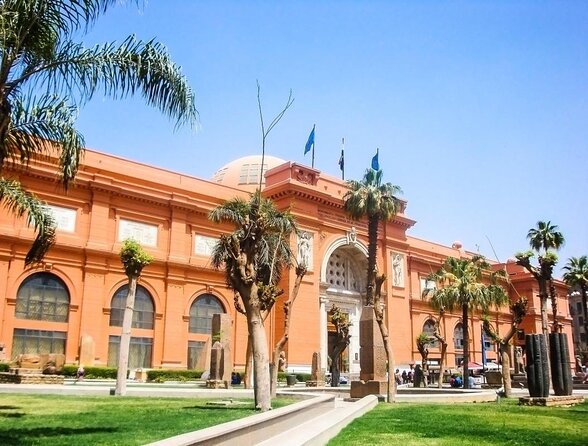
- Egyptian Museum time is real: Tutankhamun treasures are part of the viewing plan
- Khan el-Khalili with a guide means smoother navigation and time for shopping
- Luxor West Bank hits the classics: Valley of the Kings (3 tombs, excluding Tutankhamen), Hatshepsut, Colossi of Memnon
- East Bank temples finish strong with Luxor Temple and Karnak Temple
The early start: how the 2-city rhythm works
This is a jump-trip. You start around 4:00 am in Hurghada (or nearby Gouna), then you’re transported to the airport and fly to Cairo. From there, the plan is straightforward: pyramids first, then museum, then a browse through Islamic Cairo at Khan el-Khalili, and in the evening you fly to Luxor.
By design, you don’t waste a day. The tradeoff is fatigue. You’ll spend two days moving between major areas, with a packed “see it now” pace. If you’re traveling with short attention and low patience, that can feel like a sprint. If you’re happy stacking landmarks and learning as you go, the schedule actually works.
Also note one timing detail that matters for comfort: the day you land in Cairo is the same day you’re back on the move toward Luxor. There’s no Cairo hotel night. Your overnight is in Luxor, which helps—once you’re settled, Day 2 is temple-focused.
You can also read our reviews of more private tours in Hurghada



Giza Plateau: pyramids, Sphinx, and the Valley Temple
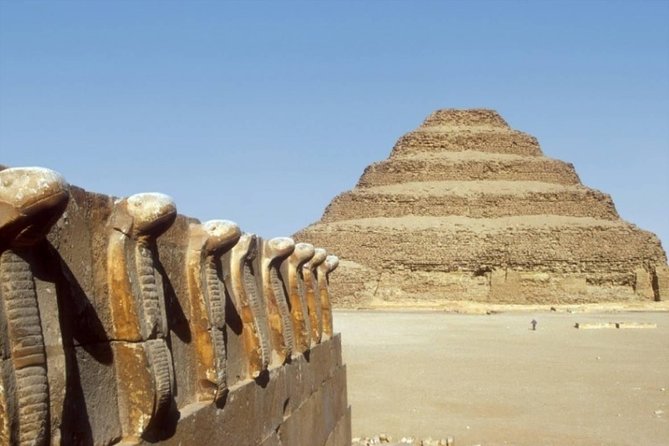
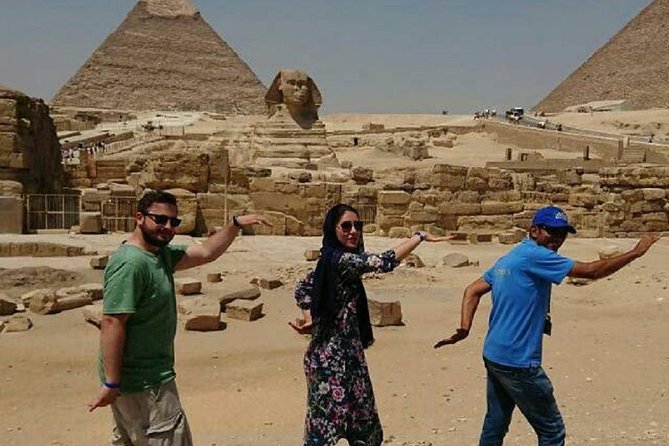
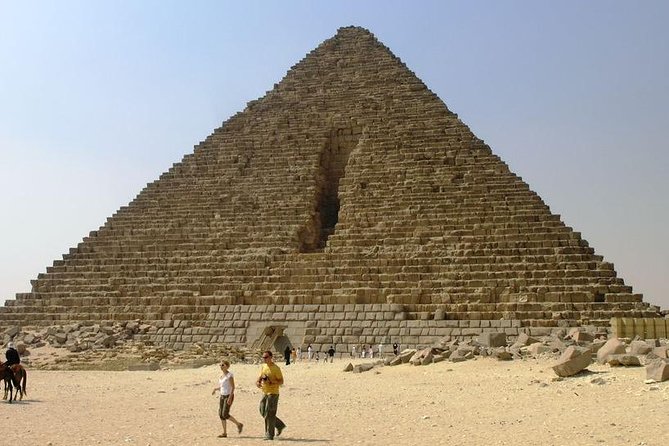
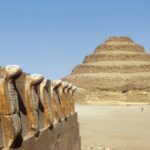
The Cairo portion starts at the Pyramids of Giza, with a guided walk that covers the big three names: Cheops, Chephren, and Mykerinus. You’ll also see the Sphinx—the one with a pharaoh’s head and a lion’s body—and a stop at the Valley Temple of the Pyramid of Chephren.
What I like about this setup is that you’re not just scanning monuments from a distance. A good guide is essential here because the pyramids can look repetitive if you’re only going by height and photo angles. When someone explains the different pyramid rulers and the surrounding layout, you start noticing patterns—where temples sit, how the complex is arranged, and why the Sphinx belongs to the story.
Practical note: this area is exposed. Even if it’s cool in the morning, you’ll want water (you have bottled water onboard), sun protection, and comfortable shoes with grip. The tour includes admission for this stop, so you avoid ticket-line hassle.
Egyptian Museum: 5,000 years of artifacts in manageable time
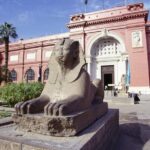
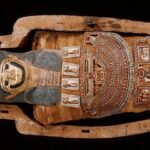
After lunch, you move to the Museum of Egyptian Antiquities, with guided time built around a core idea: you’ll see why this museum is such a key stop for first-timers. The plan includes the Pharaonic-era galleries and a dedicated viewing focus on the Tutankhamen collection of treasure, gold, and jewelry.
The museum can overwhelm you if you walk in cold. So even though the time here is limited (about 2 hours on the schedule), it’s enough if your guide helps you prioritize. You’ll get context fast: what you’re looking at, when it was made, and how it connects to burial practices and royal power.
The biggest benefit here is efficiency. Instead of spending hours guessing where to go, you’re guided through a curated core—exactly what you want when you’re on a tight plan across Cairo and Luxor.
Tip for your visit mindset: go with a few “mental anchors.” I’d focus on the Tutankhamen section, then pick one or two themes your guide mentions—royal life, afterlife beliefs, or the way artifacts are labeled. That way, the museum feels like learning, not just walking.
Khan el-Khalili after lunch: old Cairo shopping with structure
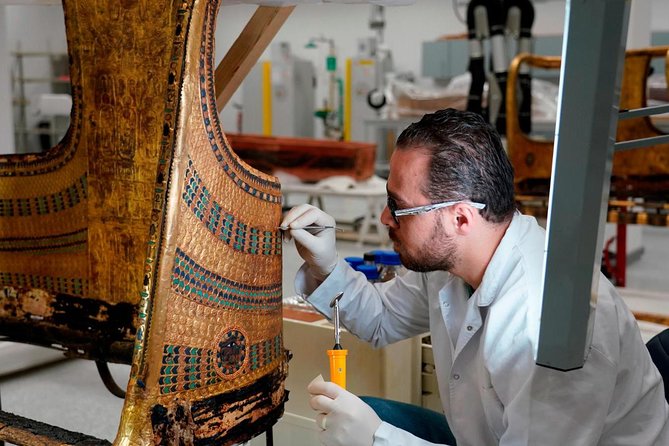
Later, you’ll drive into Islamic Cairo and spend time at Khan el-Khalili, Cairo’s old bazaar. Your tour includes a shopping-focused component here, and it’s set up so you can browse without getting lost.
This is where the tour becomes more than monuments. The bazaar area helps you see how daily life and commerce sit next to history. You’ll likely notice more modern energy in the streets—snacks, textiles, trinkets, and storefront chaos—and having a guide can make the experience easier to manage.
One caution: bazaars mean bargaining culture and constant sales chatter. If you don’t enjoy that, you can still use the time to look, photograph, and compare prices without buying. The included shopping time is best used for browsing and getting your bearings fast, not for trying to complete your entire souvenir list in one go.
Flying to Luxor and checking in: your overnight base
Once Cairo sightseeing wraps, you’re transferred to Cairo Airport and fly to Luxor. When you arrive, you’ll be met and transferred to your hotel.
Your overnight is at the Sonesta St George Hotel in Luxor, with breakfast included. This matters because Luxor is the kind of place where the temples feel best when you’re not rushing from lodging to site constantly. A proper base reduces stress, so Day 2 feels more like sightseeing than logistics.
There’s also a small comfort win built into the plan: private transfers throughout. So you’re not sharing shuttles or waiting around with strangers while lines shift and drivers hunt for group members.
A few more Hurghada tours and experiences worth a look


Day 2 on the West Bank: Valley of the Kings, Hatshepsut, Colossi
Day 2 starts with breakfast at your Luxor hotel, then you head to the West Bank of Luxor with your guide. The core stops are:
- Valley of the Kings (3 tombs, excluding Tutankhamen)
- Hatshepsut Temple (El Deir El Bahary)
- Colossi of Memnon
The Valley of the Kings is the kind of place where a guide makes a big difference. Tombs can feel similar when you’re not sure what you’re seeing. With three tombs on the schedule, you’re likely to remember the overall theme of each: the royal story, the painted layout, and how the afterlife concept is represented.
One detail that’s important to set expectations: the plan includes three tombs and explicitly does not include Tutankhamen’s tomb. That’s not a flaw—it just means you should adjust your expectations if Tutankhamen is your single must-see.
Next comes Hatshepsut Temple at El Deir El Bahary. This is a temple with strong visual impact because of its position and structure. It’s also the stop that helps you understand that Luxor wasn’t only male pharaohs and military power. Hatshepsut is the focus here, and she’s described in the tour plan as the only female pharaoh who ruled Egypt.
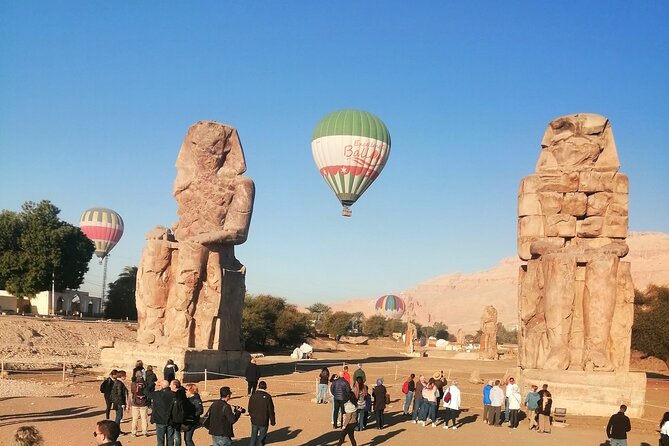
Finally, the Colossi of Memnon give you a big, grounded reminder of scale. These are colossal statues tied to Amenhotep III, and they’re a nice contrast after the tight, detail-heavy tomb interiors.
Lunch is included at a local restaurant in Luxor, so you’re not trying to figure out meals on your own right after tomb time.
East Bank finale: Luxor Temple and Karnak Temple
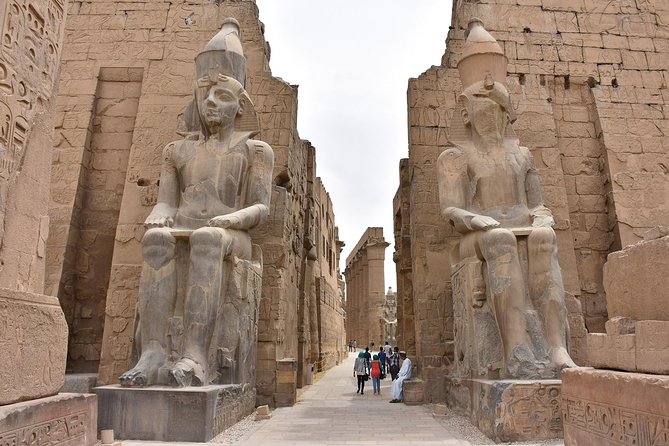
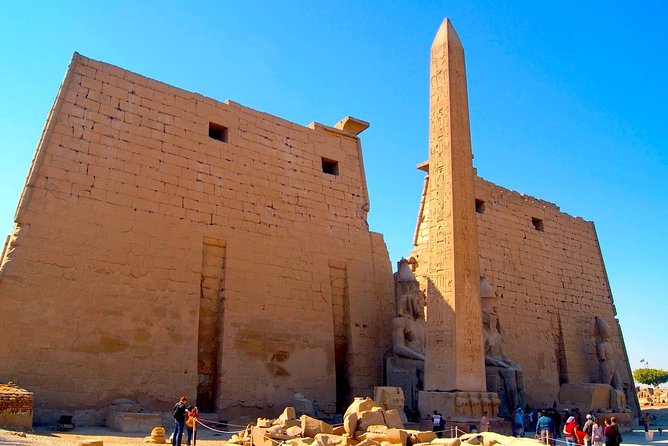
After lunch, the tour crosses back to the East Bank for the biggest “wow per minute” of Day 2: Luxor Temple and Karnak Temple.
First is Luxor Temple—a major site in its own right. Then comes Karnak Temple, described as the largest place of worship ever built. That’s the kind of line that sounds hype-y until you’re actually standing in the space. Even with limited time, Karnak is where you start feeling what ancient architects meant by power and planning.
If you’re thinking about pacing, Day 2 is temple-heavy, which is the right choice after a West Bank mix. Tombs can be mentally exhausting. Temples often feel easier because the spaces invite you to look upward and take in geometry and columns. A guide helps you keep track of what you’re seeing: gate structures, temple alignments, and how different rulers added layers over time.
Your private vehicle then takes you back toward Hurghada to end the services, finishing around four hours driving from Luxor.
Private-guide value vs. the real cost of “easy”
At $684.70 per person, this isn’t a bargain-basement option. The value comes from stacking expensive pieces together: private airport transfers, domestic flights, an English-speaking guide for key sites, and admission tickets included for major stops. You’re also getting a hotel night in Luxor with breakfast, plus lunch in Cairo and lunch in Luxor.
Here’s how I’d think about it as value:
- If you try to DIY this route, you’ll spend time coordinating flights, arranging guides, and managing entry tickets across multiple sites.
- With a private guide, you gain flow. You’re not searching for the right entrance or guessing what matters most.
- With admissions included, you avoid the most annoying part of Egypt sightseeing: last-minute ticket-line stress.
The one drawback to weigh is the intensity. This tour is best for people who can handle early starts, long travel days, and a “see the main things” rhythm. If you’re the type who wants long breaks and slow museum wandering, the schedule can feel rushed.
Who this tour fits best (and who should look elsewhere)
This tour is a great match if:
- you’re visiting Egypt for the first time and want a strong intro to Cairo and Luxor
- you prefer private guiding over large-group tours
- you want major admissions handled and don’t want to spend vacation time on logistics
It may be a weaker match if:
- you dislike early mornings and tight time blocks
- you want more unplanned time in Cairo’s streets or for lounging by your hotel
- you’re very sensitive to schedule changes, since flights and airport timing naturally drive the day
One small reality check from real-world experience: when confirmation and pickup details don’t reach you early enough, the morning can feel a bit “up in the air” until everything clicks. If that’s you, send a message ahead and make sure pickup arrangements are crystal clear the day before.
Should you book this Hurghada-to-Cairo-to-Luxor private tour?
I’d book it if your goal is to check off the essentials with a guide and keep the journey smooth. You get a clear route: Giza + Egyptian Museum + Khan el-Khalili, then Luxor’s Valley of the Kings + Hatshepsut + Colossi of Memnon + Karnak. Private guiding and included admissions make it feel like a guided itinerary rather than a confusing collection of stops.
Skip it (or look for a slower alternative) if you want lots of free time, prefer fewer transitions between cities, or you’re chasing one very specific tomb experience in the Valley of the Kings.
Given the strong satisfaction signal—a 4.9 rating from 10 reviews and 100% recommendation—this is the kind of tour that tends to work well when you’re clear about the pace and you’re ready for an early start.
FAQ
What time does the tour start from Hurghada?
The tour start time is listed as 4:00 am.
Is pickup from my hotel included?
Yes. Pickup services are included from your hotel in Hurghada and/or Gouna, and the tour ends back at the meeting point.
Do I stay overnight in Cairo or Luxor?
You stay overnight in Luxor, at Sonesta St George Hotel (with breakfast included).
Are admission tickets included for the main attractions?
Yes. The tour includes admission tickets for the major stops, including Pyramids of Giza, the Egyptian Museum, and the sights on the Luxor West/East Bank day.
What lunch is included during the tour?
Lunch is included twice: once in Cairo at a local restaurant and once in Luxor at a local restaurant.
Which tombs do you visit in the Valley of the Kings?
You visit 3 tombs, and Tutankhamen’s tomb is excluded.
Are tips included in the price?
No. Tipping is not included.