REVIEW · HURGHADA
2 Day Tour to Cairo by Air from Hurghada
Book on Viator →Operated by Sun Pyramids Tours · Bookable on Viator
Cairo in two days sounds tight, but this trip is built for speed with real structure. I like that you get private transfers plus an English-speaking guide from the moment you’re picked up in Hurghada. I also like that it pairs the big-ticket sites—Giza and the Egyptian Museum—with Islamic Cairo stops like the Citadel and Khan el-Khalili bazaar. One thing to consider: the “inside the pyramids” option isn’t included, so you’ll need to decide if that’s worth extra money for you.
What makes this experience practical is how much is handled for you. You fly Hurghada–Cairo round-trip, you use air-conditioned private vehicles for transfers, and you get two included lunches in Cairo. Your time is packed, so if you prefer slow mornings and long wandering, you might feel a bit rushed.
In This Review
- Key highlights at a glance
- Hurghada to Cairo by air: why the shortcut matters
- Giza’s royal lineup: Great Pyramid, Sphinx, and Valley Temple
- The Step Pyramid of Djoser: the “older than you think” stop
- Egyptian Museum: 5,000 years in one focused day
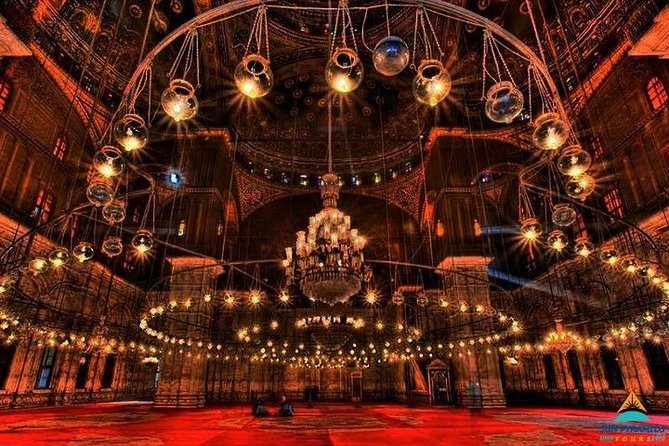
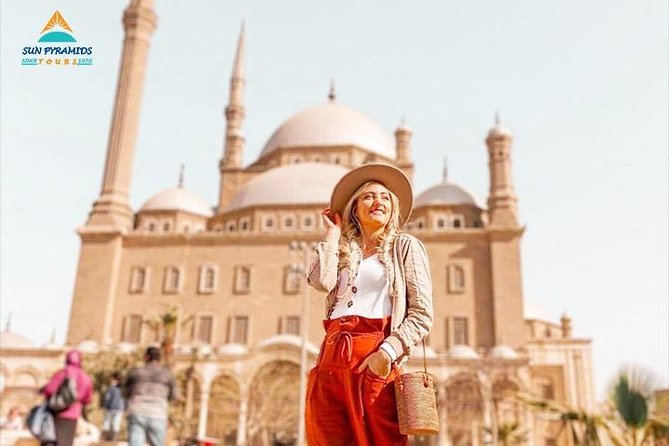
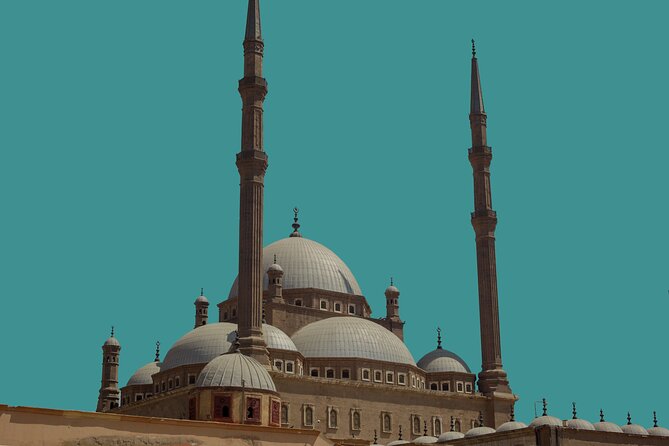
- Salah el-Din Citadel and the Mosque of Mohamed Ali
- Khan el-Khalili: shopping time without losing the plot
- Price and logistics: is $763 really value, or just busy?
- What the best guide experiences have in common
- Who this 2-day Cairo sprint suits best
- Should you book this Cairo-by-air tour from Hurghada?
- FAQ
- Is pickup included from Hurghada hotels?
- Are flights from Hurghada to Cairo included?
- What Cairo and Giza sights are covered?
- Are entrance fees included?
- Are tickets to go inside the pyramids included?
- Are meals included?
- Is there a guide during the tour?
- Is this tour private or group-based?
- What if my hotel is outside Hurghada?
- Can I cancel for a full refund?
- Where does the overnight happen?
Key highlights at a glance
- Flights included: Hurghada to Cairo and back, saving you the long overland trip.
- Giza visit with guide: Great Pyramid area, Sphinx, and Valley Temple tied to the main royal names.
- Egyptian Museum time is real: A major focus on Pharaonic artifacts, not just a quick walk-through.
- Citadel + Mosque of Mohamed Ali: A strong contrast to the pyramids, with historic architecture.
- Khan el-Khalili shopping stop: A guided bazaar visit with time to browse.
Hurghada to Cairo by air: why the shortcut matters
You’re traveling from Hurghada, so the air portion is the whole point. A 2-day window is always about protecting time, and flying keeps your days focused on Cairo itself instead of transit limbo.
From the start, you’re met with pickup from your Hurghada hotel and returned after the tour. Transfers are done by private, air-conditioned vehicle, which matters in Egypt—heat and long waits can drain a short trip fast. You also travel with an internal flight ticket included (Hurghada–Cairo–Hurghada), so you’re not piecing together schedules on your own.
If you’re staying outside Hurghada—Safaga, Soma Bay, Makadi, Sahl Hasheesh, or Elgouna—there’s an extra charge for pickup. So before you book, double-check your exact hotel location. That small detail can change the true cost quickly.
A few more Hurghada tours and experiences worth a look


Giza’s royal lineup: Great Pyramid, Sphinx, and Valley Temple
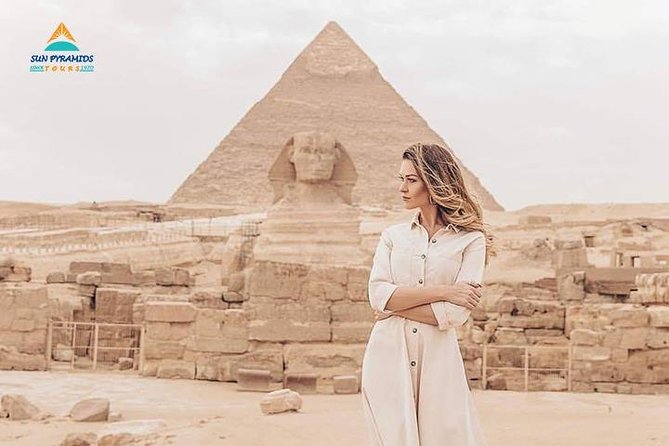
Day 1 begins at Giza with the royal giants up close: the Pyramids of Cheops (Khufu), Chephren, and Mykerinus. This stop is built around seeing the key monuments as a group, guided by an Egyptologist so the connections aren’t just visual—they’re explained.
You’ll also visit the Great Sphinx, described as the head of a pharaoh with a lion’s body, linked to Chephren’s era. The Sphinx is one of those places where it’s easy to stare and move on without understanding what you’re looking at. Here, you’re not left guessing.
The tour also includes the Valley Temple, which belongs to the Pyramid of Chephren. That’s a smart add-on because it helps you understand that Giza isn’t just the pyramids rising from sand. There’s a whole complex of planned spaces around the monuments.
A practical note: admission tickets for the sights are included, but tickets to get inside the pyramids are not included. If you care about interior access, factor that into your budget early. If you’re mainly there for scale and sightlines, you can still have a great visit without paying extra for interiors.
The Step Pyramid of Djoser: the “older than you think” stop
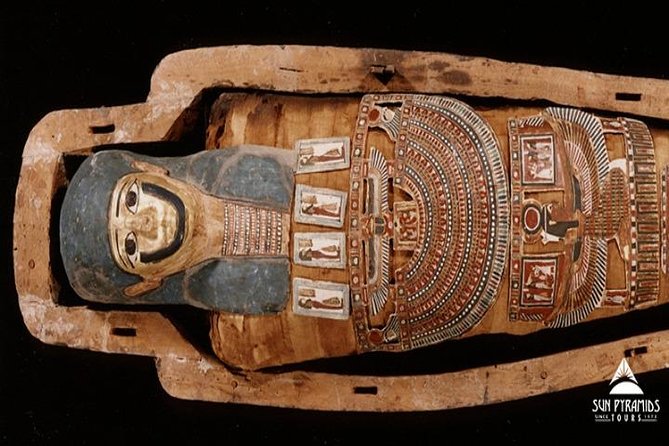
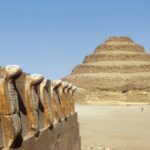
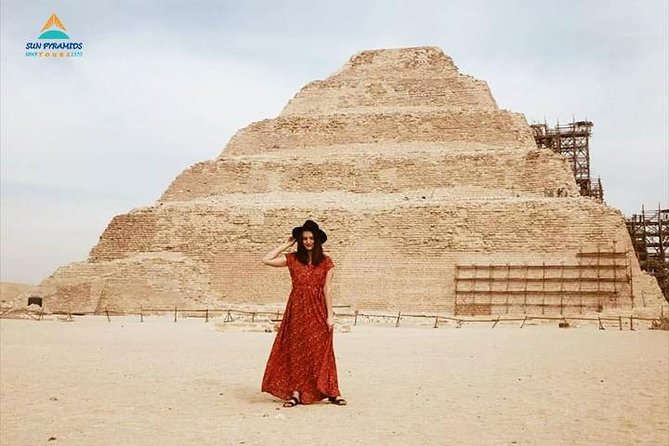
After Giza, you get lunch at a local restaurant, then you move on to the Step Pyramid of Djoser. This is one of the coolest ways to spend a limited day because it shifts you from the classic pyramid form to something older and visually distinct.
The Step Pyramid is described as the world’s oldest major stone structure, built in the 3rd Dynasty for King Djoser, around 2630 BC. Even if you’ve seen photos before, seeing it as part of a planned route helps you notice how different it is from the Giza giants.
This stop is also where the tour’s pacing becomes important. It gives you a breather from the intensity of Giza while still staying in the same ancient Egyptian lane. If you’re the type who enjoys comparing styles across time, you’ll appreciate that the tour doesn’t treat Cairo as one big blur of famous names.
At the end of Day 1, you transfer to your hotel in Cairo for overnight. The next morning’s museum visit will feel much easier if you’ve got a decent night’s sleep, especially after early travel.
Egyptian Museum: 5,000 years in one focused day
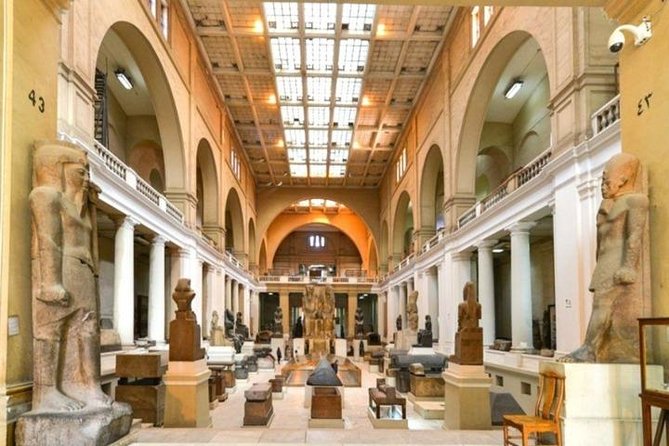
Day 2 starts with breakfast, then heads to the Museum of Egyptian Antiquities—the Egyptian Museum. The big draw here is scale: the museum is presented as a rare collection of 5000 years of art, with more than 250,000 genuine artifacts displayed, and it’s described as the largest and most precious collection of Egyptian artifacts in the world.
Even if you’re not trying to memorize dates, this museum stop is valuable because it gives context to what you saw outside. You’ll understand that pyramids and royal symbols aren’t just stone—they connect to art, daily objects, and belief systems across centuries.
Lunch is included again at a local restaurant during the museum day. That matters because a museum-heavy day can otherwise turn into spending your time hunting for food. Here, you can keep your energy steady and spend more of your attention on the objects themselves.
One consideration: the museum is included with admission, but your time is still limited by the rest of the day. So go in with a plan. Pick the themes you care about—royal artifacts, statuary, or older funerary pieces—and let those guide your route through the galleries.
Salah el-Din Citadel and the Mosque of Mohamed Ali
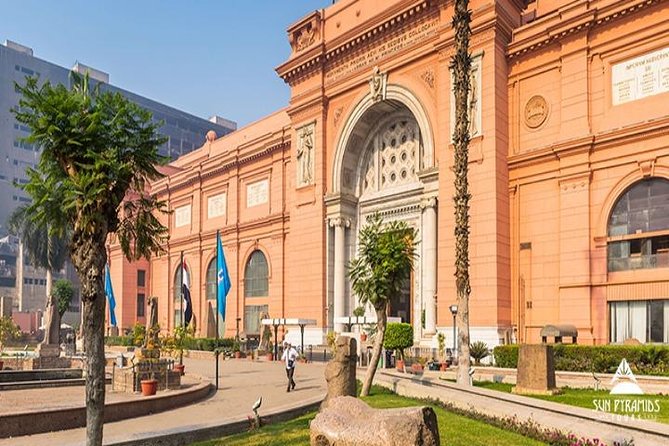
After the museum, you head to Salah el din Citadel, and then to the Alabaster Mosque of Mohamed Ali. This part of the day is a strong contrast: you’re moving from ancient Egypt to Ottoman-era architecture and the view over Cairo.
The mosque is described as designed by Yousif Boushnaq, a Turkish architect who came especially from Istanbul to build it. Mohamed Ali is noted as the ruler of Egypt from 1805 to 1849, ruling for over 45 years. Those details make the visit feel more grounded than just admiring a building from the outside.
This stop works well in a 2-day format because it brings two rewards together: a major historic site and city overview. Citadels are often about control and command, and it shows in how the area is arranged and where you can look out over the city.
You get about two hours here, plus admission included. That’s enough time to see the mosque features, understand the significance, and still keep the day moving toward the bazaar.





Khan el-Khalili: shopping time without losing the plot
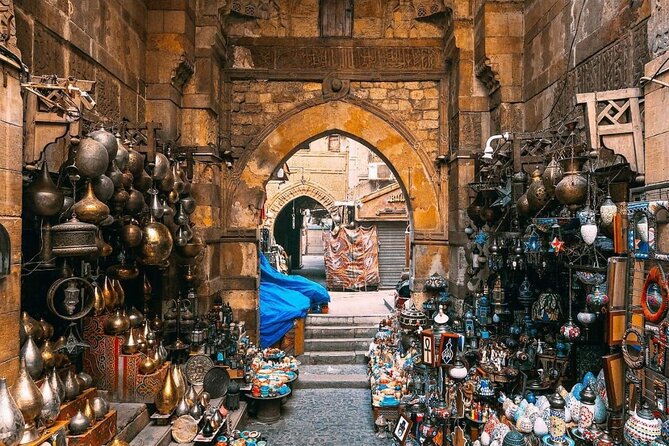
The final major stop is Khan Al-Khalili, described as the famous bazaar in the Middle East. This is where the trip shifts from monuments to the everyday energy of Cairo.
You’ll also have “shopping tours throughout” during Khan el-Khalili. That phrase matters. It suggests you’re not just dropped in the middle of a maze and left to fend for yourself. You have a guide relationship, which can help you navigate and pick what you’re actually looking for.
Keep your expectations practical. A bazaar stop can be shopping-first or sight-first, depending on how you handle it. If you want souvenirs, this is a good time. If you mainly want atmosphere, you’ll still enjoy the experience, but focus on browsing and photos rather than trying to buy everything.
Then it’s straight to Cairo Airport for the flight back to Hurghada. The day ends without the stress of guessing transit timing on your own, since the tour includes transfers.
Price and logistics: is $763 really value, or just busy?
At $763 per person, this 2-day Cairo trip is not cheap. But it includes the expensive parts that usually drive costs in Egypt: round-trip internal flights, private air-conditioned transfers, and a private English-speaking guide throughout the tours.
It also includes entrance fees to the sights in Cairo and Giza, plus two lunches in Cairo. Those meals add real value on a short schedule because they protect time and reduce the need to make food decisions while you’re in transit.
The main “extra” item you need to plan for is inside-pyramid access. Tickets to get inside the pyramids aren’t included, and that can be a meaningful add-on depending on what you choose. Another cost consideration is pickup outside core Hurghada areas—Safaga, Soma Bay, Makadi, Sahl Hasheesh, and Elgouna pickups cost extra.
Also remember the tour uses private vehicle transfers and a private guide for your group. In practice, that can feel like better value than joining a random bus tour, especially when you only have 2 days and want less confusion.
One more nuance: the tour can change your hotel if your exact option isn’t available, but only if it’s the same category. So you won’t be left without a place to stay—you might just get a slightly different property.
What the best guide experiences have in common
The review highlights are consistent on one point: the human team matters. Names that show up include Egyptology-guides and tour leaders such as Mahitab (booking coordination), Ahmed Yassin, Hussein, Sami, and Ezzat. Drivers mentioned include Mohamed Mesbah and others, and multiple reviews highlight punctual meetings and feeling looked after.
Even though you’re booking a fixed 2-day plan, you’re actually buying problem-solving. When a schedule is tight—airport transfers, museum timing, and moving between Giza and Cairo—your guide’s ability to keep things calm and organized is the difference between seeing the highlights and just running around.
If you want a smoother experience, you’ll get it by arriving ready: confirm your pickup details before you leave your room, keep your essentials in one bag for the flight day, and let your guide know what matters most to you—pyramids photos, museum objects, or mosque architecture.
Who this 2-day Cairo sprint suits best
This tour is a strong fit if:
- You want major Cairo highlights in a short time window.
- You prefer private guiding instead of a crowded group experience.
- You’re okay with a packed schedule and want someone else handling transfers and admissions.
- You’re the type who likes seeing both ancient sites and Islamic Cairo in one trip.
It may be less ideal if:
- You dislike rushing between stops.
- You want long, slow museum time with no pressure to move on.
- You only care about one site and would rather spend the rest of the day relaxing.
For families or first-timers, the guided structure can feel reassuring. Multiple reviews also mention experiences feeling like a “family outing” rather than just a formal tour, which hints at an approachable style from the team.
Should you book this Cairo-by-air tour from Hurghada?
If you’re short on time and you want maximum Cairo per hour, I’d say yes—with one condition: decide ahead of time whether inside-pyramid entry is worth the extra cost for you.
You’re paying for real logistics help: flights, private transfers, a guide, museum and site admissions, and two included lunches. That combination is hard to replicate on your own without more planning and more risk of schedule headaches.
If $763 still feels high, compare it to what you’d pay for just flights plus an independent guide and admissions for the same sites. For many people, the included structure makes the price easier to swallow. For others, if you love slow travel, you might get more satisfaction by staying longer in Cairo and spreading the sights across multiple days.
FAQ
Is pickup included from Hurghada hotels?
Yes. Pickup services are included from your hotel in Hurghada and return transfer after the tour.
Are flights from Hurghada to Cairo included?
Yes. Your internal flight ticket (Hurghada–Cairo–Hurghada) is included.
What Cairo and Giza sights are covered?
You’ll visit the Great Pyramid area (Cheops/Khufu, Chephren, Mykerinus), the Great Sphinx, the Valley Temple, the Step Pyramid of Djoser, the Egyptian Museum, Salah el din Citadel and the Mosque of Mohamed Ali, and Khan Al-Khalili bazaar.
Are entrance fees included?
Yes. Entrance fees to the sights in Cairo and Giza are included.
Are tickets to go inside the pyramids included?
No. Tickets to get inside the pyramids are not included.
Are meals included?
Yes. Breakfast is included, and there are two included lunches during the Cairo visits.
Is there a guide during the tour?
Yes. You travel with a private English-speaking guide throughout the tours.
Is this tour private or group-based?
It’s private. Only your group will participate.
What if my hotel is outside Hurghada?
If pickup is from Safaga, Soma Bay, Makadi, Sahl Hasheesh, or Elgouna, it’s for an extra charge.
Can I cancel for a full refund?
Yes. You can cancel up to 24 hours in advance for a full refund.
Where does the overnight happen?
After Day 1, you transfer to your hotel in Cairo for overnight. If a specific hotel isn’t available, the provider may change it to a same-category option.