REVIEW · LUXOR
Valley of the Kings, Queens Valley and Hatsheput Temple Private Tour in Luxor
Book on Viator →Operated by Golden Luxor Tours · Bookable on Viator
Tombs feel personal when someone explains them. This private West Bank tour turns Luxor’s big-name sites into a readable story: Valley of the Kings tombs paired with Hatshepsut at Deir el Bahari. I especially like that entrance fees are included, and the pickup/drop-off is handled with an air-conditioned private vehicle for a calmer day. One thing to consider: the sites are spread across the West Bank, so the 4 to 5 hour pace is brisk—plan on walking and moving efficiently.
If you want ancient Egypt with context (not just photos), this format fits well. You’ll get a private English-speaking Egyptologist who focuses on what you’re seeing and why it mattered, including Egypt’s ideas about death and the afterlife.
In This Review
- Key highlights at a glance
- Why a private Egyptologist helps more than you expect
- Valley of the Kings: the royal cemetery story you’ll actually remember
- Deir el Bahari and Hatshepsut: seeing architecture as a power move
- Valle Delle Regine (Valley of the Queens): royal tombs with fewer moving parts
- Colossi of Memnon: the myth behind the silence
- Price and value: what $95 buys you here
- Timing on Luxor’s West Bank: how to make 4–5 hours feel like more
- What it feels like when the guide is the main attraction
- Who should book this West Bank private tour
- Should you book this Valley of the Kings + Queens + Hatshepsut tour?
- FAQ
- What does this private tour include?
- How long is the Valley of the Kings, Queens Valley and Hatsheput Temple private tour?
- Where does pickup happen?
- Are entrance tickets included in the price?
- What sites are visited on the tour?
- Is this tour private or shared?
- Do I need to buy tickets in advance?
- What language is the guide?
- What is the price?
- Is tipping included?
- Should you book this Valley of the Kings + Queens + Hatsheput Temple tour?
Key highlights at a glance
- Private Egyptologist guide who connects tomb scenes and temple walls to the afterlife story
- Entrance fees included for Valley of the Kings, Hatshepsut’s temple, Queens Valley, and Colossi of Memnon
- Pickup from your hotel or Nile cruise plus private air-conditioned transfers on the West Bank
- Tutankhamun’s Valley of the Kings focus including context for the royal cemetery concept
- Deir el Bahari meets Hatshepsut’s reign with the woman-pharaoh angle brought into the visit
- Mobile ticket for an easier entry day
Why a private Egyptologist helps more than you expect
Luxor’s West Bank can feel like a blur of stone once you’re inside. A private Egyptologist guide changes that fast. Instead of hieroglyphs looking like random lines, you get the meaning behind the paintings and carved texts—plus how the whole death-and-afterlife idea shaped the design of tombs and temples.
The big advantage here is control. You can ask questions, pause for photos, and keep the pace matched to your group. In the reviews tied to this tour style, guides like George and Beshoy get praised for clear English, professional communication, and an upbeat approach that makes the sites feel understandable instead of intimidating.
The tour also comes with logistics handled: service charges and taxes are included, bottled water is provided, and you ride in a private air-conditioned vehicle. That matters in Luxor, where a half-day can turn into a headache if you’re doing taxis and ticket juggling yourself.
You can also read our reviews of more private tours in Luxor
Valley of the Kings: the royal cemetery story you’ll actually remember
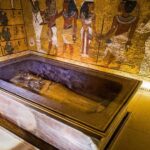
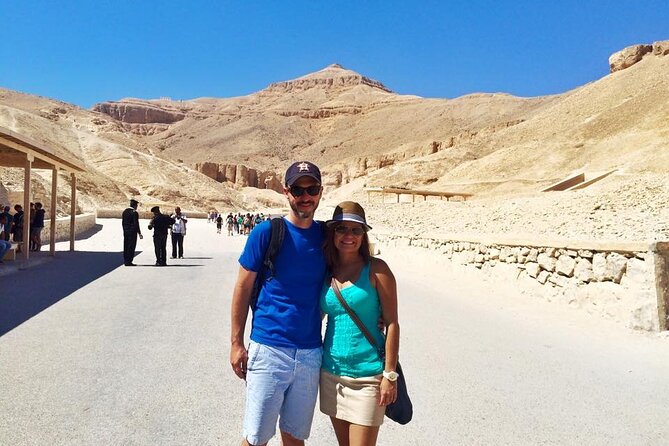
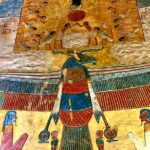
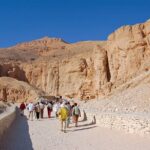
Your morning begins on the West Bank with the Valley of the Kings. This is the big one: the royal cemetery for pharaohs, and the place connected to Tutankhamun—including the idea that he was buried there and later found with treasured items.
What makes this stop valuable on a guided private tour is the framing. You’re not only looking at tomb entrances. You’re learning why this valley was chosen for royal burials and how Egyptians imagined the journey after death. That gives you a reason to look closely at what’s inside.
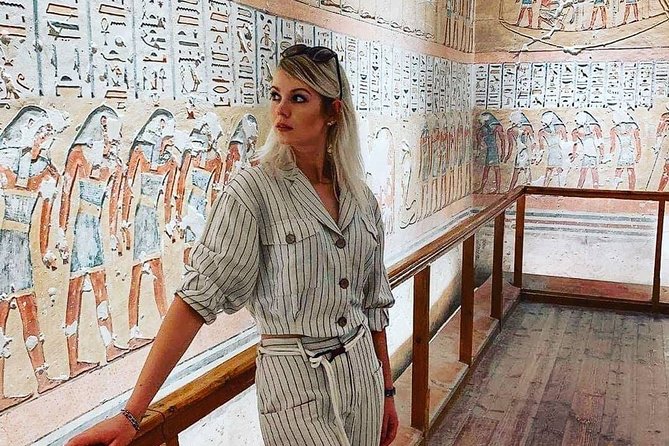
A typical visit here includes time for a guided explanation before you move through the tomb experience. The “what am I looking at?” layer is the difference between feeling awed and feeling lost. You’ll also get guidance on what to expect inside tombs, so you know how to interpret the scenes rather than just spotting colors and figures.
Possible drawback: tombs can be mentally heavy. If you’re not into ancient death symbolism, it might feel intense. But even then, the guide’s explanations help you translate the seriousness into something more human—power, belief, status, and legacy, all carved into the walls.
Practical tip: if your schedule allows, you’ll likely enjoy this stop more when you’re not rushing between sites. Since the whole tour packs several key locations into 4 to 5 hours, I’d treat the Valley of the Kings as your anchor. Get your questions answered here and let the rest of the day follow naturally.
Deir el Bahari and Hatshepsut: seeing architecture as a power move
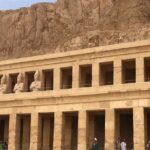
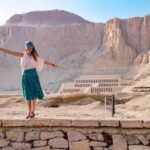
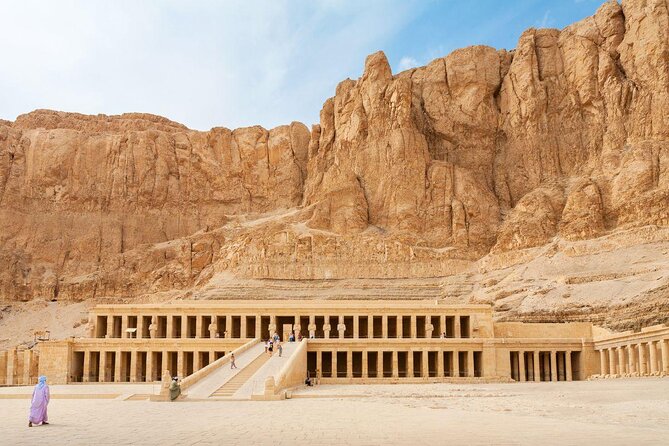
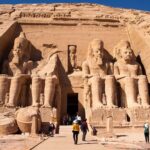
Next up is the Temple of Hatshepsut at Deir el Bahari, one of Luxor’s standout architectural statements. The headline is Hatshepsut herself: the first woman to rule Egypt, with a temple commission that helped cement her authority.
Here’s why this stop works so well on a private tour: you’re not only admiring buildings. You’re learning how one ruler used monumental construction as part of her afterlife and legitimacy strategy. The guide’s story is meant to answer the core questions you’ll have while looking around—how she ruled, why people didn’t simply oppose her, and what the temple’s layout was designed to communicate.
If you love when history feels personal, this is where it clicks. Hatshepsut isn’t just a name on a statue. You see her as a political figure, and the temple becomes evidence of her planning. The architecture’s drama—its terraces and raised spaces—feels intentional once you understand the message behind it.
The admission fee is included, so you’re not dealing with ticket lines or surprise add-ons mid-day. And because this is private, you’re not stuck with a group that keeps moving before your questions are answered.
A consideration: Deir el Bahari can be visually busy, and the day is already scheduled tightly. If you’re the kind of person who likes long, slow museum-style looking, you may want to save extra time for this temple on a separate day. But within this tour, the guide’s explanation helps you get the essentials without losing the plot.
Valle Delle Regine (Valley of the Queens): royal tombs with fewer moving parts
Then you head to Valley of the Queens, often called Valle Delle Regine in tour descriptions. This area includes at least 60 tombs linked to queens of the 18th, 19th, and 20th dynasties, plus other royal-family members. Four tombs are open for viewing during your visit, which makes this stop both focused and manageable.
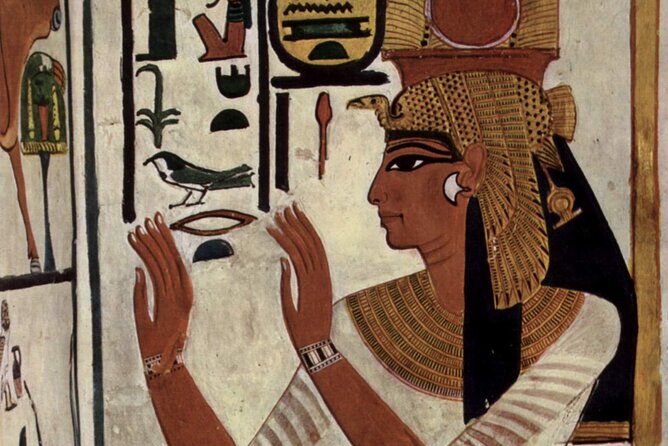
If you’ve done the Valley of the Kings before, the Queens Valley experience can feel different in a good way. The scale may be smaller, but the stories are still royal, still tied to the same core afterlife beliefs, and still full of painted and carved meaning. On a private tour, you can get guidance on what matters in the tomb spaces you’re allowed to see—what to notice first and how the scenes fit into the bigger religious worldview.
This stop is also short in this itinerary, which is smart. It keeps the day from ballooning while still giving you the “other half” of the royal West Bank story. You get variety—queens’ burials alongside kings’ burials—and that makes the trip feel richer.
Practical note: tomb interiors often change how you see details. Lighting can be dim and surfaces can be worn. A guide helps you pick out the main ideas even when the visuals aren’t perfectly crisp.
Colossi of Memnon: the myth behind the silence
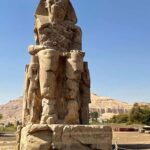
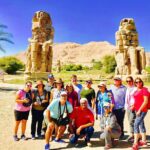
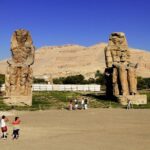
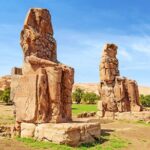
Before the tour finishes, there’s a quick stop at the Colossi of Memnon. These are the two famous statues known as the singing statues—though they’re not singing anymore. The charm of this stop is exactly the kind of storytelling a good Egyptologist brings: how statues connected to sound in ancient accounts, and why the legend continues even after the “song” stopped.
This is not a long stop—about 20 minutes in the tour schedule—so I treat it like a breather and a mythology payoff. You get a memorable capstone image, plus context that links the statues to cultural storytelling rather than treating them like random rocks at the edge of a road.
If you’re short on time in Luxor, this stop is still worth it because it adds variety to the afternoon: from tomb interiors and temple terraces to a landscape moment with strong historical legend.


Price and value: what $95 buys you here
At $95 per person, this tour can be good value—mainly because the price isn’t “just a guide.” You’re also getting admission fees for all included sites, bottled water, and transfers by a private air-conditioned vehicle with pickup and drop-off within Luxor.
That combination matters. Luxor can be expensive when you add up separate tickets, separate transport, and last-minute “help.” Here, the tour package bundles the core costs, so you can plan without a surprise at the gate.
You also get a mobile ticket, which is a small thing but helps on travel days when you don’t want extra paper or extra steps. And because it’s a private tour/activity, your group stays together rather than sharing time with strangers who pull the schedule off its intended track.
Tipping isn’t included. That’s normal for tours like this, but it’s worth remembering so you’re not scrambling at the end.
Who gets the best value? You’ll feel it most if you care about explanations and you want the day to run smoothly. If you’d rather wander on your own and only want a quick photo pass, you might find a self-guided plan cheaper. But if you want your questions answered at every site, this price is positioned to cover both the “time” and the “translation.”
Timing on Luxor’s West Bank: how to make 4–5 hours feel like more
This experience runs about 4 to 5 hours, and the sites you’ll visit are open during the morning window listed for the experience: 6:00 AM to 1:00 PM.
That timing is helpful. Early hours can mean better light for photos and less heat pressure than the later midday rush. It also matters because you’ll be moving from valley to temple to tomb areas, and those transitions are part of the day.
A private guide helps you keep the day on pace without feeling like you’re sprinting. Reviews tied to this kind of tour experience consistently highlight smooth logistics and clear communication—exactly what you want when you’re trying to enjoy the sites, not manage the day.
Bring the basics: comfortable shoes, sun protection, and water (you’ll get bottled water with the tour, but you’ll still sweat). If you’re traveling with kids, it’s also comforting to know that patience and flexibility have been noted in past experiences with guides associated with this tour style.
What it feels like when the guide is the main attraction
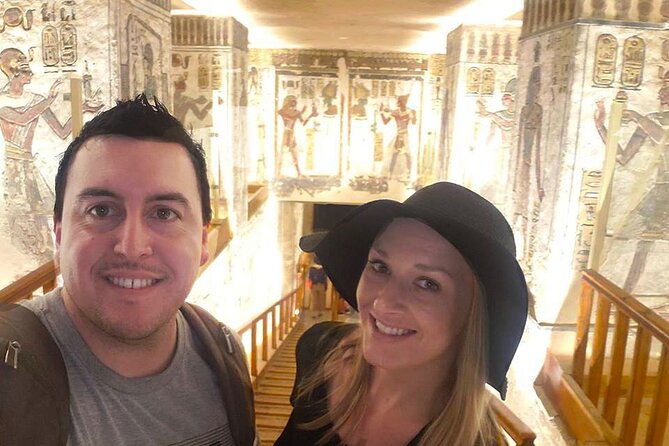
The strongest praise in the provided feedback centers on the guide’s performance. George shows up again and again for professionalism, clear English, responsiveness, and excitement about sharing the history. Beshoy also gets singled out for comprehensive, organized explanations that bring visits to life.
What that tells me is simple: this tour is built around meaning, not just motion. If you’re the type who likes to understand why a wall is painted or why a tomb is built a certain way, you’ll likely enjoy this format a lot.
You’ll also want a guide who can handle different group needs. One review mentions traveling with a toddler and the guide being very patient. Another notes the tour working well for efficient sightseeing in limited time. Those points matter because Luxor days don’t always go perfectly—your guide’s ability to adapt can change your whole experience.
One more practical note: in at least one case, the group was dropped off at Kanak Palace at their request. That suggests drop-offs can be flexible within Luxor when time and routing allow.
Who should book this West Bank private tour
This tour is a great fit if you want:
- A guided explanation at every major stop, especially for death and afterlife themes
- Included entrance tickets without ticket-line stress
- Private pickup from your hotel or Nile cruise
- A “best of” West Bank route that still feels coherent, not random
It may be less ideal if you:
- Want a super slow, wandering pace with long downtime in each site
- Prefer to read on your own and only need transportation
- Hate tomb themes and religious symbolism (this tour centers that material)
If you’re planning a first Luxor trip, this kind of tour gives you context fast. You’ll walk away knowing what you saw and why it was built that way, which makes future ruins easier to understand.
Should you book this Valley of the Kings + Queens + Hatshepsut tour?
I’d book it if you’re trying to maximize meaning in limited time and you don’t want to manage tickets and transport between sites. The biggest value is the private Egyptologist angle plus the way the itinerary moves from kings’ burials to Hatshepsut’s afterlife message, then to queens’ tombs and a myth-filled finale at the Colossi.
If you’re on a tight schedule in Luxor or you’d rather avoid the stress of coordinating multiple stops yourself, this is a strong choice. Just go in with the mindset that the day is packed—and bring comfortable shoes so you can enjoy the story, not just the walking.
FAQ
What does this private tour include?
It includes pickup and drop-off within Luxor, transfers by a private air-conditioned vehicle, bottled water, a private English-speaking Egyptologist guide, and entrance fees to the mentioned sites (Valley of the Kings, Hatshepsut at Deir el Bahari, Valley of the Queens, and Colossi of Memnon).
How long is the Valley of the Kings, Queens Valley and Hatsheput Temple private tour?
The duration is approximately 4 to 5 hours.
Where does pickup happen?
Pickup is offered from your hotel, Nile cruise, or apartment in Luxor.
Are entrance tickets included in the price?
Yes. Entrance fees to all the mentioned sites are included.
What sites are visited on the tour?
The tour includes the Valley of the Kings, Temple of Hatshepsut at Deir el Bahari, Valle Delle Regine (Valley of the Queens), and the Colossi of Memnon.
Is this tour private or shared?
This is a private tour/activity, so only your group participates.
Do I need to buy tickets in advance?
No—this tour provides a mobile ticket, and entrance fees are included.
What language is the guide?
The guide is a private English-speaking Egyptologist.
What is the price?
The price is $95.00 per person.
Is tipping included?
No. Tipping is not included.
Should you book this Valley of the Kings + Queens + Hatsheput Temple tour?
If you want Luxor’s West Bank to make sense—beyond photos—this is a smart booking. The included admissions, private transfers, and expert guide format help you get a clean, story-led route in one half-day, without the stress of ticket logistics.