REVIEW · LUXOR
Standard Nile Cruise 5 days 4 nights from Luxor to Aswan
Book on Viator →Operated by Egyptian Felucca ride On the Nile · Bookable on Viator
That long Nile stretch turns temple touring into a moving vacation. This Luxor-to-Aswan cruise is built around a private Egyptologist guide and four nights aboard the Princess Sarah, so you get serious sightseeing without the hassle of changing hotels. I also like the included pickup and transfers, because Egypt logistics can be stressful when you’re tired.
Here’s the honest catch: the boat experience can feel hit-or-miss. Some cabins and public areas on older Nile ships can seem dated, and you might notice smells or weak ventilation depending on where you’re docked and where your room sits.
In This Review
- Key things to know before you go
- Nile Cruise Value: Why Luxor to Aswan Beats Hotel Hopping
- Princess Sarah Comfort and the Reality of Nile-Ship Living
- Day 1: Karnak and Luxor Temple Without Wasting Your First Day
- Day 2 West Bank Essentials: Valley of the Kings and Hatshepsut at Deir el-Bahari
- Day 3 Edfu Horus Temple and Kom Ombo’s Two-God Layout
- Day 4 Aswan Highlights: Philae, the High Dam, and a Felucca Ride
- Day 5 Abu Simbel: The Big Two-Temple Finale
- Food, Service, and the AC Question You Should Ask Yourself
- Why a Private Egyptologist Guide Changes Everything
- Price Check: Is $780 Worth It on This Luxor-to-Aswan Route?
- Should You Book This Luxor to Aswan Nile Cruise?
- FAQ
- How long is the Nile cruise from Luxor to Aswan?
- What’s the pickup and meeting arrangement in Luxor?
- Is this a private tour?
- Do you have an Egyptologist guide?
- What temples and sights are included?
- Are admissions included for the temples?
- What meals are included during the cruise?
- Is tipping included?
- Is there a felucca ride included?
- What happens if weather is poor?
Key things to know before you go
- Private, Egyptologist-led temple time: You’re not just staring at walls—you’re guided through what matters.
- Four nights onboard the Princess Sarah: Fewer hotel moves means more time for temples and the river.
- A tight temple run from East and West Luxor to Nubia: Karnak, Luxor Temple, Valley of the Kings, Edfu, Kom Ombo, Philae, and Abu Simbel.
- Meals are mostly handled for you: Breakfast and lunch/dinner are included, which matters after long tours.
- Comfort is not always “5-star” in the Western sense: AC can be weak, rooms can be older, and docking can affect views and smells.
Nile Cruise Value: Why Luxor to Aswan Beats Hotel Hopping
This is one of those trips where the value isn’t only the landmarks. It’s the rhythm. You’re moving downriver with a built-in sightseeing schedule, which cuts down on packing, checking out, re-checking in, and re-planning transportation every day.
Starting in Luxor and finishing in Aswan also makes sense. Luxor gives you the best concentration of must-see Ancient Egypt sites on the east bank and the famous West Bank. Then the cruise steadily adds temple stops you’d otherwise need separate tours for. By the final stretch, you’re doing Abu Simbel, the kind of day trip that’s almost easier to justify when you already have a ship carrying you south.
The price is $780 per person for 5 days/4 nights with a private Egyptologist and transfers included. That’s not a bargain for Egypt standards or a luxury deal for Western standards. It’s more like a middle ground: you pay for convenience, guided time, and the fact that most meals are included.
You can also read our reviews of more boat tours in Luxor
Princess Sarah Comfort and the Reality of Nile-Ship Living
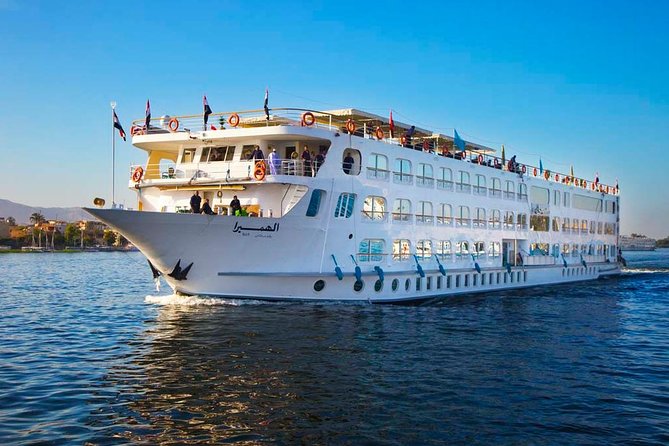
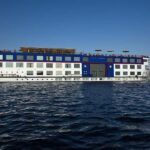
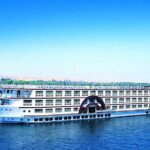
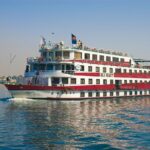
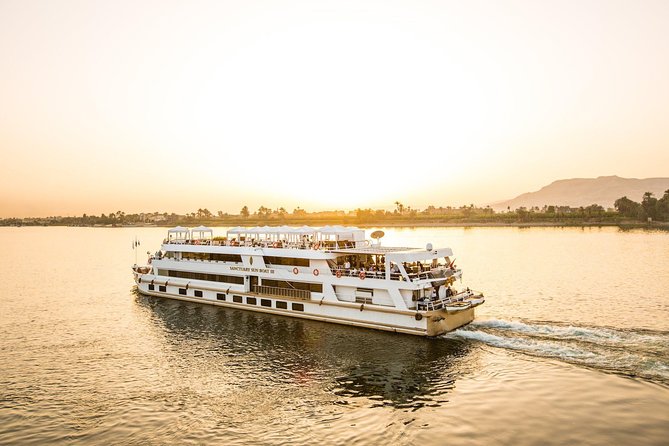
Accommodation is onboard the Princess Sarah for four nights, with overnights tied to stops like Edfu and Kom Ombo. I like this because you get back to the ship after temple hours without hunting for dinner or transport. In Egypt, that kind of time-saving is real.
Now the part you should plan for: Nile cruises are famous for variability. The ship can feel older than the “five-star” label some people expect, and maintenance and cleaning can be uneven in places. If you’re sensitive to smell or expect fresh, modern finishes, you should know that some passengers report diesel odors when ships are docked close to each other—especially if you’re near where other boats sit.
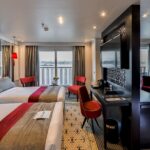
Comfort details also matter. Some rooms have twin beds, and some layouts can feel tight. If you want a big room, you may feel underwhelmed. On the other hand, you’ll spend less time in your cabin than you think because the schedule is packed with excursions.
Also, don’t count on a perfect view from your window every day. If your ship docks attached to other vessels, your sightlines can be limited. This is one of those Nile logistics quirks that the itinerary can’t fully control.
Day 1: Karnak and Luxor Temple Without Wasting Your First Day
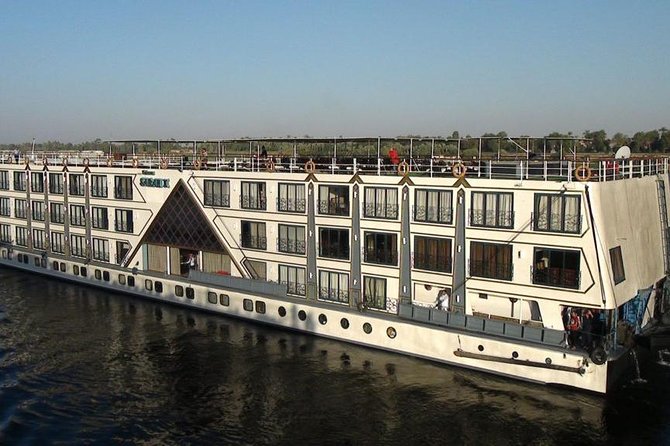
Your first day is about getting oriented fast, then getting wowed. You’re met and assisted in Luxor (or from the Luxor airport), then transferred to the cruise. Boarding happens before lunch, so you don’t lose your first afternoon to delays.
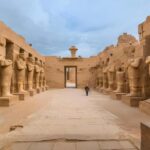
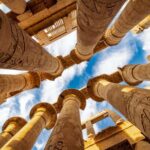
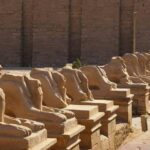
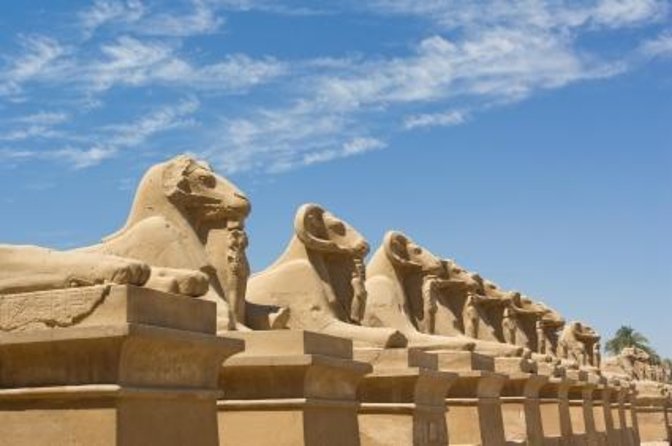
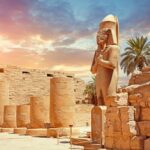
After lunch onboard, you visit Karnak Temple and Luxor Temple, with a focus on major sections like the Hypostyle Hall with its massive columns and the Avenue of Sphinxes approach. Karnak is the kind of place where scale hits you in waves. A good guide makes it easier to understand why the temple complex feels like a city.
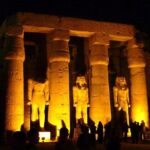
Then you head to Luxor Temple to see the courtyard and the granite statues of Ramses the Great. If you care about narrative—who built what, and why—you’ll get more from Luxor Temple than just taking photos. This is exactly where having a private Egyptologist guide pays off. You’re not just walking; you’re connecting symbols to time periods.
A practical note: temple days in Egypt involve walking and heat. Wear shoes you can trust, and plan to bring water. You’ll be happier if you treat the first day like a slow ramp-up rather than a sprint.
Day 2 West Bank Essentials: Valley of the Kings and Hatshepsut at Deir el-Bahari
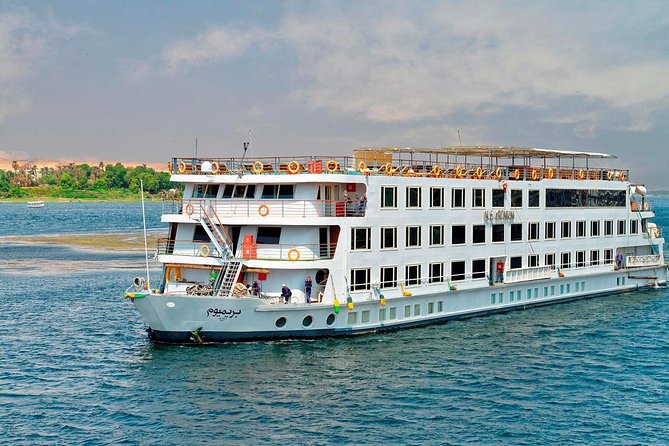
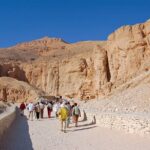
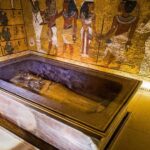
The West Bank day is where Luxor turns from impressive to legendary. Breakfast is onboard, then you’re taken to the Valley of the Kings. This is one of the best “concentration” sites for Ancient Egypt because you’re seeing royal tombs—each one tied to a dynasty’s power and beliefs.
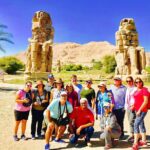
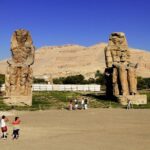
You also get the Colossi of Memnon, two giant sitting statues facing the Nile. They’re great for photos, but the real point is how they anchor the geography. Once you see them, you understand where the river and the ancient city sit in the bigger story.
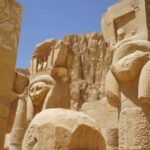
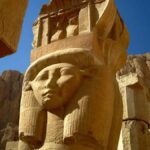
Then comes El Deir el-Bahari, home to the Temple of Queen Hatshepsut. The temple complex has a dramatic look, with a feel that you’re walking into a carefully staged setting. With a guide, it’s easier to spot design choices that weren’t accidental.
After lunch onboard, you sail toward Esna. Tea is included, and the itinerary even includes onboard fun like a disco-style party. If you want a break from temples but still want the trip to feel lively, this is a nice reset.
One more logistics detail to keep in mind: overnights are onboard, and day-to-day travel on the river can make evenings feel different from hotels. If you like a calm night, bring earplugs just in case. If you like social energy, you’ll probably enjoy the ship events.
Day 3 Edfu Horus Temple and Kom Ombo’s Two-God Layout
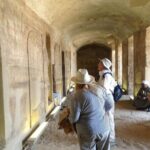
Day three begins with Edfu and the Temple of Horus. This temple is famous for how well-preserved it is compared to many others. The structure helps you picture how the Egyptians organized sacred space, and a guide can point out the story you’re seeing in the carvings.
Once that’s done, you sail to Kom Ombo and visit the temple shared by the two gods: Sobek and Haroeris. The “two-god” layout is a cool way to experience how Egyptian religious practice wasn’t one-size-fits-all. It also makes the visit feel a bit different from the other stops.
You’ll have lunch onboard, plus tea time, dinner onboard, and a galabya-style party. That last part matters more than it sounds. On busy temple itineraries, a themed night gives you something to do that doesn’t involve dragging yourself out for one more meal plan.
A few more Luxor tours and experiences worth a look

Day 4 Aswan Highlights: Philae, the High Dam, and a Felucca Ride
Aswan is where the trip shifts from temple-heavy days to landscape-and-meaning days. You arrive after sailing, then visit the High Dam, the Granite Quarries, and Philae Temple.
Philae is often the temple you remember when the itinerary starts blending together. It feels distinct, and it benefits a lot from guided explanations. If you like understanding what you’re looking at, this is a great day for it.
After lunch onboard, you sail by felucca around Kitchener’s Island and the AghaKhan Mausoleum. This is a slower, more open-air segment that balances the stone-and-steps schedule. Even if you’re not a “boat person,” it’s a nice break for your legs.
The day ends back onboard with dinner and another overnight in Aswan. I like that the itinerary doesn’t leave you scrambling for transportation at night. After long days, you want the schedule to hold you up, not add friction.
Day 5 Abu Simbel: The Big Two-Temple Finale
Abu Simbel is the headline finish for a reason. You’ll take the trip back from Aswan for the visit to the colossal Temple of Abu Simbel, built by Ramses II. The temples were carved into a rock cliff, and you’ll see the huge façade with representations of the deities each temple honored.
You also have the nearby small Temple of Nefertari, dedicated to the goddess Hathor. That pairing is important because it shows how rulers used grand and intimate spaces together—power and devotion side by side.
Admission for the Abu Simbel visit is listed as free in this package. That’s a meaningful value add, because Abu Simbel can be pricey compared to other sites. It’s also one of those places where a guide can help you understand alignment, symbolism, and why the site is so famous beyond its size.
Expect a long day. Abu Simbel is worth it, but you’ll be tired by the end. The good news is that the experience ends back at the meeting point, so you’re not left guessing how to get home.
Food, Service, and the AC Question You Should Ask Yourself
Meals are part of the package: breakfast onboard and lunches and dinners are included for most of the cruise days, plus snacks. This is a real convenience win. Temple touring plus meal planning adds up fast, and here you don’t have to make daily restaurant decisions.
Quality can vary. Some onboard meals are reported as good with variety, and staff service can be helpful and attentive. You might also find that Western-style buffet options are offered, but quality won’t always match North American expectations. Breakfast is an area where people sometimes feel there’s not much selection.
The ship’s dining experience also depends on the day and the crowd. If you’re flexible and you don’t need gourmet meals every day, you’ll likely be fine. If you have strong food standards, plan to supplement with snacks you like.
Now, the AC and cabin cooling issue is worth taking seriously. Some passengers report AC that hardly works, along with heat-trapping room features. Sliding doors and older room designs can make it feel stuffy. I suggest bringing a small fan if you run hot, and keeping expectations realistic for an older cruise ship.
Also consider the ship environment. Some people note small sundeck space, so if you want lots of sun and easy deck access, you might be sharing it.
Why a Private Egyptologist Guide Changes Everything
This cruise includes a private tour with Egyptology guidance. That’s the part of the deal that you should care about most, because temples and carvings can feel chaotic without context.
A guide helps you connect the dots:
- why Karnak’s scale is the way it is
- how Ramses II’s presence shows up in multiple places
- what the Valley of the Kings represents beyond “pretty tombs”
- why Hatshepsut’s temple looks staged and intentional
- how the gods of Sobek and Haroeris divide the space at Kom Ombo
One guide name that stands out in the onboard experience is Eid, praised for being attentive, explaining well, and offering good punctuality. Even if your guide isn’t Eid, the overall value is the same: you get a human translator for symbols and timelines.
This matters if you want the trip to feel satisfying, not just scenic. When the explanations click, you’ll remember the carvings long after the photos fade.
Price Check: Is $780 Worth It on This Luxor-to-Aswan Route?
Let’s talk value the practical way. At $780 per person, you’re paying for:
- four nights of onboard accommodation
- a private Egyptologist guide
- included transfers and hotel pickup/drop-off
- meals (breakfast, lunches, dinners, plus snacks)
- major temple admissions tied to the itinerary
You’re also paying for a smoother travel day experience. You don’t switch hotels. You don’t organize day-to-day logistics. For many people, that alone is worth real money, especially if your time is limited.
What you’re not paying for: tipping. It’s not included, so budget for it. Also, comfort is not guaranteed to match Western hotel standards. Some cabins and ships can feel dated or less thoroughly maintained than expected.
If your top priority is temples plus convenience, this can be a strong deal. If your top priority is luxury comfort, you may feel disappointed in the ship side of the package. The best strategy is to book with open eyes and aim your expectations at the temples, not the cabin.
Should You Book This Luxor to Aswan Nile Cruise?
I’d recommend this cruise if you want a structured, temple-forward trip and you don’t want to manage transport and guides day by day. The private Egyptology component is the heart of it, and the route hits the major temples people travel for: Karnak, Luxor Temple, Valley of the Kings, Edfu, Kom Ombo, Philae, and the Abu Simbel finale.
I’d hesitate if you’re very sensitive to cabin conditions like odor, weak AC, or older ship maintenance. If you want a modern, pristine room and large deck space, this package might feel like it’s fighting your comfort standards.
My quick decision rule: if you’re here for the archaeology and you’re okay with basic-to-moderate onboard comfort, book. If you’re expecting high-end hotel luxury on the water, spend your money elsewhere or look for a newer ship category.
FAQ
How long is the Nile cruise from Luxor to Aswan?
It runs for 5 days and 4 nights, with the Luxor start and an Aswan finish that includes the Abu Simbel visit on day 5.
What’s the pickup and meeting arrangement in Luxor?
You can be met and assisted at your hotel in Luxor or from Luxor airport, then transferred to the cruise. Pickup and drop-off are included.
Is this a private tour?
Yes. It’s listed as a private tour/activity where only your group participates.
Do you have an Egyptologist guide?
Yes. The package includes the services of an Egyptologist guide.
What temples and sights are included?
Key stops include Temple of Karnak and Luxor Temple, Valley of the Kings and the Temple of Queen Hatshepsut, Temple of Horus in Edfu, the Sobek and Haroeris temple in Kom Ombo, High Dam and Philae Temple in Aswan, and Abu Simbel on the final day.
Are admissions included for the temples?
Admission tickets are listed as included for the main temple visits across the itinerary, and Abu Simbel is listed as free for the visit on day 5.
What meals are included during the cruise?
Breakfast is included for the 4 cruise days, and lunch and dinner are included for the trip days listed in the itinerary, along with snacks.
Is tipping included?
No. Tipping is listed as not included.
Is there a felucca ride included?
Yes. The itinerary includes sailing on the Nile by felucca around Kitchener’s Island and the AghaKhan Mausoleum.
What happens if weather is poor?
This experience requires good weather. If it’s canceled due to poor weather, you’ll be offered a different date or a full refund.