REVIEW · LUXOR
Private tour West Bank Luxor: Valley of the Queens, Nobles, lunch
Book on Viator →Operated by Far and Beyond Travel · Bookable on Viator
Queens and nobles, quietly impressed me. This private West Bank outing in Luxor strings together three spots most people skip: Tombs of the Nobles and the Deir el-Medina workers’ village, then finishes at the Valley of the Queens. I love how the Tombs of the Nobles show painted interiors and courtly power, and I love how Deir el-Medina helps you picture the artisans who actually made the tombs.
The one thing to watch is cost creep. Entrance tickets are not included, and the famous tomb of Nefertari needs an extra ticket, so budget a bit beyond the $65 price if that’s your priority.
In This Review
- Key highlights you’ll actually feel
- A quiet West Bank plan built around women, power, and workers
- Price and value: what $65 covers, and what you must plan for
- Stop 1: Tombs of the Nobles and the painted world of courtiers
- Stop 2: Deir el-Medina, the artisan village behind the royal tombs
- Stop 3: Valley of the Queens and why the walls look different
- Lunch at Malkata House: a break with desert views
- Getting the timing right: how to handle a 6-hour West Bank day
- Who this tour is best for (and who might want something else)
- Should you book this West Bank private tour?
- FAQ
- What sites does this private tour include?
- How long does the tour last?
- Is hotel pickup offered?
- Is lunch included?
- Are entrance tickets included?
- Can I visit the tomb of Nefertari?
- What’s included besides the guide and lunch?
- Is this tour private?
- Are tips included in the price?
- Is the experience refundable or changeable?
- Are service animals allowed?
Key highlights you’ll actually feel
- Tombs of the Nobles first: a less-crowded start with painted tombs from the 6th Dynasty through Greco-Roman times
- Deir el-Medina, the artisan village: you’ll connect the Valley of the Kings/Queens to the people who carved and decorated them
- Valley of the Queens logic: learn why the builders used muna (lime paste) on grainy rock walls
- Private setup: only your group, with an air-conditioned vehicle and Egyptologist guide
- Lunch at Malkata House: an easy sit-down with desert views over the Valley of the Queens
A quiet West Bank plan built around women, power, and workers
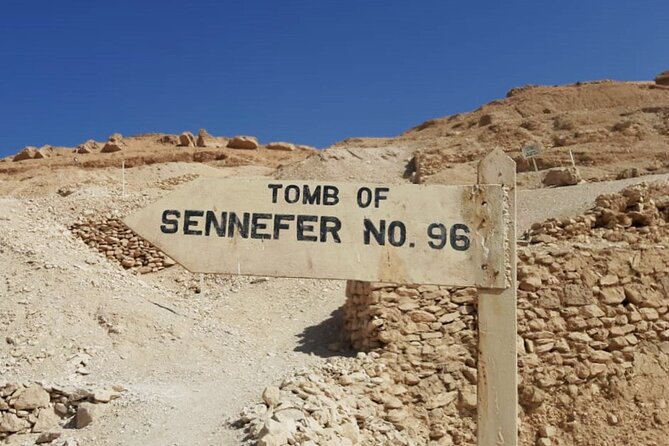
Luxor’s West Bank can feel like a highlight reel if you only hit the biggest-name tomb valleys. This tour takes a different angle. You’ll move through the world of elite officials (Tombs of the Nobles), then the town of the craftsmen (Deir el-Medina), and finally the royal family resting place (Valley of the Queens).
What makes it work is the sequence. You’re not just checking boxes. You get the “who,” then “who made it,” then “where queens and children were buried,” so the sites click together in your mind instead of blurring into one long day of ancient rooms.
You can also read our reviews of more private tours in Luxor
Price and value: what $65 covers, and what you must plan for
This tour is priced at $65 per person for about 6 hours. For that money, you get an Egyptologist guide, air-conditioned vehicle, lunch, and private transportation. That’s the core value: you’re paying for good interpretation plus comfort on a full West Bank day.
What’s not included is the part that often surprises people: entrance tickets. The tour also notes that the tomb of Nefertari requires an extra ticket. If you’re hoping to see that specific tomb, treat the $65 as the starting point and plan for additional site fees.
Tipping is also not included. That means if your guide does a great job explaining what you’re seeing, you’ll likely want to set aside tip money ahead of time rather than wing it.
Stop 1: Tombs of the Nobles and the painted world of courtiers
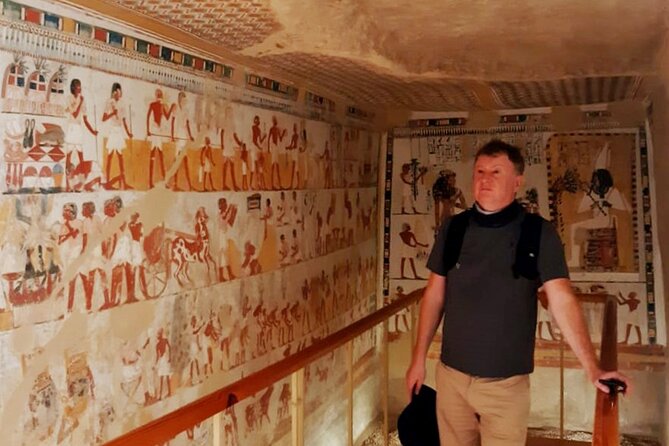
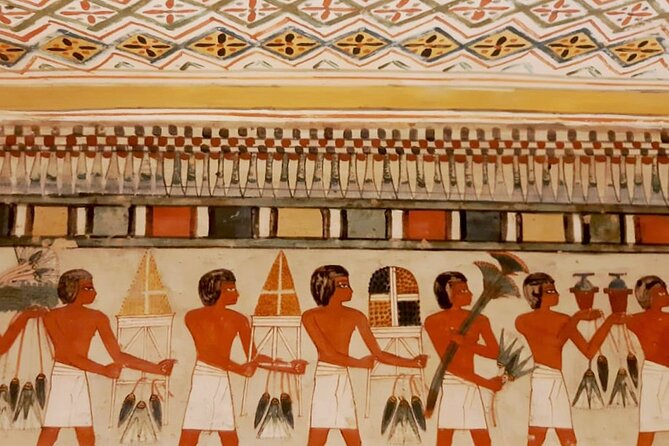
You’ll start with the Tombs of the Nobles, burial grounds for courtiers and important figures on Luxor’s West Bank. The area includes more than 400 tombs, spanning from the 6th Dynasty through to the Greco-Roman period. That range matters. It means you’re not just seeing one narrow style of tomb art and decoration.
This stop is described as one of the least visited attractions on the West Bank. That’s good news for your comfort and your photos. Fewer people often means more time staring at details instead of shuffling past them.
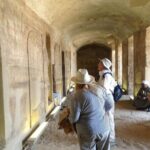
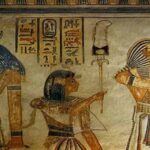
The big payoff here is the art itself. These tombs are known for beautiful decoration and enchanting colors, with scenes and paintwork that help you understand how status was displayed in death. Since the tour time for this stop is about 1 hour 30 minutes, it’s not a drive-by. You should have enough time to linger at the tombs that catch your eye and let the Egyptologist guide connect what you see to who these people were.
A practical consideration: these are tombs, so expect uneven surfaces and a bit of walking over the West Bank terrain before you fully settle into the rooms and corridors.
Stop 2: Deir el-Medina, the artisan village behind the royal tombs
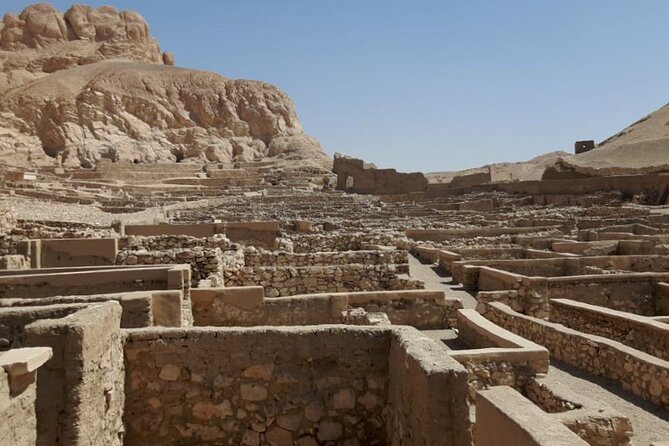
Next up is Deir el-Medina, also called the Valley of the Artisans. This part of the tour is key because it answers a question most people never ask: who did the day-to-day work of building and decorating all those royal tombs?
Deir el-Medina was a workers’ village for the craftsmen responsible for the tombs in the Valley of the Kings (and also the Queens). During the 18th to 20th Dynasties, the residents included stonemasons who excavated tombs in the limestone cliffs and artists who sculpted and painted. The idea is simple but powerful: the scenes you’re about to see in tombs were made by a community with specialized skills and daily routines.
The settlement was founded by Amenhotep I and was occupied through the 19th and 20th Dynasties. There’s also a small temple here: a Ptolemaic temple dedicated to goddesses Hathor and Maat. Even if you’re not a temple architecture person, it’s worth paying attention because it ties the village to worship practices that outlasted the active tomb-making years.
Time-wise, you’ll spend about 1 hour 30 minutes at this stop. That’s enough to walk the area, absorb the context, and understand why this site belongs in the same conversation as the Valley of the Queens.
One drawback to keep in mind: since entrance tickets aren’t included, check whether you’ll be buying tickets onsite or handling them before you arrive. Either way, make sure you don’t lose time at the start of this stop.
Stop 3: Valley of the Queens and why the walls look different
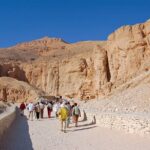
Then comes the main event: the Valley of the Queens. This is a burial place from the New Kingdom, similar in spirit to the Valley of the Kings but focused on queens and royal children, with nobles also included in some tombs.
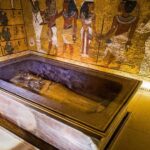
What I like about this stop is the specific building detail you’ll hear. The rock structure is described as grainy, so the artisans used a different technique than in the Valley of the Kings. Instead of the same kind of wall treatment, they used muna, a lime paste, to smear on the walls. That sort of technical explanation changes how you look at the tomb interiors. You stop seeing only pictures and start seeing the practical problem-solving behind them.
The tour info notes there are more than 90 known tombs. A typical tomb layout includes an entrance passage, a few short halls, and a sarcophagus chamber. With about 2 hours here, you should be able to walk through enough space to grasp the repeating layout and notice how decoration themes shift from tomb to tomb.
Nefertari heads the list for most people. The tour states the tomb of Nefertari can be visited with an extra ticket. If seeing her tomb is your must-do, you’ll want to make that decision before you arrive, because the timing of extra-ticket sites can affect how long you have at the other tombs.
A few more Luxor tours and experiences worth a look


Lunch at Malkata House: a break with desert views
After tombs, corridors, and that sand-dry air smell that sticks to your clothes, lunch should feel like a reset. Here you go to Malkata House, described as offering an authentic Egyptian lunch with views of the desert and the Valley of the Queens.
The tour time for this stop is 1 hour, and the lunch part is listed as admission free. That’s a small but welcome detail: you’re not paying another entry fee just to eat. You get a real break from walking, plus a chance to soak in the geography of where the sites sit in relation to each other.
This is also a smart moment for practical decisions. If you’re unsure whether to add the Nefertari tomb, you can ask your Egyptologist guide during the meal and get guidance based on your priorities and the pace of the day.
Getting the timing right: how to handle a 6-hour West Bank day
A 6-hour private tour is long enough to see meaningful differences between sites, but short enough that you’ll want to move at a steady pace. The itinerary is built to do that: 1.5 hours at Tombs of the Nobles, 1.5 hours at Deir el-Medina, 2 hours in the Valley of the Queens, plus 1 hour for lunch.
Because entrance tickets aren’t included, your day can become smoother if you’re mentally ready for that add-on. If you buy tickets in advance (if offered during booking or by the local team), you’ll spend more time inside the tombs and less time waiting.
Also, remember you’re in Luxor. Even with an air-conditioned vehicle, you’ll still step outside in the West Bank heat and light. Bring what you need for comfort: sun protection and water habits that work for you.
Who this tour is best for (and who might want something else)
This tour fits best if you want more than the biggest names. If you like the idea of seeing tomb art plus the working village that made it possible, you’ll feel the difference right away at Deir el-Medina.
It’s also a strong choice if you care about avoiding the biggest crowds. The itinerary starts with the Tombs of the Nobles, described as among the least visited on the West Bank, and the private setup means you’re not tied to the rhythm of a large group.
If you only care about the most famous tombs and nothing else, you may feel pulled toward paying extra for the Nefertari tomb and potentially want a route with fewer intermediate stops. But if you’re open to the story of how the system worked—elite burials, artisan labor, and queen-focused tomb architecture—this balance is the point.
Should you book this West Bank private tour?
Yes, if you want a well-paced West Bank day that connects sites into a clear story. The combination of Tombs of the Nobles, Deir el-Medina, and the Valley of the Queens gives you more than a checklist. You’ll leave with a better sense of who mattered, who built, and how burial art adapted to real working conditions like the rock quality in the queens’ valley.
One caution: plan for entrance tickets and decide ahead of time whether Nefertari is a must for you. If you budget for that, the $65 price feels like a fair deal because you’re getting guide time, vehicle comfort, and lunch in one package.
FAQ
What sites does this private tour include?
It includes the Tombs of the Nobles, Deir el-Medina (the Valley of the Artisans), the Valley of the Queens, and lunch at Malkata House.
How long does the tour last?
The tour duration is about 6 hours.
Is hotel pickup offered?
Pickup is offered.
Is lunch included?
Yes. Lunch is included at Malkata House.
Are entrance tickets included?
No. Entrance tickets are not included for the tomb sites.
Can I visit the tomb of Nefertari?
Yes, but it requires an extra ticket.
What’s included besides the guide and lunch?
You get an Egyptologist guide, an air-conditioned vehicle, and private transportation.
Is this tour private?
Yes. It is private, so only your group participates.
Are tips included in the price?
No. Tips are not included.
Is the experience refundable or changeable?
It is non-refundable and cannot be changed for any reason.
Are service animals allowed?
Yes, service animals are allowed.
If you’d like, tell me when you’re visiting Luxor and whether Nefertari is a priority, and I’ll help you think through a good plan for timing and budgeting.