REVIEW · LUXOR
Private Sightseeing Of Luxor In 3 Days.
Book on Viator →Operated by Egypt Royal Tours · Bookable on Viator
Ancient Egypt, but with zero planning stress. This private, guided 3-day package strings together major Luxor-area sites—plus optional Cairo and Alexandria highlights—with an Egyptologist-style briefing that keeps the stories clear (not mushy). I like the round-trip pickup plus air-conditioned van, and I really like that entrance fees and lunch are built into the price. The main drawback? With this much to see in a short window, it can feel like a fast moving day, and the Cairo/Alexandria portion may require arranging a domestic flight since it’s not included.
You also get the kind of guide attention that makes a difference when you’re standing in front of huge temples or picking your way through tomb corridors. In feedback for this experience, guides nicknamed Sugar Queen and Hala get called out for being friendly, flexible, and good at matching what you want to the time you have.
One more thing to consider: the tour requires good weather. If conditions aren’t right, you may be offered a different date or a full refund. So if you’re traveling around fixed events, keep that in mind.
In This Review
- Key things to know before you go
- Private 3-day sightseeing: the logistics that make the temples enjoyable
- Luxor Temple and Karnak: where you can feel the Theban story begin
- Valley of the Kings and Valley of the Queens: tombs with names you can place
- Colossi of Memnon and Deir el-Bahari: myths you can point at
- Temple of Horus at Edfu and Kom Ombo: a satisfying finish by the Nile
- Cairo and Alexandria highlights: what the package promise means in real life
- Guides, van transfers, and lunch: where the value actually shows
- Who should book this Luxor private tour in 3 days?
- Should you book this private Luxor sightseeing tour?
- FAQ
- What time does the tour start?
- Where will you be picked up?
- Is this tour private?
- Are entrance fees included?
- Is lunch included?
- Are tickets digital or paper?
- Do I need a domestic flight?
- What kind of vehicle is used?
- What happens if weather is bad?
- Can I cancel for a full refund?
Key things to know before you go
- Private guide, private pacing: Your group stays together and the guide can adjust stops based on what you want most.
- Entrance fees + lunch included: Fewer pay-at-the-door moments, and you can actually rest your brain between sights.
- Air-conditioned modern van: A real upgrade in Luxor heat, especially on travel days.
- A lot of Egypt in 3 days: Expect a packed schedule, not a slow wander.
- Mobile ticket: Useful for getting into sites without extra hassle.
- Weather matters: The experience depends on decent conditions.
Private 3-day sightseeing: the logistics that make the temples enjoyable
Here’s the thing about Egypt’s big monuments: the hard part isn’t just seeing them. It’s managing time, tickets, getting from place to place, and avoiding the mental tax of planning. This tour is designed to remove that pressure.
You start with a 7:30 am start time and pickup is included—either from your hotel in Luxor or from the Luxor Airport, depending on where you’re arriving. You’re also dropped back at the end of the tour (to Luxor Airport), which means you’re not scrambling for transport after the last stop.
You travel in an air-conditioned van with a modern model, and you’ve got an expert Egyptology guide leading the conversation. That matters because so many sites layer time on top of time. A good guide helps you see the logic in what you’re looking at, not just the surface details.
And since entrance fees are included for every named site, you’re not constantly switching between sightseeing mode and ticket-counters-and-lines mode. Lunch is also included for the day(s) in the program, which helps you keep energy up without hunting for a meal mid-plan.
You can also read our reviews of more private tours in Luxor
Luxor Temple and Karnak: where you can feel the Theban story begin
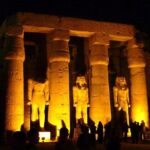
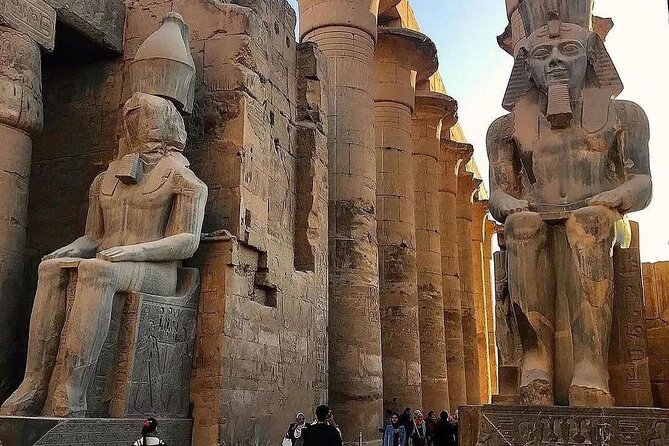
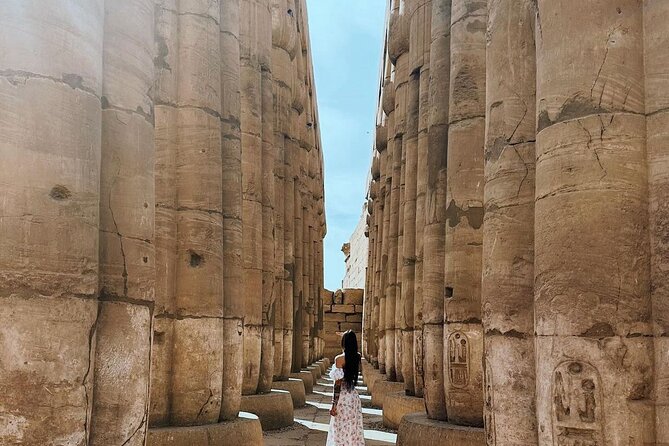
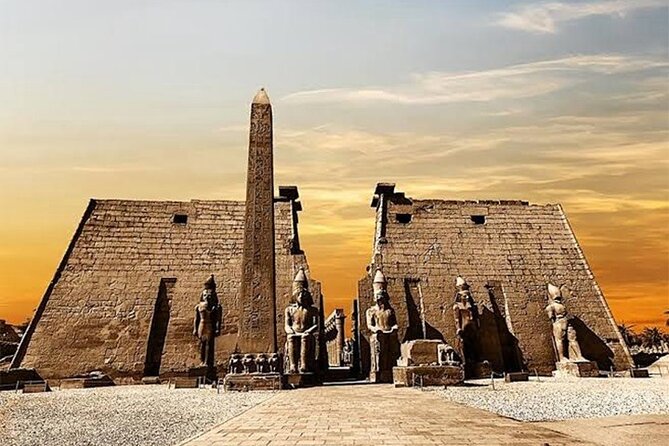
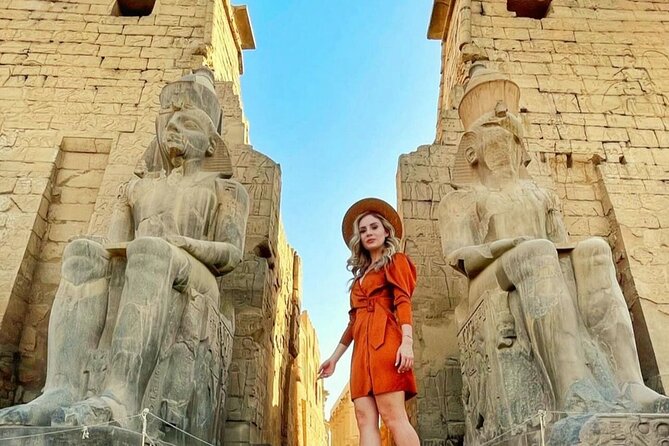
Day one opens with Luxor Temple, a very visual way to start because it’s built in layers you can actually sense. The temple was built by Amenhotep III in the 18th Dynasty and finished by Ramesses II during the 19th. It’s dedicated to Amun-Ra, along with Mut and Khonsu—the Theban triad.
One highlight your guide will point out is the Obelisk of Ramses II standing in front of the 1st Pylon. Standing there, you get a nice sense of how royal power used architecture as messaging. You’re not just reading about kings—you’re looking at how they wanted to be remembered.
You spend about 2 hours here, and admission is included. In a private format, that time doesn’t get wasted. You can ask questions as you go, and you can move at the pace your group needs. If you like photos, you’ll also have time to reposition rather than rushing through the same angles.
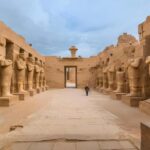
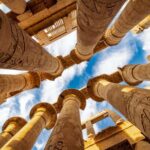
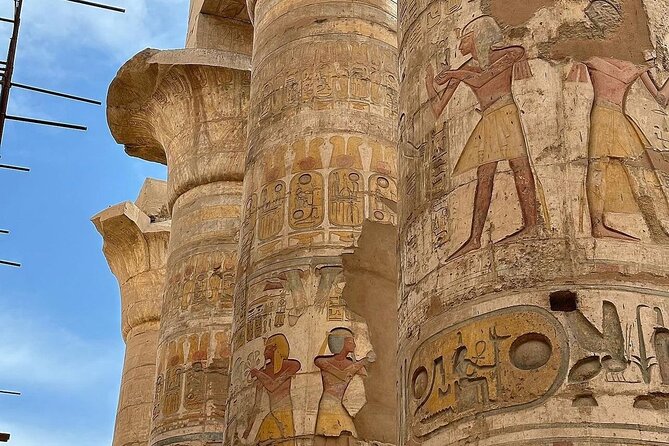
Then it’s off to Karnak Temple, often described (by anyone who’s been) as the place where you realize Egypt wasn’t kidding about scale. This site is dedicated to Amun and the same supporting figures—Mut and Khonsu—and it stretches across long spans of Egyptian rule, from the Middle Kingdom all the way to the Graeco Roman Kingdom.
The guide’s job here is practical: help you make sense of the site’s many eras so it doesn’t turn into a blur of columns. Karnak is big, but it’s not random. You’ll get a clearer understanding of why certain sections were built and what the different additions were meant to communicate.
After Karnak, you take lunch in a nice restaurant and then transfer back to your hotel. That restaurant stop is more than a comfort break. It’s also a way to reset—because the next day’s tomb valley circuit is where your feet start earning their souvenir t-shirt.
Valley of the Kings and Valley of the Queens: tombs with names you can place
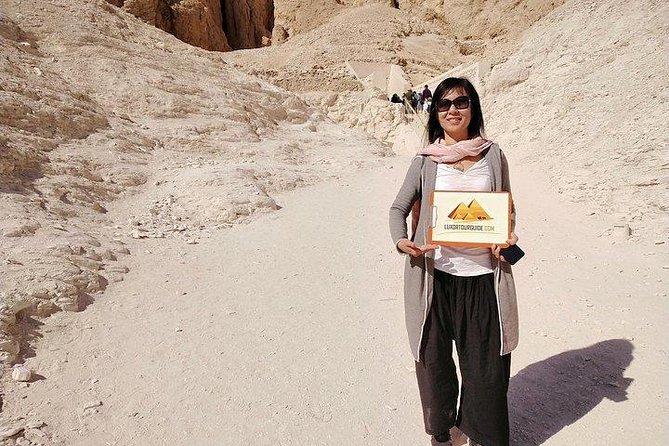
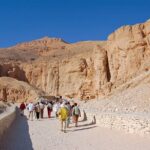
On day two, you go straight into the heart of burial Egypt: the Valley of the Kings. This is where the tour’s storytelling really comes alive, because you’re standing in the setting Egyptian rulers chose for their afterlife plans.
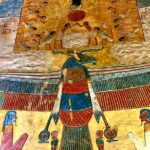
The valley served as a burial ground for kings, and your guide can anchor your visit with specific tomb examples. You’ll hear the names of major kings linked to the famous burials, including Tutmosis I, Tutmosis III, Tut-Ankh-Amon, Ramesses VI, Mrenptah, and Amenhotep II.
It’s about more than seeing a “valley full of tombs.” The private format helps because your guide can steer you toward what’s worth focusing on in your time window. Instead of wandering and hoping you understand what you’re looking at, you get a map in your head.
You spend about 2 hours at the Valley of the Kings, and admission is included. If you enjoy Egyptology details, this is a strong day. If you’re more into visual impact, you still get plenty. Either way, you’ll come away with a clearer sense of how burial design and royal identity worked together.
Next up is the Valley of the Queens, described anciently as Ta-Set-Neferu, which your guide will connect to meanings like The Place of Beauty and The Place of the Royal Children. This stop adds variety because it’s a different set of people and a different type of royal space.
Your visit also gets anchored in early excavation history. The tour includes references to excavations pioneered by Ernesto Schiaparelli and Francesco Ballerini in the early 1900s. That’s a useful touch. It reminds you that what you see today is the result of modern archaeology as well as ancient planning.
The valley includes the main wadi holding many tombs, plus subsidiary valleys such as the Valley of Prince Ahmose, the Valley of the Rope, the Valley of the Three Pits, and the Valley of the Dolmen. The main wadi contains 91 tombs, and your guide will help you understand how to think about that scale without getting lost in numbers.
Again, the stop is about 2 hours, with admission included. It’s a strong pairing because the two valleys give you contrast: who was buried there, and how the landscape served their roles.
Colossi of Memnon and Deir el-Bahari: myths you can point at
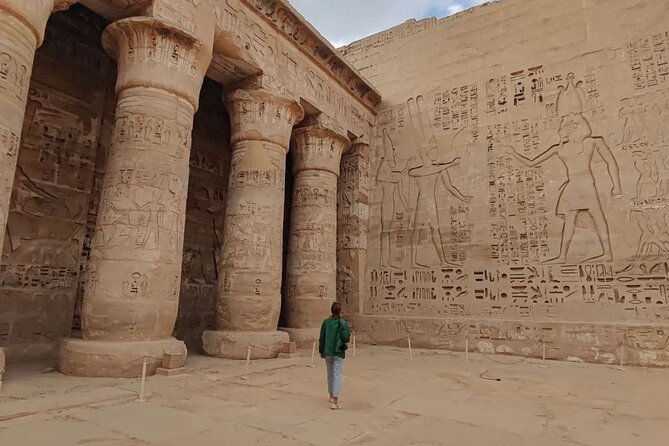
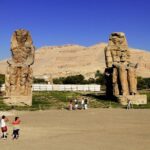
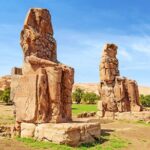
After the valleys, you shift to something dramatically different: the Colossi of Memnon. These are two massive stone statues of Pharaoh Amenhotep III at the front of a ruined mortuary temple in the Theban necropolis.
Your guide will point out the kind of details that make this stop memorable. For instance, the statues have stood since around 1350 BC, and they were known to ancient Greek and Roman visitors. The story continues in the inscriptions: the statues contain 107 Roman-era inscriptions in Greek and Latin dated between AD 20 and 250.
Many of those inscriptions connect to the Greek myth of Memnon. This matters because it shows how older monuments kept getting retold, long after their original purpose changed.
You’ll have about 1 hour here with admission included. In a private tour, an hour is enough to see the statues, understand the legend layers, and still not feel like you’re being dragged from one site to the next without air.
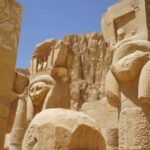
Then you head to Temple of Hatshepsut at Deir el-Bahari. This is one of those stops where your guide’s context really pays off. Hatshepsut was the daughter of Thutmose I, and she ruled for about 20 years in the 18th Dynasty (1490–1469 BC). The tour also emphasizes something specific: she was the only pharaonic woman who reigned ancient Egypt.
Seeing Deir el-Bahari with that context turns the architecture into more than a pretty set. It becomes a statement. Your guide’s job here is to help you connect the queen’s role to why the temple takes the form it does.
You spend about 2 hours at Hatshepsut, and admission is included. And with this being a private itinerary, you’re not stuck doing the “look then run” routine. You can linger where your curiosity pulls you.
Lunch happens again at a restaurant after the colossi stop, before you return to your hotel.
Temple of Horus at Edfu and Kom Ombo: a satisfying finish by the Nile
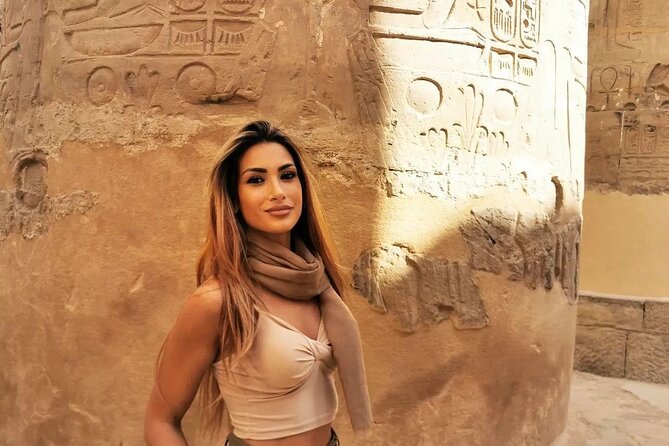
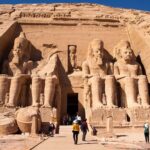
The third day starts with a move to Edfu: the Temple of Horus. This is dedicated to the falcon-headed god Horus, and your guide will connect it to myth—Horus revenges the murder of his father Osiris by killing Seth.
Your tour time here is about 2 hours, with admission included. The key quality of the temple is that it’s considered among the best-preserved cult temples in Egypt, and that translates into an easier visit. You’re less likely to feel like you’re just looking at rubble and guessing what once stood there.
Then it’s on to Kom Ombo Temple, shared by the two gods Sobek and Haroeris. The “two-gods” design angle gives your guide an easy theme to organize what you see, which helps you keep track while you’re moving through areas that could otherwise feel similar.
You also have lunch before being transferred to Luxor Airport. The tour includes about 2 hours here with admission included. Ending with transport already handled is a relief, especially if you’re flying out the same day.
A few more Luxor tours and experiences worth a look




Cairo and Alexandria highlights: what the package promise means in real life
Even though the core Luxor circuit is clear, the broader package is sold as a multi-city fix for Cairo and Alexandria too. That’s why you’ll hear names like Giza Pyramids and the Sphinx, Memphis, Saqqara, and the Egyptian Museum. In Cairo, you’re also expected to see things like the Cairo Citadel and the Alabaster Mosque. Then Alexandria’s standout is the catacombs.
Your reviews and the tour description also point to stops like the old city streets, local street food, and the library of Alexandria area. If that’s on your plan, your guide can help you pace it so it doesn’t become sightseeing theater.
Here’s the practical reality: a 3-day trip that covers Luxor plus Cairo/Alexandria can’t be done casually. That’s where the domestic flight note matters. Domestic flights aren’t included, so you’ll want to confirm your air segment early (or else your “private tour” becomes you and a phone trying to fix timing gaps).
If you hate rushing, consider asking for a schedule that protects one or two “anchor” experiences rather than cramming everything equally. The upside is that you’ll save a lot of planning brainpower. You just need to keep expectations realistic about daily pace.
Guides, van transfers, and lunch: where the value actually shows
Let’s talk about what you’re truly paying for. The listed price is $400 per person for the 3-day private format, and the package includes:
- an air-conditioned modern van
- an expert Egyptologist-style guide
- entrance fees for the mentioned sites
- pickup and drop-off
- lunch (3)
That combination is where value shows up. Entrance fees in Egypt add up fast. Lunch planning is time you don’t have when you’re moving between sites. And the transfer time is a big deal in hot weather.
In feedback, guides like Sugar Queen and Hala are praised for being flexible and for giving options based on what you care about. That means if your group hits a “we want more time here” moment, you’re not automatically stuck with a rigid script.
The other value piece is context. When someone explains why a temple was built, or what myth connects to a god’s name, the site becomes easier to remember. You’re not just collecting photos; you’re collecting meaning.
Who should book this Luxor private tour in 3 days?
This works best if you:
- want a private guide and hate the stress of self-planning
- want entrance fees and lunch handled so you can focus on the monuments
- enjoy guided context, especially for temples and tombs
- travel as a small group and like flexibility within a set route
It may not be ideal if you want slow travel. The schedule is built to cover major sites, so you’ll be on the move. Also, if you’re sensitive to travel days or jetting between cities, you’ll want to think carefully about the Cairo/Alexandria add-on and any domestic flights you must arrange.
If you’re the kind of person who wants to understand what you’re seeing before the sun goes down, this tour hits the sweet spot.
Should you book this private Luxor sightseeing tour?
If your goal is a clear, well-guided 3-day Egypt circuit with private transfers and tickets/lunch already included, I’d say yes—book it. This is the type of trip where the logistics support the experience, not the other way around.
I’d book especially if you’re likely to appreciate guided stories at places like Karnak, the Valley of the Kings, and Deir el-Bahari. And if you want Cairo and Alexandria highlights in the same overall plan, this package structure can save you from the planning headaches—just confirm the flight piece early, since domestic travel isn’t included.
If you want a relaxed pace with no juggling schedules, you might prefer fewer cities. But for most people aiming to see big-name Egypt with a guide and zero ticket anxiety, this is a solid choice.
FAQ
What time does the tour start?
The start time is listed as 7:30 am.
Where will you be picked up?
Pickup is offered, either from your hotel in Luxor or from Luxor Airport, depending on your situation. Pickup & drop-off are included.
Is this tour private?
Yes. It’s a private tour/activity, and only your group participates.
Are entrance fees included?
Yes. Entrance fees to all mentioned sites are included.
Is lunch included?
Yes. Lunch is included (3 lunches are listed).
Are tickets digital or paper?
The tour includes a mobile ticket.
Do I need a domestic flight?
Domestic flight ticket is not included. If your route includes Cairo and Alexandria, you may need to arrange domestic air travel yourself.
What kind of vehicle is used?
You’ll travel in an air-conditioned van with a modern model.
What happens if weather is bad?
The experience requires good weather. If it’s canceled due to poor weather, you’ll be offered a different date or a full refund.
Can I cancel for a full refund?
You can cancel up to 24 hours in advance for a full refund. If you cancel less than 24 hours before the start time, the amount paid will not be refunded.