REVIEW · LUXOR
Private Full-Day Tour of the East & West Banks from Luxor with King Tut’s Tomb
Book on Viator →Operated by Sheba Tours · Bookable on Viator
One early morning in Luxor can teach you more history than a week. This private tour pairs an Egyptologist guide (Ali is one name you’ll hear) with a smart East–West route, including King Tut’s Tomb time and the big temple stops. I especially like the pace: you’re not rushing from one site to the next with strangers, and the air-conditioned car keeps the day from melting into misery. The only real consideration is the early 7:30am start, so plan for a long day on your feet.
What makes this day worth your time is the mix of royal tombs on the West Bank and the religious powerhouses on the East Bank—Temple of Hatshepsut and the Colossi of Memnon, then Karnak and Luxor Temple. I also like that entry fees and lunch are included, so you’re not doing surprise math mid-trip. If you’re the type who wants unlimited time in one place, a full-day circuit may feel a bit “see-and-move” rather than slow and lingering.
Still, for first-timers or anyone who wants the main Luxor monuments explained clearly, this is a strong value: private transport, guided site visits, and a complete day’s highlights—without the chaos.
In This Review
- Key Points You’ll Care About
- East and West Banks in One Day: Why This Route Makes Sense
- Hotel Pickup, Air-Conditioned Comfort, and a Day That Actually Flows
- Valley of the Kings and King Tut’s Tomb: The Moment You Came For
- Hatshepsut’s Mortuary Temple and the Colossi of Memnon: Power in Two Different Forms
- Included Lunch at a Local Restaurant: Fuel for Karnak and Luxor Temple
- Karnak Complex on the East Bank: Where Ritual Meets Royal Ambition
- Luxor Temple: Finishing the Day with a Sense of Continuity
- Price and Value: What $141.54 Really Buys You
- Who This Private Tour Fits Best (and Who Might Want Something Different)
- Practical Tips Before You Go
- Should You Book This East and West Banks Private Tour?
- FAQ
- What time does the tour start?
- How long is the tour?
- Is hotel pickup and drop-off included?
- What’s included in the price?
- Is King Tut’s Tomb included?
- Do I need to tip?
- What is the cancellation window?
Key Points You’ll Care About
- Private Egyptologist guidance that keeps the stories straight and the sites meaningful
- East + West Bank combo so you see tombs and temples in one efficient day
- Entry fees and lunch included, which makes the price easier to judge
- Air-conditioned private car plus mineral water during the trip
- Tutankhamun tomb visit included for eligible options, so confirm what your booking covers
- Hotel pickup and drop-off so you start and finish with less hassle
East and West Banks in One Day: Why This Route Makes Sense
Luxor is basically two worlds separated by the Nile. On the West Bank you’re dealing with royal burials—tombs carved into rock, monuments tied to death and the afterlife. On the East Bank you’re in the realm of worship—temples built for living priests, living power, and daily ritual.
Doing both in one day is the win here. You start with the West Bank, where King Tut’s tomb sits inside the Valley of the Kings story, then you move to the East Bank’s temple stage with Karnak and Luxor Temple. That order helps your brain connect the dots: this wasn’t just about kings being famous; it was about kings being part of a grand system of belief.
You’ll also appreciate the private format for interpretation. Temples and tombs can look similar at a glance—stone walls, columns, carved scenes. With an Egyptologist guide, you get the “why this matters” layer so the monuments stop being just impressive rocks.
You can also read our reviews of more private tours in Luxor
Hotel Pickup, Air-Conditioned Comfort, and a Day That Actually Flows
The trip runs about 8 hours, starting at 7:30am, with pickup and drop-off back at the meeting point in Luxor. I like tours that respect your time, and this one does: you’re in motion, but you’re not constantly rerouting yourself.
Transportation matters a lot in Egypt in general, and especially in Luxor. You’ll travel by a private air-conditioned car, and you’ll have mineral water and beverages during the trip. That’s not a luxury detail—it’s practical. When your body is comfortable, you can focus on details like carvings, inscriptions, and the layout of tomb corridors and temple halls.
Since this is a private tour, it’s only your group. That usually means less waiting around, fewer audio conflicts, and more chances to ask questions as you go. One of the standout points from past experiences is how smoothly pickup happens—getting collected from your hotel and not having to coordinate transport yourself.
Valley of the Kings and King Tut’s Tomb: The Moment You Came For
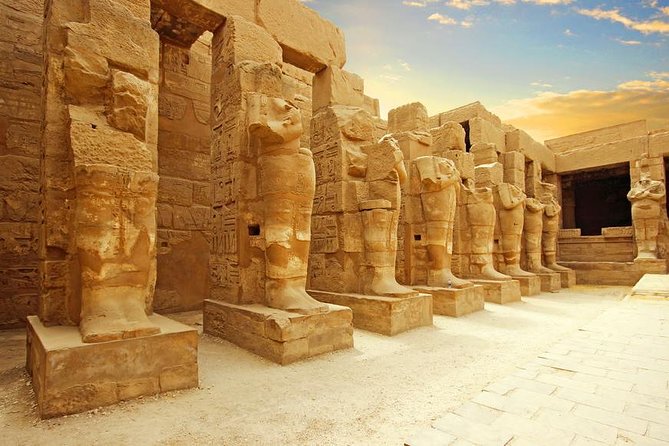
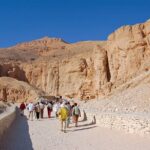
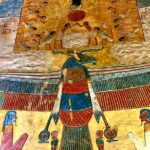
On the West Bank, you’ll begin at the Valley of the Kings, one of Luxor’s most focused experiences. You’re there for royal tombs—last resting places built for pharaohs who wanted to outlast time, weather, and doubt.
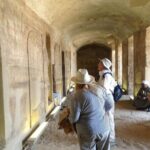
Your visits include tombs associated with Ramesses III, Ramesses VI, and Mrenptah. That matters because it prevents the day from being a one-tomb checklist. You can see how different reigns and eras leave their fingerprints on the style and emphasis of tomb-making.
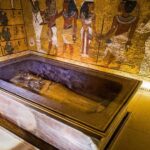
Then comes King Tutankhamun’s tomb. The key thing to understand: entrance to the tomb of Tutankhamun is included depending on the price option you select. In the included details you provided, the entrance fee is listed, so your booking may cover it—but don’t rely on assumptions. Check your confirmation so you know you’re buying the option that includes the tomb entry.
Why this stop is so important? King Tut’s tomb is a magnet because it’s famous, yes—but the real value is how the visit fits into the larger Valley of the Kings context. With a guide, you’re not just staring at a closed-in chamber. You’re learning how these burials worked as a system: where the tomb sits, what the decoration aims to do, and how the layout supports beliefs about the afterlife.
Hatshepsut’s Mortuary Temple and the Colossi of Memnon: Power in Two Different Forms
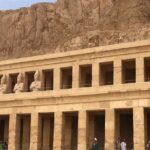
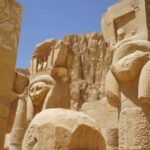
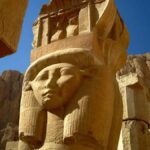
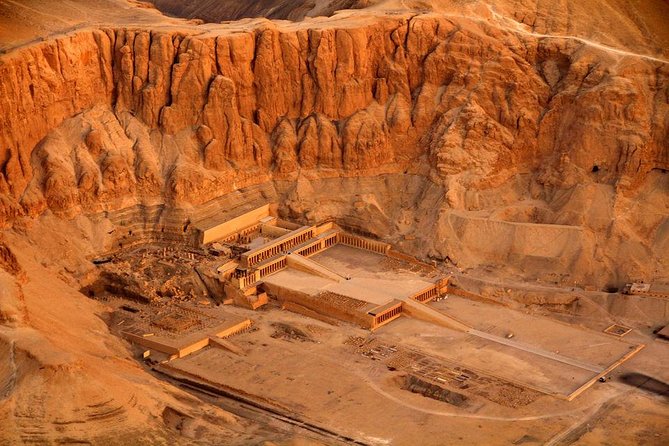
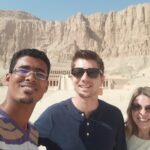
After the Valley of the Kings, you’ll head to the Temple of Hatshepsut, often called the Queen Temple. This is a fascinating contrast point. In one area of Luxor you’re looking at male royal burials; in another you’re stepping into the story of a ruler who reigned for about 20 years with wealth and peace (as described for this tour).
Hatshepsut’s monument isn’t just a “temple stop.” It’s a clue. Her mortuary complex is tied to legitimacy and ideology—she’s presenting herself as a pharaoh in a world where kingship was typically imagined differently. An Egyptologist guide makes that angle click, because you’ll understand what you’re seeing instead of just hearing general facts.
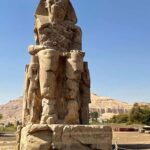
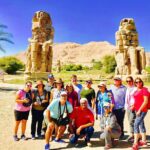
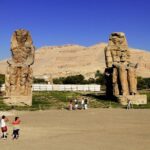
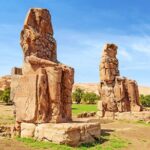
Then you’ll see the Colossi of Memnon, including the mortuary temple of Amenhotep III. These are the massive seated statues that people recognize from photos, but the guide explanation is what turns them into something more than a viewpoint. You’ll also get the sense of scale that once filled these spaces with ceremonies and processions tied to royal commemoration.
One practical note: these are outdoor stone areas, and the day is long. Wear comfortable shoes and keep water in mind. The tour includes water, but you’ll still want to pace yourself through the sun and steps.
Included Lunch at a Local Restaurant: Fuel for Karnak and Luxor Temple
Lunch is included at a local restaurant, and that’s a big quality-of-life advantage. Many tours skip the meal or replace it with something basic you have to pay extra for. Here, you get a scheduled break so you’re not trying to “grab food quickly” between monuments.
This matters because your next two stops—Karnak and Luxor Temple—take real attention. Karnak isn’t a single building. It’s a complex. Luxor Temple isn’t just walls and columns either; it’s a working display of religious meaning and royal patronage.
So think of lunch as strategy, not just food. It’s your reset point. If you use it right—eat, hydrate, take a breather—you’ll get more out of the afternoon temples rather than running on autopilot.
A few more Luxor tours and experiences worth a look

Karnak Complex on the East Bank: Where Ritual Meets Royal Ambition
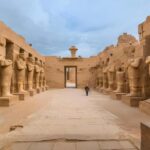
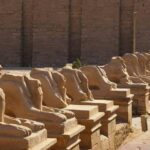
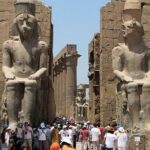
Next up is the East Bank with the Karnak Complex, one of the most significant temple sites in Luxor. If you’ve never visited before, Karnak can feel like information overload—pylons, halls, obelisks, carved surfaces everywhere you look.
This is exactly where the private Egyptologist guide helps. Instead of walking through a museum of stone without a map, you’ll get a framework for understanding how the space connects: what parts of the complex were meant for ritual, how royal influence shows up in architecture, and why the layout is built the way it is.
Also, Karnak rewards people who ask questions. With a guide, you can pause when something catches your eye and get the explanation tied to the exact feature—carvings, columns, or ceremonial spaces. That’s the difference between taking photos and actually learning what you’re seeing.
The value here isn’t just the “biggest temple” brag. It’s the clarity. A guide turns Karnak from a pile of grandeur into a coherent story of belief and power.
Luxor Temple: Finishing the Day with a Sense of Continuity
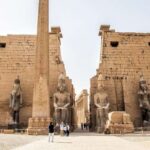
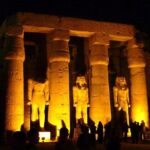
After Karnak, you’ll visit Luxor Temple. This is the closer, more human-scale feeling end of the day—still grand, still filled with carvings and symbolic architecture, but easier to connect visually to daily religious life.
Luxor Temple works as a complement to Karnak. If Karnak feels like the massive center of worship, Luxor Temple helps you see how the broader religious world expresses itself in a more direct, connected space. Again, the guide interpretation matters. You’ll want to understand how the temple fits into the wider East Bank picture rather than treating it like a second stop on the same list.
As the day winds down, Luxor Temple also gives you a chance to reflect on the full East–West arc. You started on the West with royal tombs and royal monuments tied to the afterlife. You end on the East with temples tied to worship and kingship in action. The day feels complete.
Price and Value: What $141.54 Really Buys You
At $141.54 per person, this tour sits in a middle zone for a private, guided Luxor day. The price is easier to justify when you look at what’s included:
- Egyptologist guide
- Entry fees to all the mentioned historical sites
- Entrance fee to the tomb of Tutankhamun (depending on your selected option)
- Lunch at a local restaurant
- Private air-conditioned car
- Pickup and drop-off
- Mineral water and beverages
- All service taxes
That’s a lot of the usual “extra costs” bundled together. The only clearly listed add-on is tipping, which is optional. In other words, you’re not likely to get hit with a long list of pay-now moments during the day.
One more value angle: booking private means you’re paying for time with your guide. That’s the part you can’t buy at the same quality level if you’re just doing independent visits with an audio app.
If you care about history but also care about not wasting your limited vacation hours, this price structure can work well. You’re paying for the map, the context, and the logistics staying out of your way.
Who This Private Tour Fits Best (and Who Might Want Something Different)
This tour is a strong match for:
- First-time Luxor visitors who want the key monuments in one day
- People who prefer private time and explanation rather than a crowded group pace
- Anyone who wants both West Bank tombs and East Bank temples without coordinating transport
It may be less ideal if:
- You want lots of long, slow time inside a single site
- You don’t like early starts (7:30am is early for a reason)
Also, the tour is marked as “most travelers can participate,” and it’s near public transportation, but that doesn’t automatically mean it’s perfect for every mobility need. If you have specific physical constraints, it’s worth asking before booking what the day’s walking looks like.
Practical Tips Before You Go
Keep this day smooth with a few basics:
- Wear comfortable shoes. You’ll move between multiple sites on stone steps and uneven ground.
- Bring a hat and sunscreen. The day starts early but still covers long outdoor portions.
- Charge your phone. You’ll want photos, but also, your guide explanations help you know what to photograph.
- If the Tutankhamun tomb entry matters to you, double-check your booking option so you’re covered.
One small mindset shift that helps: treat this as an education day, not an hours-counting day. When you’re with an Egyptologist, you’ll get more out of the monuments if you let the guide steer the story.
Should You Book This East and West Banks Private Tour?
I’d book it if you want a guided Luxor day that covers the major hits without the hassle of planning the day yourself. The best reasons are simple: private Egyptologist time, a logical East–West route, and inclusions that remove a lot of uncertainty—entry fees, lunch, and transport in an air-conditioned vehicle.
Skip it only if you dislike early mornings or you want extremely slow, deep time in just one monument. Otherwise, this is a well-structured day that gives you both the famous King Tut moment and the wider Luxor context that makes it click.
FAQ
What time does the tour start?
The tour starts at 7:30am.
How long is the tour?
It runs for about 8 hours.
Is hotel pickup and drop-off included?
Yes. The tour includes pickup and drop-off back to the meeting point in Luxor City.
What’s included in the price?
The price includes an Egyptologist guide, entry fees to the historical sites mentioned, lunch at a local restaurant, mineral water and beverages during travel, and transport by a private air-conditioned car, plus service taxes.
Is King Tut’s Tomb included?
Entrance to the tomb of Tutankhamun is included, but it depends on the price option you choose. Confirm your option at booking so you know what’s covered.
Do I need to tip?
Tipping is optional and not included.
What is the cancellation window?
You can cancel for a full refund up to 24 hours before the experience’s start time. If you cancel less than 24 hours before, the amount paid is not refunded.