REVIEW · LUXOR
Private Full-Day Tour: Discover the East and West Banks of the Nile in Luxor
Book on Viator →Operated by Ancient Egypt Tours · Bookable on Viator
Two riverbanks. One packed day. This private Luxor outing strings together the West Bank’s royal tombs and the East Bank’s top temples with a real guide explaining what you’re looking at. You’ll move in a private, air-conditioned vehicle, with bottled water on board and hotel pickup so the day stays smooth.
I especially like the way the schedule gives you real time in the big hitters: around 2 hours at the Valley of the Kings and about 2 hours at Karnak later. I also like that the guide experience seems to matter here—people name guides such as Ali and Mahmoud for clear, connected explanations that make the sites feel less like random ruins.
One thing to double-check: the wording around entry fees is a little mixed. The site-by-site plan notes admission tickets are included, but the tour terms also say entry fees are optional, so confirm what you’re actually paying for before you arrive.
In This Review
- Key Things You Should Know Before You Go
- Why This East-and-West Luxor Plan Works So Well
- Getting Picked Up: Private Transfers and a Real Schedule
- Valley of the Kings: Where You Start at Royal Tomb Scale
- Hatshepsut at Deir el-Bahari: Terraces That Feel Built for Theater
- Colossi of Memnon: Big Statues, Big Context, Short Time
- Karnak Temple: A Temple Complex, Not One Temple
- Luxor Temple: Sandstone, Rulers, and a Roman Twist
- Price and Tickets: What $30 Really Buys You
- Guides Make It Feel Effortless: Ali, Mahmoud, Tarik Ali, Mohamed Ali, Mustafa Ragab
- Who This Tour Suits Best
- Should You Book This Nile-Front Day Tour?
- FAQ
- How long is the Luxor East and West Banks private tour?
- Is hotel pickup and return included?
- Are admission tickets included for the sites?
- Which sites are included in the day?
- Is it private or a shared group tour?
- What happens if the weather is bad?
Key Things You Should Know Before You Go
- Private pickup + private vehicle: hotel/airport pickup and round-trip transfers, with bottled water on board.
- West Bank first, East Bank after: you get the story arc from royal burial ground to Amun’s temple power.
- Structured time blocks: 2 hours Valley of the Kings, 2 hours Hatshepsut, 2 hours Karnak, 1.5 hours Luxor Temple.
- Hatshepsut’s terraces + lunch included: Deir el-Bahari is a showpiece, and you’ll have your meal during the day.
- Guides get named often: Ali, Tarik Ali, Mahmoud, Mohamed Ali, and Mustafa Ragab show up in the standout feedback.
Why This East-and-West Luxor Plan Works So Well
Luxor can feel scattered if you try to do it on your own. The Nile splits the drama: the West Bank is for burial and power in the afterlife, while the East Bank shows the living-world worship engine. This tour puts both sides into one day so you don’t spend half your time figuring out logistics.
You also get a built-in rhythm. The morning starts in the Valley of the Kings, then you step up to Deir el-Bahari and move along to Colossi of Memnon. After that, the day shifts to the Karnak Temple area and closes with Luxor Temple—so you see the same religious world from two angles.
A private setup matters here. Even with the day moving at a steady pace, you can get your questions answered on the spot, and you’re not stuck waiting around for a slow group.
You can also read our reviews of more private tours in Luxor
Getting Picked Up: Private Transfers and a Real Schedule
You’re picked up from your hotel in Luxor to begin on the West Bank, then returned at the end of the day. Transfers are done in a private air-conditioned vehicle, and bottled water is included during the tour, which is a practical quality-of-life detail in Luxor.
English speaking expert guides run the show, and that’s not a small thing. At these sites, you can easily walk past the meaning of what’s in front of you. A good guide helps you connect dates, rulers, and the purpose of each temple or tomb so the whole day clicks into place.
There’s also an airport pickup option, with a $10 extra charge per car if you’re coming from there. If you’re already in Luxor, hotel pickup keeps things simple and less stressful.
Valley of the Kings: Where You Start at Royal Tomb Scale
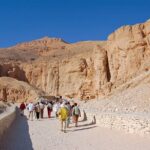
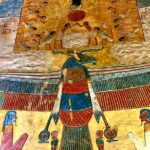
The day begins at the Valley of the Kings, created and used roughly from 1539 BC to 1075 BC. It holds around 60 tombs, with royal names spanning early reigns like Thutmose I all the way to Ramses X or XI. Standing in this landscape, you understand why the Egyptians treated the afterlife like a continuation of status.
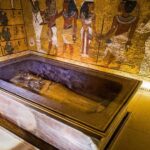
The most famous tomb is KV62, the Tomb of King Tutankhamun. The discovery is credited to Howard Carter in 1922, and Tut’s tomb was the first royal tomb found that remained largely intact. That one fact changes how you look at the place: this isn’t just an old graveyard, it’s a turning point in modern archaeological history.
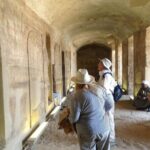
Plan for real walking and heat. Even with guided pacing, tomb areas involve steps and crowds can gather depending on time of day. You’ll have about 2 hours here, which is enough to see the standout context without turning it into a 5-hour slog.
Admission ticket timing is another practical detail. The site-by-site plan indicates admission tickets are included at this stop, but the tour terms also list entry fees as optional. Confirm directly when booking so there are no surprises when you’re already in the flow.
Hatshepsut at Deir el-Bahari: Terraces That Feel Built for Theater
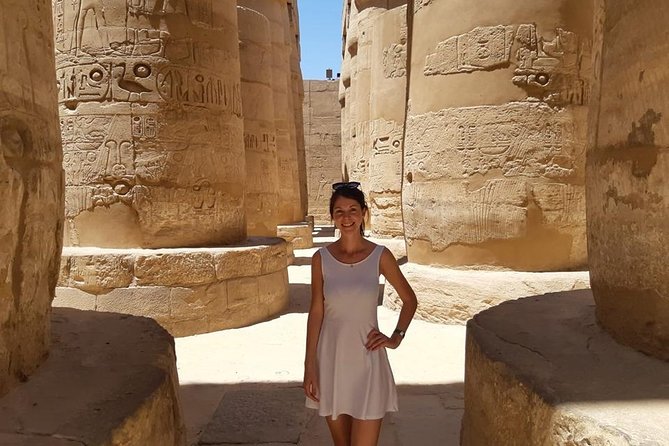
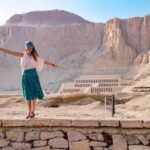
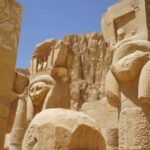
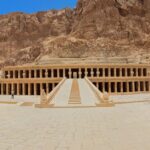
Next comes the Temple of Hatshepsut at Deir el Bahari, dedicated to the only female pharaoh. The setting is part of the experience: the temple rises in terraces out of the desert and merges with the limestone cliffs around it. It’s not just a tomb-adjacent stop; it’s a statement of power, religion, and legitimacy carved into place.
Hatshepsut is often tied to grandeur and ritual, and you’ll feel that in how the guide frames the temple. This is where the story shifts from royal burial ground to royal worship and public authority.
You’ll have lunch during this stop, which keeps the day from turning into constant “grab something quick” time. With about 2 hours allocated here, you get time to look closely at the temple layout and not just rush for photos.
As always, the day’s pace depends on weather and daylight. The tour is described as requiring good weather, so if conditions are off, the plan may adjust.
Colossi of Memnon: Big Statues, Big Context, Short Time
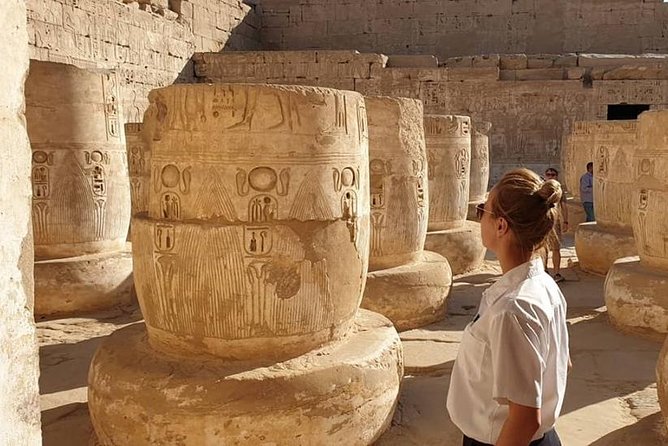
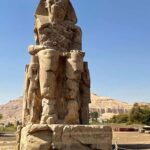
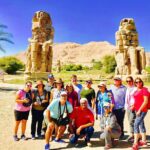
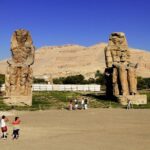
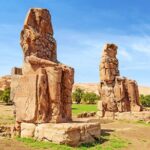
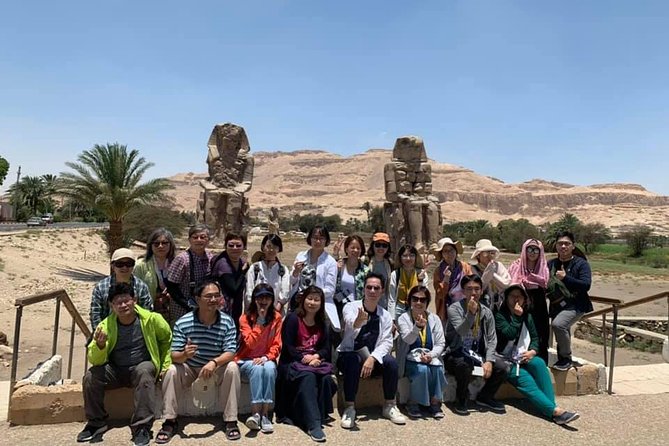
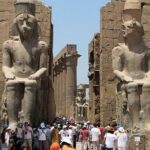
After Deir el Bahari, you’ll reach the Colossi of Memnon—two massive stone statues of Amenhotep III. They’ve stood for about 3,400 years across the Nile from the city of Luxor. Their original job was to guard the entrance to Amenhotep’s memorial or mortuary temple.
You’ll get a shorter stop here—about 30 minutes—and that makes sense. The Colossi are striking, but they’re also a “look, absorb, and move on” kind of site. The real value is what your guide ties them to: the scale of Amenhotep III’s projects and how temple worship connected to royal legacy.
If you’re craving more time for photos, you may want to ask your guide for a quick extra moment at a specific viewpoint. With private guiding, that flexibility is usually easier than in a large group.
A few more Luxor tours and experiences worth a look

Karnak Temple: A Temple Complex, Not One Temple
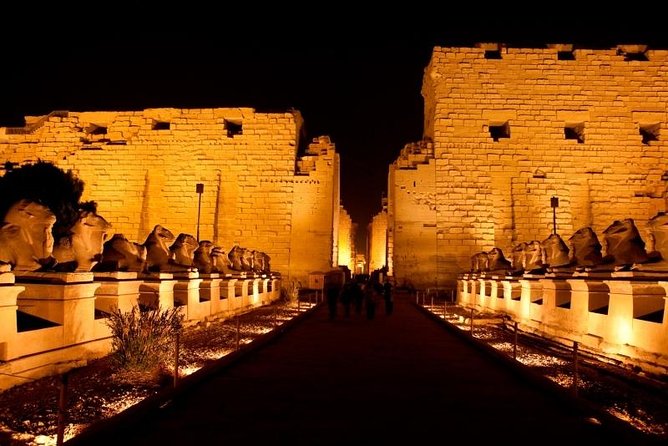
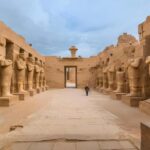
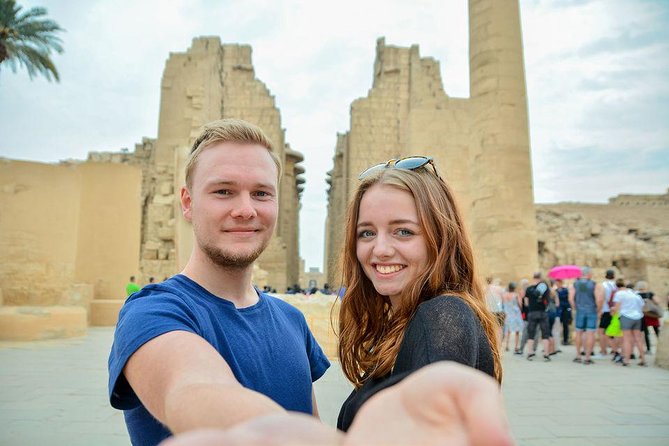
Karnak is next, and it’s the kind of place that can overwhelm you if you don’t have structure. This temple complex is described as the largest place of worship ever built, and in ancient Egypt the power of the god Amun of Thebes grew steadily into a peak period. After the short persecution linked to Akhenaten, Amun’s role rose again, and Karnak shows that power in stone.
In the reign of Ramesses III, more than two thirds of temple property belonged to Amun. You can sense what that meant: when resources concentrate, buildings get bigger and more dramatic. Even when much is ruined, Karnak doesn’t feel small. It feels like an entire system of belief, administration, and architecture.
Karnak is also described as multiple components: three main temples, smaller enclosed temples, and outer temples spread about three kilometers north of Luxor. That matters for how you plan your time. You’ll have about 2 hours, which is enough for key areas, but not enough to treat it like a museum tour with every inscription.
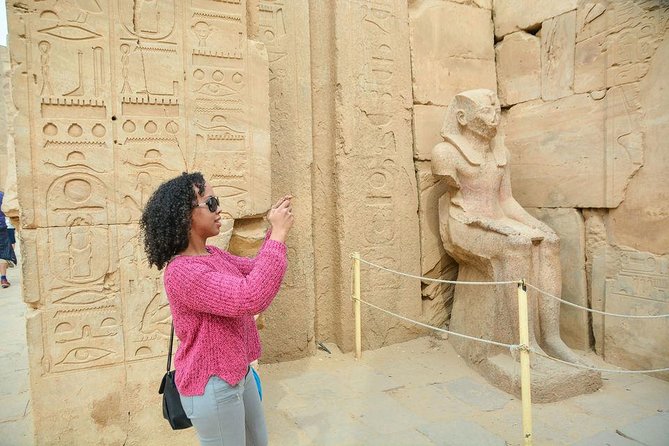
If you’re the kind of person who wants to understand what you’re seeing before you photograph it, Karnak is where that pays off. Your guide’s job is to help you see patterns—how Amun’s worship evolved, and how different pharaohs left their stamp on the same sacred ground.
Luxor Temple: Sandstone, Rulers, and a Roman Twist
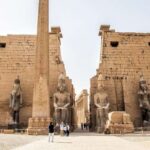
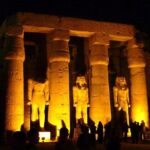
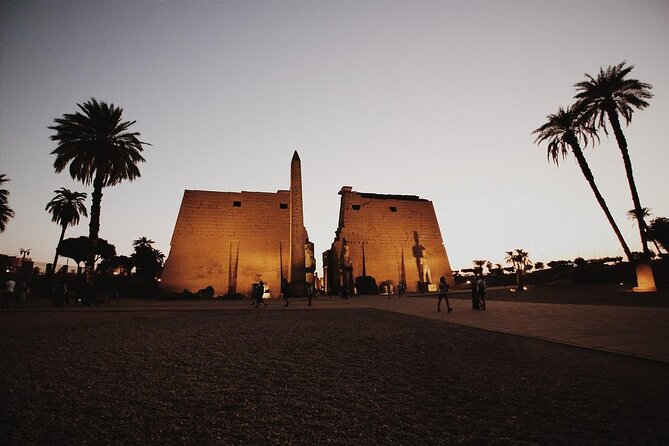
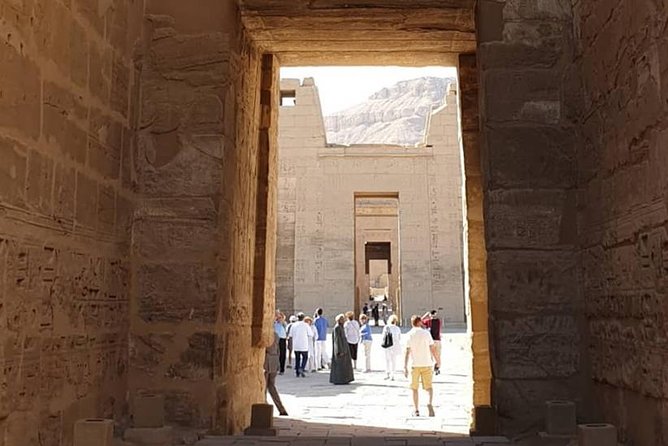
After Karnak, the tour closes with Luxor Temple. This sandstone temple was started by Amunhotep III in the 18th Dynasty during the New Kingdom and completed by Ramesses II in the 19th Dynasty. Ramesses II ruled for about 67 years, and his name shows up in the structures you’ll see.
Luxor Temple is dedicated to the great god Amun-Ra, along with Mut and Khonsu, forming the Theban triad. Your guide can help you place those names in context so they stop being just names and start being the religious logic behind the architecture.
One highlight is the Obelisk of Ramesses II in front of the First Pylon. It was called Ipet resyt, meaning the Southern Opet, or Place of the Seclusion of Amun-Re. There’s also a strong connection to Karnak’s main cult center, and it’s described as always having been a sacred site since the beginning.
There’s a historical twist too: Luxor Temple later became a headquarters of Roman government during the Roman Empire. So as you walk around, you’re not only seeing ancient Egyptian worship. You’re also seeing how later powers repurposed older sacred spaces.
This stop runs about 1.5 hours, which is a good final length. You’ll have enough time to connect the day’s themes without ending too late in the schedule.
Price and Tickets: What $30 Really Buys You
The listed price is $30 per person for an approximately 8-hour full-day private tour with pickup and an English speaking guide. That price is attractive because you’re not just buying access to monuments. You’re buying transportation between the West Bank and East Bank, plus a guide who coordinates timing and explains the meaning of the sites.
Still, the biggest practical variable is entry fees. The stop descriptions state that admission tickets are included at each site. But the tour terms also label entry fees as optional. That mismatch is exactly the kind of thing that can turn a good day into a confusing one at the gate, so confirm what’s included before you go.
Food is another point to confirm. The day plan indicates you’ll have lunch at the Hatshepsut stop. If meals are important to you, I’d confirm whether lunch is included in your booking total or if it’s simply on-site as part of the day’s flow.
Other extras aren’t part of the deal, like additional stops you might request. If you have a specific extra site in mind, ask before the day starts so you don’t lose time.
Guides Make It Feel Effortless: Ali, Mahmoud, Tarik Ali, Mohamed Ali, Mustafa Ragab
The most praised aspect across the feedback is the guide effect. People repeatedly name guides such as Ali, Tarik Ali, Mahmoud, Mohamed Ali, and Mustafa Ragab. The common thread is clear explaining, linked explanations that keep you oriented, and a helpful, responsive approach.
That shows up in practical ways. When the guide connects the tombs to later temple building, the sites stop feeling like separate sightseeing stops. When the guide listens to your pace and questions, the day feels less like a checklist.
There’s also a “been doing this for years” confidence in the way the day is handled. One person noted that access feels easier than decades ago—meaning you’re not stuck with the same old friction you might imagine from early travel stories. A well-run day reduces wasted time, which matters when you’re covering both banks in one shot.
If you’re worried about being rushed, this is where private guiding helps. You can ask for time where you care most—Valley of the Kings for tomb-focused travelers, or Karnak for temple architecture fans.
Who This Tour Suits Best
This is a good fit if you want Luxor’s main icons in one day and you’d rather have a guide than figure it out yourself. Since it’s described as a private tour where only your group participates, it works well for couples and friends who want flexibility without the hassle of constant ticket lines and route planning.
It’s also a strong choice if you’re short on time. Luxor can take several days to do well, but this plan hits the high-impact sites: Valley of the Kings, Hatshepsut at Deir el Bahari, Colossi of Memnon, Karnak, and Luxor Temple.
If you prefer slow travel or you want deep dives into lesser-known tombs and inscriptions, you might feel this is focused on the highlights. The time at each site is solid, but the day is still packed for a full 8 hours.
And because the tour is weather dependent, check conditions before you lock your plans. If weather is poor, the tour notes you’ll be offered a different date or a full refund.
Should You Book This Nile-Front Day Tour?
I’d book it if you want a clean, guided route that covers both banks without turning your day into logistics. The combination of hotel pickup, private transfers, bottled water, and English speaking expert guiding makes the day feel managed, not chaotic.
I’d also book it if you care about context. The real payoff here is that the guide ties the West Bank burial story to the East Bank temple worship story so your photos look smarter when you review them later.
One reason to pause: confirm entry fees and lunch inclusion before you pay. With the way the details are written, you don’t want to discover at the last minute that something wasn’t included after all.
If you do confirm those basics, this is one of the more efficient ways to experience Luxor’s big names in a single, well-paced day.
FAQ
How long is the Luxor East and West Banks private tour?
It runs for approximately 8 hours.
Is hotel pickup and return included?
Yes. Pickup and return from your hotel or airport are included, with transfers handled by a private air-conditioned vehicle.
Are admission tickets included for the sites?
The tour descriptions mark admission tickets included at each stop, but the tour terms also list entry fees as optional. Confirm what’s included in your specific booking.
Which sites are included in the day?
You visit the Valley of the Kings (including KV62), the Temple of Hatshepsut at Deir el Bahari, the Colossi of Memnon, Karnak Temple, and Luxor Temple.
Is it private or a shared group tour?
It’s private, meaning only your group participates. The tour also mentions group discounts.
What happens if the weather is bad?
The tour notes it requires good weather. If it’s canceled due to poor weather, you’ll be offered a different date or a full refund.