REVIEW · CAIRO
9- Days Package around Egypt Giza , Nile Cruise with Abu Simbel
Book on Viator →Operated by Deluxe Tours Egypt · Bookable on Viator
Egypt turns big fast.
This 9-day route strings together Giza pyramids, Cairo’s major museums and religious sites, then sends you south by sleeper train to a 5-star Nile cruise that includes Abu Simbel. I love how it gives you real “Egypt in motion” pacing—big monuments on land, then temple after temple along the river. I also like the comfort-and-control mix: 2 nights in a 5-star Cairo hotel, private air-conditioned transport, qualified Egyptologist guidance, and entrance fees bundled for the key stops. One thing to keep in mind is the schedule is full. Some days run long, and Abu Simbel is an early, time-heavy outing.
If you’re price-shopping, this package is built for value in a very practical way: you’re not paying for internal flights just to save time. Instead, you’re using overnight trains (half board on trains, full board on the cruise) so you trade a bit of sleeping-in logistics for fewer transport costs. And since the group is capped at 8 travelers, you’re less likely to feel like you’re getting dragged through Egypt with a bus full of strangers.
The main tradeoff is simple: it’s not a slow travel trip. You’ll do a lot of site days, plus check-ins and transitions (Cairo hotel → sleeper train → Aswan hotel → cruise → sleeper train back to Cairo). If you want a lot of downtime or spontaneous late-afternoon wandering every day, you might find the pace tiring.
In This Review
- Key points worth knowing
- Giza and Saqqara: the Cairo opener that sets your expectations
- Cairo’s old worlds: Egyptian Museum, Coptic Cairo, and Saladin’s Citadel
- Price, included tickets, and what you’ll still pay out of pocket
- Cairo-to-Aswan by overnight train: turning transit into part of the trip
- Aswan: Philae Temple and the High Dam, with real Nubian-edge atmosphere
- Abu Simbel: the full day that makes this package feel special
- Kom Ombo, Edfu, Horus: cruising the Nile by day, temples by habit
- Luxor’s royal center: Valley of the Kings, Hatshepsut, Colossi of Memnon, Karnak
- The Cairo finish: flight day pacing and optional extras
- Who should choose this tour, and who might not
- Should you book this 9-day Giza–Nile cruise with Abu Simbel?
- FAQ
- What are the main places this package includes?
- Is Abu Simbel included in the trip?
- Are entrance tickets included for the major sites?
- What meals are included?
- How do you travel between cities on this tour?
- Does the tour include a guide?
- Is there a group size limit?
- Are drinks included?
- What COVID-era safety items are included?
- How does cancellation and refund work?
Key points worth knowing
- Small group cap (max 8 travelers) helps the day feel more manageable and personal.
- Sleeper trains cut transfer hassle and let you save money versus flying.
- Abu Simbel is included as a full day from Aswan, with a dedicated guide/driver.
- Major entrances are included for the listed sites, so you’re not constantly paying at the gate.
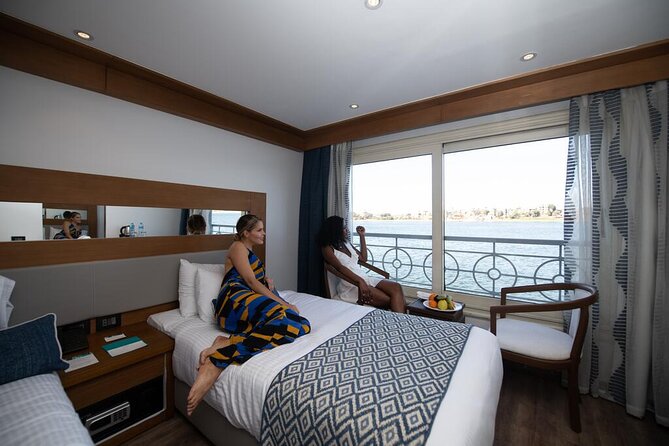
- 5-star comfort in three phases: Cairo (2 nights) + Aswan (1 night) + Nile cruise (3 nights).
- Covid-era safety touches are included: daily masks and extra sanitizing in cars/hotels.
Giza and Saqqara: the Cairo opener that sets your expectations
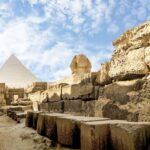
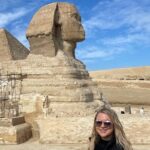
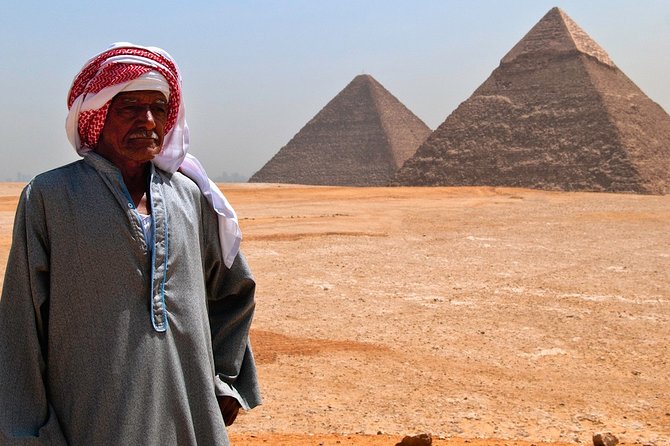
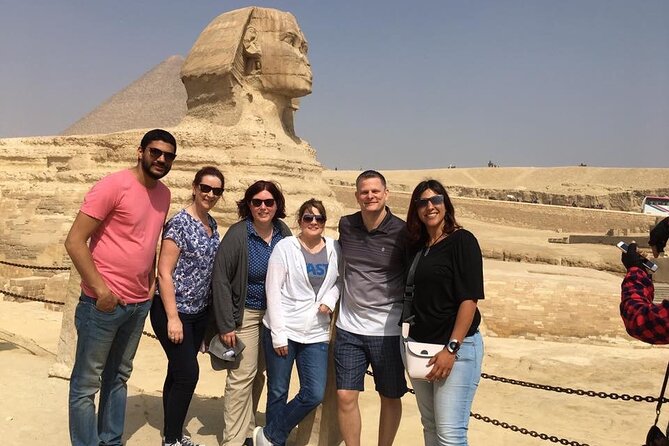
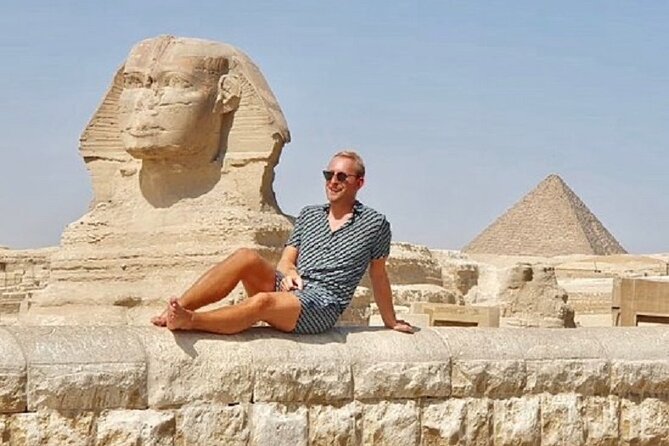
Day 2 is the classic Egypt start: Pyramids of Giza plus the Sphinx, then you push into Saqqara for more pyramid archaeology. It’s a strong first “wow day” because you’re not just seeing one famous site—you’re seeing the contrast between different eras of royal building and burial culture.
At Giza, the pyramid scale is the whole point. You’ll spend time at the Great Pyramid of Khufu (Cheops) and also visit Khafre’s Pyramid. Even if you think you already know what you’re looking at, standing in that setting makes the numbers feel unreal—like the site is bigger than your mental bookmark.
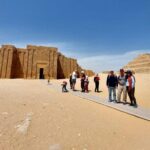
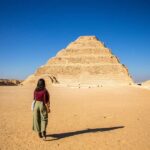
Then you get lunch before heading to Saqqara. That meal break matters because Saqqara isn’t a quick stop; it’s a site you’ll want to walk through at a calm pace. The highlight here is the Step Pyramid of Djoser, described in the itinerary as the first all-stone complex, built in the early pharaoh era. If Giza is the poster child, Saqqara is the architectural stepping stone—and that helps the Giza pyramids click into place in your head.
Watch-out (practical): this is a long day with walking in sun and dust. Bring a hat, water (bottled water is included), and sunscreen. Comfortable shoes are not optional.
You can also read our reviews of more boat tours in Cairo



Cairo’s old worlds: Egyptian Museum, Coptic Cairo, and Saladin’s Citadel
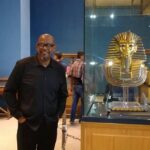
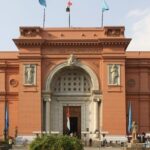
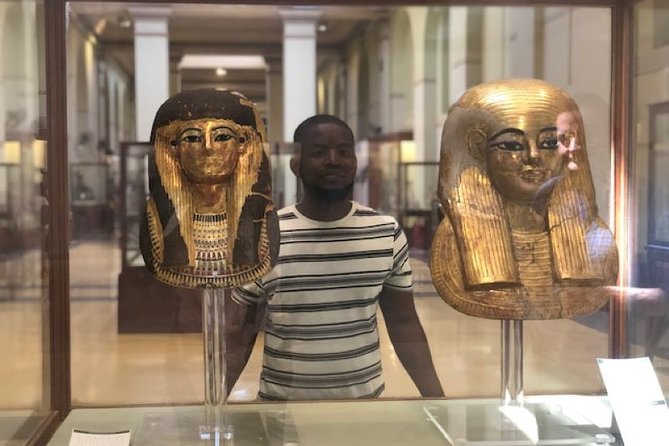
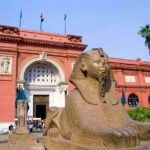
Day 3 builds a different kind of Egypt—less “monument from a distance,” more “culture up close.” You start at the Museum of Egyptian Antiquities (Egyptian Museum) with a big collection listed in the tour description. This is where you can go from seeing artifacts as random objects to understanding them as pieces of a system: burial, belief, daily life.
Next is Coptic Cairo, centered around the Fort of Babylon and the cluster of churches and older quarters. The itinerary includes the Hanging Church (St. Virgin Mary’s Coptic Orthodox Church), plus Synagogue Ben Ezra, which is identified as the oldest Jewish temple in Cairo in the tour notes. Even if you’re not chasing religion-specific history, these stops help you see Cairo as layered—pharaonic, then Christian communities, then Islamic-era politics and architecture.
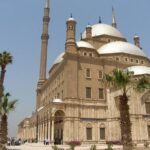
After that, you’ll visit the Cairo Citadel and the Mosque of Muhammad Ali. The citadel stop is useful for orientation; it’s a good way to understand where power sat and why the city’s defensive planning mattered. The mosque adds a strong visual payoff.
Practical consideration: this day is packed with transfers between neighborhoods. You’ll likely feel like you’re constantly moving, so try to keep your shopping urges in check. Save shopping energy for the end when the itinerary gives you more flexibility around your departure time.
Price, included tickets, and what you’ll still pay out of pocket
At $2,292 per person for about 9 days, you’re buying a package that bundles a lot of the expensive friction points: 2 nights in a 5-star Cairo hotel, 1 night in a 5-star Aswan hotel, and 3 nights on a 5-star Nile cruise. You also get two nights on sleeper trains (Cairo/Aswan and Luxor/Cairo) with half board, plus full board on the cruise.
Entrance fees are included for the listed stops across Cairo, Aswan, and the cruise route—Giza, Saqqara, museum and church/synagogue sites, temples along the river, and the major Luxor necropolis sites. That is a big deal for value. In Egypt, ticketing adds up fast once you’re moving from site to site.
What’s not included is also clear:
- Drinks
- Personal expenses
- Peak season supplements (Christmas, New Year, Easter)
- Early check-in and late check-out
How I’d think about value: if you’d otherwise pay for hotels, train compartments, guides, and separate tickets, this price starts to look less like a “tour markup” and more like a way to control costs while still seeing the core list (Giza, museum, Coptic Cairo, Abu Simbel, Luxor temples).
Also note the group dynamic: sightseeing is described as sharing with the Deluxe Tours Egypt group, but the group size is capped at 8. So you’re not in a mega crowd, which keeps the day feeling more workable.
Cairo-to-Aswan by overnight train: turning transit into part of the trip
Day 3 finishes with transfer to the station for an overnight train to Aswan. The itinerary labels the train stay as included as part of the half-board plan (breakfast and dinner).
This is one of the smartest parts of the itinerary for value. Instead of losing a day to long daytime travel—or paying for flights—you spend the night moving south. You also reduce the number of hotel nights you’d otherwise need.
What you’ll want to do: pack a small night bag. Keep essentials accessible so you’re not digging through luggage when you’re tired. The tour notes bottled water and daily masks/sanitizing support, which helps make the “on the move” parts feel more controlled.
Also, the itinerary includes guide meet-and-assist upon arrival. That matters in Egypt, where stations can be confusing even for confident travelers. The tour manager meeting you with your name sign at Cairo Airport is the same idea: less stress at the start, fewer surprises on the logistics end.
Aswan: Philae Temple and the High Dam, with real Nubian-edge atmosphere
Aswan is where the river experience becomes tangible. After you arrive, you’ll do city discovery, then head to Philae Temple. The itinerary notes that Philae sits on Agilika Island and requires a water taxi ride. That water element is part of why Philae is such a popular stop: the setting feels different from the dry, sand-heavy Cairo days.
The tour description also points out why the temple was moved after the construction of the High Dam. That context matters. When you see Philae, you’re not just seeing ancient stone—you’re seeing a story about modern engineering and the lengths taken to preserve cultural heritage.
Next comes Aswan High Dam. The tour notes mention the security around the site and also that the views south over Lake Nasser (and north toward the old Aswan Dam) are spectacular. Even if you only have a short window, this stop gives you a modern Egypt perspective that balances the ancient temples.
You then check in to the Aswan hotel for an overnight stay (bed and breakfast is included).
Abu Simbel: the full day that makes this package feel special
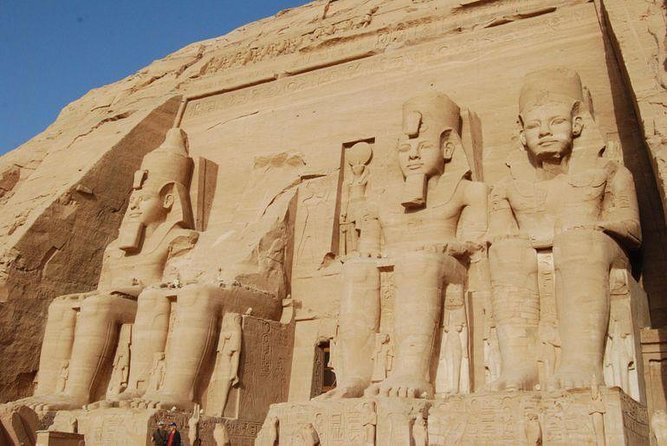
Day 5 is an early check-out day for Abu Simbel Temple Complex. The tour describes it as the most famous site in Egypt after the Giza pyramids and highlights its construction by Ramesses II. It’s also framed as part of Egypt’s southern boundary with Nubia during the New Kingdom peak.
This is the one stop that often turns a “good trip” into a “trip you remember.” Why? Because it’s distant, dramatic, and it’s not a casual add-on. You’re doing it as a dedicated day trip with a guide and driver.
Practical consideration: plan for a long day. Abu Simbel needs time. You’ll likely feel the fatigue later, so don’t schedule any heavy self-guided extras that same evening.
After the temple visit, you drive back to the Nile cruise for check-in and overnight. So Abu Simbel doesn’t end with a chaotic return—it flows into the cruise portion of the trip.
Kom Ombo, Edfu, Horus: cruising the Nile by day, temples by habit
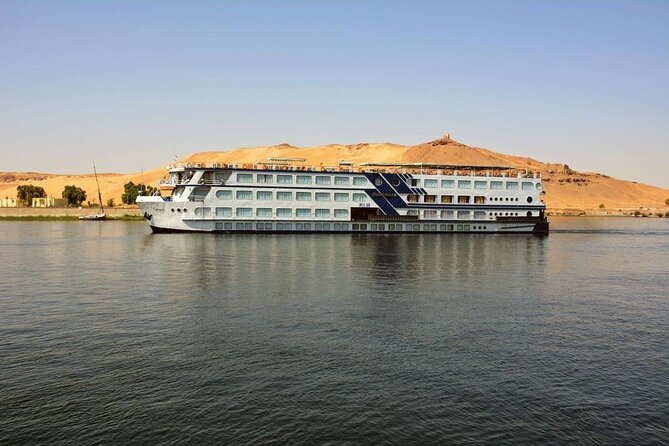
The cruise section starts after Abu Simbel. Then the itinerary works northward in a logical temple chain:
- Kom Ombo Temple (Temple of Sobek, crocodile god)
- Sail to Edfu
- Temple of Horus at Edfu
The tour description notes Kom Ombo is often better approached by water, and that’s exactly what you get with a cruise. You’re not just driving to ruins—you’re arriving with river timing and river views, which helps the experience feel built around the Nile rather than pasted onto it.
At Edfu, the itinerary calls Temple of Horus the most impressive of the Nile-side temples along this route. Your time there is listed as a guided stop, followed by sailing to Luxor and an overnight.
How to think about the cruise days: these aren’t “lazy boat days.” They’re structured sightseeing days with onboard time in between. The value is that you’re sleeping in one place while the scenery changes outside—then you focus on the temples when the ship stops.
Luxor’s royal center: Valley of the Kings, Hatshepsut, Colossi of Memnon, Karnak
Day 8 is a heavy Luxor day and it’s set up well: you start with the Valley of the Kings, then move to Hatshepsut at Deir el Bahari, then Colossi of Memnon, and finally Karnak Temple.
Valley of the Kings: You’re stepping into the world of royal burials and the Theban Necropolis. The tour description emphasizes its World Heritage status and the idea of kings, families, and possessions laid away there.
Temple of Hatshepsut: This stop adds a different kind of story because the tour notes call Hatshepsut the only female pharaoh and highlights her rise and prosperity. Even if you’re not a specialist, the architecture and the scale of her era make this feel less like a single temple and more like a statement.
Colossi of Memnon: These are the big sitting statues tied to Amenhotep III. The itinerary mentions their famous earthquake-related phenomenon name, which gives you a ready-made explanation for what you’re seeing and why it’s part of the site’s reputation.
Karnak Temple: Karnak is the grand finale before you head to the Luxor train station for the overnight sleeper back to Cairo. The tour description spells out the dedication to Amun, Mut, and Khonsu and notes Karnak’s long building span and scale. Even if you only skim, Karnak is the kind of place where the sheer size gives you a better sense of how power worked in ancient Egypt.
Practical consideration: Luxor’s day runs on memory fuel—by evening, you’re going to feel it in your feet. You’ll appreciate having the next transfer already arranged. It’s one less decision you have to make.
The Cairo finish: flight day pacing and optional extras
Day 9 is travel back to Cairo and home. The itinerary has you arrive at the Cairo train station, head to Cairo Airport for your flight, and if you have extra time, you can request additional optional sightseeing for an extra charge or be dropped at a hotel reception/shopping center until departure time.
This is useful because flight times can feel random once you’re in a foreign country. Having a plan for last-day time helps you avoid that stress spiral of thinking you’ll get stuck somewhere waiting.
Who should choose this tour, and who might not
This works best for you if:
- You want the big hits: Giza, Egyptian Museum, Coptic Cairo, Abu Simbel, Luxor temples
- You’re okay with a structured schedule and long sightseeing days
- You want a value-focused approach using sleeper trains rather than internal flights
- You’d like an Egyptologist guide and entrance fees handled for the listed sites
- You prefer small group energy (max 8 travelers) over a huge bus tour
It may feel less ideal if:
- You want lots of free time every day to wander at your own rhythm
- You get easily worn down by early starts and packed routes
- You’re looking for a “mostly relaxing cruise” rather than a sightseeing-heavy one
Should you book this 9-day Giza–Nile cruise with Abu Simbel?
Yes—if your priority is seeing Egypt’s headline ancient sites in a tight, organized, mostly “logistics solved” format. The value is strongest when you compare what’s included: 5-star stays across Cairo, Aswan, and the cruise; sleeper trains; and entrance fees for the major stops. Add Abu Simbel on top, and you’ve got a route that would be hard to stitch together neatly on your own without paying for flights or guides in multiple places.
Before you book, be honest about your stamina. This is not a slow vacation. If you’re the kind of traveler who still enjoys getting up early for something rare, you’ll feel rewarded. If you’re craving long afternoons with no alarms, you might want a more relaxed itinerary.
If you do book, my best practical advice is to pack for heat and walking, keep a night bag for the trains, and decide now what level of photos you want to prioritize. With the amount of stops, it’s too easy to spend the whole day behind a camera. Use it, but also take a few minutes to just stand and let the place hit you.
FAQ
What are the main places this package includes?
You’ll spend time in Cairo, Aswan, and Luxor, with the Nile cruise traveling between Aswan and Luxor and sleeper trains connecting Cairo with Aswan and Luxor with Cairo.
Is Abu Simbel included in the trip?
Yes. Abu Simbel Temple Complex is included as a full guided day trip from Aswan.
Are entrance tickets included for the major sites?
Yes. Entrance fees are included for the listed sites such as Pyramids of Giza, Saqqara (Sakkara) Pyramids, the Egyptian Museum, Coptic Cairo sites, and the temple stops on the cruise route including Philae, Abu Simbel, Kom Ombo, Edfu (Temple of Horus), Valley of the Kings, Hatshepsut, and Karnak Temple.
What meals are included?
The package includes breakfast (8), lunch (5), and dinner (5). It also specifies half board on sleeper trains (breakfast and dinner) and full board on the Nile cruise.
How do you travel between cities on this tour?
The itinerary uses sleeper trains. You travel overnight by train from Cairo to Aswan, and later from Luxor to Cairo. Local visits use air-conditioned vehicles.
Does the tour include a guide?
Yes. A qualified Egyptologist guide is included, and private transportation plus an air-conditioned vehicle is part of the service.
Is there a group size limit?
Yes. The maximum group size is 8 travelers, with sightseeing described as sharing with the Deluxe Tours Egypt group.
Are drinks included?
No. Drinks are not included, even though meals are.
What COVID-era safety items are included?
The tour includes safety and security with covid 19 measures, with masks provided each day, plus sterilized cars and hotels and alcohol bottle sanitizer.
How does cancellation and refund work?
You can cancel up to 6 days in advance for a full refund. Canceling 2–6 days before the start time gives a 50% refund, and canceling less than 2 days before the start time is not refundable. Cut-off times are based on the experience’s local time, and if the experience is canceled due to poor weather, you’ll be offered a different date or a full refund.