REVIEW · LUXOR
Luxor to Aswan ( 8 Days – 7 Nights ) 5-Stars Nile Cruise & Guided Sightseeing
Book on Viator →Operated by Egypt Best Holidays · Bookable on Viator
Cruising the Nile is pure slow magic. This 8-day trip strings together major temple highlights with an easy rhythm of guided sightseeing and downtime on the water. I like that your days are led by an Egyptologist-style guide, and you get 7 nights of meals included so you can focus on the sites (not where to eat).
The main thing to think about is cost beyond the cruise: entrance fees aren’t included, and drinks on board are not included either. If you like having a tight budget, plan for that up front so you are not surprised when tickets come due.
In This Review
- Key things that make this Nile cruise a smart value
- What “5-star” means here: comfort, food, and a smoother pace
- Day One in Luxor: Karnak first, jet lag later
- Edfu and Kom Ombo: Horus Temple plus a different kind of temple story
- Sailing days that actually help: where the river time fits
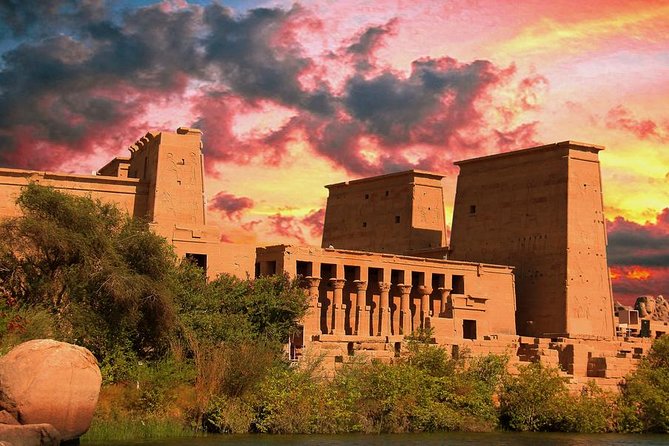
- Aswan’s power trio: High Dam, Unfinished Obelisk, and Philae by boat
- A full day in Aswan: choose your own intensity (Abu Simbel is the big option)
- Heading back toward Luxor: Kom Ombo again and the last stretch glow
- Luxor West Bank day: Valley of the Kings, Hatshepsut, and the Colossi
- Day Eight in Luxor: Luxor Temple and an easy exit
- Price and value: what $850 per person buys (and what to budget for)
- Who should book this Nile cruise (and who might want a different style)
- Should you book this Luxor to Aswan cruise?
- FAQ
- What does the cruise include each day?
- Are entrance fees included?
- Are drinks included on the cruise?
- Will I have a tour guide?
- What optional tours are available?
- How long is the trip?
- How are transfers handled?
- Where are the cabins located?
- How big is the group?
Key things that make this Nile cruise a smart value
- Small group size (max 13) helps the guide keep you on track and answer questions without rushing.
- A/C transfers and meet-and-assist reduce the usual Egypt stress right at arrival and departure.
- Seven nights onboard with breakfast, lunch, and dinner included means fewer meals to plan.
- Egyptologist-led temple days across Luxor, Edfu, Kom Ombo, and Aswan give context, not just photos.
- Upper-deck cabins are part of the comfort setup, so you can wake up ready for the river views.
- Optional add-ons (Abu Simbel and hot air balloon) let you choose your own intensity level.
What “5-star” means here: comfort, food, and a smoother pace
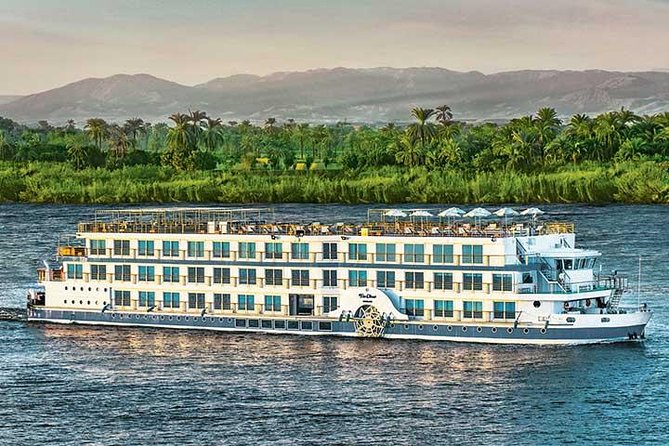
This cruise is positioned as 5-star deluxe, and the big practical payoff is how much is handled for you. You sleep for seven nights on the Nile, eat onboard, and move between stops with air-conditioned vehicle transfers—all set up so you spend less time figuring things out.
The onboard routine is simple: you’ll typically start your day with breakfast, take guided tours when the schedule calls for it, and then return to the ship for lunch or dinner. Food is served buffet style, with a note that you can choose a set menu for an extra cost if you prefer something more structured.
One more reason this route feels good: you get a mix of intense ancient sites and calmer river moments. When you want a breather, the deck views are right there, and you are not burning the day on nonstop museum hopping.
You can also read our reviews of more boat tours in Luxor

Day One in Luxor: Karnak first, jet lag later
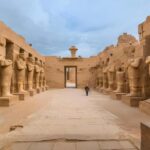
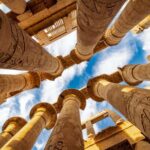
Your first temple stop is Karnak, on Luxor’s east bank. This is a great way to orient yourself because Karnak sets the tone: massive stone halls, columns, and the sense that you are standing in the center of an old religious universe.
After that, you’ll embark and settle in on the ship. The plan leaves room for an evening in Luxor—use it to walk at a gentle pace, get oriented, and adjust to the heat and light. If you arrive hungry or tired, don’t over-schedule that first night. Let the trip start slowly.
Tip for first timers: if you feel sensitive to sun glare, bring sunglasses and a hat early. Luxor light can be intense, and Karnak rewards you most when you can slow down and actually look at details.
Edfu and Kom Ombo: Horus Temple plus a different kind of temple story
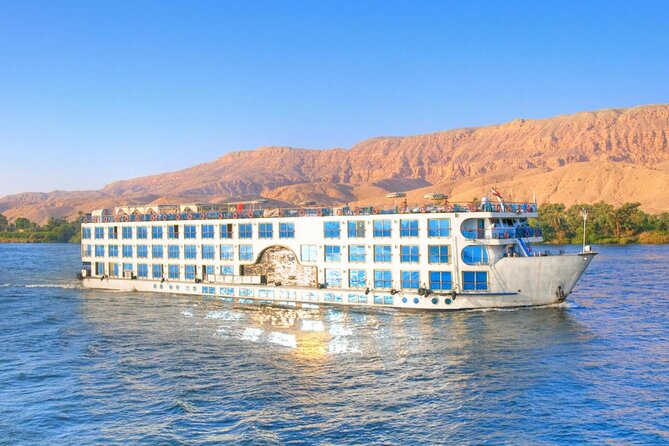
The early sailing section pushes you toward Edfu, with the program pairing morning cruise time with temple visits later. There’s a sense of rhythm here: you watch the Nile glide by, then you shift gears to archaeology on land.
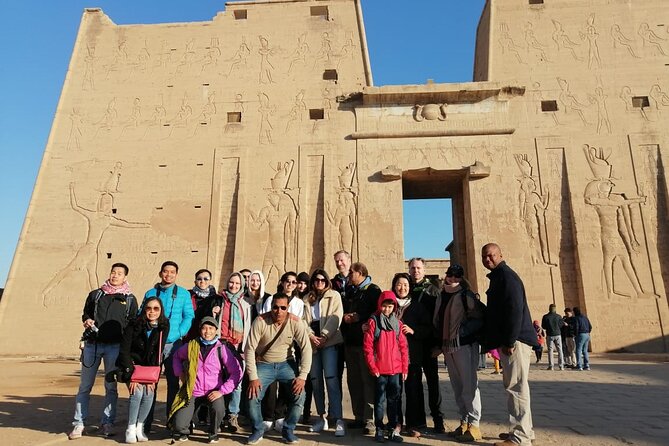
In Edfu, you visit the Temple of Horus. This stop tends to feel different from Luxor because Edfu’s temple complex is shaped as a coherent, focused experience. You’ll get a guided visit time window, which matters because the temples can feel overwhelming if you are going on pure instinct.
Then comes Kom Ombo, where you tour the temple with a guided focus. Kom Ombo is one of those places that rewards having an interpreter. You’re not just looking at carvings—you’re learning what the temple was designed to communicate, which makes the stone feel less like random decoration.
A small caution: this part of the schedule is a lot of temple time in a short span. If your ideal pace is slower, plan to take breaks whenever the group moves between areas, and consider skipping extra add-ons later so you don’t end up tired for the bigger days ahead.
Sailing days that actually help: where the river time fits
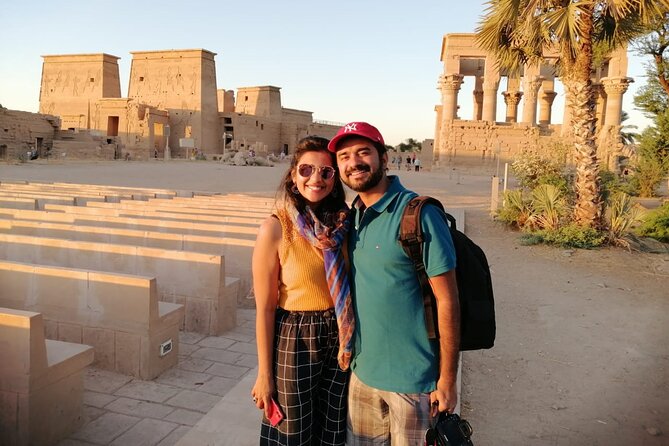
Between temple stops, you spend meaningful time cruising. That matters because this tour isn’t only a chain of sights—it is also a cruise, with the water acting like a reset button.
You’ll notice it most when you return from a day of walking and heat. A ship rhythm gives you a place to rinse off, stretch out, and recharge before the next guide-led visit.
Also, cabin comfort affects the whole experience. You’re told cabins are on the upper deck, which is a good setup if you like river views or want an easier way to step out and enjoy the changing light.
Aswan’s power trio: High Dam, Unfinished Obelisk, and Philae by boat
Aswan is where the trip starts to feel like Egypt in big scale. You have three major stops, each with a distinct vibe.
First is the Aswan High Dam. Even if you are not a science person, it helps your brain understand why the river became both easier to manage and harder to predict. It’s a reminder that Egypt’s story is not only ancient—people have been reshaping the Nile for modern life too.
Next you visit the Unfinished Obelisk. This one is fascinating because you can literally see the stop-start of ancient work. It gives you a rare look at the process rather than only the finished monument.
Then comes Philae Temple, reached by motorboat. That boat transfer is more than transportation; it sets the mood. You arrive for the temple visit with the sense that you are traveling between worlds—river life to sacred architecture—rather than just driving up and parking.
All of these stops are guided, so your guide’s job is to connect the dots. That is exactly what you want in Aswan: context that turns individual sights into one story.
You can also read our reviews of more guided tours in Luxor
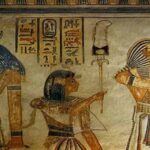
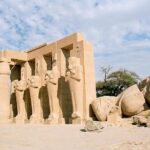
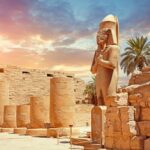

A full day in Aswan: choose your own intensity (Abu Simbel is the big option)
After the intense Aswan monuments day, you get free time in Aswan. This is your chance to move at your own speed—shop a bit, wander, or simply rest if you are running short on energy.
There is also an optional excursion to Abu Simbel for an extra surcharge. This is the kind of add-on worth considering if you want one of the most famous big-name destinations of southern Egypt. The catch is straightforward: it takes time and adds another long day, so it’s best if you feel ready for it.
My practical take: if you love the idea of seeing maximum monuments and you enjoy early starts, Abu Simbel can be a strong match. If you prefer soaking in Aswan’s calmer pace, skip it and use the free day to rest and explore locally.
Heading back toward Luxor: Kom Ombo again and the last stretch glow
Later in the week, you continue sailing and stop at Kom Ombo again before heading back toward Luxor. If that sounds like repeating a stop, it doesn’t have to feel that way because the tour timing and context can shift how you experience the temple. You may notice different details on a second visit, or appreciate it more after you’ve already seen Edfu and the Aswan sites.
On arrival in Luxor in the evening, you’ll have time to reset before the West Bank day, which is usually the highlight for many first-time visitors.
Luxor West Bank day: Valley of the Kings, Hatshepsut, and the Colossi
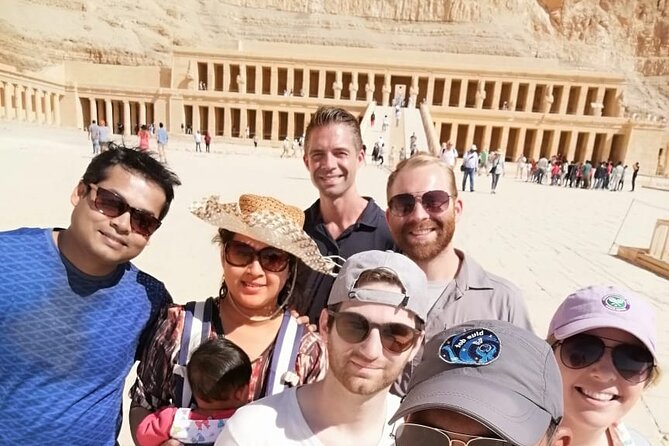
This is the day people often remember most clearly, because it packs multiple signature sights into one guided window.
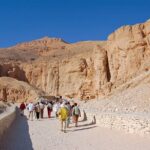
You start with the Valley of the Kings. If you choose the optional add-on, you can take a hot air balloon ride over the West Bank (surcharge). Balloon time can be amazing because you see the geometry of the valley from above, but it also adds early-morning stress—so only choose it if you enjoy that kind of wake-up call.
Next is Temple of Hatshepsut at Deir el Bahari. This temple can feel dramatic even before you understand the story, and having a guide helps you see why it was designed the way it was. You get more out of Hatshepsut when you understand the political and religious message behind the architecture.
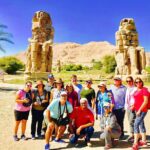
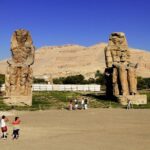
Finally, you visit the Colossi of Memnon. This stop is shorter, but it lands well as a bookend. After the temple interiors and valley scenes, the statues give you a different kind of monument experience—huge scale without a maze of rooms.
Plan for walking, heat, and uneven ground. This day can be tiring if you treat it like a casual stroll. Go slow, sip water, and let the guide keep you from wasting time trying to figure out what to look for next.
Day Eight in Luxor: Luxor Temple and an easy exit
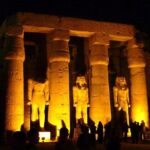
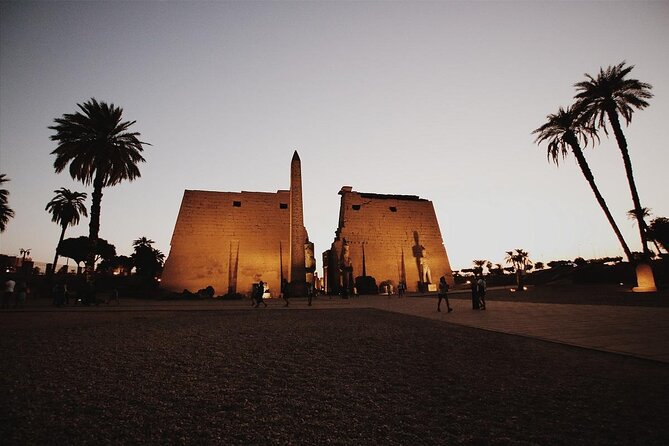
Your final sightseeing stop is Luxor Temple, on the east bank. This is a good wrap-up because it brings the story back to Luxor’s heart and gives you one last chance to see how the stonework ties into daily life and ancient ritual.
After breakfast, you check out and get a transfer to your next point—either a Luxor hotel, train station, airport, or another drop-off you prefer. That makes the ending straightforward, especially if you are coordinating a flight.
Price and value: what $850 per person buys (and what to budget for)
At $850 per person, this tour is aiming at a “one price covers the big stuff” approach. You get seven nights on a 5-star deluxe Nile cruise, plus daily breakfast, lunch, and dinner onboard. You also get guided sightseeing through key locations and modern A/C transfers, which can be a big part of why Egypt can feel smoother with a structured plan.
What’s not included is equally important. You should budget for entrance fees for the sites between Luxor and Aswan. The program estimates around $35 total, and students with a card can get 50% off adult rates. Drinks are also not included on the cruise.
So the value math looks like this: the $850 price mainly covers your ship, meals, and guided movement. You pay extra for the moments that depend on ticketing and personal choices. If you are comfortable planning for entrances and a couple of optional add-ons, the overall deal can feel very fair for the time and guidance you get.
One more practical note: group size is capped at 13, which can improve the feel of the tour. Smaller groups usually mean less waiting, fewer bottlenecks at sites, and more chance to ask questions.
Who should book this Nile cruise (and who might want a different style)
This trip fits best if you want:
- A guided temple itinerary with Egyptologist-style interpretation
- A cruise base with onboard meals so you can travel without meal-planning stress
- Comfort and structure, especially around transfers and timing
You might consider a different style if:
- You hate group pacing and want full freedom every hour
- You are very sensitive to walking on hot days
- You want drinks included (they are not)
The mix of Luxor east bank, West Bank highlights, and Aswan’s modern-and-ancient anchors makes the route feel balanced. It is not only “big names” on repeat—it moves through different kinds of sites so your trip stays interesting from day to day.
Should you book this Luxor to Aswan cruise?
I would book this if you want a week of guided ancient sights paired with real downtime on the Nile. The combination of 7 nights onboard meals, A/C transfers, and a small group keeps the logistics manageable and lets you enjoy the experience instead of wrestling it.
If you are the kind of traveler who needs everything priced in, make sure you budget for site entrances (about $35) and keep an eye on the “optional” choices like Abu Simbel and the hot air balloon. With that small planning step, this is a strong, practical way to experience Luxor and Aswan without feeling rushed or lost.
FAQ
What does the cruise include each day?
The package includes 7 nights in a 5-star deluxe Nile cruise with breakfast, lunch, and dinner served onboard. It also includes guided sightseeing and air-conditioned transfers between parts of the program.
Are entrance fees included?
Entrance fees for the sites between Luxor and Aswan are not included. The program estimate is around $35 USD, with a 50% student discount if you have a student card.
Are drinks included on the cruise?
No. Drinks on the Nile cruise are not included.
Will I have a tour guide?
Yes. You’ll have an expert tour guide, and you can choose your own language.
What optional tours are available?
You can add Abu Simbel (surcharge) and an optional hot air balloon ride over the West Bank (surcharge).
How long is the trip?
It runs for 8 days (approx.) with 7 nights onboard the Nile cruise.
How are transfers handled?
You get meet and assist services at arrival and departure and transfers using modern air-conditioned vehicles.
Where are the cabins located?
Your cabins are on the upper deck.
How big is the group?
The tour has a maximum size of 13 travelers.