REVIEW · CAIRO
7 Day Egypt itinerary
Book on Viator →Operated by Marsa Alam Tours · Bookable on Viator
Seven days in three Egyptian powerhouses. This tour makes the big sites feel doable, with airport pickup, a private guide, and built-in pacing across Cairo, Aswan, and Luxor. You’ll also get internal flights to keep the trip from turning into one endless bus ride.
I especially liked the way the trip is organized around comfort and clarity. The Cairo stay at Steigenberger Pyramids helps you wake up close to the Giza skyline, and the drivers/guides have a reputation for keeping things smooth, including names like Wael and Ahmed being praised for agenda control.
One thing to weigh: it’s a full itinerary with a couple of add-ons. The plan includes major entrance fees, but the mummies room fee is not included, and the Tomb of Tutankhamun costs extra, which can add up if you want both.
In This Review
- Key Highlights
- Cairo Airport to Steigenberger Pyramids: Getting Started Without Stress
- The Giza Complex: Cheops, Chephren, Mykerinus, Sphinx, and Valley Temple
- Egyptian Museum Timing and the Tutankhamen Reality Check
- Flying to Aswan: Saving Your Time for the Nile
- Abu Simbel’s Two Temples: The UNESCO-Level Feat You Can Feel
- Nubian Village Time in Aswan: Authentic, Colorful, and Human-Scale
- Philae and the Unfinished Obelisk: When the Nile’s Past Meets Engineering
- Luxor Temple at Night, Karnak by Day: Two Different Feels in One Big Complex
- Valley of the Kings: Tombs, Tutankhamun Add-On, and the Ones Worth Prioritizing
- Khan el-Khalili and Old Cairo’s Coptic Churches: A Different Side of Cairo
- Price and Logistics: Is $1,884.84 Good Value for a 7-Day Egypt Mix?
- Who Should Book This 7-Day Cairo, Aswan, and Luxor Tour?
- Should You Book It?
- FAQ
- What’s the start and end point for this tour?
- How long is the 7 Day Egypt itinerary?
- Which cities are included?
- Are flights included in the price?
- Are entrance fees included, and are there any extra site costs?
- What languages are available for the private guide?
Key Highlights

- Private guide service that keeps the sites from feeling like a checklist
- Pyramids of Giza + Sphinx + Valley Temple in one efficient day
- Abu Simbel temples and Nubian Village time in Aswan
- Karnak Temple scale plus Luxor Temple in the evening area
- Khan el-Khalili and Old Cairo churches for a different side of Egypt
- Included internal flights to protect your vacation time
Cairo Airport to Steigenberger Pyramids: Getting Started Without Stress
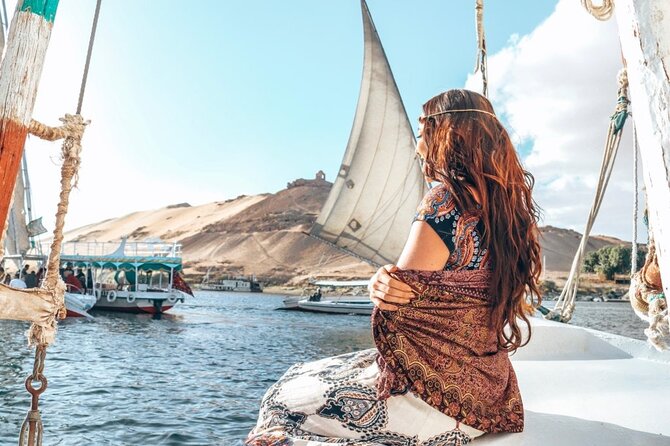
Day 1 is basically designed to remove the first-day chaos. You’re met at Cairo International Airport, then transferred to your hotel by a private, air-conditioned vehicle. After that, you’re in “settle in” mode, not “figure-it-out” mode.
The Cairo hotel is Steigenberger Pyramids, and that matters more than you’d think. A pyramid-view hotel doesn’t just look good on photos. It helps you get your bearings fast the moment you arrive, which makes the next day’s Giza visit feel less overwhelming.
This tour also uses a private setup, so you’re not stuck waiting around for strangers to buy snacks, answer WhatsApp messages, or decide they’re suddenly too tired. In the feedback I saw, guides like Wael, Adam, Hamy, and Abdol came up repeatedly for running a tight agenda while still sounding human.
A few more Cairo tours and experiences worth a look


The Giza Complex: Cheops, Chephren, Mykerinus, Sphinx, and Valley Temple
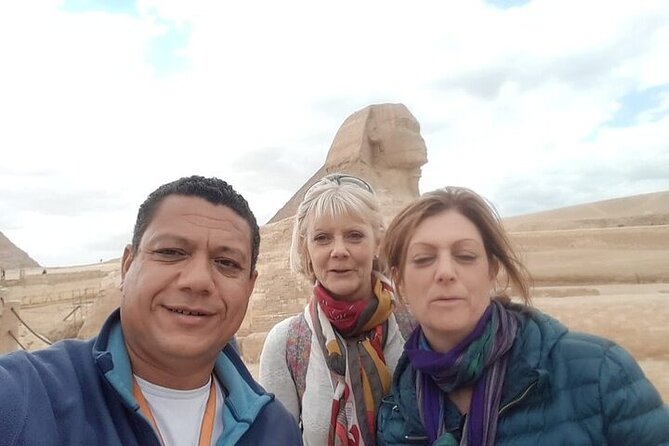
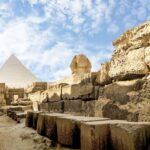
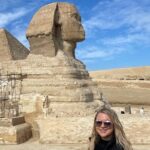
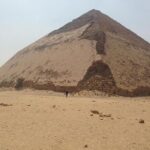
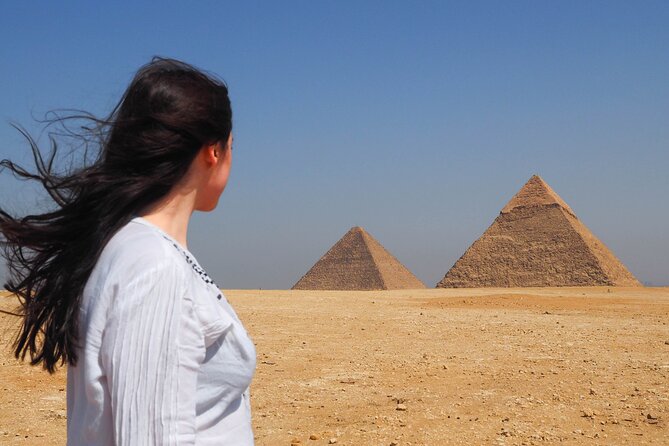
If Egypt’s greatest hits are the pyramids, this is the cleanest way to see them in one go. In the morning, you get picked up from your hotel with your guide and head straight for the Pyramids of Giza—Cheops, Chephren, and Mykerinus—plus the Great Sphinx.
What I like about adding the Valley Temple is that it connects the dots. Many first-time visits stop at “big pyramid, great photos.” This plan keeps you moving through the parts of the complex that explain how the site worked as a whole, not just how it looks from one angle.
The included time here is about 2 hours with admission included, which is just enough to feel you’ve seen the core landmarks without turning your day into a marathon. The tradeoff: if you want slow wandering, camel detours, or a deep read of every inscription, you may feel rushed. Still, for most people with only a week, this is a smart hit list.
Egyptian Museum Timing and the Tutankhamen Reality Check
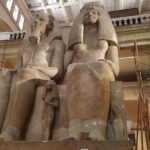
Your Cairo day doesn’t just stop at royal monuments outside. You also visit the Egyptian Museum, where you’ll see a collection stretching back thousands of years, including a special Tutankhamen exhibit featuring treasures, gold, and jewelry.
Here’s the practical note that can save you money: the entrance fee to the mummies room is not included. That means if you care specifically about mummy-room access, you’ll want to plan for it. On the other hand, the museum admission is included, so you’ll still get a lot even if you skip one optional area.
Also, museum days are where your guide makes a difference. You don’t need a long lecture, but you do want someone who can explain what you’re looking at without turning it into a textbook. The guides named in prior experiences—like Adam—were repeatedly praised for making details land.
Flying to Aswan: Saving Your Time for the Nile
Day 2 has an efficient pivot: after the museum, you fly to Aswan and overnight there. This is one of the smartest choices in a one-week trip.
Why it matters: Cairo to Aswan by road would eat most of a day. Flying keeps your energy for the sites that actually require time—temples, river views, and walking. It also helps your schedule feel structured instead of frantic.
Once you land, you’re in Aswan for the next phase of the itinerary, with your hotel included on a bed and breakfast basis (the plan lists Basma hotel for the Aswan nights). Aswan is slower in mood than Cairo, so this is a good place to reset after the intensity of the Giza and museum day.
Abu Simbel’s Two Temples: The UNESCO-Level Feat You Can Feel
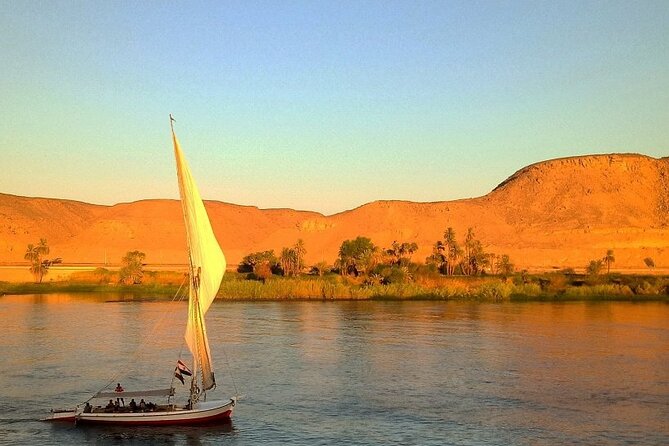
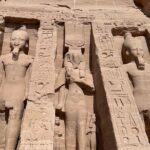
Abu Simbel is the kind of place that makes you stop looking at the world through a modern lens. You’ll visit the two temples of Ramses II and Queen Nefertari, carved into rock on the west bank of the Nile region, with the Great Temple dedicated to Ramses II and major gods. The second temple is tied to Nefertari and Hathor.
One reason this stop hits hard is that it’s not just the architecture—it’s the story. The temples were dismantled stone by stone and rebuilt on higher ground, and the plan frames this as a UNESCO-level achievement. Even if you don’t go heavy on details, you can still sense the scale of what it took to save these monuments.
Time-wise, the visit is about 2 hours, and admission is listed as free for this stop in the information you were given. For many travelers, Abu Simbel is a once-in-a-lifetime moment, so the guided structure is useful. It helps you focus on what you’re seeing instead of getting lost in the logistics of a remote site.



Nubian Village Time in Aswan: Authentic, Colorful, and Human-Scale
Right after Abu Simbel, you get Nubian Village time for about 2 hours. This stop is often more memorable than people expect, not because it’s the biggest monument on the map, but because it feels lived-in.
The plan describes it as authentic and genuine, and that vibe matters. You’ll be walking in the village, encountering color and art in everyday form rather than as a staged performance. If you like cultural travel that isn’t only about buildings and tombs, this is your payoff.
A couple of practical thoughts: village walking can mean uneven surfaces and sun exposure. Wear comfortable shoes and keep water handy. With a private guide, you can also ask questions on the spot, which turns the visit into more than just a photo stop.
Philae and the Unfinished Obelisk: When the Nile’s Past Meets Engineering
Day 4 brings you back into temple mode with Philae. This temple was built in honor of Isis and started around 690 BC, described as the last temple built in the classical Egyptian style. That “last” detail is interesting because it places the site at a turning point in Egyptian temple-building traditions.
After Philae, you visit the High Dam area and then head to the Unfinished Obelisk at Aswan’s northern quarries. The unfinished obelisk is fascinating because it gives you a behind-the-scenes view of how granite monuments might have been created. You’ll see that nearly completed shaft form and learn that only some inscriptions remained unfinished.
It’s also a good reminder that Egypt’s monuments weren’t created in a vacuum. This part of the day connects ancient stonework to modern Nile engineering by discussing the Aswan High Dam and how it created the reservoir known as Lake Nasser. It’s a smart contrast, and it makes your trip feel less like separate sightseeing days and more like one connected story.
Admission is listed as free for these stops in your itinerary details, and the total time for these segments is built into a 2-hour window for the key cluster, so you won’t lose the day to paperwork and wandering.
Luxor Temple at Night, Karnak by Day: Two Different Feels in One Big Complex
You drive to Luxor and sleep there after the Aswan days. Then Day 6 focuses on two of the most important temple experiences: Karnak and Luxor Temple.
First up: Karnak Temple. The information you were given notes that it’s the largest ancient religious site known anywhere and a massive complex made over generations. You’ll spend around 2 hours here with admission included.
What helps at Karnak is understanding that it’s not one building. It’s a cluster spread across 247 acres, described as three main temples. That scale can feel dizzying if you go in blind. A private guide helps you pick the right structures to prioritize so your time feels purposeful.
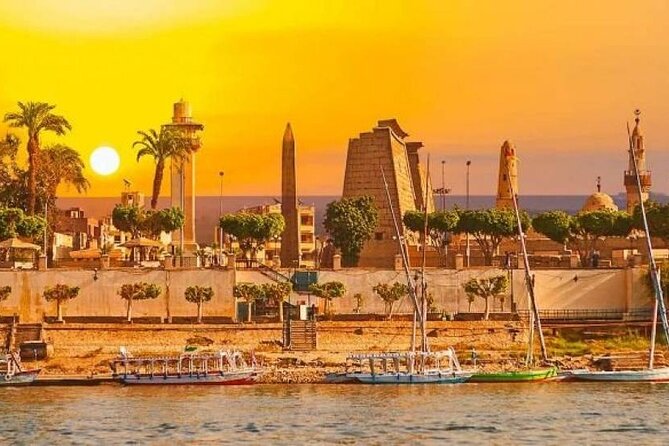
Next is Luxor Temple, with building tied to Amenhotep III and completion credited to Tutankhamon, plus decoration from Ramses II. This is where Luxor starts to feel more intimate. The temple area tends to be visually strong in the late-day/early-night light, and the tour pairs it with dinner and overnight on board of the cruise in Luxor (while the included package also lists Nile Palace Hotel for two Luxor nights). Practically, that means you get a river-side experience without losing your hotel base.
If you’re sensitive to pacing, this day is one to mentally prepare for. You’re seeing two major temple targets, so plan for sun, walking, and a long day even if the guided time blocks are reasonable.
Valley of the Kings: Tombs, Tutankhamun Add-On, and the Ones Worth Prioritizing
Day 5 is dedicated to the Valley of the Kings, described as the final resting place for rulers from the 18th to 20th dynasties. It’s also where you’ll hear names like Ramses II and Tutankhamun.
Your visit time is about 2 hours with admission included. The tombs are explained as stocked with goods a ruler might need in the afterlife, and the plan notes that many decorations remain well preserved. That’s key: you’re not just viewing entrances. You’re seeing inside—where available—so you get the real feel of what these spaces are meant to communicate.
Now, the important money note: if you want the Tomb of the young Pharaoh Tutankhamun, it costs 200 Egyptian Pounds extra. That extra fee is the biggest optional cost inside this tour. If you’re on the fence, ask yourself what matters most: the broader tomb sweep, or the specific Tutankhamun experience.
With a private guide, you can also decide how much time to spend in each tomb rather than rushing through everything. That’s one of the subtle benefits of going private on a one-week schedule.
Khan el-Khalili and Old Cairo’s Coptic Churches: A Different Side of Cairo
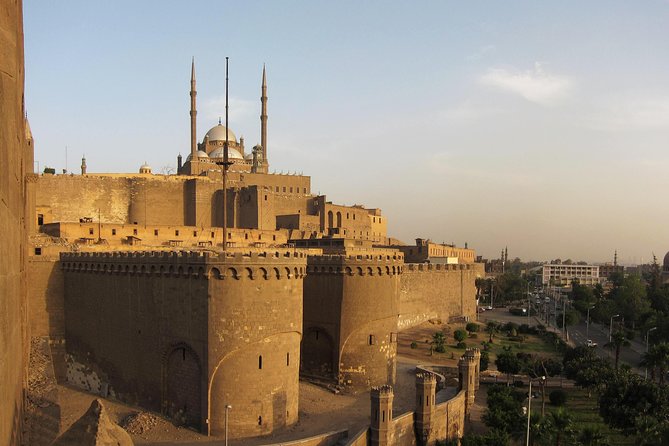
Your final day brings you back to Cairo for two distinct stops. First: Khan el-Khalili Bazaar, one of the oldest bazaars in the Middle East. The plan highlights the maze of alleys and the idea that the area has been a trading center since the 14th century.
Then you visit Old Cairo for major attractions including the Hanging Church, Ben Ezra Synagogue, Church of St. Barbara, and Church of Abu Serga (an old Coptic church). These are listed with admission as free in the itinerary details.
This day works well because it’s not more pyramids, not more temples. It’s a shift into city life and religious layers in the same neighborhood. It’s also a good final stage for your trip. After days of ancient monuments, you get a taste of how people move through Cairo today.
You’ll have about 2 hours for each stop, so it’s enough time to see the highlights without feeling like you must shop for souvenirs just to justify the visit.
Price and Logistics: Is $1,884.84 Good Value for a 7-Day Egypt Mix?
At $1,884.84 per person, you’re not buying a budget-only trip. You’re paying for four things that add up quickly when you try to DIY:
- Private guide time across multiple big sites
- Entrance fees included for the stops listed as included
- Domestic flights (Cairo–Aswan–Luxor–Cairo)
- Good hotel choices in each city on a bed-and-breakfast basis
If you try to piece this together yourself, the hardest part is not booking hotels. It’s aligning transport, timing, and ticket access so you don’t lose whole half-days. This itinerary reduces that headache by pre-building the flow and adding internal flights so you can spend your energy on the monuments.
What you should budget for: the tour explicitly flags a couple of add-ons. The mummies room fee isn’t included, and the Tutankhamun tomb costs extra. Also, tipping isn’t included, so you’ll want to carry cash for guides/drivers if you plan to tip in the usual way.
One more practical factor: the experience information notes it requires good weather. That matters most for outdoor-heavy days like Giza, but it can affect the overall flow if conditions are poor. In general, though, you’re visiting top sites that are less likely to be canceled entirely than niche experiences.
Who Should Book This 7-Day Cairo, Aswan, and Luxor Tour?
This is a great fit if you want a one-week plan that hits major icons without turning travel days into the main event. It also suits you if you like the comfort of private pickup, hotel-based touring, and guides who can explain what you’re seeing.
It’s also a good match if you care about pacing. The itinerary mixes:
- monumental classics (Giza, Karnak, Valley of the Kings),
- a remote standout (Abu Simbel),
- a cultural walk (Nubian Village),
- and a Cairo city slice (Khan el-Khalili + Old Cairo churches).
If you’re the type who likes to roam on your own all day, this may feel a bit structured. But if you’re aiming for high value per day, it fits.
Language coverage is also strong: you can expect guiding in English plus Spanish, French, German, Italian, Arabic, and Dutch.
Should You Book It?
If your goal is a well-paced Cairo–Aswan–Luxor hit list with private guidance and included admissions, I’d say this is worth considering. The strongest reason to book is the combination of included internal flights and private guide time. That pairing is what keeps a week from slipping into logistics.
I’d think twice only if you’re trying to keep your spending ultra-low or you want maximum free time for independent wandering. The optional fees (like the mummies room and the Tutankhamun tomb) mean your final total can rise if you add them.
If you want a clean plan that covers the big moments and still leaves space for human-scale stops like Nubian Village, this one is a solid choice.
FAQ
What’s the start and end point for this tour?
The tour starts at Cairo International Airport and ends back at the same meeting point.
How long is the 7 Day Egypt itinerary?
It’s listed as 7 days (approx.).
Which cities are included?
The experience includes Cairo, Aswan, and Luxor.
Are flights included in the price?
Yes. Flight tickets for Cairo–Aswan–Luxor–Cairo are included.
Are entrance fees included, and are there any extra site costs?
Entrance fees are included, but some specific add-ons are not. The mummies room entrance fee is not included, and visiting the Tomb of Tutankhamun costs 200 Egyptian Pounds extra.
What languages are available for the private guide?
Guides are available in Spanish, English, French, German, Italian, Arabic, and Dutch.