REVIEW · CAIRO
7 Days & 6 Nights by Flight Cairo Pyramids & Nile cruise Aswan To Luxor(Private)
Book on Viator →Operated by Book to Egypt · Bookable on Viator
Pyramids and Nile temples, tightly packed. This private Cairo to Aswan-to-Luxor combo is a fast way to see Egypt’s headline sights with private transfers and English-speaking guides, without you having to stitch logistics together. I especially like how the pacing balances Cairo’s big-ticket monuments with calmer cruise time, and how your days include guided sightseeing plus included meals so you spend less time guessing what’s next. One thing to consider: not all major entrances are included, and the itinerary can feel warm and full, especially if humidity hits while you’re at the Giza Plateau.
You’re not just touring buildings here—you’re moving through the stories Egypt tells across water and sand. You’ll start with Giza and Old Cairo flavors in Cairo, then fly to Aswan for island-temple vibes at Philae and the High Dam, then cruise past Kom Ombo and Edfu before landing in Luxor for the West Bank’s royal tomb atmosphere. It’s efficient. It’s also a lot of days where comfortable shoes matter.
In This Review
- Quick hits: what makes this trip work
- Booking price and what you really get at $1,000
- Day 1 Cairo: airport assistance, fast check-in, and an optional first-night show
- Day 2 Giza Plateau + Egyptian Museum + Coptic Cairo
- Giza Plateau: Cheops, Chephren, Mycerinos, and the Sphinx
- Tahrir Square Obelisk area and the Egyptian Museum
- Coptic Cairo: Old Cairo’s layered religious sites
- Day 3 Fly to Aswan: Philae Temple and the High Dam
- Philae Temple: island temple setting and Isis pilgrimage roots
- Aswan High Dam: why it changed the Nile’s future
- Day 4-5 On the cruise: Kom Ombo, Edfu’s Horus Temple, and sailing time
- Day 4: Kom Ombo’s dual-god temple, then Edfu’s Horus Temple
- Day 5: West Bank visits start while the boat repositions you
- Day 5 Luxor West Bank: Valley of the Kings, Hatshepsut, and Colossi of Memnon
- Valley of the Kings: royal cemetery for 62 pharaohs
- Hatshepsut’s mortuary temple at Deir el Bahari
- Colossi of Memnon: a quick pass-by moment
- Day 6 Luxor Temple + flight back to Cairo
- Day 7 Cairo: free time and final departure
- What to expect on the ground: heat, timing, and comfort
- Who this tour suits best
- Should you book this Cairo + Aswan-to-Luxor private tour?
Quick hits: what makes this trip work
- Private, air-conditioned ground transfers between airport, hotel, and sights so your day starts with less hassle.
- 3 nights in Cairo (5-star Ramses Hilton or similar) plus 3 nights on a 5-star superior Nile cruise—so you get real time on the river, not just a quick boat ride.
- Domestic flights included (Cairo to Aswan, Luxor to Cairo) to protect your schedule.
- Most sightseeing is private and guided, including Cairo tours and guided stops on the cruise.
- Meals are built in (breakfast, lunch, and dinners listed) plus bottled water during the trip.
- Optional add-ons exist on top of the core plan, including a sound-and-light show and a Nile dinner cruise on your Cairo night.
Booking price and what you really get at $1,000
At $1,000 per person, this isn’t a budget-only escape. But it’s also not just paying for a boat and a driver. The value is in the structure: you’re getting hotel beds, cruise beds, guided tours, private transfers, domestic flights, and a chunk of meals already folded into the package.
Here’s what that means for you in real life:
- You avoid the common pain of trying to coordinate Cairo hotel time, Aswan-to-Luxor cruise time, and the domestic flights on your own.
- You spend more of your days inside the sights (with a guide) and less time wrangling schedules.
- You can plan around included meals, which matters because heat + long days = you don’t want to hunt for lunch every time.
Now, the trade-off. Entrance fees for many sites are not included (and that includes several of the major monuments). So you’ll want to budget extra for tickets on top of the package price. Also, tipping is expected: $5 per person per day for drivers and hotel/cruise staff. That’s not optional in the sense that it’s part of how service works on the ground.
You can also read our reviews of more boat tours in Cairo



Day 1 Cairo: airport assistance, fast check-in, and an optional first-night show
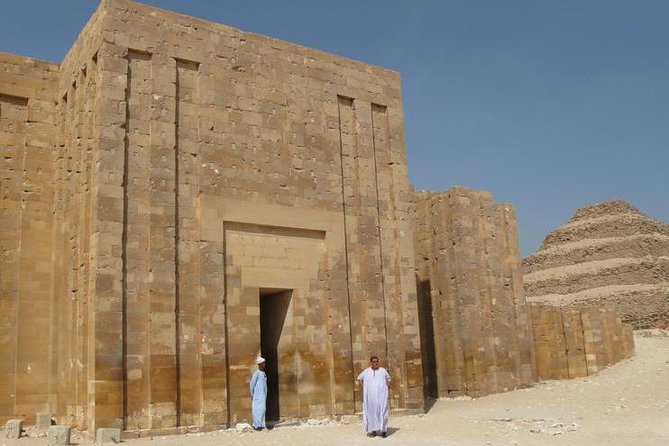
Your tour begins at Cairo International Airport, with a 12:00 pm start time and a meet-and-greet on arrival. You get help through passport formalities and luggage handling, then an air-conditioned private car takes you to your Cairo hotel.
This first day is about getting oriented without wasting energy. You’ll also be told what tomorrow’s excursion looks like. If you still have stamina, this is when optional night activities can fit:
- An optional sound-and-light show linked to your first Pyramid views
- Or an optional Nile dinner cruise and show in downtown Cairo
A small reality check: after an international flight, your best move is to keep plans flexible. Cairo nights can be fun, but exhaustion also hits fast.
Day 2 Giza Plateau + Egyptian Museum + Coptic Cairo
This is the classic Egypt day—start early, wear sunscreen, and accept that your camera roll will take over your life.
Giza Plateau: Cheops, Chephren, Mycerinos, and the Sphinx
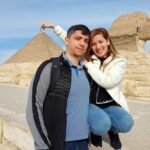
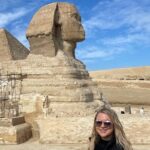
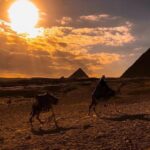
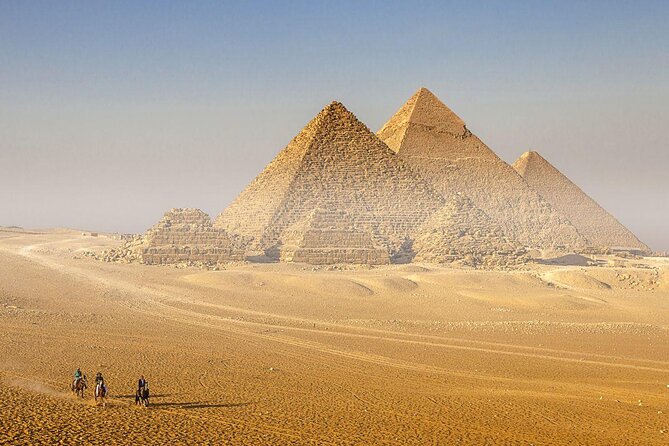
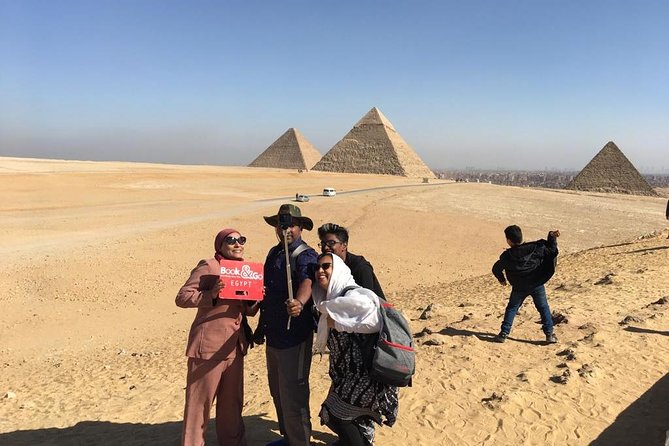
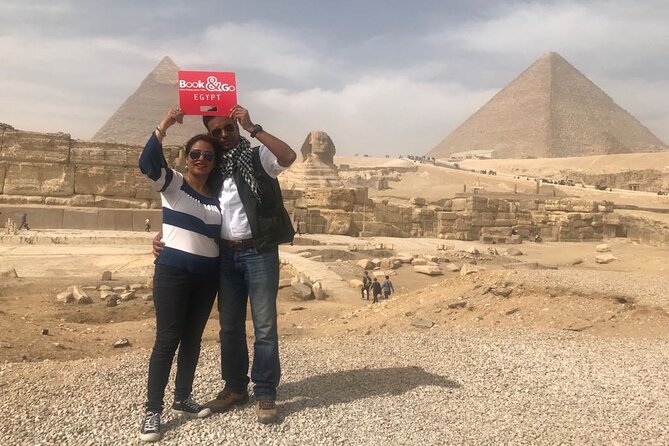
Your guide meets you after breakfast for the Giza Plateau. You’ll explore the pyramids of Cheops, Chephren, and Mycrenos, plus the Sphinx. A local Egyptology guide is part of the experience, with a focus on Egyptian history and context, not just facts read from a sign.
What makes this special is the scale. The pyramids don’t feel like a photo. They feel like a physical challenge: bright sun, long shadows, and stone that’s older than most countries. You’ll also get picture opportunities from viewpoints where the Sphinx and the plateau are framed well.
Practical note: you’ll want comfortable shoes and a hat. Shade isn’t guaranteed the way it is in a museum.
Tahrir Square Obelisk area and the Egyptian Museum
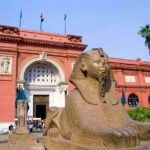
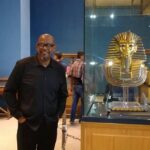
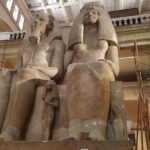
Next, you go toward the Egyptian Museum / Tahrir Square obelisk area. The museum is described as one of the largest and most famous in the world, with a massive collection (about 120,000 artifacts, including items stored away). You’ll be shown the famous spaces, including:
- King Tutankhamen tomb contents
- The Royal Mummy room
This is also one of those days where the museum can feel huge. So aim to pick what you care about most: Tut, mummies, or the big galleries. You can’t do everything at full focus, but a good guide helps you avoid getting lost.
You can also read our reviews of more private tours in Cairo



Coptic Cairo: Old Cairo’s layered religious sites
Then you head to Coptic Cairo, part of Old Cairo. You’ll see key stops such as the Babylon Fortress, Coptic Museum, Hanging Church, and the Greek Church of St. George (plus other historic churches in the area). This is a refreshing contrast to the pyramid day.
If you like Egypt beyond the obvious headlines, this is where the city starts to feel more personal. The churches and fortress buildings give you a different sense of time—still ancient, but with a human-scale neighborhood feel.
Day 3 Fly to Aswan: Philae Temple and the High Dam
The plan shifts from Cairo monuments to Nile-country monuments. After breakfast, you transfer to the airport for your flight to Aswan, then you’re met and taken directly to Philae Temple.
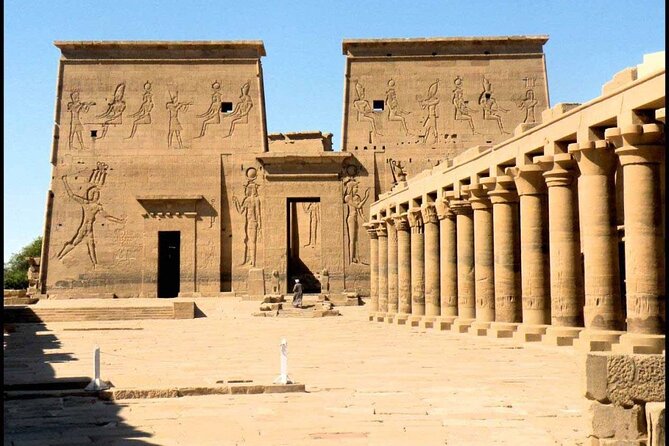
Philae Temple: island temple setting and Isis pilgrimage roots
Philae Temple sits on an island in the reservoir area connected to the Aswan low dam downstream. It’s tied to Nubia and described as a major pilgrimage center for the cult of Isis. Even with modern water geography shaping the view, the feel is still that it’s a place meant for devotion and ceremony.
Aswan High Dam: why it changed the Nile’s future
After Philae, you visit the Aswan High Dam, constructed between 1960 and 1970. The point here isn’t trivia; it’s understanding why so much of today’s Egypt depends on controlled water. The dam is described with concrete dimensions (111m tall, 3,800m long, 980m wide at the base) and the scale of the resulting Lake Nasser (about 550 km long).
From there, you go to the cruise to check in and have lunch.
If you’re the type who likes to know what powers what, the High Dam stop is an excellent anchor point. It ties your cruise experience to real engineering and real tradeoffs.
Day 4-5 On the cruise: Kom Ombo, Edfu’s Horus Temple, and sailing time
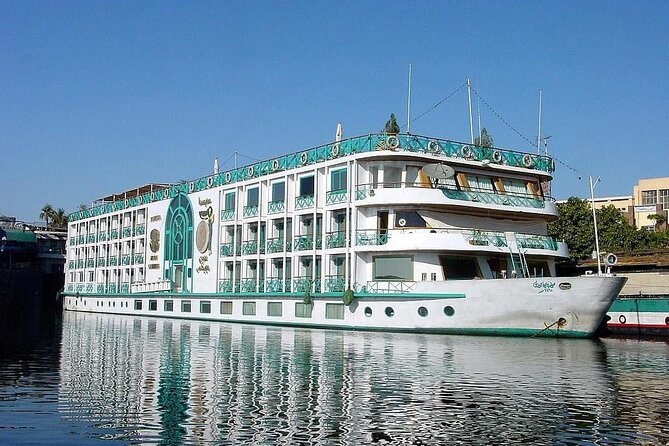
Once you’re on the ship, the trip starts to feel like a proper vacation. You’re still seeing temples, but you’re moving with the Nile instead of commuting across it.
Day 4: Kom Ombo’s dual-god temple, then Edfu’s Horus Temple
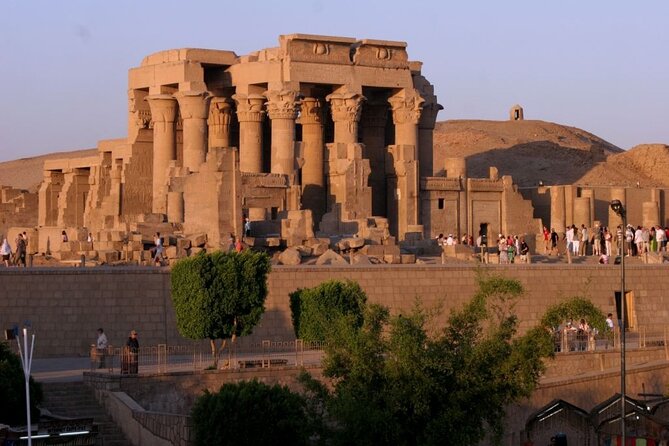
You sail to Kom Ombo. After breakfast on board, you visit the Kom Ombo Temple, which is shared by two gods: Sobek and Haeroris. That dual dedication is a fun detail because it hints that Egypt’s religious world wasn’t one-note.
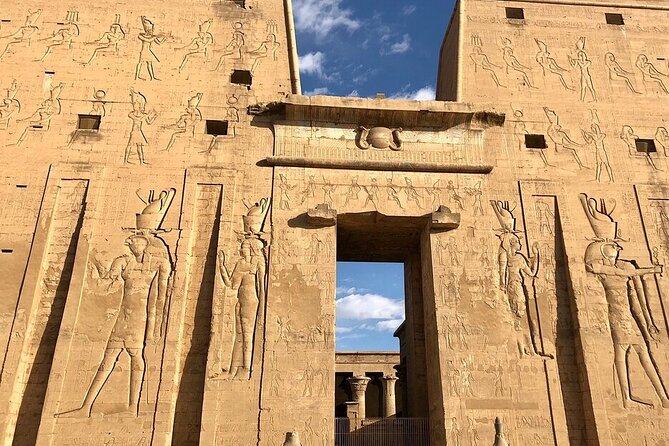
Then you sail to Edfu, enjoying lunch on board, followed by a visit to the Horus Temple in Edfu. It’s described as the best-preserved cult temple in Egypt. That phrase matters. A temple that’s well preserved lets you see details that are usually too damaged or too vague to get a sense of the original design.
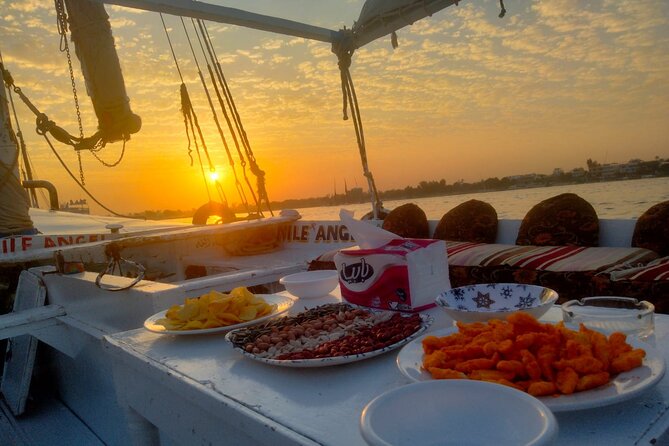
The day also includes afternoon tea during sailing, then dinner and overnight on board. That rhythm—tour, meal, sailing, rest—is exactly how cruise days should feel.
Day 5: West Bank visits start while the boat repositions you
On Day 5, you sail toward Luxor. After breakfast on board, you begin the Luxor West Bank excursion, which is where Egypt turns dramatic.
Day 5 Luxor West Bank: Valley of the Kings, Hatshepsut, and Colossi of Memnon
This is the day people remember, partly because the sites feel like a royal secret—built for tombs, built for legacy.
Valley of the Kings: royal cemetery for 62 pharaohs
You’ll visit the Valley of the Kings, described as the royal cemetery for 62 pharaohs. The guide focus here is less about ticking boxes and more about how burial practices shaped New Kingdom power. Even if you know the big names, the setting makes it feel more human.
Hatshepsut’s mortuary temple at Deir el Bahari
Next is the mortuary temple of Queen Hatshepsut at Deir el Bahari, built in the 15th century BC and created by New Kingdom architects. This stop gives you a different Egypt story: not just pharaohs in the abstract, but leadership and architecture as political and spiritual statements.
Colossi of Memnon: a quick pass-by moment
You’ll also pass by the Colossi of Memnon. The schedule keeps this one short (about 15 minutes) and the admission is noted as free. It’s a good breather moment, too—when the full-day temple focus starts to blur, even a quick landmark helps reset your attention.
Day 6 Luxor Temple + flight back to Cairo
Disembark after breakfast, then transfer for Luxor Temple. You’ll have a guided visit there, and then you head to the airport to fly back to Cairo. In Cairo, you’re transferred to your hotel.
This part matters because it protects the end of your trip from turning into chaos. You’re not stuck trying to arrange trains or long drives at the last moment. The domestic flight is built into the plan, so the logistics don’t steal the final day.
Day 7 Cairo: free time and final departure
After breakfast, you get free time before a transfer to the airport for departure. This is the day to do the simple stuff:
- buy small gifts
- grab a last coffee
- or just soak up the city rhythm before leaving
Because your trip starts and ends in Cairo, this final buffer can feel like a relief.
What to expect on the ground: heat, timing, and comfort
Egypt in one week is doable. It’s also intense. Two real factors can shape your experience.
1) Humidity and heat
One of the most direct considerations from experience on similar trips is humidity. Even if you’re excited, plan for short outdoor stretches and water breaks. You’ll have bottled water during the trip, but you’ll still want your own sunscreen, hat, and breathable clothing.
2) Entrance fees add up
Many big-ticket sights are listed with admission not included. That doesn’t ruin the trip, but it does mean your total spending isn’t just the $1,000.
3) Tips are part of the service model
The tour states $5 per person per day is collected for drivers and hotel/cruise staff. If you prefer a frictionless trip where you don’t think about it later, set aside the cash early. Small planning now saves awkward moments later.
Who this tour suits best
This is a smart fit if you want:
- the major highlights without building your own schedule
- private, guided time in Cairo plus guided temple stops on the Nile
- the convenience of domestic flights to reduce backtracking
- a mix of monuments and cruise downtime
It’s also a good match for couples and small groups who want control without the full workload of planning. If you like independence and you love self-guided wandering, you might find it feels a bit structured. But for most people trying to see Egypt efficiently, the structure is the point.
Should you book this Cairo + Aswan-to-Luxor private tour?
I’d book it if your priority is seeing the headline sights in a single week—Giza, Philae, Kom Ombo, Edfu, Valley of the Kings, Hatshepsut, and Luxor Temple—with private transfers and domestic flights already handled. The value improves because you get real stays in both Cairo and on the Nile, not just a series of day trips.
I’d pause and budget carefully if entrance fees surprise you or if you hate hot-weather touring days. Also, make sure you’re comfortable with the expectation of daily tipping for the service team.
If you want one plan that covers the essential Egypt story arc from pyramids to the Nile’s temple belt, this combo is a strong way to do it. Just pack for heat, plan for entrance tickets, and keep one or two evenings open for optional add-ons like a sound-and-light show or a Nile dinner cruise.