REVIEW · LUXOR
Luxor: Habu, Deir El Medina, Shared tour, Guide, and Lunch
Book on GetYourGuide →Operated by Special Egypt · Bookable on GetYourGuide
Color, gods, and daily work in Luxor. You’ll get Deir el-Medina tomb scenes showing what common life looked like in ancient Egypt, and Medinet Habu with beautifully preserved temple carvings like the oxen hunt. One catch: because it’s a shared small-group tour, you’ll move on a set timetable and won’t have much time to drift off on your own.
What makes this trip worth your time is the human factor. An English-speaking guide (some recent guides have included Tim Tim, Asma, Abnoub, and Prof. Mahmoud Hasan) doesn’t just point at walls; they explain what you’re seeing and answer follow-up questions. You also get easy hotel pickup and drop-off plus a sit-down lunch, so your day isn’t just monuments and thirst.
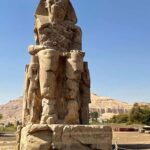
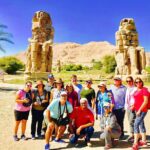
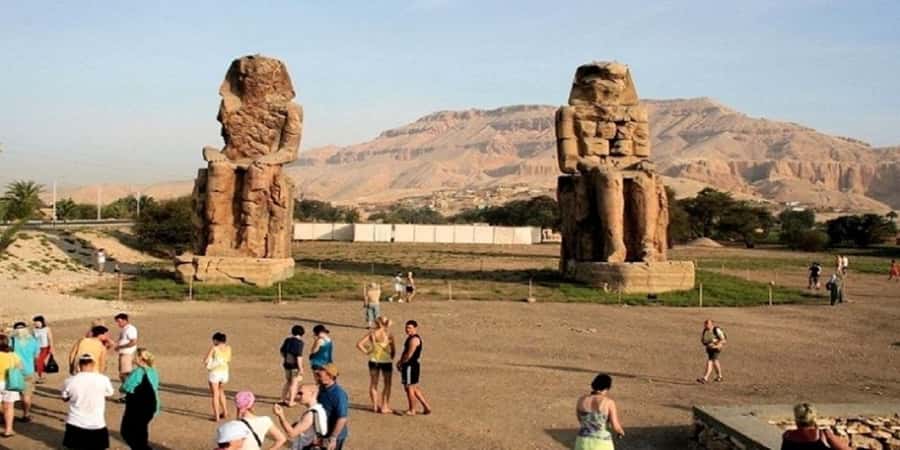
The final stop, the Colossi of Memnon, shifts the mood. These giant statues feel both monumental and strangely personal at the same time, and they’re a great end-of-tour photo moment.
In This Review
- Key things to know before you go
- The 5-hour route that actually makes sense in Luxor
- Deir el-Medina: tomb art of workers, rituals, and real routine
- Medinet Habu: the colors and drama of the temple carvings
- Colossi of Memnon: a final dose of scale and the acoustic myth
- The lunch stop: more than food, it’s energy management
- Why the guide is the difference between seeing and understanding
- Skip-the-ticket-line and the value math of $40
- Photo and comfort tips for this exact itinerary
- Who should book this tour
- Should you book this Luxor tour?
- FAQ
- How long is the tour?
- What places are included?
- Is lunch included?
- Is hotel pickup and drop-off included?
- Do I need to buy entrance tickets?
- What language is the guide?
- Can I cancel and get a refund?
Key things to know before you go
- Deir el-Medina shows daily life, not just royal tomb fantasy
- Medinet Habu’s oxen hunt relief is dramatic and detailed
- A strong Egyptology guide helps you make sense of temples and symbols
- Hotel pickup, drop-off, and skip-the-ticket-line save time and hassle
- A full lunch break keeps the 5-hour run from feeling like a sprint
The 5-hour route that actually makes sense in Luxor
This is a focused tour that hits three high-impact sites in the right order: Deir el-Medina first, then Medinet of Habu, and finally the Colossi of Memnon. That sequencing helps because you start with the most story-heavy location (Deir el-Medina) when your brain is fresh, then move into the temple art of Medinet Habu, and finish with a big visual stop that works even if you’re starting to feel tired.
You’re also not fighting the clock on your own. With pickup and drop-off built in, you don’t waste your morning figuring out transport. And because it’s a shared tour (with a small group), you generally keep a steady pace that fits a 5-hour window.
The most practical thing I like here: the itinerary is built around understanding. Deir el-Medina is powerful because it’s human-scale. Medinet Habu is powerful because it’s detailed temple storytelling. And Colossi of Memnon is powerful because it’s pure scale and atmosphere. Put those together and you get more than a checklist of famous places.
You can also read our reviews of more guided tours in Luxor
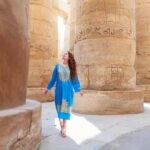
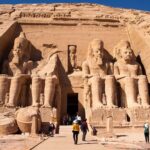
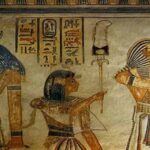
Deir el-Medina: tomb art of workers, rituals, and real routine
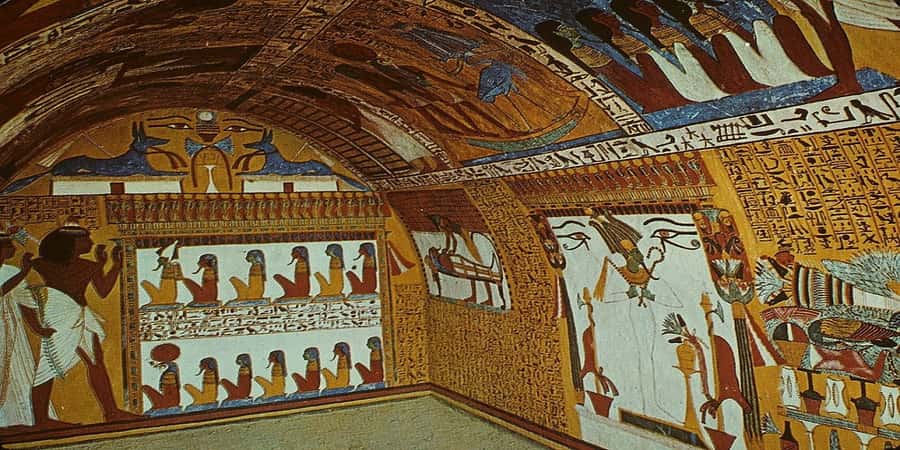
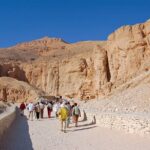
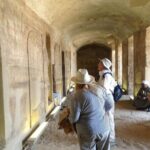
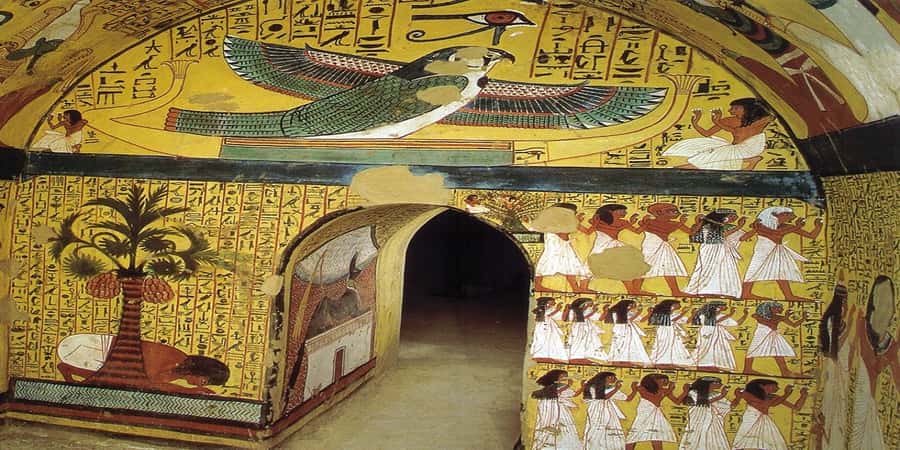
If you’re used to thinking of Egyptian tombs as only about kings, Deir el-Medina quietly changes that. This is the site of workers who built royal projects, and the tombs and remains around them bring the afterlife down to something you can almost picture.
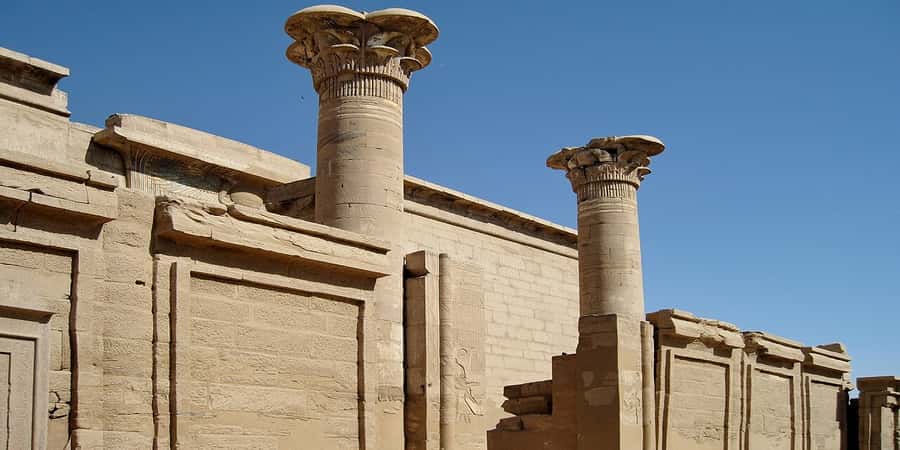
You’ll get the chance to see the temple dedicated to Hathor and Maat before you explore further. That matters because the tour doesn’t treat the site like one long hallway of carvings. You get context: Hathor connects to pleasure and love, while Maat relates to truth and cosmic order. Even if you don’t memorize all the names, the guide’s explanation helps you read the space.
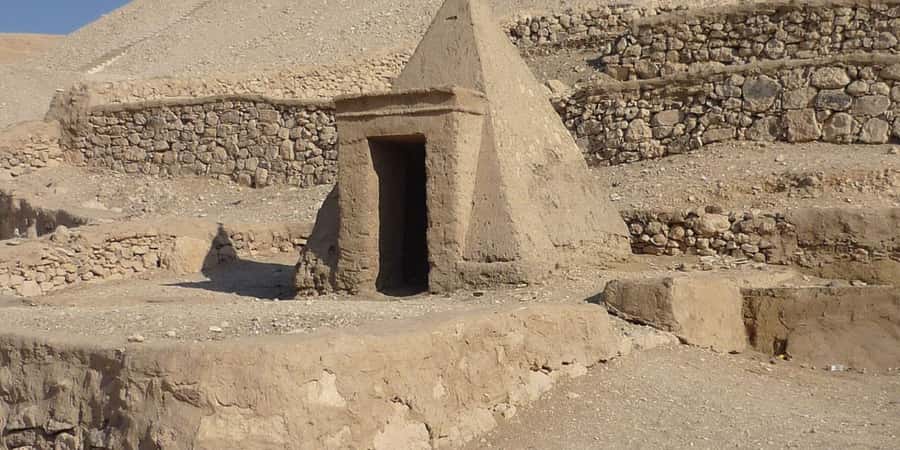
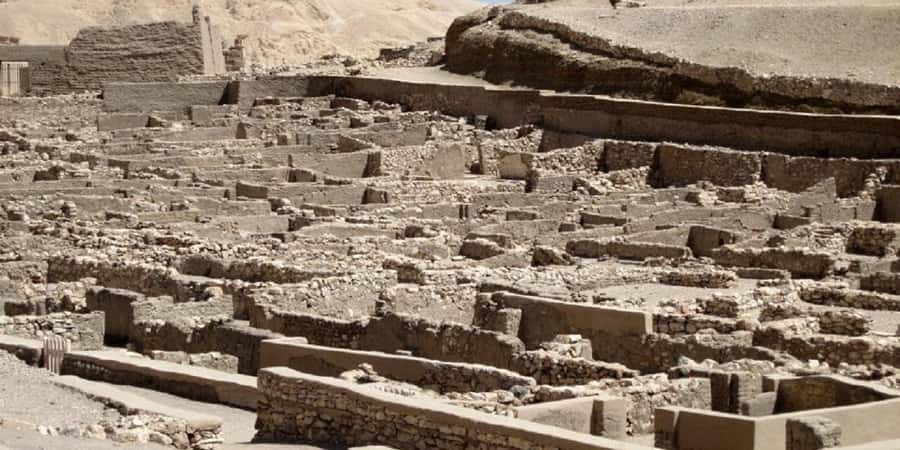
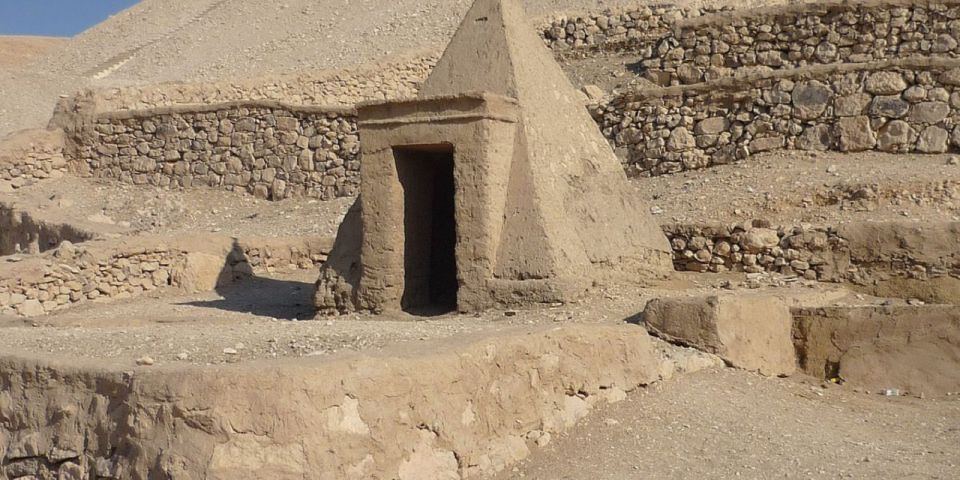
Then comes the best part for most people: the nearby remains connected to the workers’ village. You’re mostly looking at low walls, but also irrigation pipe remains—small, practical details that make the whole place feel lived-in. It’s a reminder that ancient Egypt wasn’t only pyramids and pharaoh portraits. There were daily schedules, work rhythms, and people doing skilled jobs with serious responsibility.
What to watch for on your photos: the scenes of the afterlife alongside pieces of daily life. These tombs can feel more intimate than royal tombs because they include vision-style moments as well as everyday touches. It’s the kind of stop where a good guide turns “cool carvings” into a story you can follow.
Medinet Habu: the colors and drama of the temple carvings
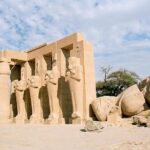
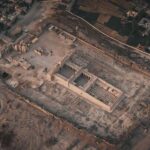
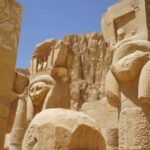
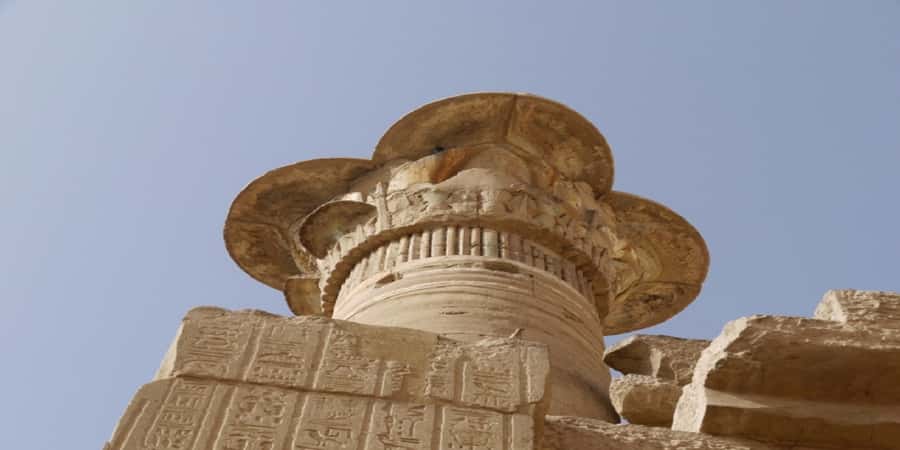
Next up is Medinet Habu, where the temple experience feels like Egypt showing off its storytelling skills. The highlight here is the richly carved scenes on the temple, especially the famous imagery connected to Ramses III.
One scene you’ll focus on is the oxen hunt. This is not just a victory-style “look at me” moment. It’s also surprisingly emotional because the carving shows wounded animals and the pain of the hunt. That level of detail makes a huge difference when you’re viewing in person. From a distance, it’s impressive. Up close, it’s intense.
The other reason Medinet Habu hits is the preservation and visual clarity. You’re often better able to read the scenes here than at more weathered stops. The result is that you can actually make out parts of the action, not just vague figures.
Practical tip: take your photos in two passes. First, step back and get the full composition. Then step in for the details your guide highlights. That way you leave with both the big “wow” shot and the close-up that proves you actually saw something specific.
Colossi of Memnon: a final dose of scale and the acoustic myth
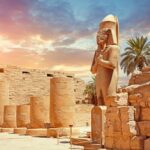
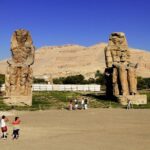
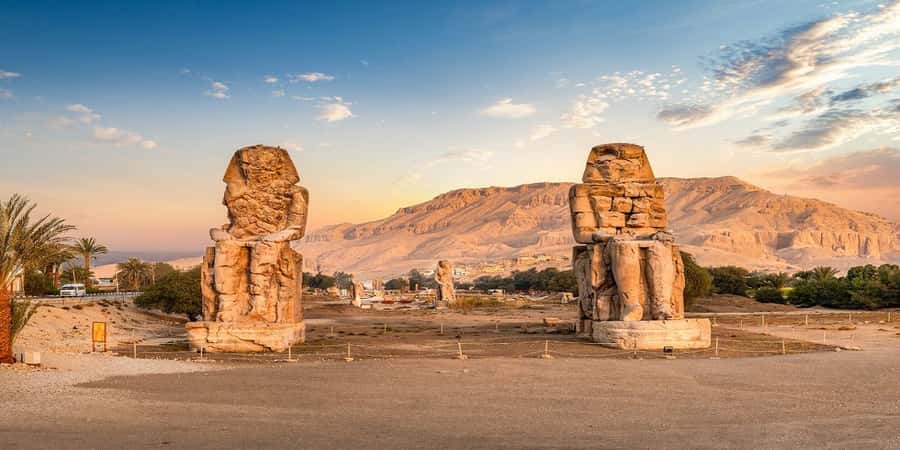
To close the tour, you visit the Colossi of Memnon. These are huge statues, and even if you’ve seen photos before, the real scale tends to catch people off guard. The power here is simple: ancient Egypt made colossal monuments because it wanted the human mind to feel small.
The tour also leans into what makes this site famous beyond its size. The Colossi are known as an acoustic wonder of the ancient world, and you’ll hear the legend explained in a way that gives the statues personality rather than just “stone objects.”
What I like as a traveler: Colossi of Memnon is a good ending point because it doesn’t demand the same close-reading effort as Deir el-Medina or Medinet Habu. If your feet are getting tired, you can still enjoy the moment. You can also get a strong final photo without needing to track hieroglyphs or move constantly between tight spaces.
If you’re traveling with friends or family, this is usually where people finally pause, look around, and say yes, this is real—before the ride back.
The lunch stop: more than food, it’s energy management
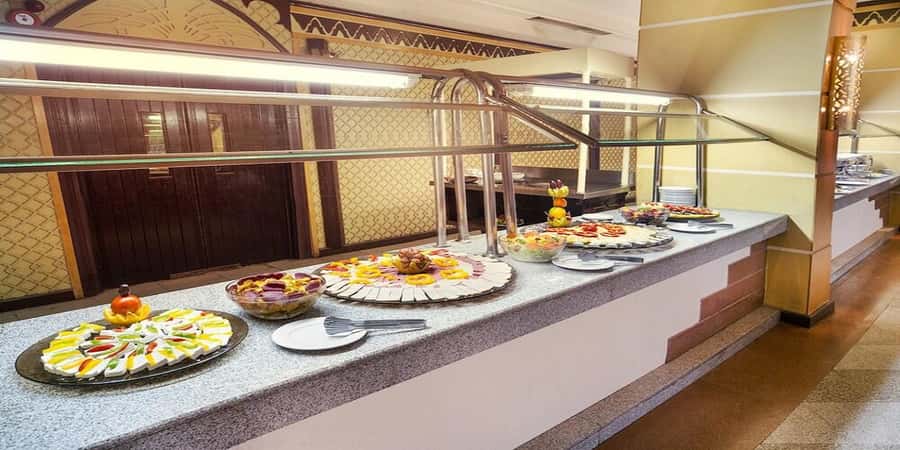
After the big sightseeing time, you get lunch in a local restaurant. That’s included, and it’s not a small detail. In Luxor, a day can turn into a series of half-meals and forced patience. Here, you get a proper reset so you can enjoy the rest of the tour without feeling like you’ll snack on leftover biscuits for the next three hours.
A point worth noting from the way guides run this day: the lunch is typically timed so you’re not starving during the transitions. That makes your visit feel smoother, especially with a set 5-hour duration.
What you should do: keep your water handy and plan for a little sun exposure between stops. Even on a structured tour, Egypt can be warm, and a lunch break is a good moment to slow down, hydrate, and then get moving again.
A few more Luxor tours and experiences worth a look

Why the guide is the difference between seeing and understanding
This tour leans hard on the guide, and that’s a good thing. The sites are fascinating, but the real payoff is when someone can explain what you’re looking at clearly and patiently.
Recent guides named in bookings include people like Tim Tim (with a great history-and-details style), Asma (clear explanations with a friendly approach), Abnoub (making stories feel real), Pola Salah (good, clear explanations), Gerges (answers and time for questions), Hassan, and Egyptology-focused guides such as Prof. Mahmoud Hasan. You’ll notice a pattern: the most praised guides don’t just recite facts. They connect symbols, gods, and scenes to what you can see in front of you.
That matters in real life because temple art can be visually busy. Deir el-Medina might look like walls of scenes until you understand the themes. Medinet Habu might look like impressive carvings until the oxen hunt context gives it emotional weight. And Colossi of Memnon might sound like a myth only until you get the explanation of why it matters.
Language note: the tour includes an English-speaking guide. Other languages like French, German, Spanish, or Arabic are listed for live guiding, but the setup can vary—so if you want a specific language, it’s worth confirming what’s included versus what’s an add-on.
Skip-the-ticket-line and the value math of $40
At about $40 per person for a 5-hour experience, the value comes from what’s wrapped up in the package. You’re not just buying entry to famous sites. You’re buying coordination: hotel pickup and drop-off, an English-speaking guide, lunch, and (depending on your selection) all entrance fees.
That’s why this feels reasonable. Deir el-Medina and Medinet Habu both take time, and they’re not the kind of places you want to wander around without context. Add a guide who can explain what you’re seeing, and suddenly the money isn’t just for access—it’s for understanding.
The one thing to double-check when you book: the detail about entrance fees being included only if you select that option. If you’re the type who hates surprise payments, confirm what you’ve chosen before you go. Also remember that “skip the ticket line” means you avoid some waiting, but you still need the basics for entry.
For many visitors, this tour is a sweet spot. It’s long enough to feel like a day out, but not so long that you lose your attention halfway through.
Photo and comfort tips for this exact itinerary
You’ll be doing three different styles of photo stops: tomb scenes, temple relief details, and monumental statues. That means your photo strategy should change as you go.
At Deir el-Medina, try to photograph both the big scene and the small carved details the guide points out. If you only take one type of shot, you’ll miss the full effect. Also, keep an eye out for the workers’ village remains—low walls and irrigation pipes can make for surprisingly meaningful photos because they show the everyday side.
At Medinet Habu, focus on the oxen hunt imagery. It’s the kind of subject that works from multiple angles, and the guide’s pointing can help you find the most dramatic parts fast. If the light feels harsh, use your distance shots for the overall composition and save close-ups for when shadows soften the carved relief.
At Colossi of Memnon, step back. These statues look best when you can frame them against the surrounding space. It’s also a good time to photograph together—this is where “everyone in the shot” tends to happen.
Comfort-wise: wear shoes you don’t mind walking in, and plan for sun. Even with a guided pace, you’re outdoors for part of the day, and Luxor light can turn “quick stop” into “why am I squinting?”
Who should book this tour
This is a great fit if you want:
- More than the big-name monuments—especially the everyday Egyptian angle of Deir el-Medina
- A guide who helps you read temple and tomb scenes
- A structured half-day that includes lunch and avoids transport stress
It might be less ideal if you prefer:
- Total freedom to linger for long stretches at a single stop
- A fully private tour pace
Because it’s shared, you’ll appreciate the structure. If you’re the type who loves wandering at your own speed, you might feel slightly constrained by the group rhythm.
Should you book this Luxor tour?
If you’re choosing between a random sightseeing day and a guided, organized route, I’d lean toward this one. The combination is smart: Deir el-Medina gives you the human side of ancient Egypt, Medinet Habu gives you powerful temple storytelling (especially the oxen hunt relief), and Colossi of Memnon gives you scale and atmosphere to close the day.
You’re also not paying extra for the “day support.” Hotel pickup, drop-off, lunch, and an English-speaking guide are part of the deal, and many experiences like this rise or fall on how well the guide explains the sites. Here, the signs point toward guides who work to make the symbols understandable.
Just confirm the small detail on entrance fees if you care about that. Other than that, $40 for a guided loop through three major sights with lunch is solid value.
FAQ
How long is the tour?
The tour lasts about 5 hours.
What places are included?
You’ll visit Deir El Medina, Medinet of Habu, and the Colossi of Memnon.
Is lunch included?
Yes. Lunch at a local restaurant is included.
Is hotel pickup and drop-off included?
Yes. The tour includes pickup from your accommodation in Luxor and drop-off afterward.
Do I need to buy entrance tickets?
Entrance fees are included only if the option is selected. The tour also includes skip-the-ticket-line access.
What language is the guide?
An English-speaking guide is included. Live guides are listed in Arabic, English, French, German, and Spanish, and other language options may be available as an add-on.
Can I cancel and get a refund?
Yes. You can cancel up to 24 hours in advance for a full refund.