REVIEW · CAIRO
Private Full Day Tour Giza Pyramids,Great Sphinx &Saqqara Complex
Book on Viator →Operated by GEM Explore Egypt · Bookable on Viator
Two ancient worlds in one long day. What makes this tour so interesting is how it pairs Giza and Saqqara under one roof of guidance, so you’re not bouncing between ticket lines and directions all day. I especially like the way it builds context at the Valley Temples and the Sphinx, not just stop-and-shoot sightseeing. One drawback to plan for: entering inside most pyramids (and certain Saqqara tomb areas) requires a special ticket, and you’ll want your guide to help you sort that quickly.
You’ll get a private setup with pickup and drop-off in Cairo or Giza, usually starting around 8 AM and running about 8 to 9 hours. The tour uses an air-conditioned vehicle and a mobile ticket, and guides are described as having 15+ years of experience. I also like that the day includes a bottle of water and that many guides manage the pacing so you actually have time to look and photograph. Still, the included meals info is a bit mixed (more on that below), so I’d confirm lunch details before you go.
In This Review
- Key highlights (what makes this day tour work)
- Why Giza plus Saqqara is the smarter full-day combo
- Pickup, timing, and mobile tickets: how the day is paced
- Giza Plateau entry: special tickets and what your guide should handle
- The Great Pyramid of Cheops: height, age, and why the valley temple matters
- Khafre’s Valley Temple, the causeway, and the mummification connection
- The Great Sphinx: close-up time plus real photo help
- Menkaure’s smaller pyramid and the granite detail you can actually notice
- Panoramic viewpoint time: your best shot for context
- Saqqara after lunch: older pyramids, quieter tomb scenes, and more time to think
- Step Pyramid of Djoser: the full complex, not just the main mound
- Tomb of Idut: why the colorful scenes are worth the time
- Price and logistics: where the value is real, and what to confirm
- Who should book this private Giza and Saqqara day
- Should you book this tour?
- FAQ
- How long is the private full day tour?
- What does pickup and drop-off include?
- Is the tour price $60 per person?
- Are entry fees included?
- Do I need special tickets to enter pyramids?
- Is lunch included?
- Will there be bottled water?
- Are there extra costs for airport or specific areas?
- Is this a private tour?
- What’s the cancellation window?
Key highlights (what makes this day tour work)
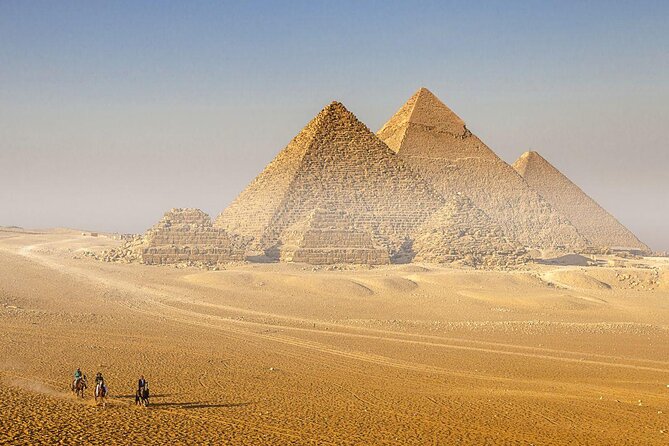
- One guide, two UNESCO-level stops: Giza Pyramids + Saqqara Step Pyramid area in a single day
- Up-close Giza sequence: Great Pyramid, Khafre’s Valley Temple, and the Great Sphinx close to each other
- Photo help is part of the value: multiple guides are praised for taking great pictures and positioning you well
- Serious focus on context: you get explanations tied to mummification sites, causeways, and dynasties
- Special tickets are expected: if you want to go inside, your guide helps with the extra steps
- Private, stress-reducing logistics: pickup and drop-off, with a schedule that stays coherent
Why Giza plus Saqqara is the smarter full-day combo
If you’re in Cairo for a short window, doing only Giza is tempting. But you’d miss Saqqara’s slower, older feel, plus the Step Pyramid of Djoser, which is described as the oldest stone structure and a key landmark for ancient Egyptian architecture. This tour stitches them together so your “pyramid story” moves forward in time, not just sideways across one plateau.
I also like that the day isn’t a rushed blur of random photos. You get focused time at the major Giza monuments first—Cheops (Khufu), Khafre, and the Sphinx—then you shift to Saqqara for the Step Pyramid complex and a tomb stop. That pacing matters because the sites reward attention. A guide can point out what most first-timers miss, and it’s a relief when someone already knows where the explanations will land.
At $60 per person, the value is really in the whole package: private pickup/drop-off, a professional guide, and entry-fee coverage depending on the option you choose. If you tried to DIY both locations in one day, you’d spend energy on transport timing, ticket timing, and figuring out what matters most.
You can also read our reviews of more private tours in Cairo

Pickup, timing, and mobile tickets: how the day is paced
This is built as a private full-day tour, typically starting around 8 AM and ending around 4 PM. The exact start time is flexible, but the “morning-first” rhythm is ideal for beating some of the harsh light and for getting into monuments while you still have energy.
Transportation is handled with pickup from your requested location in Cairo or Giza, using an air-conditioned vehicle, then drop-off afterward. The tour description also mentions that all taxes and services are included, and it uses a mobile ticket system, which usually helps reduce paper chaos at entrances.
The guide experience is described as 15+ years, and the feedback you’ll find attached to this tour often highlights practical guidance: being on time, keeping the day smooth, and steering you away from unnecessary sales pressure. One reviewer even praised Ahmed for helping ensure they did not get scammed by people selling things on the spot. That kind of protection is hard to replicate alone.
Practical note: the itinerary is long enough that you should plan for standing, walking between stops, and heat management. The tour includes bottled water, but you’ll still want comfortable shoes and a hat.
Giza Plateau entry: special tickets and what your guide should handle
Giza sounds straightforward—until you want to go inside. The tour explicitly notes that entering the pyramids from inside requires a special ticket for places like Cheops and Khafre. The guide is supposed to assist with this, which is important because the fastest path isn’t always obvious when you’re dealing with crowds, lines, and on-the-spot decisions.
What I like about this setup is that the tour doesn’t pretend every entry is included. Instead, it plans for the “if you want inside access” reality, and it keeps you moving through the sites with context even when you’re outside. That way, you can still have a full experience even if inside tickets are sold out, timed badly, or not worth the extra cost for you.
Also, the Great Sphinx is included as a close-up experience tied to the pyramids area ticket setup. That matters because the Sphinx area can feel like a photo contest if you aren’t guided. With a guide, you’re more likely to get good photo positioning and a clear explanation of what you’re looking at.
The Great Pyramid of Cheops: height, age, and why the valley temple matters
Your day at Giza begins with the Pyramids of Giza and includes time around Cheops’s complex. You’re told the Great Pyramid of Cheops (Khufu) is the only surviving wonder of the ancient seven, and that it stayed the highest building on Earth for more than 3,800 years. Even if you’ve seen it in photos a hundred times, it’s still the kind of structure that makes your brain go quiet for a moment.
You also get context that goes beyond the pyramid’s outer shape. The description says the complex includes a valley temple (notably now buried beneath the village of Nazlet el-Samman) and mentions materials like diabase paving and nummulitic limestone walls that have been found, even if the site hasn’t been fully excavated. In other words: you’re not just walking past a monument; you’re being oriented to what archaeologists believe is still under your feet.
The tour allocates about 2 hours here, which gives you enough time to slow down. I find that’s the difference between “I saw a pyramid” and “I understand what I saw.” If you’re the type who enjoys architecture details, this timing helps.
Inside-entry is again flagged as requiring a special ticket, but you can still walk the main areas with the guide’s explanations and keep your day on track.
Khafre’s Valley Temple, the causeway, and the mummification connection
Next comes Khafre’s pyramid area, and the tour doesn’t treat it like a separate stop with the same script. It specifically mentions the Valley Temple of Khafre and describes it as the location of the reception of the royal body, with the Valley Temple built for the process of mummification. That’s the kind of detail that helps you stop seeing these monuments as just huge stones.
You’ll also visit Khafre’s pyramid area with time to explore the valley temple and the causeway. For this stop, inside-entry is again tied to special tickets. The tour gives you enough time to understand the structure and its purpose without requiring inside access.
From a traveler standpoint, I like that the tour keeps the story coherent: the pyramids aren’t floating in your head as three unrelated “towers.” Instead, you build a mental map of royal preparation, processional routes, and how the Valley Temple fits into the ritual system.
A few more Cairo tours and experiences worth a look
The Great Sphinx: close-up time plus real photo help
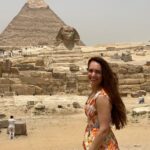
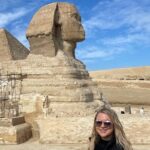
The Great Sphinx is one of those sights where people either rush through or spend too long struggling for a decent photo. This tour gives you a defined close-up experience with time for pictures, plus the help of the guide who can also assist as an expert photographer.
The description describes the Sphinx as the guardian of the pyramids, with a lion body and the head of Khafre. It’s a simple description, but it helps you see the Sphinx as a purposeful part of the Giza complex, not just an odd-looking giant statue.
You’ll likely have a stretch of time (the tour lists around 30 minutes at this part) for photos and questions. Based on feedback praising guides like Wael, Summer, and Samar, the best moments are usually when the guide helps you find the best angles without turning it into a frantic scramble.
If you care about photos, I’d use this time actively:
- Ask for one wide shot that shows the Sphinx scale
- Then ask for tighter shots that frame it with pyramid lines
- Take one photo with no people blocking the view first, then do the group shots
Menkaure’s smaller pyramid and the granite detail you can actually notice
The tour also includes the smaller pyramid in the Giza plateau, Menkaure’s pyramid. It’s described as being about 61 meters high, and what makes it stand out here is the granite outer layer still remaining on the lower part of the pyramid. The granite is said to have been quarried from Aswan, about 1,000 kilometers away.
That kind of detail is worth paying attention to because it explains why the pyramid looks the way it does at certain sections. Even if you’re not a material-geek, it turns the pyramid from “a shape” into “a construction story.”
This portion is paired with a brief panoramic viewpoint of the pyramids and Giza city, where the tour lists around 10 minutes for photos. It’s short, so you’ll want to move with intention. Think of it as your chance to reset your bearings before you shift back to close-ups.
Panoramic viewpoint time: your best shot for context
That quick panoramic stop is one of those “tiny” parts that can save you later. When you stand back and see the arrangement of multiple pyramids in one view, it becomes easier to understand the geography and spacing you saw up close.
Ten minutes may not sound like much, but it’s enough to grab a few photos and quickly compare how each pyramid sits within the wider plateau view. If you’re the type who likes to build a mental picture, this is the moment.
Also, don’t underestimate how much light changes in Cairo. Morning can be sharper; later it can get hazier. Use your guide’s photo help when possible, and if you’re picky about photos, ask for one shot first, then wander for your own angle.
Saqqara after lunch: older pyramids, quieter tomb scenes, and more time to think
After you’ve seen Giza, the tour moves to Saqqara, described as one of Egypt’s most important archaeological sights. The day’s pacing shifts too: Saqqara is presented as a place with the oldest pyramid on the planet and tombs around it, with the option to enter some pyramids for free.
There’s an important planning detail here: entering the Saqqara pyramid from inside and the new Southern tomb of King Zoser require special tickets. The guide is meant to assist again, but you should assume inside access is conditional.
About lunch: the overview says lunch and a bottle of water will be provided, while the “not included” section lists lunch. Reviews also mention a delicious lunch stop with guides. Because the package info is internally inconsistent, you should confirm what’s included for your exact booking. In plain terms: don’t assume lunch is automatically handled unless you’ve seen your confirmation details.
On the plus side, Saqqara tends to feel less like a nonstop photo line. That makes it a great place for slower-looking travelers who want the “why” behind monuments.
Step Pyramid of Djoser: the full complex, not just the main mound
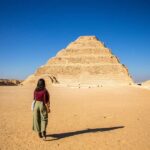
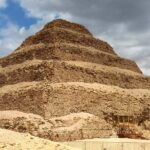
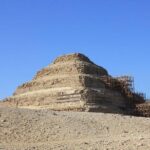
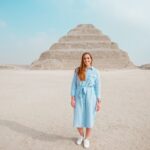
The heart of Saqqara here is the Step Pyramid of Djoser, described as the oldest stone structure in the world, dating back to 2670 BC. The tour doesn’t focus only on the step pyramid itself. It describes the wider complex too: colonnaded entrance, Sed Festival complex, enclosure wall, north and south pavilions, the southern tomb, and thousands of surrounding tombs.
This matters because the Step Pyramid is part of a larger plan. When your guide explains how King Djoser, his architect Imhotep, and the discoveries at Saqqara fit together, the structure becomes more than a silhouette. It becomes a system.
The tour allocates about 2.5 hours for this stop, which is a good amount of time. If you only had 20 minutes here, you’d leave with photos but not much meaning. With a longer stop, you can ask questions, walk the compound areas at a calm pace, and notice how the complex pieces connect.
Inside-entry is again flagged as ticket-based for the pyramid or southern tomb.
Tomb of Idut: why the colorful scenes are worth the time
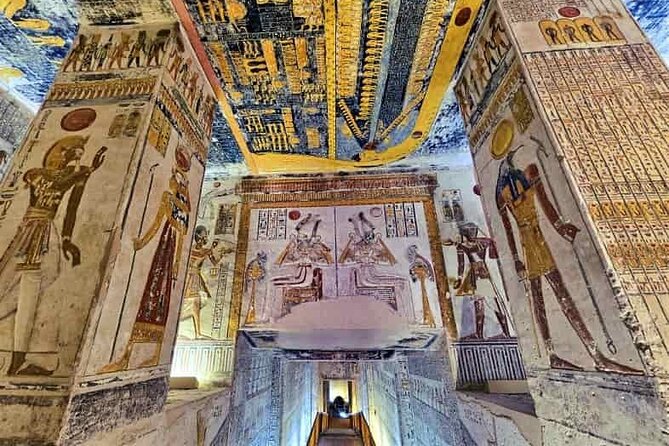
The final site stop is the Tomb of Idut (Idu), located in the section of the Pyramid of Unas in Saqqara’s necropolis. This tomb is highlighted for its multi-colored scenes and for what they depict in everyday terms: making offerings, fishing from boats with dip-nets, scribes, and agricultural activity.
The description gets very specific about scenes, including a statue of the Princess being dragged on a sled toward the tomb, a man pouring water before the sled, and details like papyrus harvest and butchers. You’re also told the tomb owner was a princess of the royal family, living around the end of the Fifth Dynasty into the beginning of the Sixth Dynasty.
This is the stop that often feels most human. The big pyramids can dominate your brain, but the tomb scenes give you a direct visual link to daily life and ritual work. The tour lists around 30 minutes here, which is just enough time to look carefully without the day dragging.
Price and logistics: where the value is real, and what to confirm
At $60 per person for an 8 to 9 hour private day, the price is mainly “paying for time saved” and for someone to keep the day coherent. The included items listed are pickup and drop-off in Cairo or Giza, an expert tour guide, and entry fees if you pick up the option. The description also says all taxes and services are covered, and many operational details are handled for you.
Where you should be careful is the meal and ticket specifics:
- Lunch is said to be provided in the overview, but the not-included list says lunch is not included.
- Inside entries for pyramids (both in Giza and for specific Saqqara areas) require special tickets.
The tour also lists extra pickup costs for locations like the airport, New Cairo, Nasr City, and 6th of October, plus an additional fee for the new administration capital. If you’re not in Cairo or Giza proper, this can change your real total, so check your pickup location early.
Overall, this is good value if you want a guided day that hits the big monuments with context and photo support. It’s less ideal if you only care about one site and want long unstructured time there.
Who should book this private Giza and Saqqara day
This tour is built for pyramid fans and history-curious travelers who want structure. It also suits families and couples because it’s private, and feedback often highlights smooth timing and friendly communication from guides and drivers.
If you care about photos, it’s also a strong fit. Several guide names come up with praise for taking great pictures, helping with angles, and helping you avoid getting sidelined by sales pressure. Ahmed, Summer, Wael, Samar, Hend, Eman, and others are mentioned in the feedback as guides who made the day easier and more memorable.
One more “fit” detail: you need to be okay with a long day. You’ll be splitting time between Giza and Saqqara, plus dealing with heat, crowds, and ticket checks. If you prefer slow travel or you hate walking between multiple attractions, you might want a shorter, single-site alternative.
Should you book this tour?
I’d book it if you want a one-day solution that covers Giza Pyramids + Great Sphinx + Saqqara Step Pyramid without you managing the complexity. The best reason to choose it is the combination of guided context and tight logistics: pickup, a schedule that stays coherent, and guide help with inside-access tickets when you want them.
I wouldn’t book it if:
- You only want Giza and don’t care about Saqqara
- You’re very budget-sensitive about extra inside tickets
- You need lunch included and want zero ambiguity (confirm first)
If you do book, message your provider about two things before you pay your final balance: lunch inclusion for your exact package, and how inside-entry tickets will be handled on the day.
FAQ
How long is the private full day tour?
The tour runs about 8 to 9 hours, typically starting around 8 AM and ending around 4 PM.
What does pickup and drop-off include?
Pickup and drop-off are offered in Cairo or Giza at your requested location, using an air-conditioned vehicle.
Is the tour price $60 per person?
Yes, the price is listed as $60.00 per person.
Are entry fees included?
Entry fees are listed as included if you picked up the option, and the itinerary also notes admission ticket free for listed stops.
Do I need special tickets to enter pyramids?
Yes. Entering pyramids from inside requires a special ticket for places like the pyramids of Giza, and entering the Saqqara pyramid or the new Southern tomb of King Zoser requires special tickets.
Is lunch included?
The tour description says lunch and a bottle of water will be provided, but the not-included section lists lunch. Confirm your exact booking details before your day starts.
Will there be bottled water?
A bottle of water is mentioned as part of the day.
Are there extra costs for airport or specific areas?
Yes. Extra 15 USD per head is listed for pickup from the airport, New Cairo, Nasr City, and 6th of October. An extra 20 USD per head is listed for pickup from the new administration capital.
Is this a private tour?
Yes. It’s a private tour/activity, and only your group participates.
What’s the cancellation window?
Free cancellation is offered up to 24 hours in advance for a full refund. If you cancel less than 24 hours before the start time, the amount paid is not refunded.