REVIEW · CAIRO
VIP Shopping Private Tour Papyrus Perfume Bazaars and Cotton
Book on Viator →Operated by Hesham Egypt tour guide · Bookable on Viator
Shopping in Cairo can feel like a free-for-all, but this private 4-hour run keeps you focused on real buys like papyrus and perfume while your guide helps with bargaining. I like that it’s private with hotel pickup and drop-off, so you lose less time figuring things out. One thing to consider: it’s built around shopping, so your experience depends on what you choose to purchase and how much you want to negotiate.
You’ll meet your guide and head out by private vehicle to several stops, with bottled water included and no rushed, high-pressure vibe promised for the shopping layout. The route is short, but it’s packed with product categories that Cairo is famous for—stones, scents, and cotton goods—plus a couple of culture-and-craft style stops along the way.
In This Review
- Key things you’ll notice on the tour
- Why this 4-hour Cairo shopping loop is a smart use of time
- Picking up, dropping off, and staying in control
- Papyrus, perfume, and that ancient-style craft thread
- Alabaster, crystal, and cartouches: shopping for the “wow” factor
- Egyptian cotton in real life: bed sheets, scarves, and long-fiber comfort
- Getting the most from a guide: bargaining without chaos
- Price and value: $6 for a private, pickup-based shopping day
- Who this private shopping tour is best for
- Quick tips for shopping here: what to do and what to watch
- Should you book VIP Shopping Papyrus, Perfume Bazaars, and Cotton?
- FAQ
- How long is the VIP Shopping private tour?
- What does it cost?
- Is hotel pickup and drop-off included?
- Is this tour private?
- What shopping items are covered?
- Is lunch included?
- What’s included in the price besides the guide?
- Do I get confirmation after booking?
- What is the cancellation policy?
Key things you’ll notice on the tour
- Private vehicle + hotel pickup/drop-off to reduce Cairo logistics stress
- Bargaining help for perfume, papyrus items, and stone goods
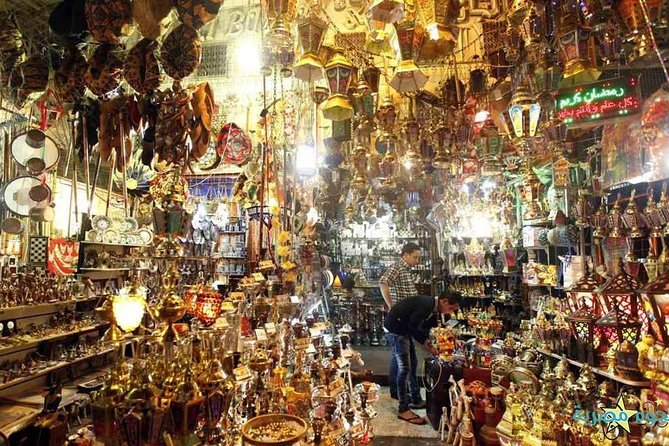
- Multiple product categories in one loop: alabaster, crystal, cartouches, cotton, perfume
- Papyrus and craft stops that explain how items connect to ancient styles
- Bottled water included, plus taxes and transport handled in the price
- Short 4-hour format that’s best if you shop with a target list
Why this 4-hour Cairo shopping loop is a smart use of time
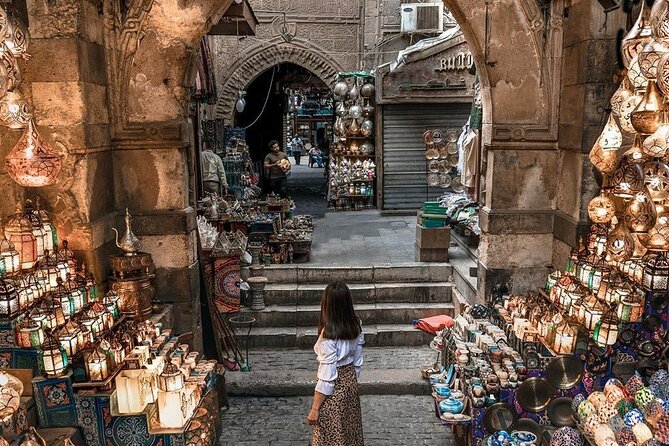
Cairo is a city where “I’ll just browse” can turn into an hour of lost directions and awkward haggling. This tour is designed to avoid that. You’re not left to wander through markets on your own—you get a guide, a private vehicle ride between stops, and a clear set of product types to look for.
At 4 hours, you can fit this into a day without wrecking your schedule. That matters in Cairo, where you can easily burn half a day just moving from one area to another. This tour also stays affordable on paper at $6 per person, which is unusually low for a private, pickup-based arrangement. Just keep expectations grounded: the tour price covers guiding and transport, while purchases are still on you. If you go with a realistic shopping budget and a short list (one or two priorities per stop), you’re far more likely to feel like you got value.
The tone is also part of the value. The tour format emphasizes shopping without rush and without pushing you to buy silver, gold, or anything else you don’t want. That’s a big deal in markets, where pressure is often the whole point of the sales pitch. The goal here is that you shop at a pace you control, and the guide helps you ask the right questions and compare options.
You can also read our reviews of more private tours in Cairo



Picking up, dropping off, and staying in control
Hotel pickup and drop-off is the kind of detail that quietly changes everything. You don’t have to negotiate a ride, locate meeting points, or guess which entrance is easiest. Instead, you start the tour already in motion, and you end it back at your hotel.
Because it’s a private tour, only your group goes along. That means fewer distractions and less time waiting while other people decide what to buy. It also tends to make bargaining feel more comfortable, since the guide can focus on your questions instead of juggling a crowd.
There’s also water handled for you. It’s a small inclusion, but Cairo shopping can get warm fast—having bottled water included helps you keep energy up while you’re comparing fabric, scent samples, stone pieces, or small souvenirs.
Papyrus, perfume, and that ancient-style craft thread
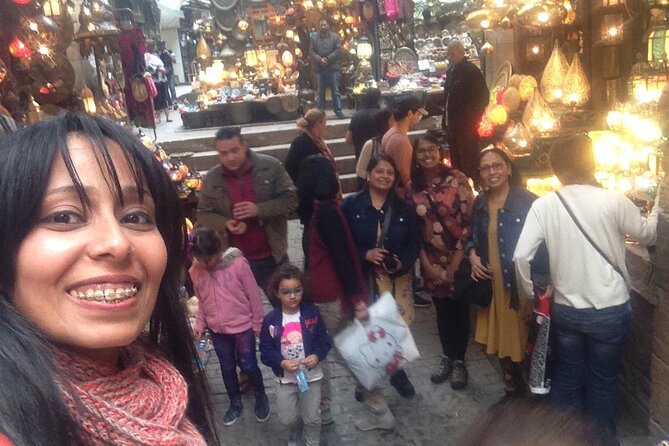
One of the most interesting parts of the route is the mix of shopping with craft explanation. You’re not only sent to shops—you’re guided to learn what a product is and why it’s made that way.
Early on, you’ll be taken to places your guide uses to help you find items like perfume and papyrus, with guidance on identifying what you want. For perfume, the tour focuses on finding real essence and avoiding chemical blends, plus a chance to understand perfume use tied to ancient times. Even if you don’t buy perfume, this kind of context helps you shop smarter. It changes your questions from How much is it? to What’s the base? What’s the quality? What does this scent actually represent?
Then there’s a stop connected to papyrus paper—described as learning how the first paper was made. You’ll get a look at the process and see papyrus treated as a craft material, not just a flat souvenir. That’s useful because papyrus items vary a lot. Some are decorative; some are practical; some are closer to art prints. When you see the material creation, you’re better positioned to tell what you’re actually buying.
Next, the tour includes time in a gallery-style stop to consider handmade paintings. If you want one framed piece or a simple gift that doesn’t feel like typical market clutter, this is the moment to slow down and browse.
Practical note: in a short 4-hour day, you’ll have to decide early what you’ll actually purchase. If you spend too long deciding between perfume bottles, you may end up rushing cotton fabric later, and that’s where many people hesitate.
Alabaster, crystal, and cartouches: shopping for the “wow” factor
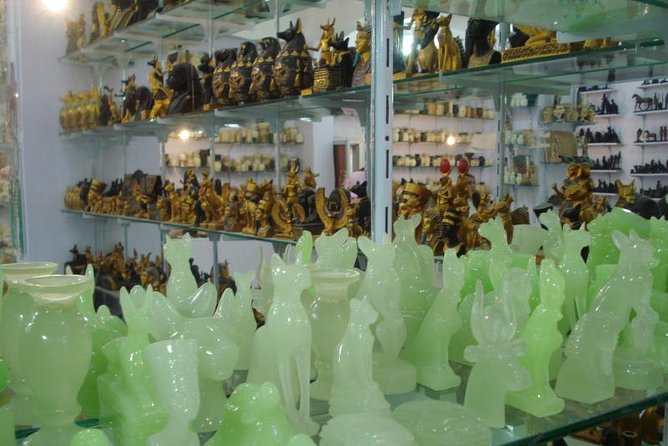
Cairo is famous for stonework and jewelry-style items, and this tour routes you through traditional bazaars for products like alabaster and crystal, plus silver and gold cartouches.
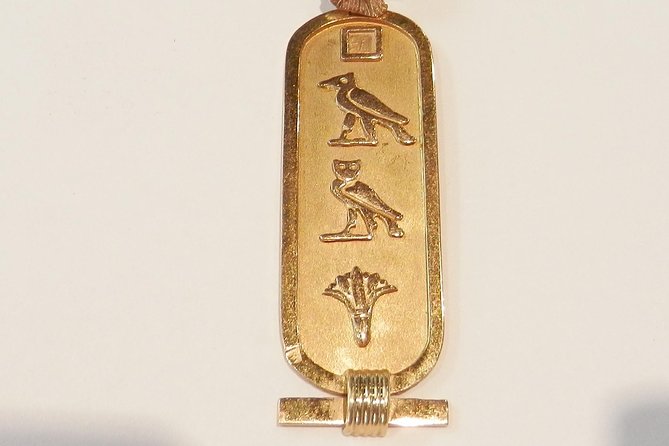
The cartouche angle is interesting because it’s personal shopping. You’re not just buying a generic souvenir—you’re looking at metal work that can carry names or symbols. The tour description specifically calls out help shopping for cartouches in silver and gold, with an emphasis on not pushing you to buy if you’re not ready.
You’ll also look at stone pieces described as real-stone items such as alabaster and crystal, including references to varieties like crystal Assfour. The value here is not that you memorize stone types like a collector—it’s that your guide helps you compare what shops claim and what you can realistically see: finish, size, clarity, and how the piece is presented.
One drawback to understand: stone and jewelry shopping can lead to “bigger is better” thinking. In Cairo markets, it’s easy to start with a small intent—like a keychain or a tiny piece—and then get tempted by larger and more expensive items once you’re already inside the sales flow. Because the tour is short, you can overspend quickly if you don’t set limits.
My advice: make a rule before you go. For example, decide the maximum price you’ll pay for stones and the maximum number of items you’ll buy in this category. Then stick to it, even if the first shop has a look you like.
Egyptian cotton in real life: bed sheets, scarves, and long-fiber comfort
If you want something useful that you’ll actually use after the trip, cotton goods are where this tour shines. The route includes Egyptian cotton items such as bed sheets, t-shirts, scarves, underwear, belts, and bags.
The description highlights long-fiber cotton and a “best quilt” style product, which matters because fabric feel is harder to fake than a pretty label. When you get to the cotton stop, take time to handle fabric. Feel thickness, check weave, and compare weights if you can. Long-fiber cotton is often marketed as smoother and more durable, so you’re basically shopping for comfort that lasts.
This is also where a guide earns their keep. Even if you’re not an expert, you can ask targeted questions: What’s the fabric composition? Is it truly Egyptian cotton or a cotton blend? What’s the thread count or fabric weight? The tour aims to show you cotton options in a structured way so you can compare rather than just grab the first appealing roll of fabric.
Where people get caught: cotton shopping often becomes size-and-fit shopping. Bed sheets mean measurements. Scarves can mean style preferences. Underwear and belts mean you’re thinking about sizing, even if you’re buying a souvenir. If you want to keep this practical, limit yourself to items that match your real needs back home, not just what looks good in the shop mirror.
A few more Cairo tours and experiences worth a look






Getting the most from a guide: bargaining without chaos
The tour’s main promise is that your guide helps you bargain and navigate stores for the right items. That’s not just a comfort thing—it changes results. You’ll hear the seller story in every shop, but bargaining help helps you separate story from price.
In practice, I’d use your guide like this:
- Pick your “must buys” first (for example, perfume and one cotton item).
- Ask the guide to help you get a starting price and then compare options across stops.
- Use the guide to identify what’s meant to be higher quality versus what’s more decorative.
From the way the tour has been described, your guide also aims to take you to shops without pressure. One strong advantage of that approach: you can walk away if a piece doesn’t feel right, and you don’t have to pretend you’re interested.
Also, keep an eye on timing. Four hours passes quickly when you’re comparing lots of categories. If you let your shopping spread across too many product types, you might end up buying one thing out of each category but none in a way you feel truly good about.
Price and value: $6 for a private, pickup-based shopping day

At $6 per person, this tour is priced like a bargain, especially because it includes hotel pickup and drop-off, private vehicle transport, a local guide, bottled water, and taxes/fees. For Cairo, that’s the kind of setup you usually only see at higher prices.
So is it “cheap” or “low quality”? The data you were given points to the tour working well for many people, with a high rating and a strong recommended rate. That said, there’s a reality check: tour pricing doesn’t cover your shopping spend. If you don’t plan to buy anything, you may feel like you paid for transportation and guidance only. If you do plan to buy a few targeted items—like one perfume bottle and one cotton product—you can often feel better about the overall value.
A practical way to judge value before you book:
- Decide what you want to buy in advance.
- Bring a realistic shopping budget for those categories.
- Treat the guide help as the main “service” you’re paying for.
If your list is vague, markets can become tiring fast.
Who this private shopping tour is best for
This experience fits best if you want structure and you like shopping with guidance. It’s a good match for:
- People who want to buy papyrus, perfume, and Egyptian cotton in one day
- Visitors who don’t want to negotiate transport in the middle of market chaos
- Anyone who prefers a guide-led pace over wandering
It may be less satisfying if you only want sightseeing photos and zero shopping. The stops are aligned with buying categories, including crafts and products designed to be purchased.
If you’re someone who gets tired quickly from long cultural tours, the short 4-hour format can feel manageable. And if you’ve already spent previous days on more active sightseeing and need a lighter day, a shopping loop can be a good change of rhythm—just go in with a plan.
Quick tips for shopping here: what to do and what to watch
Even with guide help, you’ll make the final call in each shop. Here are smart habits that match the products on this route:
- For perfume, ask for what the essence is and what it’s meant to be. The tour’s focus is on real essence and ancient-style perfume use, so use that theme to ask practical questions.
- For stones like alabaster and crystal, compare finish and clarity by eye and feel. If you can, compare similar-sized items in different shops.
- For cartouches, decide what matters to you: design, metal, or personalization. Then stick to your budget.
- For cotton, handle fabric. Don’t rely only on a sales pitch. If you want bed sheets, confirm sizing needs before you commit.
- Keep your shopping energy for later stops. If you blow your time early on stones, you may rush cotton at the end.
Should you book VIP Shopping Papyrus, Perfume Bazaars, and Cotton?
Book it if you want a private, guide-led shopping plan that hits papyrus, perfume, stones, and long-fiber Egyptian cotton in a tight window. The biggest selling point is the structure: hotel pickup, a driver, a guide who helps with bargaining, and a route that’s designed to avoid the worst kind of market pressure.
Skip (or at least lower expectations) if you’re not planning to buy anything, or if you hate haggling and want free-form wandering. This tour is built for shopping decisions, not just browsing.
If you do book, come with a short list and a budget. With that, a 4-hour Cairo shopping day can feel surprisingly efficient—and way less stressful than doing it alone.
FAQ
How long is the VIP Shopping private tour?
The tour lasts about 4 hours.
What does it cost?
The price is $6.00 per person.
Is hotel pickup and drop-off included?
Yes. Hotel pickup and drop-off are included.
Is this tour private?
Yes. It’s a private tour/activity, and only your group participates.
What shopping items are covered?
You’ll look for items such as alabaster, crystal, silver and gold cartouches, perfume, papyrus, and Egyptian cotton products.
Is lunch included?
No. Lunch is not included.
What’s included in the price besides the guide?
The tour includes local guide services, transport by private vehicle, bottled water, and all taxes, fees, and handling charges. It also includes admission ticket free.
Do I get confirmation after booking?
Confirmation is received at the time of booking.
What is the cancellation policy?
You can cancel up to 24 hours in advance for a full refund. If you cancel less than 24 hours before the experience starts, you don’t get a refund.