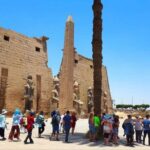
REVIEW · LUXOR
Private Full Day West Bank Luxor Tour
Book on Viator →Operated by elite trip · Bookable on Viator
One West Bank day can feel like a timeline. This private Luxor tour strings together the Valley of the Kings and the Valley of the Queens with a licensed Egyptologist guide and air-conditioned pickup from your hotel or Nile cruise. You’ll get the big stories behind the tombs, temples, and workers’ village without bouncing between confusing ticket lines.
I especially like the licensed Egyptology guide leading the pacing and the explanations as you move. One possible drawback: the whole plan is packed into about 7 hours, so you’ll need a quick, steady walking pace and comfortable shoes.
In This Review
- Key things I found most useful
- West Bank Luxor in One Day: How This Private Loop Works
- Pickup and the Licensed Egyptologist Guide: Worth the Setup
- Valley of the Kings: 63 Tombs, Myth, and Tutankhamun
- Deir el Bahari and the Hatshepsut Temple: Power Through a Name
- Colossi of Memnon: The Quick Statue Stop That Still Feels Big
- Medinet Habu for Ramses III: When the Afterlife Meets State Power
- Deir el-Medina (Valley of the Artisans): The People Behind the Tombs
- Valley of the Queens: Nefertari’s Tomb and Why It Matters
- Price and Value: Is $24 a Good Deal for a Private Tour?
- Who Should Book This West Bank Tour (and Who Might Want Something Different)
- Should You Book? My Practical Take
- FAQ
- How long is the Private Full Day West Bank Luxor Tour?
- Does the tour include pickup from my hotel or Nile cruise?
- Are admission tickets included for the sites?
- Is lunch included?
- What is the extra fee for airport pickup?
- Can I cancel for free?
Key things I found most useful
- Private door-to-door pickup from Luxor hotels or Nile cruises in an A/C vehicle
- Licensed Egyptology guide to keep the meaning of each site clear
- Admission tickets included for every stop on the route
- West Bank variety in one day: kings, queens, temples, statues, and the artisans’ village
- Water bottle included during the trip
West Bank Luxor in One Day: How This Private Loop Works
This tour is built for one clear goal: getting a full West Bank overview in a single day, without the stress of planning the route yourself. The pacing is not “slow museum stroll.” It’s more like a guided walk-through of major landmarks, where your guide helps you connect the dots across time.
What makes it practical is the private setup. Only your group participates, so you can ask questions and move at a human pace instead of matching a larger crowd. And because round-trip transportation is included, you’re not spending your energy sorting out taxis, negotiating routes, or waiting in the heat for rides.
The included admission tickets matter more than they sound. When you’re hopping between several sites, tickets can become a time sink. Here, the tour covers entry for the Valley of the Kings, the Hatshepsut temple (Deir el Bahari), the Colossi of Memnon, Medinet Habu, Deir el-Medina, and the Valley of the Queens. That keeps the day flowing.
You can also read our reviews of more private tours in Luxor
Pickup and the Licensed Egyptologist Guide: Worth the Setup
A big reason to choose a private West Bank tour is what happens before you even reach the first monument. You get picked up from your starting point in Luxor (hotel or Nile cruise) by a modern A/C vehicle, then returned after the final stop. It’s a simple comfort upgrade that makes the rest of the day feel doable.
The guide is also a core part of the value. This is led by a qualified and licensed Egyptology guide, so you’re not relying on a random audio app or guessing what you’re looking at. The itinerary isn’t just a list of famous names. Your guide connects the religious beliefs, political power, and day-to-day craftsmanship that shaped how these places were built.
One detail I like: the operator communicates after booking. In my case, I found it reassuring that the team got in touch to confirm details and ask what I needed. That kind of follow-up matters when you want a smooth start, especially if you’re traveling solo or with specific dietary needs for lunch.
Valley of the Kings: 63 Tombs, Myth, and Tutankhamun
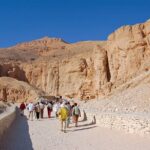
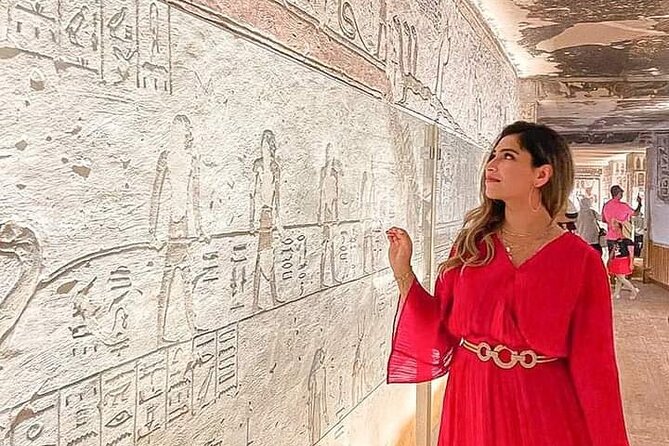
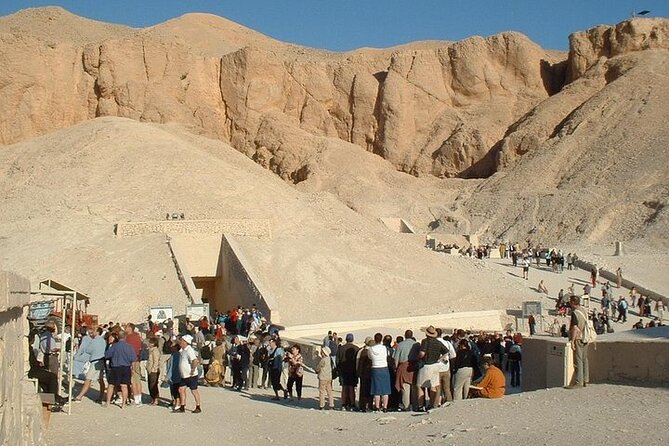
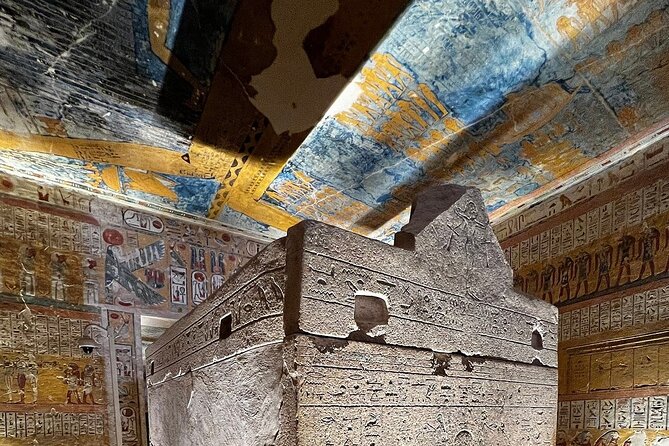
Your day starts at the Valley of the Kings, one of the most recognizable stretches of tombs in Egypt. The tour focuses on the context, not just the view. You’ll learn that the valley contains 63 tombs, with royal tombs decorated with Egyptian mythology—the kind of imagery that reflects how people understood the afterlife and the world beyond death.
It’s also a practical stop for prioritizing. With only about two hours here, you can’t see everything, even in theory. The better approach is to let your guide point you toward what fits your interests, then use the time to get your bearings in the valley’s layout and its most famous examples.
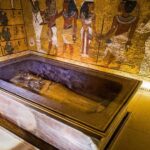
Yes, the name everyone knows is King Tutankhamun. But the real payoff is understanding why his tomb belongs to a bigger system of beliefs. When you view the valley through that lens, each tomb entrance feels less like a random doorway and more like a carefully designed statement about the world the deceased were preparing to enter.
Deir el Bahari and the Hatshepsut Temple: Power Through a Name
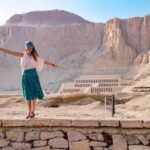
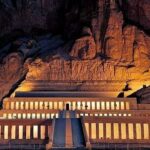
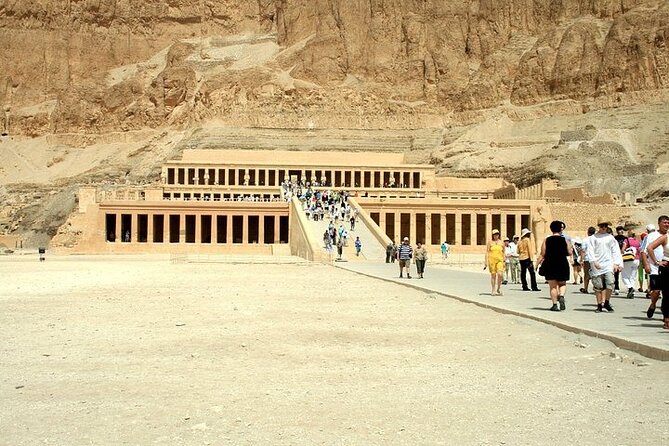
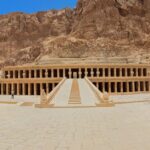
Next comes the Temple of Hatshepsut at Deir el Bahari, also known as Deir el Bahari. The tour gives you a quick but meaningful anchor: Hatshepsut’s name is presented as meaning Foremost of Noble Ladies, and her reign is framed as tied to starting trading routes.
That might sound like a small detail, but it changes how you look at the temple. Instead of treating it as just another famous West Bank structure, you understand it as a monument to rule, identity, and connection—how a queen’s authority could be displayed in stone.
Timing here is about one hour with admission included. One hour is enough to appreciate the site and listen without dragging it out. It’s also a good moment to slow down briefly, drink some water, and reset before the next push.
A consideration: because the day is packed, you’ll want to pay attention to what your guide is pointing out. If you drift into photo-only mode, you might miss the explanations that make this stop click.
Colossi of Memnon: The Quick Statue Stop That Still Feels Big
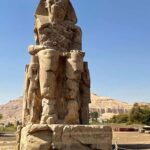
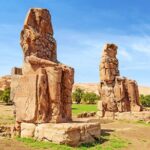
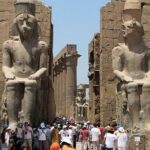
After Deir el Bahari, you reach the Colossi of Memnon. This stop is short—about 20 minutes—but it’s intentionally designed as a breather. And what a breather. The Colossi are described as huge twin statues made from quartzite sandstone.
Even in a brief visit, you get the main idea: these are not small details in the background. They’re monumental remains that set the scale of what once stood around them. If you’re the kind of person who likes to understand how massive projects really were, this is a satisfying stop.
Because the time is limited, your best strategy is to look from a couple angles and let the scale hit you. Your guide can also help connect the statues to the story of the surrounding complex, even if you’re not spending long inside a full temple layout.
A few more Luxor tours and experiences worth a look


Medinet Habu for Ramses III: When the Afterlife Meets State Power
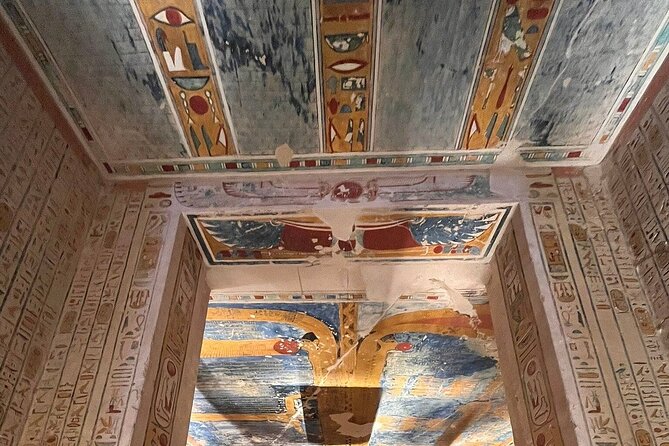
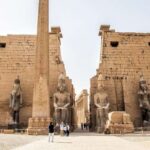
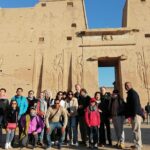
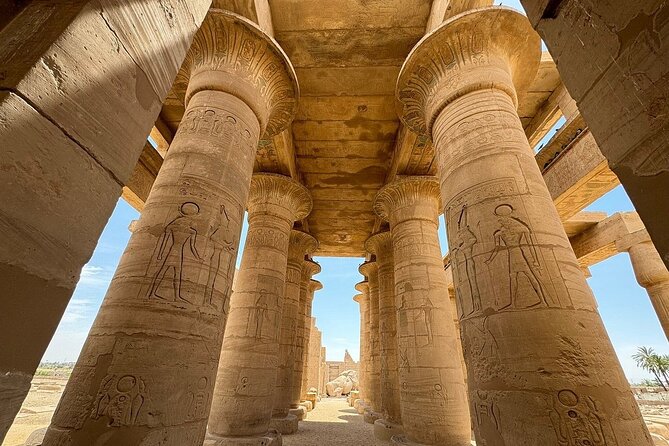
Then the tour moves to Medinet Habu (Temple of Medinat Habu). This is another one-hour stop with admission included, and the tour frames the temple clearly: it was constructed to commemorate King Ramses III after his death, by orders of the king himself.
That single sentence is doing a lot of work. It links the temple to authority that continues beyond the ruler’s life, showing how monumental building served as a public, long-lasting message. You’re not just seeing ruins. You’re seeing a plan meant to survive time.
If you’re thinking, okay, but will I have enough time? Yes, one hour is realistic on a packed route. It’s best used for listening and observing, not for trying to read every carving. Your guide’s explanation helps you decide what’s worth your attention, so you don’t end up feeling like you sprinted through the most important parts.
And then—this is key—you get time for lunch. The tour doesn’t say lunch is included, so plan to eat on your own during that break. If you have dietary restrictions, the operator asks you to tell them in advance (vegetarian, vegan, gluten-free, halal, kosher), which is a helpful heads-up when you’re trying to eat without stress.
Deir el-Medina (Valley of the Artisans): The People Behind the Tombs
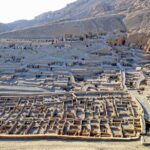
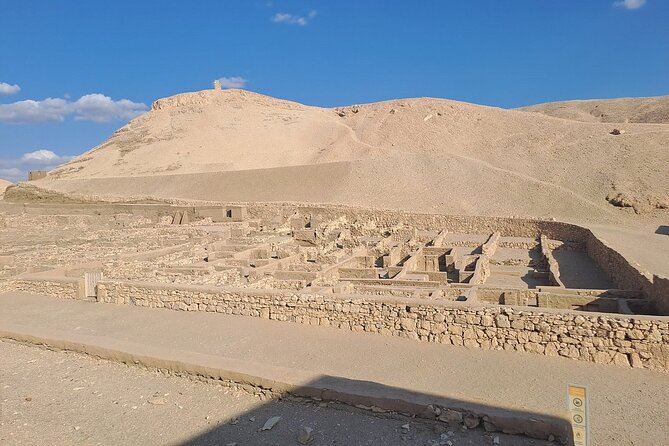
After Medinet Habu, you’ll visit the remains of Deir el-Medina, also described as the Valley of the Artisans. This stop is about one hour, and it’s one of the most rewarding parts of the whole day because it shifts the story away from kings and queens and toward the workers who built the royal world.
Here’s what makes it special: Deir el-Medina is presented as a workmen’s village where artists, craftsmen, and workers lived and where they built and ornamented the royal tombs in the Valley of the Kings. That means your guide can help you connect the West Bank’s most famous burials to the hands that made the art and engineering possible.
This is also where your understanding starts to feel more human. Instead of treating monuments as anonymous “ancient stuff,” you start picturing skilled labor, repeated craft work, and people living nearby who understood the exact demands of royal tomb decoration.
A practical note: since the day is already moving, your best mindset is to use this hour to ask your guide questions. If you’re curious about who did what, what their lives might have been like, or why their location mattered, this is the stop where those answers will feel most relevant.
Valley of the Queens: Nefertari’s Tomb and Why It Matters
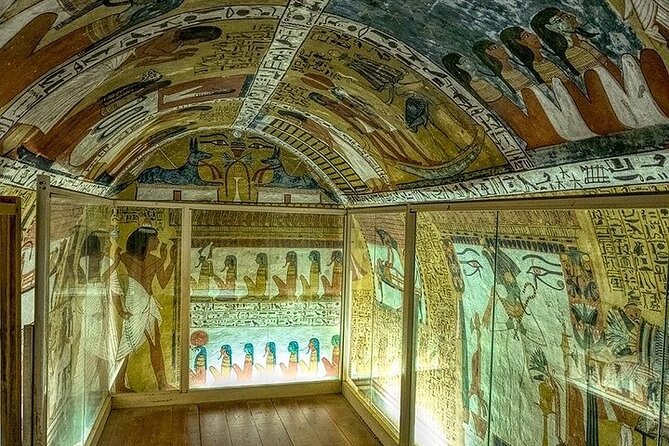
The final major temple-and-tombs beat is the Valley of the Queens. This is listed as one hour, with admission included, and the itinerary highlights the tomb of the Great Queen Nefertari.
Nefertari is one of the names that can make the valley feel less like a generic “royal women’s cemetery” and more like a focused chapter with real weight. Your guide’s explanations help you see what this meant in the context of royal status, religious belief, and how power was expressed through burial.
As with the Valley of the Kings, time is limited. You’re not trying to cram in every tomb. Instead, focus on understanding the purpose of the valley and what it represents. With your guide steering the route, you should feel like you’re seeing the valley with a story in mind, not just collecting photos of entrances.
The payoff here is closure. After kings, queens become part of the same conversation. You leave with the sense that the West Bank wasn’t just for one kind of person or one kind of ruler. It was a whole system of belief and authority.
Price and Value: Is $24 a Good Deal for a Private Tour?
At $24.00 per person for a private full-day West Bank tour with pickup and round-trip A/C transport, the value is strong on paper. You’re not just paying for a guide. You’re paying for a full sequence of stops with admissions included for every major site on the route, plus a water bottle during the trip.
That matters because tickets add up fast in Egypt when you’re visiting multiple places in one day. A lower-cost tour that still includes entries is often where the real savings happen—especially when you’re trying to reduce time lost to ticket counters.
The main tradeoff is not the price. It’s time. The day is about seven hours, so you’ll cover a lot of ground and you won’t linger forever at any single tomb or temple. If you’re the kind of visitor who loves slow wandering, you might wish for extra hours. If you want a clean, guided overview, this is priced in a way that makes sense.
Also check the small add-on: the tour notes an extra $10 for pickup from the airport. If you’re staying in Luxor and starting from your hotel or Nile cruise, you avoid that extra cost.
Who Should Book This West Bank Tour (and Who Might Want Something Different)
This tour is a great match if you want:
- A private Egyptology-led day with door-to-door A/C transport
- A guided path through the Valley of the Kings, Hatshepsut temple, Medinet Habu, Deir el-Medina, and the Valley of the Queens
- A schedule that includes major admissions so the day runs smoothly
It may not be ideal if you’re determined to spend long hours inside tombs without any time pressure. The itinerary is packed by design, and the best results come from going in ready for a brisk, structured day.
If you’re traveling solo, this kind of private route can feel more comfortable than group tours. One useful detail from real traveler experiences: the team tends to reach out after booking and ask what you need, which helps you feel less like you’re guessing your way through the day.
Should You Book? My Practical Take
I’d book this West Bank private tour if you want a high-efficiency day with real guidance. The combination of a licensed Egyptology guide, A/C pickup, and included admissions makes it a solid value—especially at this price point.
If you’re sensitive to time, plan your expectations around a full schedule. Think of it as an expertly guided highlights route, not a slow exploration. If that fits your style, you’ll leave with a clear understanding of how the West Bank tells its story—from tomb mythology to queens, temples, and the artisans who built it all.
FAQ
How long is the Private Full Day West Bank Luxor Tour?
It runs for about 7 hours.
Does the tour include pickup from my hotel or Nile cruise?
Yes. Pickup and return transfers are included, using a modern A/C vehicle.
Are admission tickets included for the sites?
Yes. Entry/admission is included for the Valley of the Kings, Hatshepsut temple (Deir el Bahari), Colossi of Memnon, Medinet Habu, the Valley of the Artisans (Deir el-Medina), and the Valley of the Queens.
Is lunch included?
The schedule includes time for lunch, but lunch is not listed as included. Plan for your own meal during the break.
What is the extra fee for airport pickup?
Airport pickup costs an additional $10.
Can I cancel for free?
Yes. You can cancel up to 24 hours in advance for a full refund.